| Medically reviewed by Robin Backlund, BHSc
Last update:
A blood pressure reading of 137/71 mmHg falls into the category of STAGE 1 HYPERTENSION, also called mild hypertension.
This classification is based on the latest guidelines from the American Heart Association (AHA) and American College of Cardiology (ACC), which define Stage 1 Hypertension as a systolic pressure between 130–139 mmHg or a diastolic pressure between 80–89 mmHg.
At this stage, your heart and blood vessels are under increased strain — but it’s not yet a medical emergency. Still, it should never be ignored.
Left unmanaged, stage 1 hypertension can gradually damage your arteries and lead to serious complications like heart attack, stroke, kidney disease, or vision problems later in life.
The good news?
Stage 1 is highly manageable, especially when caught early. For many people, blood pressure at this level can return to normal with lifestyle changes — and in some cases, medications may also be recommended depending on your overall risk factors.
This reading applies to adults, but special considerations exist for children, pregnant individuals, and older adults, which we’ll cover in dedicated sections below.
Let’s walk through exactly what 137/71 mmHg means, what symptoms to watch for, and what actions to take next.
Was this helpful?

Contents
What does a 137/71 blood pressure mean?
A blood pressure reading of 137/71 mmHg falls within the range of Stage 1 Hypertension, according to current guidelines from the American Heart Association (AHA). This means your systolic pressure is between 130–139 mmHg or your diastolic pressure is between 80–89 mmHg.
This stage is considered mild hypertension, but that doesn’t mean it’s harmless — if left untreated, it can lead to serious cardiovascular problems over time, such as heart attack, stroke, or kidney disease.

Here is a blood pressure chart according to the latest guidelines from the American Heart Association.
STAGE | SYSTOLIC mm Hg [upper #] | DIASTOLIC mm Hg [lower #] |
Normal Blood Pressure | Less than 120 | Less than 80 |
Elevated Blood Pressure Pre-Hypertension | 120-129 | Less than 80 |
High Blood Pressure Hypertension STAGE 1 | 130-139 | 80-89 |
High Blood Pressure Hypertension STAGE 2 | 140-180 | 90-120 |
Hypertensive Crisis Consult your doctor immediately | Higher than 180 | Higher than 120 |
This chart helps you understand where your reading falls and whether it qualifies as elevated, Stage 1, or Stage 2 hypertension.
How is stage 1 hypertension diagnosed?
Blood pressure can fluctuate throughout the day, so a diagnosis of Stage 1 Hypertension must be based on multiple readings taken over several days.
Doctors may ask for the following things.
- Averaged readings from at least two separate visits.
- Home blood pressure monitoring for more accurate daytime values.
- Ambulatory blood pressure monitoring in certain cases.
According to a 2023 CDC report titled “Hypertension Cascade: Hypertension Prevalence, Treatment and Control Estimates Among U.S. Adults“, nearly 45% of U.S. adults have elevated blood pressure, with many remaining undiagnosed or undertreated. That’s why early detection and confirmation are so crucial.
If your blood pressure has been averaging 137/71 mmHg for a week or more, you should speak with your healthcare provider about possible lifestyle changes — and whether you need medication.
What are the common symptoms at 137/71 mmHg?
Most people with Stage 1 Hypertension experience no symptoms at all — that’s what makes it so dangerous.
However, some people may report the following.
- Headaches (especially in the morning).
- Dizziness or lightheadedness.
- Blurred vision.
- Palpitations or chest discomfort.
- Shortness of breath.
- Nosebleeds (less common).
It’s important to remember that these symptoms aren’t reliable indicators — the only way to know for sure is to measure your blood pressure accurately and regularly.
If symptoms like chest pain, severe headaches, or difficulty breathing occur, seek medical help immediately — those may signal a hypertensive crisis, which requires emergency treatment.
What is the Mean Arterial Pressure (MAP) for a blood pressure of 137/71 mmHg?
The Mean Arterial Pressure (MAP) for a blood pressure of 137/71 mmHg is:
What is the Pulse Pressure (PP) for a blood pressure of 137/71 mmHg?
The Pulse Pressure (PP) for a blood pressure of 137/71 mmHg is:
What should you do if you have 137/71 blood pressure?
Here is a set-by-step procedure to follow when you figure out you have a blood pressure of 137/71 mmHg.
- Verify blood pressure with a doctor
- Use home monitoring and smart technology to track progress
- Adopt these lifestyle changes
- Consider using blood pressure medications
- Craft a balanced blood pressure-friendly diet
- Monitor for additional health conditions associated with stage 1 hypertension
- Support with natural supplements
1. Verify blood pressure with a doctor

If your blood pressure reading is 137/71 mmHg and was taken at home, it’s important not to rely on a single measurement.
Many factors — such as stress, recent physical activity, caffeine, talking, or even incorrect cuff placement — can temporarily raise or lower your reading.
A trained healthcare professional must confirm your blood pressure status clinically. This usually involves the following.
- Taking multiple readings across at least two separate visits.
- Reviewing home monitoring logs, if available.
- Recommending ambulatory blood pressure monitoring (ABPM), which records your BP over 24 hours during normal daily activity.
This confirmation step helps rule out two common conditions.
- White coat hypertension, where blood pressure rises only in a clinical setting.
- Masked hypertension, where blood pressure appears normal at the doctor’s office but is elevated at home or during daily activities.
In a study titled “Masked and white coat hypertension, the double trouble of large arteries: A systematic review and meta‐analysis,” conducted by Christina Antza and colleagues from the Aristotle University of Thessaloniki and published in 2020 in The Journal of Clinical Hypertension, researchers analyzed over 50 studies and found that both masked and white coat hypertension are associated with increased risks of target organ damage and cardiovascular events.
Their findings emphasized the importance of validating blood pressure through multiple methods rather than relying on isolated clinic readings.
Until your doctor confirms the diagnosis over time — typically over 7 to 30 days — no treatment decisions should be made based on a single reading.
2. Use home monitoring and smart technology to track progress
Home blood pressure monitoring is a game-changer in managing Stage 1 Hypertension — especially for a reading like 137/71 mmHg.
Since Stage 1 can fluctuate and sometimes be triggered by the environment (like anxiety at the doctor’s office), tracking your readings at home provides a clearer, more accurate picture.
In fact, guidelines from the American Heart Association and European Society of Hypertension recommend home monitoring as a complement to clinical checks — not only to confirm the diagnosis but also to gauge how well treatments are working.

🚨 Exclusive Offer for TheEMTSpot’s Readers 🚨
Are you looking for a reliable way to monitor your blood pressure at home? Look no further! Introducing the Oxiline Pressure X Pro, your go-to device for accurate and hassle-free readings.
Use code EMTSPOT10 at checkout and get an instant 10% OFF THE PRICE!
Don’t miss out on this limited-time offer. Take control of your health today!
Why home monitoring matters
- Detects patterns like sustained hypertension, white coat hypertension (elevated only at the clinic), or masked hypertension (normal in clinic but high at home).
- Validates lifestyle changes: When you reduce sodium, increase exercise, or lose weight, regular home readings help show progress.
- Guides medication decisions: If your blood pressure improves at home, your doctor may delay medication. If not, it may confirm the need for treatment.
- Predicts risk more accurately: Several studies show that home readings better predict cardiovascular events than occasional office measurements.
How to monitor effectively
- Use an automated, upper-arm cuff that’s been validated for accuracy.
- Take measurements at the same time each day (usually morning and evening), while seated calmly after a few minutes of rest.
- Avoid caffeine, exercise, or smoking 30 minutes before measuring.
- Take two readings one minute apart, and record the average.
- Keep a blood pressure diary or use a smartphone app that logs results over time to share with your doctor.
The role of technology and wearables
Some FDA-cleared wearables, like the Omron HeartGuide, have inflatable wrist cuffs for accurate readings. Others — like certain smartwatches or fitness bands — claim to measure blood pressure using optical sensors or pulse wave analysis.
While promising, many of these are not yet clinically reliable, and guidelines currently advise against using them as your main method of measurement.
Still, these devices can increase awareness, track trends, and motivate behavior change.
Apps and remote care
Many home monitors now connect with mobile apps that can do following.
- Track your readings and trends over time.
- Remind you to take medication or monitor at scheduled times.
- Sync with telehealth services, where nurses or doctors can monitor your progress remotely.
In fact, a study published in The Lancet Digital Health (2021) showed that people who combined home monitoring with telemedicine coaching were significantly more likely to reach target blood pressure goals compared to those with usual care alone.
Smart lifestyle support
Technology can also help with behavior change. For example.
- Fitness trackers can motivate regular exercise and weight loss.
- Food scanner apps can identify high-sodium products at the store.
- Guided meditation apps can help reduce stress.
3. Adopt these lifestyle changes

A blood pressure level of 137/71 mmHg signals an increased risk of future cardiovascular complications.
Fortunately, Stage 1 Hypertension is often manageable through lifestyle modifications, especially in the early stages.
These changes target the root causes of elevated blood pressure and offer broad health benefits beyond BP control.
By adopting a healthier lifestyle, you can achieve the following.
- Lower your blood pressure naturally.
- Reduce your dependence on medication.
- Improve long-term heart, kidney, and brain health.
- Extend life expectancy.
According to recommendations from the American Heart Association (AHA) and the Mayo Clinic, the following adjustments have been shown to significantly reduce blood pressure in people with Stage 1 Hypertension.
- Engage in regular physical activity: Aim for at least 150 minutes per week of moderate aerobic exercise, such as brisk walking, swimming, or cycling. Even short daily walks can make a measurable difference.
- Lose excess weight: Shedding even 5–10 pounds can lower your blood pressure. Abdominal fat in particular is associated with a higher risk of hypertension.
- Limit alcohol intake: Excessive alcohol can raise blood pressure and reduce the effectiveness of medications. Men should limit intake to two drinks per day; women to one.
- Reduce sodium consumption: Try to stay under 1500 mg of sodium per day. For some individuals, reducing intake to 1000 mg daily yields even better results.
- Increase potassium intake through diet: Potassium helps counteract the effects of sodium. Good sources include bananas, spinach, sweet potatoes, beans, and yogurt.
- Quit tobacco use: Every cigarette temporarily raises blood pressure, and long-term smoking damages blood vessels. Quitting yields immediate and long-term cardiovascular benefits.
- Manage stress effectively: Chronic stress contributes to elevated blood pressure. Consider mindfulness, deep breathing exercises, or cognitive behavioral strategies.
- Adopt a DASH-style diet: The Dietary Approaches to Stop Hypertension (DASH) plan emphasizes vegetables, fruits, whole grains, lean proteins, and low-fat dairy — while minimizing salt, red meat, and sugary foods.
4. Consider using blood pressure medications

If your blood pressure remains at 137/71 mmHg after several weeks of lifestyle changes — or if you have additional risk factors like diabetes, kidney disease, or a history of heart issues — your doctor may recommend starting medication.
According to the 2017 guidelines by the American College of Cardiology (ACC) and American Heart Association (AHA), medication is typically advised for Stage 1 Hypertension (130–139/80–89 mmHg) if your 10-year cardiovascular risk is 10% or greater, or if you’ve already experienced a cardiovascular event.
Otherwise, low-risk individuals are often given 3–6 months to improve their readings through lifestyle changes before medication is considered.
A study published in JAMA (2020) found that treating Stage 1 Hypertension with medication in high-risk individuals significantly lowered the risk of stroke and major cardiovascular events. However, for low-risk patients, lifestyle change alone can be equally effective in the short term.
In Europe, guidelines from the European Society of Cardiology (ESC) and European Society of Hypertension (ESH) start drug therapy at 140/90 mmHg, but still recommend early treatment for patients with organ damage, diabetes, or other high-risk features.
Doctors typically start with a single low-dose medication, adjusting as needed over time. The most commonly prescribed drug classes include the following.
- ACE Inhibitors (e.g. lisinopril, enalapril): Relax blood vessels by blocking angiotensin-converting enzyme. Especially protective for people with diabetes or kidney disease.
- ARBs – Angiotensin II Receptor Blockers (e.g. losartan, valsartan): Work similarly to ACE inhibitors but without the dry cough, making them a preferred alternative for many.
- Thiazide Diuretics (e.g. hydrochlorothiazide, chlorthalidone): Help the kidneys remove sodium and excess water, lowering blood volume and pressure. Proven in large trials (e.g. ALLHAT) to reduce stroke and heart failure risk.
- Calcium Channel Blockers (e.g. amlodipine, nifedipine): Relax blood vessel walls and are especially effective in older adults and Black patients.
In specific cases, other medications may be used.
- Beta Blockers (e.g. metoprolol): Often reserved for patients with heart disease, migraines, or arrhythmias, as they’re less effective as first-line BP treatments alone.
- Alpha Blockers (e.g. doxazosin): Sometimes used when the patient has both high blood pressure and prostate issues, though not typically a first-line option.
Doctors tailor the choice of drug to your age, race, existing conditions, and potential side effects. For example, a patient with 137/71 and Type 2 diabetes might start on an ACE inhibitor for kidney protection, while someone with angina might benefit more from a calcium channel blocker.
IMPORTANT
Always follow your doctor’s advice. Never start, stop, or change your medication without medical guidance. Monitoring is essential — especially during the first weeks of treatment — to check for side effects like electrolyte changes (diuretics), persistent cough (ACE inhibitors), or swelling (CCBs).
5. Craft a balanced blood pressure-friendly diet

Your diet plays a critical role in managing 137/71 mmHg blood pressure — often as powerful as medication, especially in the early stages.
According to the Harvard School of Public Health (Beating High Blood Pressure with Food) and American Heart Association, certain dietary changes can help reduce blood pressure naturally, improve arterial health, and lower your long-term cardiovascular risk.
Here are evidence-backed dietary recommendations to support healthy blood pressure.
Limit sodium intake
Excess sodium causes the body to retain water, increasing blood volume and pressure inside your arteries. The AHA recommends consuming no more than 1,500 mg of sodium per day, especially if you have high blood pressure.
- Avoid: processed meats, canned soups, instant noodles, chips, pickles, frozen meals, and most fast food.
- Tip: check food labels for sodium content — even “healthy” foods can be surprisingly salty.
Eat more potassium-rich foods
Potassium helps your body eliminate sodium and ease tension in blood vessel walls. Diets high in potassium have been shown to reduce systolic blood pressure by 4–5 mmHg, according to multiple meta-analyses.
- Great sources: bananas, spinach, sweet potatoes, oranges, avocados, and beans.
- Note: if you have kidney disease, ask your doctor before increasing potassium.
Be cautious with caffeine
While caffeine’s long-term effects on blood pressure are debated, studies show it can cause a short-term spike in BP — especially in people who don’t consume it regularly.
- Avoid or limit: coffee, energy drinks, and strong black tea if you’re sensitive to caffeine.
- Monitor: if your BP jumps more than 10 mmHg within 30 minutes of caffeine intake, you may need to cut back.
Consider dark chocolate — in moderation
A meta-analysis published in BMC Medicine (2010) found that flavanol-rich dark chocolate can modestly reduce blood pressure. Choose products with at least 70% cocoa, no added sugar, and non-alkalized processing for best results.
- Recommended: 1–2 small squares per day (approx. 30 calories).
Reduce added sugars
Excess sugar, especially from processed snacks and sugary drinks, leads to insulin resistance, weight gain, and increased BP. A 2014 study in Open Heart suggested that sugar may be more harmful than salt when it comes to hypertension risk.
- Avoid: sodas, pastries, sweetened cereals, flavored yogurts.
- Substitute: whole fruit, cinnamon, or unsweetened alternatives.
Increase calcium intake
Calcium supports the contraction and relaxation of blood vessels. While the evidence is mixed, some studies suggest that adequate calcium may reduce the risk of hypertension, particularly in people with low baseline levels.
- Good sources: low-fat dairy, tofu, kale, almonds, and fortified plant-based milks.
6. Monitor for additional health conditions associated with stage 1 hypertension

Stage 1 Hypertension — such as a reading of 137/71 mmHg — rarely exists in isolation. It often overlaps with other chronic conditions, many of which can worsen blood pressure control or increase your risk of long-term complications.
According to the American College of Cardiology, people with high blood pressure are more likely to develop or already have the following conditions.
- Coronary artery disease
- Chronic kidney disease (CKD)
- Heart failure or arrhythmias
- Stroke or transient ischemic attacks (mini-strokes)
- Type 2 diabetes
- Obstructive sleep apnea
- Obesity and metabolic syndrome
- Depression and chronic stress
If left untreated, even mild hypertension can gradually damage organs — especially the heart, kidneys, eyes, and brain — increasing the likelihood of serious events such as heart attack or stroke.
A 2018 study from the University of Glasgow, titled “Diabetes, Hypertension, and Cardiovascular Disease: Clinical Insights and Vascular Mechanisms” (published in The Canadian Journal of Cardiology), emphasized that type 2 diabetes is one of the strongest aggravators of early-stage hypertension.
The study found that diabetes not only increases blood pressure variability but also reduces the effectiveness of antihypertensive therapies, especially in the presence of insulin resistance.
Additionally, obstructive sleep apnea (OSA) has been identified in numerous studies as an underdiagnosed contributor to resistant hypertension — meaning your blood pressure stays elevated despite treatment.
7. Support with natural supplements

While a healthy diet is the foundation of blood pressure control, today’s fast-paced lifestyles and nutrient-depleted foods can make it difficult to get everything your body needs through meals alone.
In such cases, natural supplements may provide additional support — especially for people with Stage 1 Hypertension, such as a reading of 137/71 mmHg.
Modern processed foods are often high in sodium, sugar, and unhealthy fats, while lacking the potassium, magnesium, fiber, and antioxidants that help maintain normal blood pressure. This nutrient gap is where high-quality nutraceutical supplements can play a helpful role.
These supplements often combine plant-based ingredients, heart-supportive vitamins, and herbal extracts shown to improve blood vessel function, reduce inflammation, and support healthy circulation.
A 2011 study published in Free Radical Biology and Medicine, titled “Vitamins C and E: Beneficial effects from a mechanistic perspective”, highlights how vitamins C, E, and D, when sourced from herbs and whole foods, may help reduce blood pressure by lowering oxidative stress and improving endothelial function — especially in patients with early hypertension.
If you are hearing about these segments of products for the first time, to start with, you may blindly go for Blood Pressure Support from Vita Balance Inc.
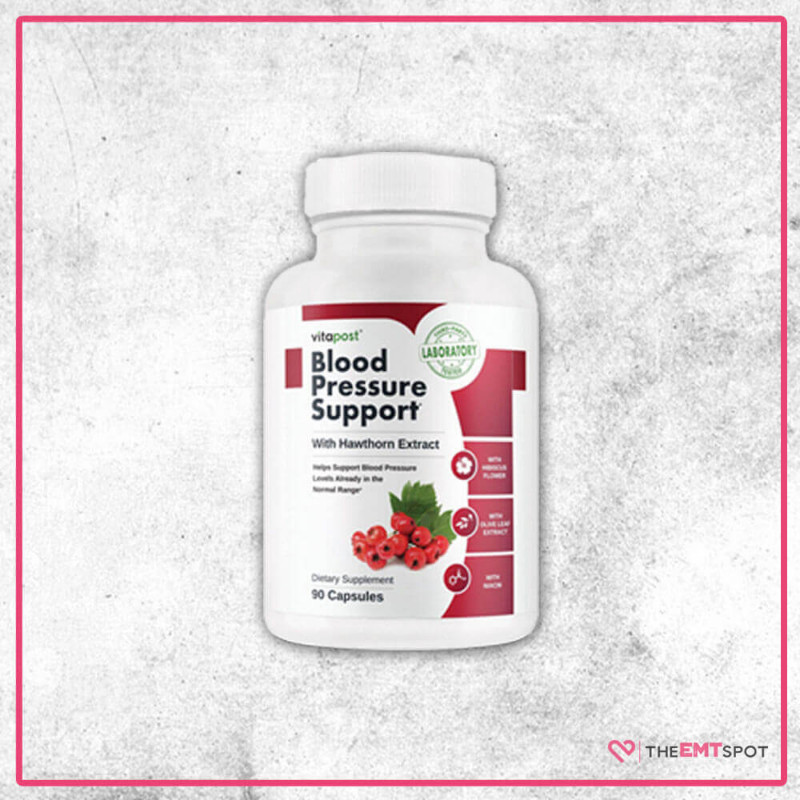
Blood Pressure Support
Blood Pressure Support combines hawthorn berry, olive leaf, hibiscus, and some vitamins like C, B6, B12, niacin, and folate alongside a bunch of other medicinal herbs to support the healthy working of the heart.
If you are new to the world of heart-supportive supplements, look for products that are:
- Third-party tested.
- Free from synthetic additives.
- Backed by clinical research.
- Recommended by licensed healthcare professionals.
However, supplements are not a substitute for prescribed medications or clinical monitoring.
At 137/71 mmHg, the primary treatment plan — whether lifestyle changes alone or medication plus lifestyle — must be guided by your doctor.
Supplements can enhance, but not replace, this approach.
IMPORTANT
Always talk to your healthcare provider before starting any new supplement, especially if you’re taking prescription medications. Some ingredients (like garlic or hibiscus) can interact with blood pressure drugs or anticoagulants.
What should you do when your blood pressure is 137/71 during pregnancy?
A reading of 137/71 mmHg during pregnancy should never be ignored. It may signal chronic hypertension or the early signs of a complication like preeclampsia — both of which can pose serious risks to you and your baby.
Recent evidence, including the 2022 CHAP trial, shows that treating even mild hypertension in pregnancy (130–139/80–89 mmHg) significantly lowers the risk of preeclampsia, preterm birth, and stillbirth — without harming fetal growth.
Your doctor will likely recommend safe medications like labetalol or extended-release nifedipine to keep your BP under 140/90 mmHg. You may also be advised to take low-dose aspirin and undergo regular ultrasounds to monitor fetal development.
Never adjust medication on your own — managing blood pressure in pregnancy requires specialist care and close follow-up to protect both maternal and fetal health.
Is blood pressure 137/71 high for a male?
In men, a blood pressure of 137/71 mmHg is considered stage 1 hypertension and calls for immediate lifestyle changes and potential medication. Men are generally at a higher risk for cardiovascular diseases, so it’s crucial to act immediately.
Exercise, especially aerobic activities, can significantly help to reduce blood pressure. Also, reducing sodium intake and eliminating smoking and excessive alcohol consumption can be particularly effective.
Medications are usually prescribed depending on other risk factors like age, family history, and existing comorbidities.
Is blood pressure 137/71 high for a female?
For women, 137/71 mmHg also falls under stage 1 hypertension. Women often experience fluctuating blood pressure levels due to hormonal changes, especially during menstruation, pregnancy, and menopause. This makes it all the more critical to consult a healthcare provider for a tailored treatment plan.
Similar to men, lifestyle changes are imperative. For some women, birth control pills can exacerbate blood pressure, so a healthcare provider may suggest alternative methods of contraception.
Is blood pressure 137/71 high for an elderly?
Yes, a blood pressure of 137/71 mmHg is considered high for an elderly person — it falls into the Stage 1 Hypertension range. While it may not seem dangerously high, it still increases the risk of heart attacks, strokes, and other complications over time.
That said, blood pressure management in older adults is more personalized. For most people in their 60s or 70s, doctors generally aim to keep systolic pressure around 130–140 mmHg, especially if there’s a history of cardiovascular disease, kidney problems, or diabetes.
Lifestyle changes like reducing salt, staying active, and managing weight can be very effective — and sometimes enough on their own.
For adults over 80, treatment is usually more cautious. Unless the person is especially fit or at high risk, many guidelines recommend starting medication only if the top number is consistently above 160. Once treatment begins, doctors aim for a range that lowers risk but avoids side effects like dizziness or falls — usually between 130 and 139 systolic.
One of the most influential studies on this topic was the SPRINT trial (Systolic Blood Pressure Intervention Trial), published in 2015 in The New England Journal of Medicine.
It found that in adults aged 75 and older, intensive blood pressure control (targeting <120 mmHg systolic) reduced the risk of major cardiovascular events by 25% and lowered all-cause mortality by 27%, compared to the standard target of <140 mmHg.
These benefits were seen even in frail seniors, suggesting that with careful monitoring, tighter blood pressure control can improve both lifespan and heart health in older adults.
So while 137/71 mmHg isn’t considered dangerously high, it’s definitely worth discussing with your doctor — because the right plan can protect your long-term health.
Is blood pressure 137/71 high for children?
A blood pressure reading of 137/71 mmHg is usually considered high for children and adolescents.
Children are not typically expected to have blood pressure levels in the hypertensive range, and a reading this high calls for immediate medical attention.
According to a report “High Blood Pressure in Children and Adolescents: Current Perspectives and Strategies to Improve Future Kidney and Cardiovascular Health” published in 2022 by a team of researchers from The Hospital for Sick Children, Canada (Robinson, C. H., & Chanchlani, R.), several factors during the perinatal period are linked to blood pressure in children, such as low birth weight, being born prematurely, and maternal aspects like preeclampsia, blood pressure, age, and BMI.
The diagnostic procedures may include multiple readings over time and possibly additional tests to rule out underlying conditions.
Lifestyle changes such as better dietary choices, increased physical activity, and even medication could be considered depending on the case.
Is blood pressure 137/71 high for an adult?
For adults, a blood pressure of 137/71 mmHg is indeed considered to be stage 1 hypertension.
It serves as a clear indicator that lifestyle modifications are needed, and medical treatment may be necessary depending on other risk factors like existing cardiovascular diseases or diabetes.
Immediate consultation with a healthcare provider is advised for a comprehensive diagnosis and treatment plan, which may include medication and lifestyle changes like diet and exercise.