| Medically reviewed by Robin Backlund, BHSc
Last update:
Watch, or listen the video if you don’t want to read it.
A blood pressure reading of 221/129 mmHg indicates that you are at a HYPERTENSIVE CRISIS, as per the latest guidelines from the American Heart Association, which define it as being above 180/120 mmHg.
If you encounter such a reading, urgently call 911 or your local emergency number as this requires immediate medical attention.
While these figures are concerning for all – including children, adults, the elderly, and pregnant individuals – they can lead to severe complications such as stroke, heart attack, or kidney failure if neglected.
It’s crucial to understand that blood pressure readings can fluctuate based on age, gender, weight, and overall health; what’s deemed ‘good’ may differ based on individual medical history and existing health conditions.
Was this helpful?
Contents
What does a 221/129 blood pressure mean?
Blood pressure is a crucial indicator of one’s cardiovascular health. When readings soar to levels like 221/129, it’s a clear sign of a serious medical condition known as a hypertensive crisis.
This condition manifests when an individual’s blood pressure readings consistently exceed the 180/120 threshold.
Here is a blood pressure chart according to the latest guidelines of American Heart Association (AHA).
STAGE | SYSTOLIC mm Hg [upper #] | DIASTOLIC mm Hg [lower #] |
Normal Blood Pressure | Less than 120 | Less than 80 |
Elevated Blood Pressure Pre-Hypertension | 120-129 | Less than 80 |
High Blood Pressure Hypertension STAGE 1 | 130-139 | 80-89 |
High Blood Pressure Hypertension STAGE 2 | 140-180 | 90-120 |
Hypertensive Crisis Consult your doctor immediately | Higher than 180 | Higher than 120 |
There are two general outcomes when blood pressure levels rise above 180/120 mmHg — either there’s organ damage, or there isn’t.
According to the latest 2024 guidelines from the American Heart Association, the term “hypertensive urgency” is no longer recommended for clinical use. Instead, the focus is placed entirely on hypertensive emergencies, where there is clear and immediate damage to vital organs like the brain, heart, or kidneys.
If no organ damage is found, even at these high readings, it is now referred to as markedly elevated blood pressure rather than an urgency. This change helps prevent unnecessary emergency treatments for patients who may not need immediate intervention.
Regardless of the terminology, blood pressure this high is a serious warning sign and should never be ignored.
For context, a healthy individual’s ideal blood pressure range lies between 91/61 and 119/79. A reading of 221/129 mmHg is alarmingly high, indicating a significant deviation from optimal health.
Such elevated blood pressure levels place significant strain on the blood vessels, potentially stressing the heart and leading to further complications.
This can lead to an elevated heart rate, which, over time, can adversely impact cardiovascular health. In a study “High Blood Pressure and All-Cause and Cardiovascular Disease Mortalities in Community-Dwelling Older Adults” published in 2015 in Medicine Baltimore, consistently very high blood pressure is identified as a leading factor in increased mortality in the geriatric population.
If left untreated, a hypertensive crisis can pave the way for heart disease and other related complications, making it a crucial health metric that needs constant attention.
While a hypertensive crisis is a medical emergency, it’s not as rare as many assume.
According to global estimates, around 1 to 2% of people with hypertension will experience a hypertensive crisis at some point in their lives.
In the United States, hypertensive emergencies account for roughly 0.5% of all emergency department visits, based on pooled hospital data.
These numbers may be significantly higher in areas with poor access to healthcare, such as parts of sub-Saharan Africa, where some hospitals report crisis-level hypertension in up to 10% of admitted hypertensive patients.
These figures highlight how uncontrolled or untreated high blood pressure can escalate into life-threatening events — especially in populations with low treatment adherence or limited medical oversight.
Certain populations are more vulnerable to hypertensive crises due to regional disparities, socioeconomic status, and healthcare access.
In many low- and middle-income countries, hypertension is often underdiagnosed and poorly controlled.
For example, in parts of sub-Saharan Africa, only 12% to 27% of people with high blood pressure have it under control — a factor strongly linked to the higher prevalence of hypertensive emergencies reported in regional hospitals.
Black populations and older adults are also more likely to experience severe hypertension and related complications.
Studies suggest this is due to both genetic predisposition and systemic factors like limited access to consistent medical care or culturally adapted treatment plans.
Additionally, individuals living with chronic conditions such as diabetes, kidney disease, and obesity are significantly more prone to experiencing blood pressure spikes that lead to crisis.
Understanding these risk factors is key to prevention — particularly in communities that may face barriers to routine care or medication adherence.

The most effective approach to manage and mitigate the risks associated with high blood pressure is through appropriate medication and lifestyle changes.
Consulting with a cardiologist or a specialized healthcare professional can provide tailored guidance, ensuring individuals embark on a path toward improved health and well-being.
Following are some of the warning signs and complications that may occur during a hypertensive crisis.
- Severe headache and sudden confusion.
- Blurred or faded vision, or complete vision loss.
- Nausea and vomiting (sometimes with blood).
- Chest pain or tightness, often linked to heart strain or heart attack.
- Irregular heartbeat or extremely fast heart rate (arrhythmia).
- Shortness of breath or difficulty breathing due to fluid in the lungs (pulmonary edema).
- Seizures or sudden loss of consciousness.
- Sudden weakness, numbness, or trouble speaking — signs of stroke.
- Intense upper back or chest pain, which may indicate an aortic dissection.
- Little or no urine output, which may signal kidney failure.
These symptoms suggest that the high blood pressure is damaging critical organs like the heart, brain, kidneys, eyes, or blood vessels.
When these signs appear, it is no longer a matter of high blood pressure alone — it is a full medical emergency that must be treated immediately in a hospital setting to prevent permanent disability or death.
What is the Mean Arterial Pressure (MAP) for a blood pressure of 221/129 mmHg?
The Mean Arterial Pressure (MAP) for a blood pressure of 221/129 mmHg is:
What is the Pulse Pressure (PP) for a blood pressure of 221/129 mmHg?
The Pulse Pressure (PP) for a blood pressure of 221/129 mmHg is:

🚨 Exclusive Offer for TheEMTSpot’s Readers 🚨
Are you looking for a reliable way to monitor your blood pressure at home? Look no further! Introducing the Oxiline Pressure X Pro, your go-to device for accurate and hassle-free readings.
Use code EMTSPOT10 at checkout and get an instant 10% OFF THE PRICE!
Don’t miss out on this limited-time offer. Take control of your health today!
What should you do if you have 221/129 mmHg blood pressure?
Here is a set-by-step procedure to follow when you figure out you have a blood pressure of 221/129 mmHg.
- Urgently call 911 or local emergency services
- Adopt these lifestyle changes immediately
- Consider using blood pressure medications
- Craft a balanced blood pressure-friendly diet
- Monitor for additional health conditions associated with hypertensive crisis
- Support with natural supplements
- What happens if a hypertensive crisis is left untreated?
- How to prevent another hypertensive crisis
- What do the experts recommend?
1. Urgently call 911 or local emergency services

In the event of a hypertensive crisis where your blood pressure reads 221/129 on your home device, the first and foremost step is to immediately call 911 or your local emergency services. This is crucial to verify your blood pressure level and to ensure prompt medical intervention if necessary.
When experiencing such high blood pressure numbers at home, it’s important to recognize that these readings need immediate clinical assessment by trained professionals. Emergency services can provide a quick and accurate evaluation, confirming whether your 221/129 is a cause for immediate concern.
It’s worth noting that at-home blood pressure readings can sometimes be misleading. Inaccuracies might arise due to errors in reading, malfunctioning of the device, or even your physical or mental state at the time of measurement.
This approach is supported by findings from a study titled “Masked and white coat hypertension, the double trouble of large arteries: A systematic review and meta‐analysis,” conducted by Christina Antza and her team at Aristotle University of Thessaloniki.
Published in 2020 in The Journal of Clinical Hypertension, this study highlights the variability of blood pressure readings.
- For instance, some individuals experience white coat hypertension, where blood pressure spikes in a doctor’s office but is normal elsewhere.
- Conversely, masked hypertension occurs when readings are normal at a doctor’s office but elevated at home or in other settings.
Such discrepancies underscore the importance of emergency verification of blood pressure in a hypertensive crisis.
By calling 911 or local emergency services, you can ensure that your readings are accurately assessed and that any necessary medical intervention is promptly provided.
2. Adopt these lifestyle changes immediately

At 221/129 mmHg, you are needed to step into action to save your health and, more importantly, your life. Obviously, your doctor will immediately address this issue and stabilize you, but in the long run, you are needed to do some things.
Even though chemical drugs could ease your blood pressure, some lifestyle modifications are very important at this stage.
The first and foremost thing to keep in your mind is what goes inside your body. Your food is a critical factor to be bridled at this stage. You may need to critically scrutinize your eating habits as a first step.
Also, exercising needs to be incorporated only according to your doctor. Because at this stage, your body has already hit the maximum limit your blood vessels can handle. Therefore, consult your doctor and add some workouts to your life.
According to Harvard School of Public Health’s Healthy Living Guide 2020/2021, below are six suggestions that could help with your heart health.
- Have proper rest and sleep every day.
- Maintain a healthy body weight.
- Eat healthy meals and exercise daily.
- Quit smoking and limit the consumption of alcohol.
- Bring the substitutes of sodium salts into use.
- Do not indulge in stressful situations.
3. Consider using blood pressure medications

3. Consider using blood pressure medications
In a hypertensive crisis, especially one where vital organs are being damaged, treatment begins immediately in the emergency room or ICU.
Doctors follow strict protocols to gradually lower your blood pressure, because dropping it too fast can actually worsen the situation — possibly leading to stroke, heart failure, or kidney damage.
How quickly should your blood pressure be lowered in a hypertensive emergency?
Doctors do not try to bring blood pressure back to normal right away. Doing so too fast could reduce blood flow to the brain, heart, or kidneys.
Instead, they follow this step-by-step protocol used in emergency care worldwide.
- First Hour: Lower blood pressure by 10–20% of the Mean Arterial Pressure (MAP)
- Next 2–6 Hours: Continue to reduce gradually, aiming for a level below 160/110 mmHg
- Next 24–48 Hours: Further reduce blood pressure to a safe long-term target (typically under 140/90 mmHg, unless customized)
These targets are slightly adjusted depending on the condition.
- In aortic dissection, blood pressure needs to be lowered more aggressively (SBP <120 mmHg within 20 minutes)
- In stroke, the reduction is slower and carefully monitored to avoid worsening brain damage
This careful approach protects organs while stabilizing the patient — and is considered the gold standard in emergency blood pressure management.
Some of the most common IV drugs used in emergency care include as below.
- Nicardipine – A fast-acting calcium channel blocker often used as a first-line drug due to its smooth and predictable lowering effect.
- Clevidipine – Another short-acting calcium channel blocker. Favored for its ultra-fast onset and short half-life, allowing tight control. Often used when minute-by-minute adjustment is needed.
- Labetalol – A combined alpha- and beta-blocker. Commonly used for patients with stroke, heart failure, or preeclampsia (during pregnancy).
- Esmolol – A very short-acting beta-blocker useful when heart rate control is also needed, especially in aortic dissection.
- Nitroglycerin – Primarily used for patients with chest pain or pulmonary edema, as it helps relieve pressure on the heart.
- Hydralazine – Occasionally used during pregnancy, but not preferred in most other emergencies due to unpredictable response.
- Sodium Nitroprusside – Once widely used, but now reserved for specific cases. It can lower blood pressure rapidly, but carries risk of cyanide toxicity, especially in kidney-impaired patients or with prolonged use.
Once your condition is stabilized, doctors will switch you to oral blood pressure medications to maintain a safe level over time.
Here are a few of the popular classes of drugs commonly prescribed for long-term management of high blood pressure.
- Diuretics (Water Pills): These help remove excess sodium from the body through urination, reducing blood volume and pressure.
- Calcium Channel Blockers: These prevent calcium from narrowing blood vessels, helping them relax and stay open.
- Angiotensin II Receptor Blockers (ARBs): These block hormones that tighten blood vessels.
- Diltiazem: A specific type of calcium channel blocker that affects the heart’s rhythm and blood vessel tension.
- Beta Blockers: These reduce the workload on your heart and lower your heart rate, easing pressure on your arteries.
Whether you’re treated in the emergency room or at home, it’s critical that your medications are taken consistently and under a doctor’s supervision.
Never stop or change your regimen without medical advice — doing so could lead to another hypertensive crisis.
4. Craft a balanced blood pressure-friendly diet

As mentioned above, whatever goes inside your body is a big matter of concern at this stage and therefore needs to be evaluated.
As you might have guessed, yes, you can have everything if your doctor has clinically diagnosed 221/129 mmHg.
You may need to follow a stringent diet plan to bring your pressure levels back to something that is more treatable and manageable.
The following are the factors that should be kept in mind when making your dietary plan for high blood pressure.
- Lower the sodium intake: Sodium can serve to be a major elevator for blood pressure. Hence, to get normal blood pressure, limiting its concentration in the bloodstream is necessary.
- Limit the alcoholic beverages: alcohol acts as a vasodilator, but in higher concentrations, it can also serve to increase blood pressure. So, only limited consumption of it is needed to be supported.
- Sugar: Added alongside the effects of high blood pressure, intake of excess sugar may lead to problems like diabetes and such.
- Caffeine: caffeine products are known to increase blood pressure in people. For those suffering from hypertensive crisis, this is a big no.
- Salts: instead of making use of sodium salt, it would be good if you were to consider the usage of other salts. Calcium and potassium salts serve as good substitutes for sodium salts.
- Herbs and spices: some spices and herbs are known to lower blood pressure to a great extent. If you were to include those in your diet, these would greatly benefit you.
5. Monitor for additional health conditions associated with hypertensive crisis

If your blood pressure reading is 221/129 mmHg, then you need to be extra careful and watch out for some serious health concerns and common triggers that could worsen your condition.
Hundreds of studies highlight the correlation between obesity and hypertension.
Among them, a study titled “Highlights of mechanisms and treatment of obesity-related hypertension” published in 2022 in Nature by Elham Shams and his team, clearly suggests that individuals with obesity are five times more likely to experience cardiovascular events.
If your BMI is 30 or more, a hypertensive crisis implies an increased risk of stroke or heart attack. Obesity is widely recognized as one of the major comorbidities that can aggravate your blood pressure condition.
In addition, kidney failure, diabetes, and sleep disorders are also frequently associated with dangerously high blood pressure readings like 221/129 mmHg.
One of the most underestimated triggers is stress and anxiety, which can raise your blood pressure even further in a crisis situation. Calming techniques, rest, and professional support can be crucial at this stage.
But beyond these health conditions, several lifestyle and behavioral triggers can directly cause or worsen a hypertensive crisis — even in people who are already being treated for high blood pressure.
Some of the most common triggers include following.
- Skipping or abruptly stopping blood pressure medications — a major cause of hypertensive emergencies
- Using over-the-counter medications like NSAIDs, nasal decongestants, or certain herbal supplements
- Suddenly stopping medications like clonidine or beta blockers, which can lead to dangerous rebound hypertension
- Stimulant use, including cocaine, methamphetamine, and even excessive caffeine
- High sodium intake, alcohol consumption, and chronic unmanaged stress
People with a history of poor medication adherence, chronic kidney disease, diabetes, or substance use are especially vulnerable to hypertensive crisis.
By understanding and avoiding these triggers — alongside monitoring any existing conditions — you can significantly reduce the risk of future emergencies and protect your long-term cardiovascular health.
6. Try natural dietary supplements

Sometimes managing blood pressure is all about supplementing your body with the right diet. Food is undoubtedly the best primary source to supplement your body.
However, in the current scenarios, we all know how much adultered our foodstuff is, and most of us are pushed towards processed foods to feed ourselves in this fast-paced world.
All these food are high in sugar and sodium and doesn’t contain any vital nutrients that are important for a healthy heart.
This is where some of the nutraceutical-based blood pressure supplements come in handy. These products combine all critical nutrients your heart craves, thereby assisting the better function of your cardiovascular system.
A meta-analysis study from 2022 “The Effect of Herbal Supplements on Blood Pressure: Systematic Review and Meta-Analysis” by Polish researchers from the Medical University of Lodz (Anna Lipert, Iwona Szadkowska, Ewelina Matusiak-Wieczorek, Ewa Kochan) reviewed the impact of nutraceutical products derived from cherry juice, beetroot juice, bergamot extracts, and barberry.
The study found that these substances significantly improved heart health by reducing high blood pressure levels.
Generally, these supplements are a concoction of herbs, plant-based products, dairy products, and some animal products. They are 100% organic and natural and don’t contain any harmful chemicals.
If you are hearing about these segments of products for the first time, to start with, you may blindly go for Blood Pressure Support from Vita Balance Inc.
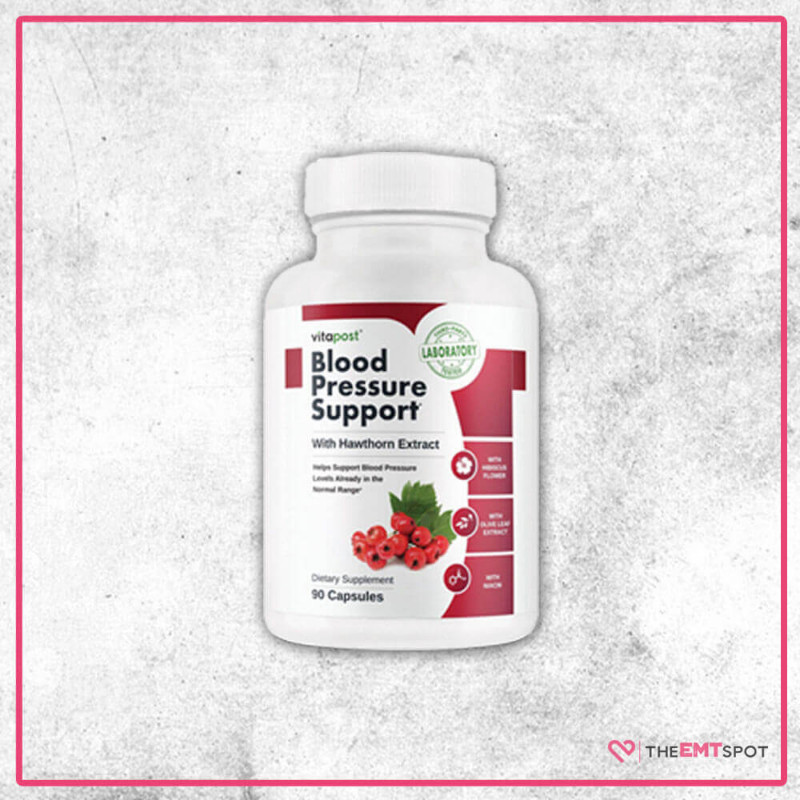
Blood Pressure Support
Blood Pressure Support combines hawthorn berry, olive leaf, hibiscus, and some vitamins like C, B6, B12, niacin, and folate alongside a bunch of other medicinal herbs to support the healthy working of the heart.
The only one thing to keep in mind is that choose the best supplement supporting healthy blood pressure, because when it comes to the heart, there is no taking of risk!
A person suffering from a hypertensive crisis needs to get through to a medical professional as soon as possible. This condition can lead to many possible life-threatening diseases and problems shortly.
Hence, it becomes necessary to consult with a professional and come up with medicines that are best suited for you.
7. What happens if a hypertensive crisis is left untreated?
A hypertensive crisis isn’t just a high number — it’s a life-threatening emergency that requires urgent action.
If treatment is delayed or skipped, the chances of severe complications or death rise dramatically.
Before the era of modern blood pressure medications, hypertensive emergencies were almost always fatal. Today, early hospital intervention can save lives — but the condition is still extremely dangerous.
- In-hospital mortality for hypertensive emergencies remains around 10%, even with treatment.
- Without proper follow-up care, up to 30–40% of patients may die within the first year.
- Survivors face a high risk of long-term complications, including stroke, heart failure, kidney failure, and permanent organ damage.
- Many experience lasting impairment in brain, heart, or kidney function — even after the initial emergency is resolved.
The key to survival is timing. Getting medical help within the first hour, combined with consistent medication and follow-up, can significantly reduce the risk of death and long-term damage.
Once you’ve experienced a hypertensive crisis, it’s critical to take your condition seriously.
Keep your blood pressure under control, take all prescribed medications, and work closely with your doctor to monitor your heart, kidneys, and overall cardiovascular health.
8. How to prevent another hypertensive crisis
Once you’ve experienced a hypertensive crisis, the risk of having another one goes up — but the good news is, most future episodes can be prevented with a clear plan and consistent habits.
Here’s what long-term recovery should include:
- Daily blood pressure monitoring: Use a home monitor to track your numbers at the same time each day. Keep a log to share with your doctor.
- Take medications exactly as prescribed: Never skip doses or stop suddenly, even if you feel better.
- Schedule regular follow-ups: Routine checkups allow your doctor to adjust medications and catch early signs of complications.
- Adopt a heart-healthy lifestyle: Eat a low-sodium diet rich in vegetables and whole grains, stay active (as approved by your physician), and aim for a healthy weight.
- Manage stress: Chronic stress can raise blood pressure. Consider breathing exercises, meditation, therapy, or anything else that helps you stay calm.
- Limit alcohol and avoid tobacco: Both can increase your risk of another crisis.
- Know your triggers: Identify what caused your first crisis — such as medication non-adherence, a high-sodium meal, or drug interactions — and take steps to avoid it in the future.
Even if your blood pressure seems under control, staying vigilant is key. Many patients relapse simply because they assume “it’s over.”
With consistency and medical guidance, you can dramatically reduce your risk and live a longer, healthier life.
9. What do the experts recommend?
The American Heart Association (AHA) and European Society of Cardiology (ESC) — two of the most trusted authorities in cardiovascular health — emphasize that hypertensive emergencies are preventable, manageable, and treatable when identified early.
Their latest 2024 guidance advises the following.
- If your blood pressure is 180/120 mmHg or higher with symptoms like chest pain, confusion, vision changes, or shortness of breath — call emergency services immediately.
- If you have a very high reading but no symptoms, do not panic. Instead, contact your doctor promptly to adjust your treatment.
- The term “hypertensive urgency” is no longer encouraged in hospitals, as unnecessary IV treatments can do more harm than good.
By consistently taking prescribed medications, reducing stress, avoiding dangerous triggers, and staying in contact with a healthcare provider, most people can prevent hypertensive crises altogether.
10. Common misconceptions about hypertensive crisis
When it comes to hypertensive crisis, there’s a lot of confusion — and unfortunately, some myths can be dangerous. Let’s clear up a few:
“If I feel fine, I’m not in danger.”
False.
Hypertensive crisis doesn’t always cause obvious symptoms.
Some people feel normal even when their blood pressure is dangerously high — especially during what’s called a “silent” hypertensive emergency.
Always treat readings above 180/120 mmHg seriously.
“I’ll just wait and check again later.”
A second reading is smart — but don’t wait hours.
If the second reading confirms very high blood pressure with symptoms, don’t delay. Call emergency services immediately.
“Only older people need to worry about this.”
Not true.
Hypertensive crisis can affect adults of all ages, including pregnant women and even teenagers.
It’s less about age and more about underlying conditions and lifestyle.
“Pregnant women only need to worry about preeclampsia.”
False. While preeclampsia is a major concern, pregnant women can also experience hypertensive emergencies unrelated to it — including chronic or gestational hypertension that spirals into a crisis.
These situations are extremely dangerous for both mother and baby, and require immediate medical attention.
“Once the crisis passes, I’m cured.”
Unfortunately, no.
A hypertensive crisis is a warning sign that your blood pressure is dangerously out of control.
Ongoing medication, lifestyle changes, and regular checkups are essential to avoid another episode.
“Natural remedies are enough.”
Herbs and supplements can support heart health — but they are not a replacement for emergency care or prescribed medications in a hypertensive crisis.
Always follow your doctor’s guidance first.
Understanding what a hypertensive crisis really is — and what it isn’t — can save lives.
If you or someone you know ever gets a reading that crosses into crisis territory, take it seriously, act fast, and follow through with long-term care.
What should you do when your blood pressure is 221/129 mmHg during pregnancy?
A blood pressure reading of 221/129 during pregnancy is extremely high and represents a medical emergency that demands immediate hospitalization.
According to a study published in NCBI in 2023 “Preeclampsia. Obstetrical and Gynecological Survey”, this could indicate severe preeclampsia, a pregnancy complication characterized by high blood pressure and potential damage to vital organs like the liver and kidneys, and lead to 500,000 fetal deaths worldwide.
At such elevated levels, the life of both the mother and baby could be at serious risk.
If you find yourself or someone else experiencing this blood pressure range during pregnancy, it is imperative to seek emergency medical attention right away.
Is blood pressure 221/129 mmHg high for a male?
For men, a blood pressure of 221/129 mmHg is dangerously high and categorizes as hypertensive crisis. This isn’t just a signal for stage 1 or stage 2 hypertension; it’s an immediate medical emergency.
With blood pressure levels this high, the risk of life-threatening complications such as stroke, heart attack, and organ failure is significantly increased.
Immediate hospitalization is required for prompt treatment and stabilization.
Is blood pressure 221/129 mmHg high for a female?
For women, a blood pressure reading of 221/129 mmHg is equally alarming and constitutes a hypertensive crisis.
This severe elevation in blood pressure poses a grave risk of catastrophic events, such as stroke, kidney failure, and heart attack.
This is an extreme medical emergency that demands urgent hospitalization and aggressive treatment, likely involving intravenous (IV) medications to quickly bring the blood pressure down and close monitoring to avoid organ damage.
Is blood pressure 221/129 mmHg high for children?
A blood pressure reading of 221/129 in children is exceptionally high and represents an immediate medical emergency.
In children, blood pressure levels this high could lead to severe organ damage and other catastrophic outcomes.
According to a team of researchers (Cal H. Robinson and Rahul Chanchlani) from The Hospital for Sick Children, Canada, who published in 2022 a report “High Blood Pressure in Children and Adolescents: Current Perspectives and Strategies to Improve Future Kidney and Cardiovascular Health. Kidney International Reports” several factors during the perinatal period are linked to blood pressure in children, such as low birth weight, being born prematurely, and maternal aspects like preeclampsia, blood pressure, age, and BMI.
Emergency medical attention should be sought immediately for diagnosis and treatment, likely including prompt medication to rapidly lower the blood pressure and tests to rule out potential underlying conditions or complications.
Is blood pressure 221/129 high for an adult?
For an adult, regardless of age or gender, a blood pressure of 221/129 mmHg is a severe medical emergency known as a hypertensive crisis.
With levels this high, the individual is at imminent risk for a variety of life-threatening complications like stroke, heart failure, and organ damage.
Emergency medical services should be sought immediately for rapid treatment to lower the blood pressure and to evaluate and manage any organ damage that may be occurring.
Is blood pressure 221/129 mmHg high for an elderly?
For elderly individuals, a blood pressure of 221/129 is extremely dangerous and mandates immediate emergency care.
The elderly are often already at a higher risk for cardiovascular diseases, and a hypertensive crisis could rapidly escalate into life-threatening complications, including organ failure, heart attack, and stroke.
Immediate intervention with medication and close monitoring is crucial.