| Medically reviewed by Robin Backlund, BHSc
Last update:
A blood pressure of 63/51 mmHg is considered SEVERE HYPOTENSION, an extremely dangerous level of low blood pressure.
While not officially defined by the American Heart Association, most clinical sources—including emergency care guidelines—identify severe hypotension as below 80/50 mmHg or when the Mean Arterial Pressure (MAP) falls below 65 mmHg.
This level of hypotension is a medical emergency. It can quickly impair blood flow to vital organs like the brain, heart, and kidneys—putting anyone at risk, including children, adults, seniors, and pregnant individuals.
Left untreated, such a drop in blood pressure may result in shock, loss of consciousness, organ failure, or even death.
While individual blood pressure needs vary slightly based on age, gender, and health history, no one should have a reading this low without immediate medical attention.
Was this helpful?

Contents
What does a 63/51 blood pressure mean?
A blood pressure of 63/51 mmHg signals a case of severe hypotension — meaning your circulatory system is no longer maintaining adequate blood flow to vital organs.
This can cause a rapid drop in oxygen delivery, especially to the brain.
Clinically, hypotension is considered severe in the following situations.
- Systolic pressure drops below 80 mmHg.
- Diastolic pressure falls below 50 mmHg.
- Or MAP drops under 65 mmHg (critical for organ perfusion).
At this point, emergency care typically includes IV fluids, vasopressors, and continuous monitoring. If untreated, this can progress to shock, such as hypovolemic, cardiogenic, or septic shock, depending on the underlying cause.
Severe hypotension isn’t just “low blood pressure” — it’s a medical emergency. Without fast intervention, it can quickly result in organ failure or death, especially if accompanied by symptoms like confusion, dizziness, or a weak pulse.
According to the American Heart Association, healthy blood pressure typically ranges from 90/60 mmHg to 120/80 mmHg. Anything below this is considered low — and when it drops below 80/50 mmHg, it becomes medically urgent.
Here is a blood pressure chart according to the latest guidelines of American Heart Association (AHA).
STAGE | SYSTOLIC mm Hg [upper #] | DIASTOLIC mm Hg [lower #] |
Normal Blood Pressure | Less than 120 | Less than 80 |
Elevated Blood Pressure Pre-Hypertension | 120-129 | Less than 80 |
High Blood Pressure Hypertension STAGE 1 | 130-139 | 80-89 |
High Blood Pressure Hypertension STAGE 2 | 140-180 | 90-120 |
Hypertensive Crisis Consult your doctor immediately | Higher than 180 | Higher than 120 |
How common is severe hypotension?
Recent research confirms that hypotension is more widespread than many realize.
A 2018 study titled “Prevalence of hypotension and its association with cognitive function among older adults” (published in Aging & Mental Health) found that up to 30% of seniors may experience low blood pressure — often without clear symptoms until complications occur.
Readings like 63/51 mmHg are far more serious. At this point, blood flow may not be sufficient to sustain critical organs like the brain, kidneys, or heart.
Without adequate oxygen, the brain can begin to suffer irreversible damage in as little as four minutes — making this one of the most dangerous cardiovascular states.
What are the signs and symptoms to watch for?
When your blood pressure drops to a dangerously low level like 63/51 mmHg, your body will likely show clear signs.
These symptoms result from reduced blood flow and oxygen delivery — especially to the brain and heart.
- Dizziness or light-headedness.
- Fainting or near-fainting episodes.
- Blurred or tunnel vision.
- Confusion or disorientation.
- Weak or rapid pulse.
- Cold, pale, or clammy skin.
- Nausea or vomiting.
- Trouble concentrating.
- Sudden fatigue.
- Loss of balance.
- Shallow breathing.
- Severe thirst or signs of dehydration.
If you notice one or more of these symptoms alongside a blood pressure reading like 63/51 mmHg, seek emergency medical help immediately.
These are not mild fluctuations — they may indicate internal bleeding, organ failure, or a life-threatening form of shock.
What is the Mean Arterial Pressure (MAP) for a blood pressure of 63/51 mmHg?
The Mean Arterial Pressure (MAP) for a blood pressure of 63/51 mmHg is:
What is the Pulse Pressure (PP) for a blood pressure of 63/51 mmHg?
The Pulse Pressure (PP) for a blood pressure of 63/51 mmHg is:

🚨 Exclusive Offer for TheEMTSpot’s Readers 🚨
Are you looking for a reliable way to monitor your blood pressure at home? Look no further! Introducing the Oxiline Pressure X Pro, your go-to device for accurate and hassle-free readings.
Use code EMTSPOT10 at checkout and get an instant 10% OFF THE PRICE!
Don’t miss out on this limited-time offer. Take control of your health today!
What should you do if you have 63/51 blood pressure?
Here is a set-by-step procedure to follow when you figure out you have a blood pressure of 63/51.
- Verify blood pressure with a doctor
- Adopt these lifestyle changes immediately
- Consider using blood pressure medications
- Craft a balanced blood pressure-friendly diet
- Be aware of the underlying causes and risks of severe hypotension
- Support with natural supplements
1. Verify blood pressure with a doctor

If you see a reading like 63/51 mmHg at home, don’t panic — but don’t ignore it either. It’s critical to get this confirmed by a medical professional.
Home blood pressure monitors can sometimes give inaccurate readings. This can happen due to following.
- A faulty or poorly calibrated device.
- Improper cuff size or placement.
- User error (e.g., measuring while anxious or talking).
- Temporary factors like dehydration, stress, or lack of sleep.
That’s why your doctor will usually recheck your blood pressure in a clinical setting — and possibly recommend monitoring it over several days or weeks before making a diagnosis.
Research supports this caution. A 2020 study by Christina Antza and colleagues from Aristotle University of Thessaloniki, published in The Journal of Clinical Hypertension, reviewed how blood pressure can vary by setting.
They found two common problems.
- White coat hypertension – Blood pressure rises only in clinical settings due to stress.
- Masked hypertension – Blood pressure appears normal in the doctor’s office but is high at home.
Both situations are misleading and highlight why a doctor’s confirmation is essential — especially when your reading is as low as 63/51 mmHg, which may indicate severe hypotension.
So before jumping to conclusions or starting treatment, let your doctor assess and interpret your blood pressure using professional-grade equipment and clinical guidelines.
2. Adopt these lifestyle changes immediately

If your blood pressure is as low as 63/51 mmHg, you may be experiencing severe hypotension, which can lead to confusion, dizziness, or fainting.
If you feel any of these symptoms, do not attempt to drive yourself to a hospital — seek emergency medical help or have someone assist you.
However, if your condition is not critical and your doctor has ruled out life-threatening causes, you can start making immediate lifestyle adjustments to help raise your blood pressure and prevent further drops.
A comprehensive review in P&T Journal (2019), titled “Looking for Trouble: Identifying and Treating Hypotension,” along with updated Mayo Clinic and recent clinical guidelines, highlights several practical strategies that can make a real difference.
- Increase sodium intake (if your doctor approves): Unlike in hypertension, people with low blood pressure may benefit from adding more salt to their diet, as sodium helps raise blood volume and pressure.
- Drink more fluids throughout the day: Dehydration is a common cause of hypotension. Aim for at least 2–3 liters of water per day unless otherwise advised, and include electrolyte-rich fluids if you’ve lost fluids through sweating, illness, or heat.
- Eat small, low-carb meals frequently: Large or carbohydrate-heavy meals can cause postprandial (after-meal) hypotension. Breaking meals into smaller portions helps maintain steadier pressure.
- Get up slowly from sitting or lying down: This can reduce the risk of orthostatic hypotension (a sudden drop in pressure when standing). Sitting for a minute before standing, and flexing your legs, can help.
- Wear compression stockings or abdominal binders: These garments reduce blood pooling in the legs and abdomen, especially helpful for people with orthostatic hypotension.
- Raise the head of your bed: Sleeping with your upper body slightly elevated (about 6–10 inches) may help prevent overnight blood pressure drops and support better fluid balance.
- Avoid alcohol and tobacco: Both substances can worsen hypotension and impair the body’s ability to maintain vascular tone.
- Exercise gently but regularly: Light activity like walking or yoga can improve blood circulation and overall cardiovascular function — but avoid intense workouts during active hypotensive episodes.
- Reduce chronic stress: Chronic anxiety and stress can disrupt the autonomic nervous system, which helps regulate blood pressure. Try breathing exercises, therapy, or guided relaxation techniques.
These adjustments won’t replace medical care, but they form the foundation of long-term management for people with low blood pressure.
For those experiencing repeated or unexplained hypotension, these steps should always be taken under the guidance of a healthcare professional.
3. Consider using blood pressure medications

If your blood pressure is dangerously low — such as 63/51 mmHg — medication may be necessary, but only under medical supervision.
Most medications used to raise blood pressure are reserved for hospital or intensive care settings, not home treatment.
In emergency cases, doctors use vasopressors and IV drugs — not pills — to raise blood pressure quickly and safely. These include the following.
- Norepinephrine (NE) – First-line vasopressor for most types of shock. It constricts blood vessels, helping to restore circulation.
- Vasopressin – Often added when NE alone isn’t enough. It boosts pressure without increasing heart rate.
- Epinephrine – Used in severe or refractory shock, especially if heart function is also impaired.
- Dobutamine – Supports the heart’s pumping action in cases of cardiogenic shock.
- Phenylephrine – Commonly used during pregnancy-related hypotension (e.g., during C-sections), as it raises maternal BP while protecting fetal circulation.
According to the 2021 Surviving Sepsis Campaign Guidelines, these drugs are life-saving but require constant monitoring in the ICU — they’re never used without hospital support.
In non-emergency cases — like chronic orthostatic hypotension — doctors may prescribe oral medications to manage ongoing symptoms.
- Midodrine: A vasoconstrictor that tightens blood vessels and raises pressure. It’s commonly used in neurological causes of low BP.
- Fludrocortisone: A corticosteroid that helps your body retain salt and fluids, boosting blood volume.
- Pyridostigmine: Occasionally used in autonomic failure cases to improve nerve signaling that controls blood vessel tone.
Other drugs, like decongestants or immunosuppressants, are not standard treatments for hypotension and may carry serious side effects.
Always consult a specialist — never self-treat severe low blood pressure with over-the-counter drugs or supplements.
IMPORTANT
These medications are not substitutes for treating the root cause — such as bleeding, infection, or heart failure. Medications support the body temporarily; the real goal is to fix what’s causing the drop.
4. Craft a balanced blood pressure-friendly diet

If you’re dealing with blood pressure as low as 63/51 mmHg, your diet can play a supporting role in recovery — but it’s not a substitute for emergency care.
That said, once stabilized, certain foods and habits may help maintain better blood flow and prevent future drops.
Based on findings from Harvard Health Publishing and other clinical sources, here’s how to build a hypotension-friendly diet.
- Drink more fluids: Dehydration is a common trigger for low blood pressure. Aim to stay well-hydrated throughout the day — plain water, broths, and electrolyte drinks are best.
- Increase salt intake — with medical supervision: Unlike with high blood pressure, people with hypotension may benefit from more sodium. Salt helps retain water in the bloodstream, which increases blood volume and pressure. But always follow your doctor’s advice, especially if you have kidney or heart issues.
- Get enough vitamin B12 and folate: Deficiencies can lead to anemia and lower blood pressure. Add B12-rich foods like eggs, dairy, fish, and fortified cereals, and folate sources like leafy greens, legumes, and citrus fruits.
- Eat small, frequent meals: Large meals can sometimes cause post-meal hypotension, especially in older adults. Opt for 4–6 small meals a day to maintain steady blood pressure.
- Use caffeine carefully: A cup of coffee or tea can provide a temporary BP boost due to its stimulant effect. However, it’s not a long-term solution and should be used in moderation.
- Avoid highly processed or high-carb junk foods: They can cause blood sugar spikes and crashes, leading to even lower pressure. Stick to whole foods with steady energy release.
IMPORTANT
If you’re prone to dizziness after meals, try lying down or sitting with your legs elevated for 30–60 minutes afterward. This helps redirect blood to the brain and vital organs.
In short, a well-hydrated, high-nutrient diet with the right amount of salt — tailored to your specific condition — can support blood pressure stability and reduce future episodes.
5. Be aware of the underlying causes and risks of severe hypotension

A blood pressure reading like 63/51 is rarely random — it usually signals an underlying issue that needs urgent attention.
The most common causes include the following.
- Volume loss (from dehydration, diarrhea, vomiting, or bleeding).
- Heart problems like heart attack, arrhythmias, severe heart failure, or valve disorders.
- Endocrine disorders, such as adrenal insufficiency (Addison’s disease).
- Medications including diuretics, beta-blockers, calcium channel blockers, or nitrates.
- Severe infections (sepsis) or allergic reactions (anaphylaxis).
- Neurological disorders that affect autonomic regulation (e.g. Parkinson’s disease).
Age also plays a major role. People over 65 are more likely to experience orthostatic hypotension (a sudden drop in blood pressure upon standing) and postprandial hypotension (after meals). These forms can lead to falls, fainting, and cognitive issues if not managed properly.
In younger people, neurally mediated hypotension may occur, especially in teenagers and children — often triggered by standing for long periods, pain, or emotional stress.
Mental health also intersects with blood pressure. A 2000 study published in the Journal of the American Geriatrics Society titled “Low Blood Pressure and Depression: Comorbidity and Competing Outcomes” found a strong link between chronic hypotension and depressive symptoms in older adults.
Not only can depression lead to low blood pressure via behavioral and hormonal pathways, but low blood pressure itself may worsen mood and cognitive function.
Finally, stress, anxiety, and even medications prescribed for other health problems can contribute to severe hypotension. That’s why it’s critical to tell your doctor about all medications, supplements, and symptoms you’re experiencing — even if they seem unrelated.
6. Support with natural supplements

While food should always be your first source of essential nutrients, today’s fast-paced lifestyle and widespread reliance on processed products make it harder to get all the heart-healthy compounds you need from diet alone. This is especially true for people managing chronic low blood pressure.
That’s where natural supplements — particularly those based on medicinal botanicals — can play a helpful, supportive role.
A 2016 review by researchers at Shahrekord University of Medical Sciences in Iran (Moradi, Asadi-Samani, Bahmani) identified dozens of plants with traditional and pharmacological support for raising low blood pressure.
- Hawthorn berry (Crataegus spp.): Long known for improving cardiovascular tone and helping regulate circulation.
- Licorice root (Glycyrrhiza glabra): Shown to raise blood pressure when used carefully, often used in traditional remedies for adrenal insufficiency.
- Ginger (Zingiber officinale): Improves circulation and may help maintain vascular tone.
- Rosemary, Ginseng, and Yohimbe: All have mild vasoconstrictive or central nervous system stimulating effects, which may benefit some hypotensive individuals.
Modern nutraceutical blends often combine these botanicals with key micronutrients known to support blood pressure stability.
- Magnesium and Potassium – balance fluid retention and electrical activity in the heart.
- Vitamin B12 and Folate – help prevent anemia, a common contributor to hypotension.
- Vitamin C and Niacin – support vascular elasticity and capillary integrity.
One example of a well-rounded formula is Blood Pressure Support by Vita Balance Inc..
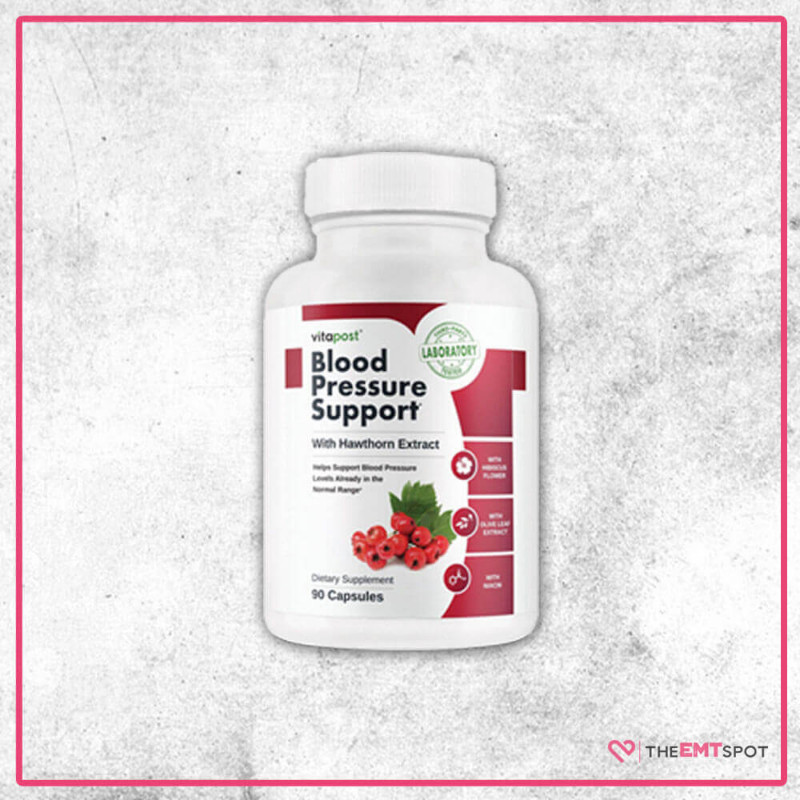
Blood Pressure Support
Blood Pressure Support combines hawthorn berry, olive leaf, hibiscus, and some vitamins like C, B6, B12, niacin, and folate alongside a bunch of other medicinal herbs to support the healthy working of the heart.
While individual responses vary, blends like this are generally safe for long-term support — but should never replace emergency medical care or prescribed treatments.
IMPORTANT
If you are already on blood pressure medication, always consult your doctor before adding any supplement. Some herbs (like licorice or yohimbe) can interact with medications or raise blood pressure too much.
Finally, if you live with chronic hypotension, let family, friends, and coworkers know about your condition. In an emergency, quick recognition and support can save lives.
What should you do when your blood pressure is 63/51 mmHg during pregnancy?
A blood pressure of 63/51 mmHg during pregnancy is considered critically low and requires immediate medical attention. Such hypotension may compromise blood flow to the uterus and placenta, potentially reducing oxygen and nutrient delivery to the baby.
In severe cases, it increases the risk of fetal growth restriction, preterm birth, or even fetal distress, especially if symptoms like dizziness, fainting, or vision changes accompany the low reading.
A foundational study titled “Low blood pressure during pregnancy and poor perinatal outcomes: an obstetric paradox” by Jun Zhang and Mark A. Klebanoff (published in the American Journal of Epidemiology, 2001) showed that persistently low maternal blood pressure — particularly in the second trimester — was associated with increased risk of stillbirth and low birth weight. This study sparked wider research interest in the impact of maternal hypotension.
Since then, updated clinical reviews — including a 2022 review in Current Hypertension Reports — have reinforced that both hypertension and hypotension during pregnancy can harm perinatal outcomes, and that optimal blood pressure support is crucial throughout gestation.
Management depends on the underlying cause, gestational age, and severity. In labor and delivery settings, vasopressors like phenylephrine are often used to stabilize maternal blood pressure after epidural anesthesia.
In earlier pregnancy, treatment focuses on hydration, positional changes (like lying on the left side), and close fetal monitoring.
REMEMBER
If you’re pregnant and your blood pressure drops to 63/51 mmHg — especially if you feel faint or unwell — go to the hospital immediately. Time matters, and even a short delay can affect your baby’s development or well-being.
Is blood pressure 63/51 mmHg too low for a male?
For men, a blood pressure reading of 63/51 is dangerously low and requires immediate medical intervention.
Such a level is not just “too low”—it is critical and could be life-threatening. It could lead to dizziness, fainting, shock, or even organ failure.
Immediate emergency care is strongly advised.
Is blood pressure 63/51 mmHg too low for a female?
For women, a blood pressure of 63/51 mmHg is critically low.
Immediate medical intervention is absolutely necessary as this could indicate a severe underlying condition or even trigger life-threatening issues such as shock or organ failure.
You should seek emergency medical care right away.
Is blood pressure 63/51 mmHg too low for an elderly?
Yes — for elderly individuals, a blood pressure of 63/51 mmHg is dangerously low and demands immediate medical evaluation.
Older adults are more prone to severe hypotension due to age-related changes in blood vessel elasticity, reduced baroreflex sensitivity, and the use of multiple medications (polypharmacy).
A reading like 63/51 mmHg may result in falls, fainting, confusion, organ hypoperfusion, or even strokes and heart attacks, especially if symptoms are present.
A major observational study published in JAMA Internal Medicine (2017), titled “Association of Intensive Blood Pressure Control With Mortality in the Elderly: A Secondary Analysis of the SPRINT Trial”, found that while lowering high blood pressure reduces cardiovascular risk, too low a systolic pressure (especially under 90 mmHg) is linked to higher rates of fainting, kidney injury, and death in frail older adults. The study emphasized caution when BP falls below safe thresholds in seniors.
Additionally, a 2024 meta-analysis in Hypertension Research confirmed that orthostatic hypotension (a sudden drop in BP on standing) in elderly people is associated with a 25–30% higher risk of developing dementia and cognitive decline.
Chronic low blood flow to the brain, even if intermittent, can lead to subtle but progressive damage.
Is blood pressure 63/51 mmHg too low for a children?
Yes — in children, a blood pressure of 63/51 mmHg is critically low and must be treated as a medical emergency.
Pediatric hypotension is defined differently than in adults and depends on age, height, and weight percentiles.
However, simplified emergency thresholds are widely used in clinical settings.
According to the Pediatric Advanced Life Support (PALS) guidelines from the American Heart Association.
For children aged 1–10 years, hypotension is defined as: Systolic BP < 70 + (2 × age in years). For example, a 5-year-old is hypotensive if their systolic BP is below 80 mmHg.
Values like 63/51 mmHg, especially if both systolic and diastolic numbers are low, fall well below the minimum safe thresholds and could indicate shock, impaired oxygen delivery, and organ hypoperfusion.
A 2020 review in Frontiers in Pediatrics emphasized that children often compensate well until late, which means by the time hypotension is detected, the child may already be in decompensated shock. This can lead to multi-organ failure, brain injury, or cardiac arrest if not rapidly corrected.
The 2016 study you cited in BMC Pediatrics, titled “Blood pressure percentile charts to identify high or low blood pressure in children”, provides reference values for clinical screening.
It reinforces that readings below 90/50 mmHg in school-aged children often require immediate attention, especially when accompanied by symptoms like drowsiness, cold extremities, or rapid breathing.
Is blood pressure 63/51 mmHg too low for an adult?
For an adult, a blood pressure of 63/51 is extremely low and constitutes a medical emergency.
Such a low reading could lead to severe symptoms like fainting, shock, and inadequate blood flow to the organs. Immediate medical intervention is essential to prevent life-threatening complications.
This is an emergency condition in all cases, and you should seek medical help immediately if you or someone you know has a blood pressure reading this low.
FAQ
Can severe hypotension cause brain damage?
Yes. When blood pressure drops to critically low levels like 63/51 mmHg, it can impair the brain’s oxygen supply. If the brain doesn’t receive enough oxygen-rich blood for several minutes, brain cells begin to die. According to StatPearls and clinical ICU studies, sustained low mean arterial pressure (MAP) — often below 65 mmHg — is linked to cognitive decline, strokes, and long-term brain damage, especially in older adults and children.
Is it safe to sleep with low blood pressure?
It depends on how low it is and whether you’re symptomatic. If your blood pressure is mildly low but you feel fine (e.g. 95/60 mmHg in a healthy adult), it’s usually safe. However, with severely low readings like 63/51 mmHg, it can be dangerous to sleep without medical monitoring. Sleeping in a horizontal position may worsen symptoms by decreasing blood return to the brain in certain shock states. In emergencies, medical observation is necessary overnight.
How long can the brain survive at 63/51 mmHg?
At 63/51 mmHg, the brain is likely not receiving enough perfusion to function normally. Studies suggest that at a MAP < 60–65 mmHg, cerebral blood flow becomes insufficient. If not corrected, permanent brain injury can begin within 3–5 minutes, and death may follow shortly after in extreme cases. That’s why every minute counts when blood pressure is dangerously low — rapid medical intervention is critical.
Should I go to the ER if my BP is 63/51 mmHg?
Yes — a blood pressure of 63/51 mmHg is a medical emergency. This is well below the threshold for normal circulation and can lead to shock, organ failure, and death. If you or someone near you has symptoms like fainting, cold skin, confusion, or rapid breathing alongside a reading this low, call emergency services or go to the ER immediately.
What’s the difference between hypotension and shock?
Hypotension simply means low blood pressure. It can sometimes occur without symptoms (like in some healthy athletes).
Shock, on the other hand, is a life-threatening condition where the body’s tissues and organs are not getting enough blood and oxygen — and hypotension is just one sign of it.
In shock, you may also see:
- Rapid heart rate.
- Cold, clammy skin.
- Weak pulse.
- Altered mental state.
- Low urine output.
Shock always requires urgent hospital treatment, often with IV fluids, vasopressors, and oxygen support.