| Medically reviewed by Robin Backlund, BHSc
Last update:
A blood pressure of 93/89 mmHg indicates that you are at risk of a ELEVATED BLOOD PRESSURE, formerly known as prehypertension, as defined by the latest guidelines from the American College of Cardiology and the American Heart Association. This range falls between 120–129 mmHg systolic and less than 80 mmHg diastolic.
Why does that matter? Because nearly half of all U.S. adults now have high blood pressure (≥130/80 mmHg), according to the CDC, and many more hover just below that line in the elevated range.
Globally, over 1.2 billion people live with some form of high blood pressure—and that number is rising every year.
So, while your 93/89 reading might not call for an emergency room visit, it is absolutely a wake-up call.
Elevated blood pressure is like a yellow traffic light for your heart—not a crisis yet, but a clear signal to slow down and pay attention.
Left unchecked, it often progresses into full-blown hypertension and increases your risk for heart disease, stroke, kidney problems, and more.
This alert applies to everyone—adults, seniors, pregnant women, and even kids—because elevated blood pressure doesn’t discriminate.
And since blood pressure naturally varies depending on age, weight, stress levels, and overall health, it’s crucial to understand what your numbers are saying and how to act before things escalate.
Was this helpful?
Watch, or listen the video if you don’t want to read it.
Contents
What does a 93/89 blood pressure mean?
That 93/89 reading is a signal that you’re entering the zone of elevated blood pressure — what older guidelines used to call prehypertension.
According to the American Heart Association, elevated BP means your systolic is between 120–129 mmHg and your diastolic is under 80 mmHg.
Here is a blood pressure chart for the reference.
STAGE | SYSTOLIC mm Hg [upper #] | DIASTOLIC mm Hg [lower #] |
Normal Blood Pressure | Less than 120 | Less than 80 |
Elevated Blood Pressure Pre-Hypertension | 120-129 | Less than 80 |
High Blood Pressure Hypertension STAGE 1 | 130-139 | 80-89 |
High Blood Pressure Hypertension STAGE 2 | 140-180 | 90-120 |
Hypertensive Crisis Consult your doctor immediately | Higher than 180 | Higher than 120 |
So, why should you care?
Because even slightly elevated blood pressure increases your health risks — quietly and gradually.
A 2024 study published in the Journal of Clinical and Preventive Cardiology confirmed that people in the elevated range are much more likely to progress to full hypertension, and they get there faster than expected.
It usually doesn’t come alone.
Elevated blood pressure often shows up alongside other issues like excess weight, higher blood sugar, and cholesterol problems. This dangerous combination — known as metabolic syndrome — significantly raises your chances of heart disease, stroke, and type 2 diabetes. That’s according to a 2023 review in Nature Reviews Cardiology.
And here’s something most people don’t expect:
Your brain is at risk too.
A major study in 2025 found that controlling blood pressure early in life reduced the risk of dementia by 15%. Researchers say your brain benefits just as much as your heart when your blood pressure is in check.
Is elevated blood pressure always noticeable?
Nope. It’s called a silent condition for a reason.
Most people with elevated blood pressure don’t feel anything at all. You could walk around for years with it and never know — unless you check it regularly.
In fact, a 2025 national survey from the Annenberg Public Policy Center found that over one-third of Americans mistakenly believe they’d notice symptoms like dizziness or shortness of breath if their BP was high. (Spoiler: you usually won’t.)
That’s why regular checks matter — especially if you’re young, stressed, overweight, or have a family history of high blood pressure.
Still, some people might notice following symptoms.
- Feeling tired or drowsy
- Headaches
- Nausea
- Trouble concentrating
- Red spots in the eyes
- Unexplained weight gain
These symptoms can show up for many other reasons too — so don’t rely on them. Feeling “fine” doesn’t always mean you’re in the safe zone.
What is the Mean Arterial Pressure (MAP) for a blood pressure of 93/89 mmHg?
The Mean Arterial Pressure (MAP) for a blood pressure of 93/89 mmHg is:
What is the Pulse Pressure (PP) for a blood pressure of 93/89 mmHg?
The Pulse Pressure (PP) for a blood pressure of 93/89 mmHg is:
What should you do if you have 93/89 mmHg blood pressure?
Here is a set-by-step procedure to follow when you figure out you have a blood pressure of 93/89 mmHg.
- Verify blood pressure with a doctor
- Regulate your blood pressure with healthy habits
- Consider blood pressure medication — but only if necessary
- Craft a blood pressure-friendly diet (based on science, not fads)
- Be aware of additional health risks linked to pre-hypertension
- Support with natural supplements
1. Verify blood pressure with a doctor

A trained professional has to clinically assess your condition and confirm that your 93/89 is, in fact, valid.
There are many reasons why home readings can be off — user error, a faulty device, or even your mental or physical state on the day of measurement.
That’s why doctors usually assess your blood pressure over 7 to 30 days before confirming a diagnosis.
In a 2020 study titled “Masked and white coat hypertension, the double trouble of large arteries: A systematic review and meta‐analysis”, researchers from Aristotle University of Thessaloniki revealed an important insight,
- Sometimes, people show high readings only at the doctor’s office — this is called white coat hypertension.
- Other times, people show normal readings at the clinic but elevated numbers at home — this is known as masked hypertension.
Both conditions are tied to physiological and psychological factors — and that’s why a doctor’s oversight is essential.
How to monitor your blood pressure at home (with a tech upgrade)
Home monitoring isn’t just helpful — it’s now considered essential.
Experts from the American College of Cardiology and American Heart Association recommend using a validated home cuff to improve accuracy and empower patients.
Why?
Because your blood pressure fluctuates throughout the day — and home readings often give a more accurate picture than one-time office visits.
And now, the tech has caught up.
- Bluetooth-enabled cuffs sync with your phone, making it easy to track trends over time.
- Many devices now share data directly with your doctor — no paperwork required.
Even cooler?
Wearable blood pressure monitors are entering the mainstream.
Smartwatches, lightweight patches, and sensor-packed bands now offer real-time readings throughout the day.
It’s like having a mini blood pressure lab on your wrist — catching patterns early and allowing for personalized care.
Welcome to the future of blood pressure control.

🚨 Exclusive Offer for TheEMTSpot’s Readers 🚨
Are you looking for a reliable way to monitor your blood pressure at home? Look no further! Introducing the Oxiline Pressure X Pro, your go-to device for accurate and hassle-free readings.
Use code EMTSPOT10 at checkout and get an instant 10% OFF THE PRICE!
Don’t miss out on this limited-time offer. Take control of your health today!
2. Regulate your blood pressure with healthy habits

Making definite changes in your lifestyle is one of the most effective ways to bring your blood pressure back under control — or even into the ideal range.
The good news is, these changes don’t require a total life overhaul — but they do require consistency and commitment.
So what’s actually pushing your blood pressure up into the elevated range?
Well, the usual suspects still apply — age, male sex, excess body weight, salty food, and family history. These have been known blood pressure triggers for decades.
But recent studies go deeper.
A major 2023 analysis published in PLOS Global Public Health found that obesity and body fat percentage are among the strongest independent predictors of elevated blood pressure — even in young adults and teens. The risk climbs faster than previously thought, even with moderate weight gain.
Even more surprising is the rising recognition of psychosocial and lifestyle triggers. Recent studies confirm that chronic stress, anxiety, poor sleep, and depression are all linked to elevated blood pressure — even in people who appear otherwise healthy.
And here’s a twist: social factors matter too.
A 2024 study from Northwestern University, presented at the AHA Scientific Sessions, showed that low income, food insecurity, and poor healthcare access make young adults significantly more likely to develop high blood pressure — even after controlling for diet and genetics.
So, what can you do about it?
Here’s where the science offers hope.
A large 2024 meta-analysis in Hypertensia Journal found that a low-calorie diet led to a 6.5 mmHg drop in systolic BP for people with elevated blood pressure. Even losing just 1 kg (2.2 lbs) can lower your systolic pressure by around 1 mmHg.
Exercise is still one of the best tools.
Aerobic activity like brisk walking, cycling, or swimming improves blood flow and strengthens your heart. It also helps regulate stress hormones and supports better sleep.
In fact, 2023 guidelines from the American College of Cardiology recommend moderate physical activity even during pregnancy in women with chronic hypertension (with doctor approval).
And don’t overlook stress and sleep.
Chronic stress and poor-quality sleep — including conditions like sleep apnea — are now recognized as significant contributors to high blood pressure. Managing these issues can be just as powerful as changing your diet.
Science aside — here’s what you can actually do starting today.
- Get 7–9 hours of restful sleep each night.
- Exercise at least 30 minutes a day, most days of the week.
- Cut down on sodium — avoid heavily processed foods.
- Eat more potassium-rich foods like bananas, spinach, beans, and sweet potatoes.
- Lose weight if needed — even small losses make a measurable difference.
- Quit smoking and limit alcohol to occasional use.
- Manage stress daily — try mindfulness, deep breathing, or light yoga.
Think of these changes as your natural prescription for better blood pressure — backed by science and entirely within your control.
3. Consider blood pressure medication — but only if necessary

Elevated blood pressure doesn’t always mean you’ll need medication right away — and in many cases, lifestyle changes are the first step.
But when those changes don’t work, or if you’re dealing with additional health risks, medication might be the right move.
According to the 2023 guidelines from the European Society of Hypertension (ESH) and the European Society of Cardiology (ESC), patients with elevated blood pressure should try at least three months of lifestyle changes before starting medications — unless they also have conditions like diabetes, chronic kidney disease, or a previous heart event.
Similarly, U.S. guidelines from the American College of Cardiology (ACC) and American Heart Association (AHA) have, since 2017, advised considering medication when blood pressure hits 130/80 mmHg or higher, especially in adults with a high risk of cardiovascular disease.
When medications are prescribed, the target blood pressure is generally below 130/80 mmHg for most adults.
However, this target is sometimes adjusted in frail or older adults to avoid dizziness or falls, with doctors opting for a slightly more relaxed range of 130–140 mmHg systolic.
Common types of medications used are listed below.
- Diuretics (Water Pills): Help your body eliminate excess sodium and fluid, reducing blood pressure.
- Calcium Channel Blockers: Relax and widen blood vessels by limiting calcium’s effect on the heart and vessel walls.
- Renin Inhibitors: Block a kidney hormone that starts a chain reaction increasing blood pressure.
- Beta Blockers: Reduce heart rate and the force of contraction, easing pressure on blood vessels.
- ACE Inhibitors (Angiotensin-Converting Enzyme Inhibitors): Prevent the body from making a hormone that tightens blood vessels.
Remember, medication isn’t a one-size-fits-all solution. The decision to start meds depends on your overall risk profile — not just your blood pressure numbers.
Your doctor will work with you to find the safest, most effective plan for your situation.
4. Craft a blood pressure-friendly diet (based on science, not fads)

What you put on your plate every day has a big say in where your blood pressure lands.
The good news? Small changes to your eating habits can make a measurable difference — without starving yourself or giving up flavor.
Here’s how to make your diet work for your blood pressure, not against it.
Limit your sodium intake.
Cut back on that salt shaker! High-sodium diets are directly linked to elevated blood pressure.
According to global health guidelines, aim for less than 5 grams of salt a day — that’s about 1 teaspoon total, from all sources.
A major analysis found that cutting sodium intake to around 5.8g per day led to an average drop of 5 mmHg systolic and 2 mmHg diastolic — a meaningful improvement.
Follow the DASH diet.
The DASH diet (Dietary Approaches to Stop Hypertension) continues to be a gold standard for lowering blood pressure. It emphasizes a balance of wholesome foods, such as those listed below.
- Fresh vegetables and fruits.
- Whole grains.
- Lean proteins like chicken, beans, or fish.
- Low-fat dairy.
- Limited processed foods and added sugar.
Even modest adherence to the DASH pattern can lead to significant drops in blood pressure within weeks.
Eat more potassium-rich foods.
Potassium helps your body balance out the effects of sodium — like a natural pressure valve. Some of the best potassium-rich foods include the following.
- Bananas.
- Spinach.
- Sweet potatoes.
- Beans.
- Avocados.
- Yogurt.
These foods can help bring your numbers down.
One recent meta-study showed that increasing potassium intake can lower diastolic blood pressure by nearly 5 mmHg on average in people who were previously low in it.
Don’t forget hydration.
Staying hydrated helps your kidneys and cardiovascular system work efficiently. Plain water is best. Skip sugary drinks and minimize caffeine if you’re sensitive.
Go easy on alcohol and sugar.
Chronic heavy drinking raises blood pressure over time, even though alcohol may cause a short-term drop.
Stick to no more than 1 drink/day for women or 2 for men — or cut it altogether.
Excess sugar doesn’t just hurt your waistline. Diets high in added sugars are associated with higher systolic blood pressure, especially in people at risk for metabolic syndrome.
5. Be aware of additional health risks linked to elevated blood pressure

When you are diagnosed with prehypertension, you may want to keep track of a few other comorbidities because they can either get aggravated or initiated.
A study “Prehypertension: epidemiology, consequences and treatment” published in Nature Reviews Nephrology in 2009 observed that prehypertension increases the risks of comorbidities such as obesity, diabetes mellitus, dyslipidemia, and inflammatory disorders.
Your doctor may also prescribe certain medical checkups to rule out the possibility of damage to other organs. The following are the risks most likely to be associated with hypertension.
- History of heart problems.
- Genetic hypertension.
- Diabetes.
- Improper functioning of the kidney and pancreas.
- Not following a proper diet plan.
- Increased intake of sodium salts.
6. Support with natural supplements

Sometimes, managing blood pressure boils down to nourishing your body with the right diet. Undoubtedly, food is the best primary source for supplementation.
However, in today’s world, our food is often adulterated, and we gravitate towards processed foods due to our fast-paced lives. These processed foods are high in sugar and sodium, lacking essential nutrients crucial for a healthy heart.
This is where nutraceutical-based blood pressure supplements come in handy. These products amalgamate all the critical nutrients your heart craves, thereby promoting better cardiovascular function.
Typically, these supplements blend herbs, plant-based ingredients, dairy, and some animal products. They are 100% organic and natural, devoid of harmful chemicals.
A study “Nutraceuticals with a clinically detectable blood pressure-lowering effect: a review of available randomized clinical trials and their meta-analyses” in the British Journal of Clinical Pharmacology from 2017 suggests that nutraceutical ingredients such as potassium, magnesium, L-arginine, vitamin C, cocoa flavonoids, and beetroot juice can significantly impact blood pressure.
If you are hearing about these segments of products for the first time, to start with, you may blindly go for Blood Pressure Support from Vita Balance Inc.
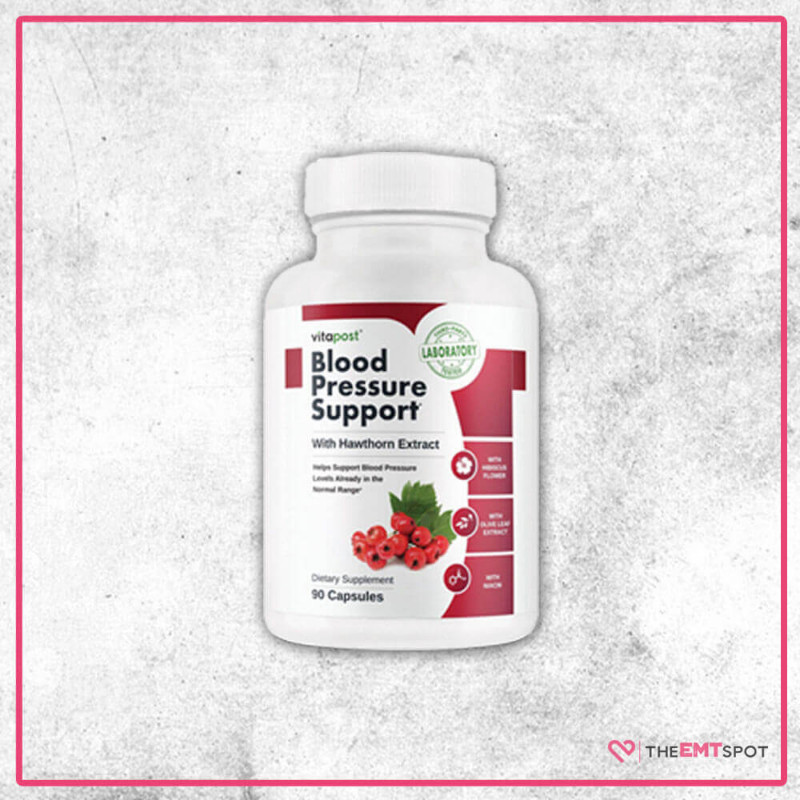
Blood Pressure Support
Blood Pressure Support combines hawthorn berry, olive leaf, hibiscus, and some vitamins like C, B6, B12, niacin, and folate alongside a bunch of other medicinal herbs to support the healthy working of the heart.
Just remember to carefully choose the best supplements that lower blood pressure because when it comes to your heart, there’s no room for risks.
Prehypertension isn’t a condition to take lightly. It may not warrant serious medication, but that can change swiftly.
Therefore, it’s wise to explore your best options.
Consult a physiotherapist before considering medication to make informed choices about your health.
What should you do when your blood pressure is 93/89 mmHg during pregnancy?
If your blood pressure is 93/89 during pregnancy, this falls into the category of elevated blood pressure, previously known as prehypertension.
It may not seem urgent, but even moderately high blood pressure during pregnancy deserves serious attention.
A 2016 study “Prehypertension in Pregnancy and Risks of Small for Gestational Age Infant and Stillbirth” from Uppsala University in Sweden, published in the journal Hypertension, linked elevated blood pressure during pregnancy to a higher risk of complications such as small-for-gestational-age infants and even stillbirth.
More recently, the landmark 2022 CHAP trial (Chronic Hypertension and Pregnancy) dramatically changed the approach to treatment.
It found that treating mild chronic hypertension in pregnancy — starting medication at 140/90 mmHg — led to better outcomes for both mothers and babies.
This overturned the old “wait until it’s 160/110” strategy.
As a result, doctors now intervene earlier in pregnant individuals with chronic high blood pressure to reduce the risk of dangerous complications like preeclampsia, preterm birth, and low birth weight.
If you’re pregnant (or planning to get pregnant) and have elevated blood pressure, it’s essential to work closely with your healthcare provider.
They may recommend the following.
- Lifestyle adjustments and regular monitoring.
- Early treatment if blood pressure continues to rise.
- Low-dose aspirin therapy if you’re considered high-risk, to help prevent preeclampsia — now a standard strategy endorsed by major cardiology and obstetric organizations.
The takeaway
Don’t ignore elevated blood pressure during pregnancy — even if you feel fine. With early care and regular monitoring, you can greatly improve outcomes for both you and your baby.
Is blood pressure 93/89 mmHg high for a male?
For men, a blood pressure of 93/89 mmHg is considered elevated or in the prehypertension stage.
While it’s not yet in the hypertension range, it indicates that you’re at higher risk of developing high blood pressure in the future.
Lifestyle changes and regular monitoring are generally recommended at this stage.
Is blood pressure 93/89 mmHg high for a female?
For women, a blood pressure reading of 93/89 is in the elevated or prehypertension range.
Although it’s not an immediate concern, it does indicate an increased risk for hypertension down the line.
Lifestyle changes and ongoing monitoring are generally the course of action at this point.
Is blood pressure 93/89 mmHg high for an older adult?
It depends. For seniors, blood pressure management is about balance.
While elevated readings like 93/89 mmHg may not sound dramatic, they can still increase the risk of stroke, heart attack, and cognitive decline — even in older adults.
Major studies like the SPRINT trial have shown that adults in their 70s and even early 80s benefit from tighter blood pressure control — often targeting systolic pressure near 120 mmHg — resulting in fewer cardiovascular events and improved survival.
But here’s the nuance.
Doctors don’t always aim for the same strict targets in older, frailer patients. For people over 85 or those with multiple health conditions, pushing blood pressure too low can lead to dizziness, falls, and even hospitalizations.
That’s why many experts now recommend individualized targets in seniors. For example, a systolic BP between 130 and 140 mmHg might be perfectly acceptable for an older adult with limited mobility or balance issues.
The key takeaway?
We don’t ignore elevated blood pressure in older adults — but we manage it with care.
The goal is to lower risk without causing harm, and that means working closely with a doctor to find the right approach based on age, frailty, and overall health.
Is blood pressure 93/89 mmHg high for a child?
It might be. Blood pressure in children is assessed differently than in adults — instead of fixed numbers like 120/80 mmHg, doctors use percentile charts based on age, sex, and height to determine what’s normal and what’s too high.
That means a reading of 93/89 mmHg could be considered elevated or even high, depending on your child’s growth profile.
Elevated blood pressure in kids and teens is more common than you might think. Rising childhood obesity rates have pushed up the numbers — with some studies estimating that 13% of children aged 8 to 17 already have elevated blood pressure.
The American Academy of Pediatrics now recommends routine BP screening at well-child visits starting as early as age 3.
Treatment is usually lifestyle-based, not medication. Doctors typically focus on the following.
- Improving diet, especially reducing sodium.
- Encouraging active play and cutting screen time.
- Supporting healthy weight loss if needed.
- Promoting better sleep habits.
Medications are reserved for more severe or persistent cases.
Why does it matter? Catching high blood pressure early can prevent long-term complications, including full hypertension, heart disease, and other health problems in early adulthood.
If you’re concerned about your child’s blood pressure, consult a pediatrician who can interpret the reading correctly and help you plan next steps.
Is blood pressure 93/89 mmHg high for an adult?
For an adult, a blood pressure of 93/89 mm Hg falls into the elevated or prehypertension category.
This means that you’re at a greater risk for developing hypertension in the future.
Typically, lifestyle modifications like healthier diet and increased exercise are recommended, along with regular monitoring.