| Medically reviewed by Robin Backlund, BHSc
Last update:
A blood pressure of 95/59 mmHg indicates that you are having a HYPOTENSION [LOW BLOOD PRESSURE], which is typically defined as a blood pressure reading below 90/60 mmHg, according to the American Heart Association.
However, blood pressure that’s low for one person might be normal for another, especially if no symptoms are present. Some individuals have readings below 95/59 with no ill effects – explains Mayo Clinic.
That said, this level might signal an immediate health concern if it drops excessively low or is accompanied by symptoms.
It’s vital for all — children, adults, the elderly, and pregnant individuals — to monitor such readings and seek medical consultation when necessary.
Untreated hypotension can lead to dizziness, fainting, or more severe complications.
Remember, blood pressure measurements can vary based on factors such as age, gender, weight, and overall health, and ‘ideal’ readings may differ depending on one’s medical background and existing health conditions.
Was this helpful?

Contents
What does a 95/59 blood pressure mean?
A blood pressure reading of 95/59 indicates low blood pressure, or hypotension — typically defined as a reading below 90/60 mmHg in adults, according to the American Heart Association (AHA).
While hypotension can be harmless in some people, especially if no symptoms are present, it may also signal underlying issues or cause symptoms that affect daily life.
A 2017 study titled “Prevalence of Hypotension and Its Association with Cognitive Function Among Older Adults” (Aging & Mental Health) found that chronic low blood pressure was linked to memory decline and impaired attention, particularly in individuals over 65.
The ideal blood pressure range for most adults is between 90/60 mmHg and 120/80 mmHg.
If blood pressure consistently falls below this range — especially with symptoms — it should be evaluated.
Here is a blood pressure chart according to the latest guidelines of American Heart Association (AHA).
STAGE | SYSTOLIC mm Hg [upper #] | DIASTOLIC mm Hg [lower #] |
Normal Blood Pressure | Less than 120 | Less than 80 |
Elevated Blood Pressure Pre-Hypertension | 120-129 | Less than 80 |
High Blood Pressure Hypertension STAGE 1 | 130-139 | 80-89 |
High Blood Pressure Hypertension STAGE 2 | 140-180 | 90-120 |
Hypertensive Crisis Consult your doctor immediately | Higher than 180 | Higher than 120 |
NOTE
The AHA chart does not define specific categories for low blood pressure. Instead, hypotension is diagnosed when low readings occur with symptoms such as fainting, dizziness, or fatigue.
What does hypotension mean?
Hypotension means that circulating blood doesn’t exert enough pressure to deliver adequate oxygen and nutrients to organs — especially the brain, heart, and kidneys.
This can result in symptoms such as follow.
- Fatigue
- Confusion or brain fog
- Difficulty concentrating
- Blurred vision
- Dizziness or fainting
- Cold, pale skin
- Weak or thready pulse
- Fast and shallow breathing
- Nausea
- Dehydration

In older adults, hypotension can increase the risk of falls, cognitive decline, and even organ damage, particularly if it’s persistent or occurs suddenly.
While some people naturally have low blood pressure without symptoms, others may experience episodes triggered by dehydration, medications, posture changes, illness, or hormonal changes.
Even if symptoms aren’t obvious, chronic hypotension should be monitored by a healthcare provider to prevent complications.
What is the Mean Arterial Pressure (MAP) for a blood pressure of 95/59 mmHg?
The Mean Arterial Pressure (MAP) for a blood pressure of 95/59 mmHg is:
What is the Pulse Pressure (PP) for a blood pressure of 95/59 mmHg?
The Pulse Pressure (PP) for a blood pressure of 95/59 mmHg is:

🚨 Exclusive Offer for TheEMTSpot’s Readers 🚨
Are you looking for a reliable way to monitor your blood pressure at home? Look no further! Introducing the Oxiline Pressure X Pro, your go-to device for accurate and hassle-free readings.
Use code EMTSPOT10 at checkout and get an instant 10% OFF THE PRICE!
Don’t miss out on this limited-time offer. Take control of your health today!
What should you do if you have 95/59 mmHg blood pressure?
Here is a set-by-step procedure to follow when you figure out you have a blood pressure of 95/59 mmHg.
- Get a professional blood pressure evaluation
- Make daily lifestyle changes to support healthy blood pressure
- Consider natural and alternative remedies
- Use medication if lifestyle changes aren’t enough
- Follow a balanced blood pressure-friendly diet
- Watch for other health conditions linked to hypotension
- Use technology to monitor and manage your condition
- Try natural supplements to support healthy blood pressure level
1. Get a professional blood pressure evaluation

If your blood pressure reads 95/59 and you’ve measured it using a home monitor, it’s a good idea to confirm the result at your doctor’s office.
Sometimes, home readings can be inaccurate due to user error, device malfunction, or physical or emotional factors at the time of measurement.
A healthcare provider can verify the accuracy of your readings using calibrated equipment and clinical evaluation.
Doctors often recommend monitoring your blood pressure over a period of 7 to 30 days to identify consistent trends before making a diagnosis.
A 2020 study titled “Masked and white coat hypertension, the double trouble of large arteries: A systematic review and meta‐analysis,” conducted by Christina Antza and her team at the Aristotle University of Thessaloniki, highlights two important phenomena.
- White coat hypertension occurs when blood pressure is elevated in a clinical setting but normal elsewhere.
- Masked hypertension refers to normal readings at the doctor’s office but elevated readings at home or in daily life.
These variations underscore the importance of having your readings assessed by a qualified medical professional who can interpret your results in context and recommend appropriate follow-up.
2. Make daily lifestyle changes to support healthy blood pressure

Even small changes to your routine can significantly improve your overall health and support healthier blood pressure levels.
According to a 2019 review titled “Looking for Trouble: Identifying and Treating Hypotension” published in P&T Journal, the following lifestyle adjustments may help.
- Stay well hydrated. Drinking plenty of water boosts blood volume and supports blood pressure regulation.
- Consider increasing sodium intake (with your doctor’s approval), especially if your current diet is very low in salt.
- Eat small, frequent meals. Large, high-carb meals may cause blood pressure to drop, particularly in older adults.
- Exercise regularly. Aim for about 150 minutes of moderate activity per week. Lower-body strength training helps improve circulation and reduce orthostatic hypotension.
- Avoid standing up too quickly. Rise slowly from lying or sitting positions to prevent sudden drops in blood pressure.
- Try physical counter-maneuvers. If you feel faint while standing, crossing your legs or tightening your thigh muscles can help push blood back toward your heart.
- Maintain a healthy weight. Weight management supports cardiovascular health.
- Create a calm environment. Reducing stress and avoiding anxiety-inducing situations helps stabilize your blood pressure.
- Limit alcohol and stop smoking. Both can negatively affect blood pressure regulation.
3. Consider natural and alternative remedies
Some individuals may find relief through evidence-based natural remedies, although these should always be discussed with a healthcare provider before use.
- Licorice root contains compounds that can help raise blood pressure by increasing sodium and fluid retention. It’s traditionally used for orthostatic hypotension. However, excess intake can lead to high blood pressure or low potassium levels, so use with caution.
- Hawthorn berry and camphor: A European formula combining these ingredients (such as Korodin) has been shown to support people with chronic hypotension and dizziness.
- Panax ginseng: Commonly used in Eastern medicine, it may help raise low blood pressure in some cases, though evidence is mixed.
- Caffeine: Drinking coffee or strong tea can temporarily raise blood pressure, especially helpful in the morning. However, caffeine can cause dehydration, so it’s best consumed in moderation and alongside water.
4. Use medication if lifestyle changes aren’t enough

If lifestyle changes aren’t enough, your doctor might recommend medication to help manage your low blood pressure—especially if you’re feeling dizzy, lightheaded, tired, or fainting frequently.
According to a 2023 clinical review titled “Hypotension: A Clinical Care Review” published in U.S. Pharmacist, the following medications are commonly used to manage hypotension, depending on the underlying cause and how severe the symptoms are.
- Fludrocortisone: This medicine helps your body keep more salt and fluid, which boosts your blood volume and raises blood pressure. It’s often the first option for people with ongoing low BP.
- Midodrine: This drug works by tightening blood vessels, which helps raise blood pressure—especially when standing up. It’s taken as a pill and can help reduce dizziness or fainting.
- Droxidopa: Often used for people with nervous system-related low blood pressure (like in Parkinson’s disease), this medicine helps your body make more of a natural chemical (norepinephrine) that increases blood pressure.
- Other options: In some cases, your doctor might use medications like decongestants (the kind found in cold medicine) to help temporarily raise blood pressure. But these are usually not long-term solutions and may not work for everyone.
The right medicine for you depends on your overall health, any other conditions you have, and how your body responds to treatment.
These medications are sometimes used alone or combined with others if needed.
REMEMBER
Treating the root cause of your low blood pressure is just as important as relieving the symptoms. Your doctor might adjust another medicine you’re already taking or treat an underlying issue like a hormone imbalance or nerve condition.
5. Craft a balanced blood pressure-friendly diet

Diet plays a key role in supporting healthy blood pressure.
For those with hypotension, certain eating habits may help stabilize symptoms and improve circulation.
- Increase sodium (cautiously): If your current salt intake is low, talk to your doctor about whether a modest increase could help raise your BP.
- Drink plenty of water: Staying hydrated helps maintain blood volume and prevent drops in pressure.
- Try small, frequent meals: Avoid large or high-carbohydrate meals, which can trigger post-meal hypotension.
- Limit junk food: Processed foods are often high in carbs and low in nutrients—choose nutrient-dense whole foods instead.
- Supplement if needed: Natural supplements can help fill nutritional gaps, especially for nutrients like B12, folate, or iron that may impact blood pressure.
Some individuals may benefit from moderate caffeine intake, which can temporarily raise blood pressure.
However, this should not be relied on as a long-term solution.
6. Watch for other health conditions linked to hypotension

Low blood pressure can sometimes signal or contribute to other medical issues. When your BP is 95/59 mmHg, it’s important to evaluate whether there’s an underlying condition contributing to it.
Common comorbidities or causes include following.
- Bradycardia (abnormally slow heart rate).
- Heart valve disorders.
- Endocrine conditions like adrenal insufficiency or thyroid dysfunction.
- Chronic infections or anemia.
- Depression, anxiety, or other mental health challenges.
A Norwegian University of Science and Technology study “Association of low blood pressure with anxiety and depression: The Nord‐Trondelag Health Study. Journal of Epidemiology and Community Health” published in 2005 by Bjorn Hildrum, and his team, found that hypotension was associated with fatigue, dizziness, sleep disturbances, and even depression.
These associations reinforce the importance of professional evaluation. Treating hypotension without addressing its root cause may only offer temporary relief.
7. Use technology to monitor and manage your condition
Modern tools make it easier than ever to monitor blood pressure.
- Home monitors: Track your BP regularly and share readings with your doctor. This can help detect patterns and assess responses to treatment.
- Wearable tech: FDA-approved wrist-based monitors and smartwatch innovations are emerging to make BP tracking more accessible on the go. While arm cuffs remain the gold standard, wrist-based options are improving.
- Future tech: Researchers are working on continuous blood pressure tracking devices, like in-ear monitors and ultrasound patches. These technologies may one day offer 24/7 monitoring to warn people at risk of dangerous drops in blood pressure.
These tools empower individuals to take an active role in managing their condition and improve communication with healthcare providers.
8. Try natural dietary supplements to support healthy blood pressure level

Sometimes, managing blood pressure is all about supplementing your body with the right diet. Food is undoubtedly the best primary source to supplement your body.
However, in the current scenario, we all know how much adultered our foodstuff is, and most of us are pushed towards processed foods to feed ourselves in this fast-paced world.
All these food are high in sugar and sodium and doesn’t contain any vital nutrients that are important for a healthy heart.
This is where some of the nutraceutical-based blood pressure supplements come in handy. These products combine all critical nutrients your heart craves, thereby assisting the better function of your cardiovascular system.
A team of researchers (M. Moradi, M. Asadi-Samani, M. Bahmani) from Shahrekord University of Medical Sciences in Iran in their report “Hypotensive medicinal plants according to Ethnobotanical evidence of Iran: A Systematic Review” compiled a list of medicinal botanicals with anti-hypotensive capabilities.
Today, most nutraceutical blood pressure supplements are made using these botanicals as their major ingredients.
Generally, these supplements are a concoction of herbs, plant-based products, dairy products, and some animal products. They are 100% organic and natural and don’t contain any harmful chemicals.
If you are hearing about these segments of products for the first time, to start with, you may blindly go for Blood Pressure Support from Vita Balance Inc.
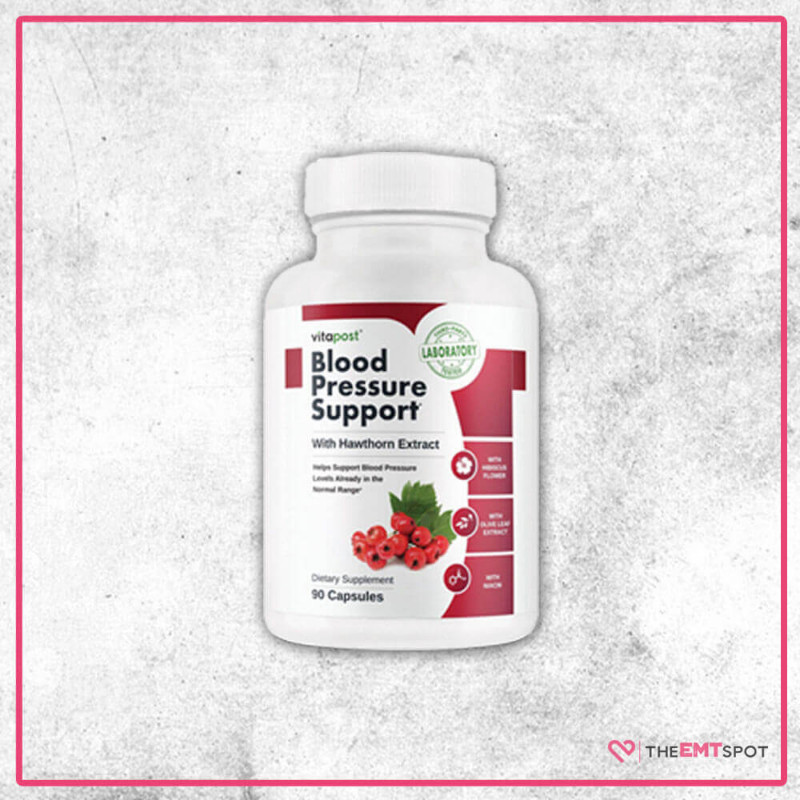
Blood Pressure Support
Blood Pressure Support combines hawthorn berry, olive leaf, hibiscus, and some vitamins like C, B6, B12, niacin, and folate alongside a bunch of other medicinal herbs to support the healthy working of the heart.
The only one thing to keep in mind is that choose the best supplement that promote healthy blood pressure, because when it comes to the heart, there is no taking of risk!
Low Blood Pressure or hypotension is not a problem to be made light of. If done so, it will only lead to more complications shortly. Rather than disregarding this problem, consulting with a professional physiotherapist will do you no harm.
Together, you can come up with the best solutions for you, especially when your blood pressure reading is 95/59 mmHg.
What should you do when your blood pressure is 95/59 mmHg during pregnancy?
If you’re pregnant and your blood pressure is at 95/59 mmHg, it’s considered low.
During pregnancy — especially in the second trimester — blood pressure naturally drops due to hormonal changes and increased blood volume, as reported by Medical News Today.
That said, a clinical review titled “Does low maternal blood pressure during pregnancy increase the risk of perinatal death?” from Creighton University School of Medicine, published in 2007 in the journal Epidemiology (Cambridge, Mass.), found that maternal hypotension was associated with an increased risk of perinatal death after analyzing 41,089 singleton pregnancies.
However, more recent data offers some reassurance.
A 2023 population-based study, published in Frontiers in Cardiovascular Medicine, which evaluated over 40,000 pregnancies, found that persistently low blood pressure in late pregnancy (e.g., <100/60 mmHg) was not linked to adverse outcomes for mother or baby.
This suggests that chronically low BP in an otherwise healthy pregnancy may be a normal adaptation — but symptoms like dizziness, fainting, or blurred vision still warrant medical attention.
Is blood pressure 95/59 mmHg too low for a men?
For men, a blood pressure of 95/59 mmHg is generally considered low.
A reading like this may be caused by dehydration, medication side effects, or cardiovascular conditions.
However, some men may have naturally low readings without symptoms — and in such cases, no treatment may be needed.
This aligns with guidance from the Mayo Clinic, which explains as follow.
“Blood pressure that’s low for one person might be normal for another, especially if no symptoms are present.”
If you experience dizziness, fatigue, or fainting, it’s best to seek a full evaluation from your healthcare provider.
Is blood pressure 95/59 mmHg too low for a women?
For women, a reading of 95/59 mmHg is also considered low.
Women are more likely to experience nausea, lightheadedness, cold extremities, or trouble concentrating when blood pressure drops.
Hormonal fluctuations, pregnancy, or restrictive diets can contribute to this.
As noted by the Mayo Clinic, if no symptoms are present, low readings like this may not require treatment — but if symptoms do arise, medical evaluation is recommended.
Is blood pressure 95/59 mmHg too low for an elderly?
In elderly individuals, a blood pressure of 95/59 mmHg can be particularly concerning.
They are more likely to develop orthostatic hypotension, defined as a drop of ≥20 mmHg systolic or ≥10 mmHg diastolic within 3 minutes of standing, which can cause dizziness, fainting, and falls.
A 2023 review in LIDSEN Journal of Geriatric Medicine, titled “Orthostatic Hypotension in Older Adults”, notes that even asymptomatic hypotension may be linked to increased risks of cognitive decline, dementia, and overall mortality in this age group.
That’s why hypotension in seniors should always be taken seriously and managed with medical guidance.
Is blood pressure 95/59 mmHg too low for a children?
For children, a blood pressure of 95/59 mmHg might be low, depending on their age, height, and overall health status.
A widely accepted clinical rule is as below.
Systolic BP < 70 + (2 × age in years) for children aged 1 to 10. For example, an 8-year-old child would be hypotensive if systolic pressure is below 86 mmHg.
According to a 2016 study titled “Blood pressure percentile charts to identify high or low blood pressure in children”, published in BMC Pediatrics by Ashish Banker, Cynthia Bell, Monesha Gupta-Malhotra, and Joshua Samuels, pediatric thresholds are very different from adult norms.
Consistently low readings below these age-adjusted cutoffs should be evaluated by a pediatrician, especially if accompanied by tiredness, dizziness, or developmental delays.
Is blood pressure 95/59 mmHg too low for an adult?
For most adults, a blood pressure reading of 95/59 mmHg is classified as low.
The American Heart Association defines hypotension as anything below 90/60 mmHg.
However, treatment is only needed if it causes symptoms like dizziness, fainting, blurry vision, or fatigue — or if it’s linked to an underlying condition.
Mild hypotension without symptoms is often not a cause for concern and may be completely normal for some individuals.