| Medically reviewed by Robin Backlund, BHSc
Last update:
A blood pressure of 95/65 mmHg indicates that you have NORMAL BLOOD PRESSURE, aligning with the American Heart Association (AHA) guidelines, which define the ideal range as between 90/60 mmHg and 120/80 mmHg.
This classification is supported by the AHA/ACC 2023 clinical update, which also emphasizes that maintaining systolic pressure near 110 mmHg may reduce lifetime cardiovascular risk by up to 30%, particularly when achieved before midlife (JAMA Cardiology, 2023).
Such a reading is generally considered healthy across diverse populations — including children, adults, older adults, and pregnant individuals — although specific effects and risks can vary depending on context.
For example, 90/60 mmHg sits at the lower edge of normal and may cause symptoms like dizziness or fatigue in some individuals, particularly those who are underweight, elderly, or taking medications.
By contrast, 120/80 mmHg is classified as high-normal and is typically well tolerated, but may indicate early vascular changes in individuals with elevated cardiovascular risk.
While both ends of this “normal” spectrum are broadly healthy, individual sensitivity, baseline health status, and vascular adaptability play important roles in how the body responds.
This is why it remains important to monitor your blood pressure regularly, even when it falls within the normal range.
Blood pressure can fluctuate based on age, sex, weight, lifestyle, stress levels, and underlying medical conditions.
What is “ideal” for one person may not be optimal for another — especially when considering personalized cardiovascular risk profiles.
Was this helpful?

Contents
What does a 95/65 blood pressure mean?
The blood pressure reading 95/65 mmHg falls within the normal range, as defined by leading medical organizations.
According to the Seventh Report of the Joint National Committee (JNC 7) on Prevention, Detection, Evaluation, and Treatment of High Blood Pressure, a reading between 90/60 mmHg and 120/80 mmHg is considered clinically normal and low-risk for heart disease.
Here is a blood pressure chart according to the latest guidelines from the American Heart Association (AHA).
STAGE | SYSTOLIC mm Hg [upper #] | DIASTOLIC mm Hg [lower #] |
Normal Blood Pressure | Less than 120 | Less than 80 |
Elevated Blood Pressure Pre-Hypertension | 120-129 | Less than 80 |
High Blood Pressure Hypertension STAGE 1 | 130-139 | 80-89 |
High Blood Pressure Hypertension STAGE 2 | 140-180 | 90-120 |
Hypertensive Crisis Consult your doctor immediately | Higher than 180 | Higher than 120 |
The European Society of Cardiology (ESC/ESH 2023) uses slightly different terminology.
It classifies 110–119/70–79 mmHg as “optimal” — a distinct subcategory within normal blood pressure that is associated with the lowest observed risk for heart attack, stroke, and cardiovascular mortality.
These values align with outcomes from the STEP trial (NEJM, 2021), which showed that elderly patients maintained at systolic values near 110 mmHg experienced significantly fewer cardiovascular events and better long-term outcomes.
A reading of 95/65 mmHg typically indicates that your heart is functioning efficiently, with no immediate concern for strain or structural damage.
In this state, blood applies an optimal level of force on the vessel walls, allowing for the effective circulation of oxygen-rich blood throughout the body.
This range reflects a balance that supports the cardiovascular system and signals that your lifestyle, diet, and overall health are contributing positively to heart function.
That said, readings at the lower end (e.g., 90/60 mmHg) may cause lightheadedness, dizziness, or fatigue in some individuals — particularly the elderly, underweight, or those on specific medications.
Conversely, readings near the higher end (e.g., 120/80 mmHg) may require closer monitoring, especially if you have risk factors for diabetes, heart disease, or kidney dysfunction.
Still, both ends of the normal range are generally considered safe and healthy for most people.
Maintaining a normal blood pressure supports your body in several important ways.
- Protects against heart failure and coronary artery disease.
- Helps stabilize blood sugar and endocrine function.
- Supports healthy weight regulation.
- Reduces the risk of kidney damage.
- Balances electrolyte and mineral levels.
- Lowers the long-term risk of stroke.
What is the Mean Arterial Pressure (MAP) for a blood pressure of 95/65 mmHg?
The Mean Arterial Pressure (MAP) for a blood pressure of 95/65 mmHg is:
What is the Pulse Pressure (PP) for a blood pressure of 95/65 mmHg?
The Pulse Pressure (PP) for a blood pressure of 95/65 mmHg is:
MAP is calculated as (Systolic + 2 × Diastolic) ÷ 3 and should normally fall between 70–100 mmHg.
A value within this range typically suggests adequate blood flow to your vital organs.
According to a 2022 review published in Hypertension, MAP values within the upper-normal range are particularly supportive of stable kidney and cerebral perfusion, especially in older adults.
Pulse Pressure (PP) is the difference between systolic and diastolic pressure.
A normal PP is between 30–50 mmHg and reflects how much force your heart generates with each beat.
Recent findings in Circulation Research (2022) also associate normal-range pulse pressure with lower arterial stiffness and improved left ventricular function, particularly in middle-aged and elderly populations.
If your MAP and PP are within these ranges and you’re symptom-free, this is a strong indicator of healthy cardiovascular function.

🚨 Exclusive Offer for TheEMTSpot’s Readers 🚨
Are you looking for a reliable way to monitor your blood pressure at home? Look no further! Introducing the Oxiline Pressure X Pro, your go-to device for accurate and hassle-free readings.
Use code EMTSPOT10 at checkout and get an instant 10% OFF THE PRICE!
Don’t miss out on this limited-time offer. Take control of your health today!
What should you do if you have 95/65 blood pressure?
Here is a set-by-step procedure to follow when you figure out you have a blood pressure of 95/65 mmHg.
- Verify blood pressure with a doctor.
- Maintain blood pressure with healthy habits.
- Avoid unnecessary medications.
- Craft a balanced blood pressure-friendly diet.
- Evaluate the need for additional heart health tests.
- Support with natural supplements.
1. Verify blood pressure with a doctor

If your reading is 95/65 mmHg and was taken at home, it’s still advisable to have it confirmed in a clinical setting.
A healthcare provider can evaluate whether your measurement is accurate and clinically relevant, as home readings may sometimes be misleading due to device inaccuracies, user error, or temporary physical/emotional factors.
Physicians often recommend monitoring over 7 to 30 days to detect variability before making a formal assessment.
A 2020 study titled “Masked and White Coat Hypertension: The Double Trouble of Large Arteries” (Journal of Clinical Hypertension) identified two important patterns.
- White coat hypertension: elevated readings in a clinical setting but normal at home
- Masked hypertension: normal readings in the clinic but elevated elsewhere
Both are influenced by physiological and psychological factors, underscoring the importance of professional validation.
In fact, the U.S. Preventive Services Task Force (USPSTF, 2023) now recommends that all new hypertension diagnoses — even borderline or normal readings — be confirmed with out-of-office measurements, such as 24-hour ambulatory blood pressure monitoring (ABPM) or 7-day home blood pressure monitoring (HBPM).
This protocol is especially important for individuals with risk factors like diabetes, chronic kidney disease, or a family history of hypertension.
Even with a normal reading, you should consult a healthcare provider if you experience unusual symptoms such as fatigue, dizziness, or irregular heartbeat, as these may signal underlying cardiovascular or endocrine issues not detectable from a single blood pressure measurement.
2. Maintain blood pressure with healthy habits

A blood pressure reading of 95/65 mmHg is considered healthy and falls within the normal range.
However, even a normal reading can shift over time, depending on your lifestyle, stress levels, and overall health.
That’s why it’s important to adopt habits that promote long-term cardiovascular stability.
According to Harvard Health Publishing, the following six strategies are evidence-backed ways to help maintain healthy blood pressure.
- Eat balanced meals rich in vegetables, fruits, and whole grains.
- Exercise regularly, according to your age and health status.
- Regulate salt intake — not too much, and not too little.
- Avoid smoking and limit alcohol to moderate levels.
- Prioritize quality sleep and daily relaxation time.
- Use supplements only when needed and under medical supervision.
In addition, the American Heart Association’s 2023 “Life’s Essential 8™” framework highlights that blood pressure control depends not only on diet and activity but also on the following.
- Blood sugar regulation.
- Cholesterol management.
- Overall metabolic and cardiovascular fitness.
This reflects growing clinical consensus that metabolic health plays a central role in managing vascular tone, arterial stiffness, and autonomic balance.
Individuals with well-controlled glucose and lipid levels are significantly less likely to develop hypertension — even as they age.
If your reading is at the lower end of the normal range (e.g., around 90/60 mmHg) and you experience symptoms like dizziness or fatigue, your doctor may recommend the following.
- Increasing fluid intake.
- Slightly adjusting your salt consumption.
- Evaluating for orthostatic changes or nutrient imbalances.
The goal is to maintain a blood pressure level that is not only within range, but also stable, symptom-free, and protective of long-term cardiovascular health.
3. Avoid unnecessary medications

For most people with a blood pressure reading of 95/65 mmHg, medications are not required.
However, if you’re already taking medication that may affect your blood pressure, always consult your doctor before making any changes.
Instead of pharmacological intervention, you can often focus on these.
- Regular workouts or light physical activity.
- A balanced diet.
- Stress management.
- Routine health checkups and blood pressure monitoring.
These non-pharmacological approaches are especially effective at this stage — yet they are often overlooked in clinical practice.
A 2021 meta-analysis from the University of Pisa, titled “Is Mindfulness-Based Stress Reduction Effective for People with Hypertension?”, found that techniques such as yoga, meditation, body scans, and breathwork led to measurable reductions in blood pressure and improved autonomic regulation.
Building on this, the SPRINT trial (2021 extended follow-up) showed that targeting a systolic BP near 110–115 mmHg in older adults significantly reduced the incidence of heart attacks, strokes, and cardiovascular death — often without the need for medication in lower-risk populations.
These findings support the idea that structured, non-drug interventions can help maintain blood pressure in the optimal range, particularly in individuals with otherwise stable cardiovascular profiles.
While people with hypertension or hypotension may need active treatment, those with readings in the normal range usually don’t.
That said, passive efforts to preserve your current level — such as stress management, hydration, and nutrient support — remain essential.
Water pills (diuretics) are occasionally prescribed based on electrolyte assessments, but in most individuals with normal blood pressure, they are unnecessary and may even cause unwanted fluid shifts.
If you’re not keen on vigorous exercise, gentle movement, breath-focused activity, and nutritional optimization can offer long-term cardiovascular benefits without pharmacological risks.
Your blood pressure and overall health are directly influenced by what you eat. A consistent, nutrient-rich diet not only helps regulate blood pressure but also supports heart, kidney, and brain function over time.
Below are essential dietary practices to help maintain your blood pressure within the normal range.
- Regulate sodium intake. Sodium is essential for body function but can raise blood pressure when consumed in excess. Watch for both visible and hidden salt sources, such as processed foods, and adjust your intake according to medical advice.
- Limit caffeine consumption. Caffeine can cause short-term spikes in blood pressure, especially in sensitive individuals. Keep intake moderate and observe how your body responds.
- Stay well hydrated. Drinking enough water helps stabilize blood volume and electrolyte levels, both of which are important for vascular tone and blood pressure control.
- Limit alcohol intake. Excessive alcohol can lower blood pressure unpredictably and contribute to dehydration. Moderate use may be tolerated in some people, but complete avoidance is often best if you’re managing cardiovascular health.
- Use herbs and spices for natural support. Incorporate blood pressure–friendly herbs such as garlic, turmeric, basil, and cinnamon to enhance flavor without relying on salt. Many have mild vasodilatory or antioxidant effects.
- Supplement when clinically necessary. If your diet lacks key nutrients like magnesium, potassium, or CoQ10, supplements may offer added support. Always consult your doctor or dietitian before beginning supplementation.
5. Evaluate the need for additional heart health tests

A blood pressure reading of 95/65 mmHg is reassuring and typically reflects good cardiovascular function. But does it guarantee you’re in perfect heart health?
Not necessarily.
While blood pressure is a key indicator of vascular health, it is not a standalone predictor of overall cardiovascular risk. Some individuals may experience a heart attack or develop arterial blockages without any major change in blood pressure — or may even present with low readings during acute events.
In clinical settings, doctors often supplement blood pressure assessments with additional diagnostic tools, especially in the following situations.
- You have risk factors such as diabetes, high cholesterol, or a family history of heart disease.
- You experience symptoms like chest discomfort, shortness of breath, or irregular heartbeat.
- You’re over the age of 45 and haven’t had a recent cardiovascular evaluation.
Tests commonly used to assess heart health more comprehensively include following.
- Electrocardiogram (ECG) to evaluate heart rhythm and electrical activity.
- Echocardiography to assess heart structure and function.
- Blood panels for lipid profile, glucose levels, and inflammation markers.
- Stress testing or calcium scoring, depending on your risk level.
According to the American College of Cardiology, adults over 45 years of age should undergo a routine heart health assessment every three years, even if their blood pressure is within the normal range.
6. Support with natural supplements

Managing blood pressure often begins with nutrition — and food remains the best primary source of cardiovascular support.
However, in today’s environment of heavily processed foods and agricultural additives, many people consume meals that are high in sodium and sugar but low in essential micronutrients like magnesium, potassium, and omega-3s.
This is where nutraceutical-based blood pressure supplements can provide meaningful support.
These products are typically formulated with a blend of herbal extracts, vitamins, and naturally derived compounds that support vascular health, electrolyte balance, and endothelial function.
High-quality supplements are as follow.
- Plant- or herb-based (e.g., hawthorn, hibiscus, garlic).
- Free from synthetic chemicals.
- Often fortified with heart-protective vitamins like C, B6, B12, niacin, and folate.
If you’re new to this category, a trusted place to start is Blood Pressure Support by Vita Balance Inc.
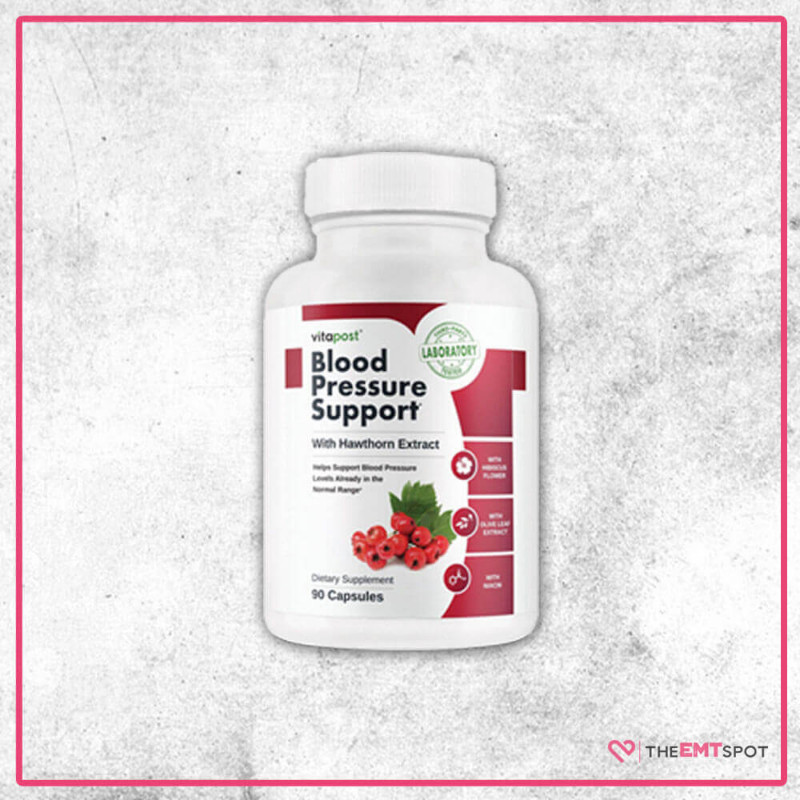
Blood Pressure Support
Blood Pressure Support combines hawthorn berry, olive leaf, hibiscus, and some vitamins like C, B6, B12, niacin, and folate alongside a bunch of other medicinal herbs to support the healthy working of the heart.
A 2023 meta-analysis published in the British Journal of Clinical Pharmacology confirmed that nutraceuticals such as magnesium, CoQ10, garlic extract, hibiscus, and omega-3 fatty acids were associated with a mean systolic reduction of 4–7 mmHg in people with elevated blood pressure.
While modest, these effects contribute meaningfully to cardiovascular wellness when combined with healthy lifestyle habits.
The only thing to keep in mind is to always choose clinically validated and reputable products — because when it comes to your heart, there’s no room for risk.
If your blood pressure is around 95/65 mmHg, you’re already within the ideal range — and maintaining your current regimen may be all you need.
In a separate review titled “New Concepts in Nutraceuticals as Alternative for Pharmaceuticals” published by Isfahan University of Medical Sciences in the International Journal of Preventive Medicine (2014), researchers concluded that certain nutraceutical compounds may offer safer and more sustainable alternatives to pharmaceuticals in the long-term management of heart health.
You now know which areas of your health deserve focus — and how nutrition and supplementation can play a role in maintaining optimal blood pressure.
What should you do when your blood pressure is 95/65 mmHg during pregnancy?
A blood pressure of 95/65 during pregnancy generally falls within the normal range.
However, blood pressure can fluctuate throughout pregnancy, and it’s important to consult with your healthcare provider for regular check-ups to ensure both maternal and fetal well-being.
During the first and second trimesters, blood pressure often drops slightly due to increased progesterone and vascular relaxation.
Lower-normal values (such as 90/60 mmHg or 110/70 mmHg) are common in mid-pregnancy and are typically not a concern unless accompanied by symptoms like dizziness, blurred vision, or fatigue.
These values are also associated with a lower risk of complications such as preeclampsia.
According to the ACOG Practice Bulletin (2022), systolic blood pressure should ideally remain below 120 mmHg during pregnancy unless a formal diagnosis of hypertension is made.
A report titled “Hypertension in Pregnancy” by the American College of Obstetricians and Gynecologists, published in 2013 in the Journal of Obstetrics & Gynecology, reinforces the importance of consistent monitoring for maternal and fetal safety throughout gestation.
While 95/65 is usually not a cause for concern, it’s wise to keep track of your readings and report any sudden changes or symptoms to your doctor.
Is blood pressure 95/65 mmHg normal for a men?
For men, a blood pressure reading of 95/65 is generally considered to be within the normal range.
A healthy lifestyle — especially with regard to diet, exercise, and stress regulation — strongly influences how this reading holds over time.
However, individual medical history and cardiovascular risk factors may require closer monitoring, even within the normal range.
Regular check-ups are recommended to detect early changes.
Is blood pressure 95/65 mmHg normal for a women?
For women, a blood pressure of 95/65 mmHg is generally considered to be in the normal range.
Hormonal changes — such as pregnancy, menopause, or oral contraceptive use — can influence blood pressure regulation and should be monitored regularly.
According to Cedars-Sinai (2020), women may experience vascular damage at slightly lower systolic pressures than men.
This supports the idea that a target of 110–115 mmHg may be especially protective in many women, even if higher readings are still considered clinically normal.
Regular monitoring and routine follow-up with a healthcare provider are key to maintaining long-term heart health.
Is blood pressure 95/65 mmHg normal for an elderly?
In elderly individuals, a blood pressure of 95/65 is generally considered to be good.
Blood pressure naturally tends to rise with age, so a reading like 95/65 may be excellent for an otherwise healthy older adult.
However, blood pressure can fluctuate due to various factors such as medication, stress, and other health conditions.
Regular check-ups are recommended, especially for elderly individuals who are more prone to cardiovascular and other age-related health issues.
Is blood pressure 95/65 mmHg normal for a children?
For children, the normal range for blood pressure can vary depending on age, height, and gender.
A reading like 95/65 mmHg might be normal for older children or teenagers, but could be considered high for infants or toddlers.
The American Academy of Pediatrics (AAP) and the National Heart, Lung, and Blood Institute (NHLBI) published guidelines in 2017 to help define pediatric hypertension thresholds.
In teenagers, a reading of 95/65 is generally normal or low-normal, depending on body size and age group. Use percentile charts from AAP 2017 to determine clinical relevance.
If a child’s blood pressure is consistently higher than what’s expected for their age, gender, and height on three separate occasions, they are said to have hypertension.
Systolic | Diastolic | |
Newborns up to 1 month | 60–90 mm Hg | 20–60 mm Hg |
Infant | 87–105 mm Hg | 53–66 mm Hg |
Toddler | 95–105 mm Hg | 53–66 mm Hg |
Preschooler | 95–110 mm Hg | 56–70 mm Hg |
School-aged child | 97–112 mm Hg | 57–71 mm Hg |
Adolescent | 112–128 mm Hg | 66–80 mm Hg |
Is blood pressure 95/65 mmHg normal for an adult?
For adults, a blood pressure of 95/65 mmHg is generally considered to be within the normal range.
What’s considered “normal” can vary slightly from person to person depending on age, lifestyle, stress levels, and any existing health conditions.
Even within the healthy range, it’s still important to monitor your blood pressure regularly and have routine check-ups to ensure your cardiovascular system is functioning optimally.
This approach helps detect subtle changes early — before they become problems.
Frequently Asked Questions
What is considered a normal blood pressure range?
Normal blood pressure typically falls between 90/60 mmHg and 120/80 mmHg, according to the American Heart Association. Anything below or above this range may warrant closer monitoring or medical advice.
Can you still have symptoms with normal blood pressure?
Yes. Even within the normal range, some people — especially those near 90/60 mmHg — may feel dizzy, tired, or lightheaded, particularly when standing up quickly or during hot weather.
Is 90/60 too low to be healthy?
Not necessarily. 90/60 mmHg is still considered normal, but it’s on the lower end of the spectrum. If you’re asymptomatic, it’s likely fine. However, if you feel faint or weak, consult a doctor.
Is 120/80 mmHg too high if it’s still in the normal range?
No. 120/80 mmHg is considered high-normal, but still healthy. That said, it’s close to the threshold for “elevated blood pressure,” so maintaining healthy habits is important.
Do normal readings mean I’m safe from heart disease?
While normal readings suggest a lower risk, they don’t guarantee you’re free from heart disease. Other factors like cholesterol, blood sugar, and genetics also matter.
Should I still monitor my blood pressure if it’s normal?
Absolutely. Regular monitoring helps detect early changes before they become serious. It’s especially important if you have a family history of hypertension or cardiovascular disease.
Can normal blood pressure vary between men, women, and children?
Yes. For example, blood pressure tends to rise with age, and children have their own age-specific norms. Hormonal changes in women (e.g., menopause) can also affect readings.
What if my blood pressure is normal but I feel unwell?
Even with normal numbers, symptoms like fatigue, chest pain, or irregular heartbeat should be discussed with a healthcare provider. Other conditions could be at play.
Do I need to take supplements if my blood pressure is normal?
Not necessarily. A balanced diet and healthy lifestyle are usually enough. However, if you’re nutrient-deficient or at risk of cardiovascular issues, supplements may be helpful — consult your doctor.
Is white coat hypertension possible with normal home readings?
Yes. Some people have elevated readings in a medical setting but normal readings at home. This is known as white coat hypertension and can still carry long-term risks.