| Medically reviewed by Robin Backlund, BHSc
Last update:
A blood pressure reading of 142/75 mmHg indicates that you are at a STAGE 2 HYPERTENSION, as defined by the latest guidelines from the American Heart Association. This stage includes readings from 140/90 mmHg up to 180/120 mmHg.
Reaching this level means your heart and blood vessels are under serious strain — and you should consult a medical professional immediately. In some cases, this may even require hospitalization.
This is not a rare condition. In fact, nearly 1 in 2 adults now has high blood pressure, and most don’t have it under control. According to recent data, only about 1 in 5 people with high blood pressure maintain readings in the healthy range. That means the majority are either unaware or unable to manage it effectively.
Stage 2 hypertension can affect anyone — including children, adults, the elderly, and pregnant individuals — and ignoring it could lead to life-threatening problems such as stroke, heart failure, kidney damage, or vision loss.
Blood pressure is also affected by many things like age, weight, lifestyle, and stress levels, and what’s considered “normal” can vary from person to person. But one thing is certain — a reading of 142/75 mmHg is too high for anyone.
Was this helpful?
Watch, or listen the video if you don’t want to read it.
Contents
What does a 142/75 blood pressure mean?
A blood pressure value of 142/75 mmHg clearly indicates that the person is experiencing stage 2 hypertension.
This occurs when blood pressure readings are 140 mmHg or higher for systolic, and/or 90 mmHg or higher for diastolic.
Below is the current blood pressure chart based on the latest guidelines from the American Heart Association.
STAGE | SYSTOLIC mm Hg [upper #] | DIASTOLIC mm Hg [lower #] |
Normal Blood Pressure | Less than 120 | Less than 80 |
Elevated Blood Pressure Pre-Hypertension | 120-129 | Less than 80 |
High Blood Pressure Hypertension STAGE 1 | 130-139 | 80-89 |
High Blood Pressure Hypertension STAGE 2 | 140-180 | 90-120 |
Hypertensive Crisis Consult your doctor immediately | Higher than 180 | Higher than 120 |
With a reading of 142/75 mmHg, your blood pressure is well beyond the ideal range, placing you at serious risk of heart disease, stroke, and other complications — especially if it’s not addressed quickly.
According to recent health data, only about 22% of people with high blood pressure in the U.S. have their readings under control. That means most people with stage 2 hypertension are living with dangerous numbers every day, whether they realize it or not.
Globally, the situation is just as concerning. The World Health Organization estimates that over 1.3 billion people now live with hypertension, and more than 700 million of them are untreated. Many have no symptoms at all — which is why high blood pressure is often called the “silent killer.”
One study, “Double the Prevalence of Stage 2 Hypertension Readings in a Small Group of American Pre-clinical Medical Students…” published in Cureus, found that even young adults are not immune — 17% of the sample had stage 2 hypertension, showing how this condition can start earlier than expected.
In stage 2 hypertension, the force of blood pushing through your arteries is so high that it can damage vessels, strain the heart, and increase the chances of an artery rupturing or forming a dangerous clot.
This level of blood pressure is not something to “wait and see” — it usually requires immediate medical attention and proper treatment.

Below are some symptoms that may indicate the presence of 142/75 blood pressure levels.
- Intense nausea and dizziness.
- Shallow breathing and difficulty in breathing.
- Heavy sweating and blurred vision.
- Nosebleeds.
- Blood spots in the eyes.
- Increased body weight.
What causes stage 2 hypertension?
A blood pressure reading of 142/75 mmHg doesn’t happen out of nowhere. It’s usually the result of several lifestyle, environmental, or medical factors building up over time.
While genetics and age play a role, most of the time, high blood pressure develops from things we do — or don’t do — in our daily lives.
Here are the most common and newly recognized risk factors that may contribute to stage 2 hypertension:
- Chronic stress, anxiety, or depression. Mental health and heart health are more connected than ever before. A 2023 study from Massachusetts General Hospital found that people with anxiety or depression develop heart disease risk factors — including high blood pressure — up to six months earlier than those without these conditions.
- Lack of sleep or poor sleep quality. If you’re regularly sleeping less than 6–7 hours a night, especially over long periods, your risk of hypertension rises significantly. A 2024 meta-analysis published in Hypertension confirmed that poor sleep increases the risk of high blood pressure — particularly in women. This includes people with insomnia or disrupted sleep patterns.
- Unhealthy diet. Diets high in sodium (salt), added sugars, and processed foods can raise your blood pressure. On the flip side, not getting enough potassium — which helps regulate blood pressure — can also be a problem.
- Lack of physical activity. A sedentary lifestyle slows circulation, increases weight, and weakens heart health — all of which drive up blood pressure over time.
- Weight gain and obesity. Carrying excess weight increases the workload on your heart and blood vessels. The more weight you gain, the higher your chances of hitting stage 2.
- Smoking and alcohol. These habits not only damage your blood vessels but also interfere with how your body regulates pressure and oxygen. Both are linked to higher blood pressure readings.
- Environmental factors. Long-term exposure to air pollution or even consistent loud noise (like heavy traffic or industrial settings) has now been officially recognized by the 2023 European Society of Cardiology guidelines as a contributing factor to long-term blood pressure elevation.
- Family history. If high blood pressure runs in your family, you may be more likely to develop it — but that doesn’t mean it can’t be managed or prevented.
High blood pressure doesn’t always come with symptoms. That’s why it’s critical to know your risks and check your blood pressure regularly — even if you feel fine.
What is the Mean Arterial Pressure (MAP) for a blood pressure of 142/75 mmHg?
The Mean Arterial Pressure (MAP) for a blood pressure of 142/75 mmHg is:
What is the Pulse Pressure (PP) for a blood pressure of 142/75 mmHg?
The Pulse Pressure (PP) for a blood pressure of 142/75 mmHg is:

🚨 Exclusive Offer for TheEMTSpot’s Readers 🚨
Are you looking for a reliable way to monitor your blood pressure at home? Look no further! Introducing the Oxiline Pressure X Pro, your go-to device for accurate and hassle-free readings.
Use code EMTSPOT10 at checkout and get an instant 10% OFF THE PRICE!
Don’t miss out on this limited-time offer. Take control of your health today!
What should you do if you have 142/75 blood pressure?
Here is a set-by-step procedure to follow when you figure out you have a blood pressure of 142/75 mmHg.
- Verify blood pressure with a doctor
- Use smart tools to monitor your blood pressure at home
- Adopt these lifestyle changes immediately
- Consider using blood pressure medications
- Craft a balanced blood pressure-friendly diet
- Monitor for additional health conditions associated with stage 2 hypertension
- Support with natural supplements
1. Verify blood pressure with a doctor

A trained professional must assess your condition and confirm that your 142/75 reading is accurate and consistent.
High blood pressure isn’t officially diagnosed based on one reading alone — especially if it was taken in a high-stress moment or with an unreliable device.
Modern guidelines now recommend measuring blood pressure over several days, ideally using either home blood pressure monitoring (HBPM) or ambulatory blood pressure monitoring (ABPM).
These methods give a more complete picture of your blood pressure throughout the day, including during sleep, rest, and activity.
- Home monitoring involves using an arm cuff at home to take readings in the morning and evening for several days.
- Ambulatory monitoring uses a wearable device that checks your BP every 15–30 minutes over a 24-hour period, providing doctors with detailed data.
This helps detect issues like following.
- White coat hypertension — when your blood pressure rises only in medical settings.
- Masked hypertension — when it’s normal in the clinic but elevated at home or work.
In a study “Masked and white coat hypertension, the double trouble of large arteries: A systematic review and meta‐analysis” by Aristotle University of Thessaloniki (2020), researchers found that these “hidden” forms of hypertension significantly increase the risk of heart and vascular complications if not caught early.
Note about wearables and apps: Some smartwatches and phone apps claim to measure blood pressure without a cuff. But according to recent expert guidelines, these cuffless devices are not yet reliable for diagnosing hypertension. They may give inaccurate results or require regular calibration with a traditional cuff. For now, stick to a validated upper-arm cuff monitor for accurate home readings.
2. Use smart tools to monitor your blood pressure at home
Managing stage 2 hypertension isn’t only about taking medications and changing your lifestyle — it’s also about staying on top of your numbers day after day.
Luckily, technology is catching up. Over the past few years, several new tools have emerged to help people track their blood pressure more easily — even from home.
Here are some of the most promising:
- Remote monitoring programs: Many clinics and hospitals now offer systems where you can send your home blood pressure readings straight to your doctor through an app or secure portal. This became especially popular during the COVID-19 pandemic and continues to help people who can’t visit the clinic regularly.
- FDA-cleared wearable patches: In 2024, the FDA approved the first cuffless wearable blood pressure monitor — a small patch that tracks your readings throughout the day. These devices aren’t yet widely available but represent a big step forward in how we manage hypertension.
- Smart cuffs and connected devices: Some blood pressure cuffs now connect to your phone or tablet via Bluetooth. They log your readings, generate charts, and even send reminders to take your next measurement — making it easier to spot trends and share results with your healthcare provider.
- Apps and digital coaches: Many health apps now include blood pressure tracking and even “virtual coaching” features to help you stay consistent. Some apps offer alerts, daily tips, or even sync with your medication schedule.
Keep in mind: While these tools are helpful, they work best when combined with medical guidance. Don’t rely solely on apps or wearables to manage your condition — use them as support tools, not substitutes for professional care.
3. Adopt these lifestyle changes immediately

A blood pressure level of 142/75 mmHg is a serious warning sign — but that doesn’t mean you’re powerless. Lifestyle changes aren’t just helpful… they’re proven to lower blood pressure significantly, sometimes as effectively as a medication.
Even small changes can create big results. Here’s what you should start doing right away:
- Follow the DASH diet. This eating plan is rich in vegetables, fruits, whole grains, and lean proteins — and it’s been shown to lower systolic blood pressure by up to 11 mmHg, according to the DASH-Sodium trial published by the National Heart, Lung, and Blood Institute.
- Boost your potassium intake. Potassium helps balance out the effects of sodium and supports heart health. A 2021 global meta-analysis confirmed that increasing potassium intake significantly reduces blood pressure — especially when combined with sodium reduction. Try bananas, spinach, beans, sweet potatoes, and yogurt — but ask your doctor first if you have kidney issues.
- Get moving. Aim for at least 30 minutes of moderate physical activity most days of the week. Brisk walking, cycling, or even dancing at home can strengthen your heart and lower pressure.
- Lose extra weight. Dropping even 5 to 10 pounds can have a noticeable impact on your blood pressure. Every step toward a healthy weight counts.
- Cut back on salt. Ideally, keep sodium intake under 1,500 mg per day. Avoid canned soups, fast food, deli meats, and salty snacks.
- Get better sleep. Poor sleep raises stress hormones and increases blood pressure. A 2024 study published in Hypertension found that people sleeping under 6 hours a night had an 11% higher risk of developing high blood pressure — especially women. Aim for 7–9 hours of quality sleep each night.
- Manage stress. Meditation, breathing exercises, journaling, or even regular hobbies can help reduce daily tension. Chronic stress is a silent contributor to high blood pressure.
- Avoid alcohol and stop smoking. Both raise your blood pressure and harm blood vessel health. Quitting makes a difference, even within weeks.
- Use apps to stay on track. A 2023 review in The Lancet Digital Health showed that smartphone apps and digital coaching tools helped people improve medication adherence and saw modest but consistent reductions in blood pressure.
These changes work best when they’re consistent — not perfect.
Don’t try to do everything at once. Pick one or two changes to start, then build from there. Your heart will thank you for every step.
4. Consider using blood pressure medications

For someone dealing with stage 2 hypertension, medication is often essential. With a blood pressure reading of 142/75 mmHg, your health is already under significant strain — and waiting it out without proper treatment is not an option.
According to the latest treatment guidelines, most people with stage 2 hypertension will need more than one medication from the very beginning.
Doctors often start with a combination of two drugs to bring blood pressure down more quickly and effectively. Fortunately, many of these are available as single-pill combinations, which makes it easier to stick with the treatment plan.
Here are some of the most commonly prescribed medication types for lowering blood pressure:
- Diuretics (water pills): Help your body remove extra salt and water, reducing overall fluid volume and lowering pressure in your blood vessels.
- ACE Inhibitors or Angiotensin II Receptor Blockers (ARBs): Relax and widen blood vessels by blocking a hormone that causes narrowing.
- Calcium Channel Blockers: Prevent calcium from entering the cells of the heart and blood vessel walls, helping vessels stay relaxed and open.
- Beta Blockers: Reduce your heart rate and the amount of force your heart uses to pump blood (often used when other heart conditions are present).
- Alpha Blockers and Vasodilators: Help by relaxing or widening blood vessels to improve blood flow.
Every person responds differently to medication. That’s why your doctor may try different combinations or dosages to find what works best for you. Don’t be surprised — or discouraged — if it takes a few adjustments.
Taking more than one medication doesn’t mean you’re failing. It’s actually the standard approach for people with higher readings, and using a combination (especially in a single pill) often leads to faster, more reliable results.
What’s next in hypertension treatment?
Researchers are now exploring new medications that could make blood pressure control even easier in the future.
- Lorundrostat is a promising pill currently in trials that targets a hormone called aldosterone, which plays a key role in raising blood pressure — especially in people with obesity-related hypertension.
- Zilebesiran is an experimental injectable that uses gene-silencing technology to lower blood pressure. In early trials, a single shot reduced BP for up to 6 months.
These treatments aren’t available yet, but they show that better, longer-lasting options are on the way.
5. Craft a balanced blood pressure-friendly diet

Your diet plan can majorly increase the possibility of you recovering from the problem of high blood pressure.
If you eat what is healthy and helpful for you and diverge from the usage of products that increase blood pressure, this will serve to be extremely beneficial for your overall health.
Harvard School of Medicine on the article “Beating High Blood Pressure with Food” provides a list of recommended foods aimed at helping you control your hypertension with minimal reliance on medications.
- Cut your sodium intake: Excess sodium in the body leads to water or fluid retention within the body. This, in turn, leads to the possible risk of heart attack and stroke. Therefore, immediately cut your salt intake.
- No caffeine: Caffeine products are known to increase blood pressure in individuals. This can be harmful to the health of the said individual, especially when you have 142/75 blood pressure.
- No sweeteners: A large sugar intake can lead to diabetes and high blood pressure. When both problems are aligned together, these serve to be a dangerous outcome for the individual.
- Hydrating fluids: Support the intake of fluids in large quantities. This will help in the retention of sodium, as well as help regulate the increased blood pressure.
- Herbs and spices: Some natural herbs and spices are known to help in the regulation of blood pressure in individuals. If you were to introduce the usage of these in your diet, these would benefit your greatly.
6. Monitor for additional health conditions associated with stage 2 hypertension

With a blood pressure of 142/75 mmHg, you are at risk of several other diseases, which can be harmful, while high blood pressure won’t alone be a risk.
A research “Diabetes, Hypertension, and Cardiovascular Disease: Clinical Insights and Vascular Mechanisms” conducted at the University of Glasgow, and published in 2018 on The Canadian Journal of Cardiology, has pinpointed diabetes as the primary factor exacerbating stage 1 hypertension, potentially diminishing the effectiveness of alternative treatments.
Various conditions such as obesity, sleep apnea, stress, or depression, among others, can contribute to an elevation in your blood pressure.
You need to be extra careful, especially if you check any of the below conditions listed.
- Medical history of heart diseases.
- Diabetes.
- Massive weight gain.
- High intake of sodium salts.
- Old age.
- Indulging in situations full of stress and anxiety.
- Not supporting a proper diet and exercise routine.
7. Support with natural supplements

Sometimes managing blood pressure is all about supplementing your body with the right diet. Food is undoubtedly the best primary source to supplement your body.
However, in the current scenarios, we all know how much adultered our foodstuff is, and most of us are pushed towards processed foods to feed ourselves in this fast-paced world.
All these food are high in sugar and sodium and doesn’t contain any vital nutrients that are important for a healthy heart.
This is where some of the nutraceutical-based blood pressure supplements come in handy. These products combine all critical nutrients your heart craves, thereby assisting the better function of your cardiovascular system.
Generally, these supplements are a concoction of herbs, plant-based products, dairy products, and some animal products. They are 100% organic and natural and don’t contain any harmful chemicals.
Research study “Vitamins C and E: Beneficial effects from a mechanistic perspective” from 2011, published in the journal Free Radical Biology and Medicine, indicates that vitamins C, E, and D sourced from herbs are inclined to have a greater potential for lowering blood pressure in individuals with stage 1 hypertension.
If you are hearing about these segments of products for the first time, to start with, you may blindly go for Blood Pressure Support from Vita Balance Inc.
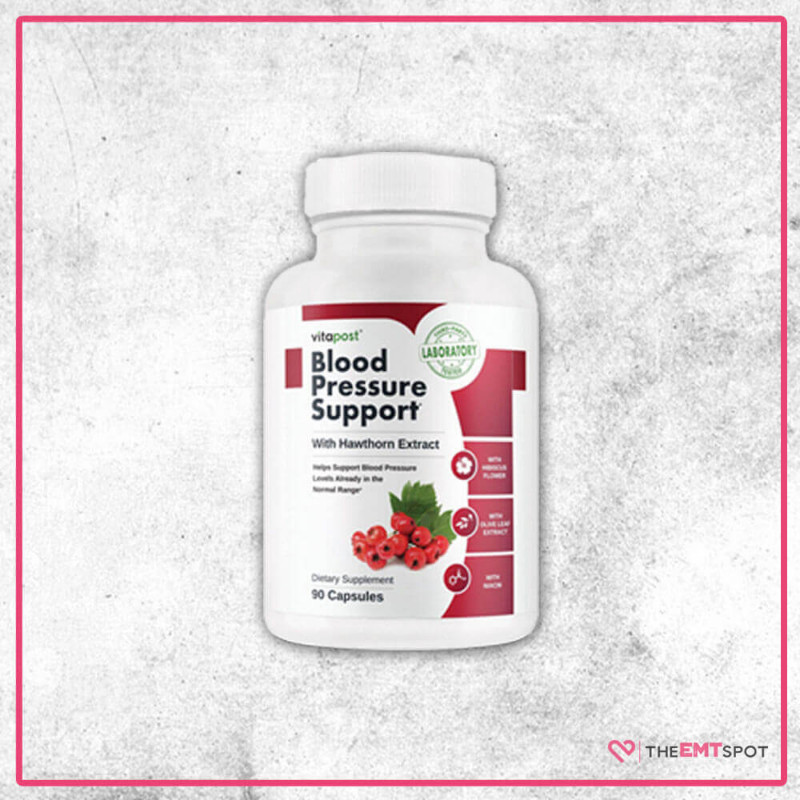
Blood Pressure Support
Blood Pressure Support combines hawthorn berry, olive leaf, hibiscus, and some vitamins like C, B6, B12, niacin, and folate alongside a bunch of other medicinal herbs to support the healthy working of the heart.
The only one thing to keep in mind is that choose the best supplement supporting healthy blood pressure, because when it comes to the heart, there is no taking of risk!
Stage 2 hypertension in itself is a serious enough blood pressure problem.
Proper medication happens to be the only way to bring this problem within the check in a short period.
Therefore, if you support the likelihood of having high blood pressure, it is recommended that you consult a physiotherapist.
What should you do when your blood pressure is 142/75 mmHg during pregnancy?
If your blood pressure is 142/75 mmHg during pregnancy, it’s an emergency situation requiring immediate medical attention.
This is considered a hypertensive crisis and places both the mother and the baby at serious risk.
According to the NIH article “High Blood Pressure – Pregnancy and High Blood Pressure”, the mother might experience a sudden spike in blood pressure, which might look similar to stage 2 hypertension, and this condition, especially during the gestational period, requires medical attention.
Prompt evaluation and treatment are essential to prevent complications such as preeclampsia, premature delivery, or even stroke.
Head directly to the nearest emergency room or call an ambulance.
Is blood pressure 142/75 mmHg too high for a male?
Yes, a blood pressure of 142/75 is exceptionally high for men and falls under the category of hypertensive crisis.
Immediate medical attention is crucial to prevent life-threatening complications such as stroke, heart attack, or organ failure.
If you find yourself with this reading, seek emergency medical help immediately.
Is blood pressure 142/75 mmHg too high for a female?
Absolutely, a blood pressure reading of 142/75 mmHg is exceedingly high for women and represents a hypertensive crisis. Immediate medical intervention is vital to avert serious risks such as stroke or heart failure.
If this is your reading, go to the nearest emergency room or call an ambulance without delay.
Is blood pressure 142/75 mmHg too high for an elderly?
Yes, for an elderly individual, a blood pressure reading of 142/75 mmHg is dangerously high and a medical emergency.
The risk of severe complications, including heart failure and stroke, increases substantially.
Immediate medical evaluation and treatment are necessary, so call for emergency assistance right away.
Is blood pressure 142/75 mmHg too high for children?
For children, a blood pressure of 142/75 mmHg is alarmingly high and is a medical emergency.
The American Academy of Pediatrics (AAP) provides guidelines “Clinical Practice Guideline for Screening and Management of High Blood Pressure in Children and Adolescents” to determine if a child’s blood pressure is too high.
A reading of 142/75 is considered very high, despite the child’s age, sex, and height percentile.
High blood pressure in children can be a precursor to hypertension and cardiovascular issues in adulthood, necessitating early intervention and lifestyle modifications.
Is blood pressure 142/75 mmHg too high for an adult?
A blood pressure reading of 142/75 is extremely high for an adult and signifies a hypertensive crisis.
This is a medical emergency that requires immediate intervention to prevent critical complications like stroke, heart attack, or organ failure.
Emergency medical treatment is crucial; do not wait.