
Blood pressure, made clear
Know what your blood pressure means
Enter your reading for an instant, easy-to-understand result based on current adult blood pressure categories.
Adult BP categories
2025 AHA/ACCSee where your blood pressure reading falls
Instant interpretation
Blood pressure calculator
For informational purposes only. This tool does not diagnose a condition or replace professional medical advice.
The complete reference
Blood pressure categories at a glance
Blood pressure chart: compare systolic and diastolic values to see which adult blood pressure category a reading falls into. A reading is classified by whichever number places it in the higher category; expand a row for more detail.
Blood pressure ranges by systolic and diastolic values
Use the table below for a quick comparison of common blood pressure categories and their systolic and diastolic ranges. For recommended actions, detailed explanations and guidance for each range, see our complete blood pressure chart.
A single reading does not confirm a diagnosis. High blood pressure categories reflect the 2025 AHA/ACC adult framework; low blood pressure is commonly considered below 90/60 mmHg, but symptoms and your usual baseline matter.
Before you press start
How to measure blood pressure accurately at home
Small details can change the result. Follow the same routine each time so your readings are easier to compare.
Avoid caffeine, smoking and exercise for 30 minutes. Empty your bladder and use a validated upper-arm monitor.
Keep your back supported, feet flat, legs uncrossed and your bare arm supported at heart level.
Do not talk or use your phone. Keep the cuff still while the monitor is running.
Take two readings one minute apart. Record both and share your trend with your healthcare professional.
Understand the numbers
What systolic and diastolic blood pressure numbers mean
Blood pressure changes throughout the day. A pattern of careful readings is more useful than one isolated result.
Systolic pressure reflects the force against artery walls when the heart contracts and sends blood through the body.
Diastolic pressure reflects the force against artery walls while the heart relaxes and fills again.
When a reading is very high
What to do if your blood pressure is very high
For a reading above 180/120, wait at least one minute and measure again. If it remains that high, contact a healthcare professional immediately.
If the reading is higher than 180/120 and you have chest pain, shortness of breath, back pain, numbness, weakness, vision changes or difficulty speaking.
Reading library
Most common blood pressure readings
Explore frequently searched values with their category, possible meaning and recommended next step.
Learn the essentials
Blood pressure basics
Start with the core topics—from understanding each number to managing hypertension and hypotension at home.
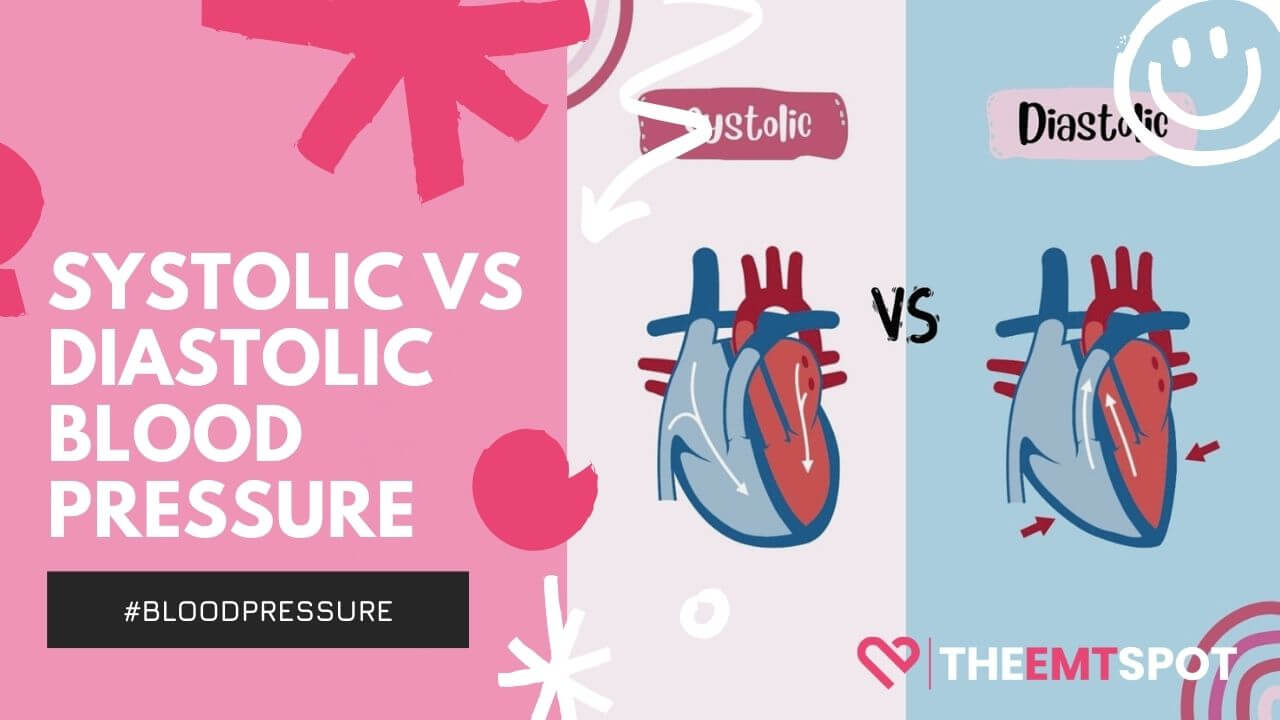 GUIDE
GUIDESystolic vs diastolic blood pressure
Understand what each number measures and why both matter when interpreting a reading.
Read guide ↗ GUIDE
GUIDEHigh blood pressure (hypertension)
Learn what can raise blood pressure and how hypertension is monitored and managed.
Read guide ↗ GUIDE
GUIDELow blood pressure (hypotension)
Explore common causes, symptoms and practical steps for recurring low readings.
Read guide ↗ GUIDE
GUIDEHow to lower blood pressure
Review evidence-based habits that support healthier blood pressure over time.
Read guide ↗ GUIDE
GUIDEBlood pressure medication types
See the main medication classes and how clinicians use them to manage hypertension.
Read guide ↗ GUIDE
GUIDEHow to take blood pressure at home
Choose a suitable monitor and follow a repeatable routine for more reliable readings.
Read guide ↗Clinical editorial team
Written and reviewed by cardiovascular specialists
TheEMTSpot content is authored or reviewed by clinicians and health educators with experience in cardiovascular care, prevention and patient education.

Dr. Harrison leads TheEMTSpot with a focus on preventive heart care and clear patient education.

Interventional cardiologist at St. Michael's Hospital, Toronto, supervising clinical accuracy across the site.

Registered Dietitian providing evidence-based guidance for cardiovascular nutrition and blood pressure management.
Risk screening
What is your hypertension risk level?
Hypertension affects 1 in 3 adults and produces no symptoms in the majority of cases. The quiz below assesses your personal risk based on age, weight, lifestyle, and family history.
6 quick questions
This quiz is an educational screening aid, not a diagnosis. Discuss your risk factors and readings with a healthcare professional.
Quick answers
Common blood pressure questions
Clear, practical answers for home monitoring. Your clinician's advice should always take priority for your individual health.