Nine classes of blood pressure medications are prescribed for hypertension and hypotension, each working through a distinct mechanism to reduce cardiovascular risk.
Blood pressure medication type, name, and dose depend on the patient’s specific diagnosis, comorbidities, age, and response to prior treatment.
Leading guidelines from the American Heart Association (AHA) and the European Society of Cardiology (ESC) recommend starting treatment for high blood pressure with a combination of two medications, ideally combined into a single pill (polypill), rather than beginning with monotherapy alone.
What are the types of blood pressure medications?
Blood pressure medications range from agents acting directly on blood vessels to those regulating cardiac cell function and fluid balance.
All classes reduce blood pressure, lowering the risk of heart disease, stroke, and kidney damage.
Each medication type works through a distinct mechanism and is selected based on the patient’s health profile and comorbidities.
The nine main classes of blood pressure medications, as recognized by the Mayo Clinic, are listed below.
Each medication class acts through a distinct pharmacological mechanism and is selected based on individual health profile and medical history.
1. Angiotensin-converting enzyme (ACE) Inhibitors
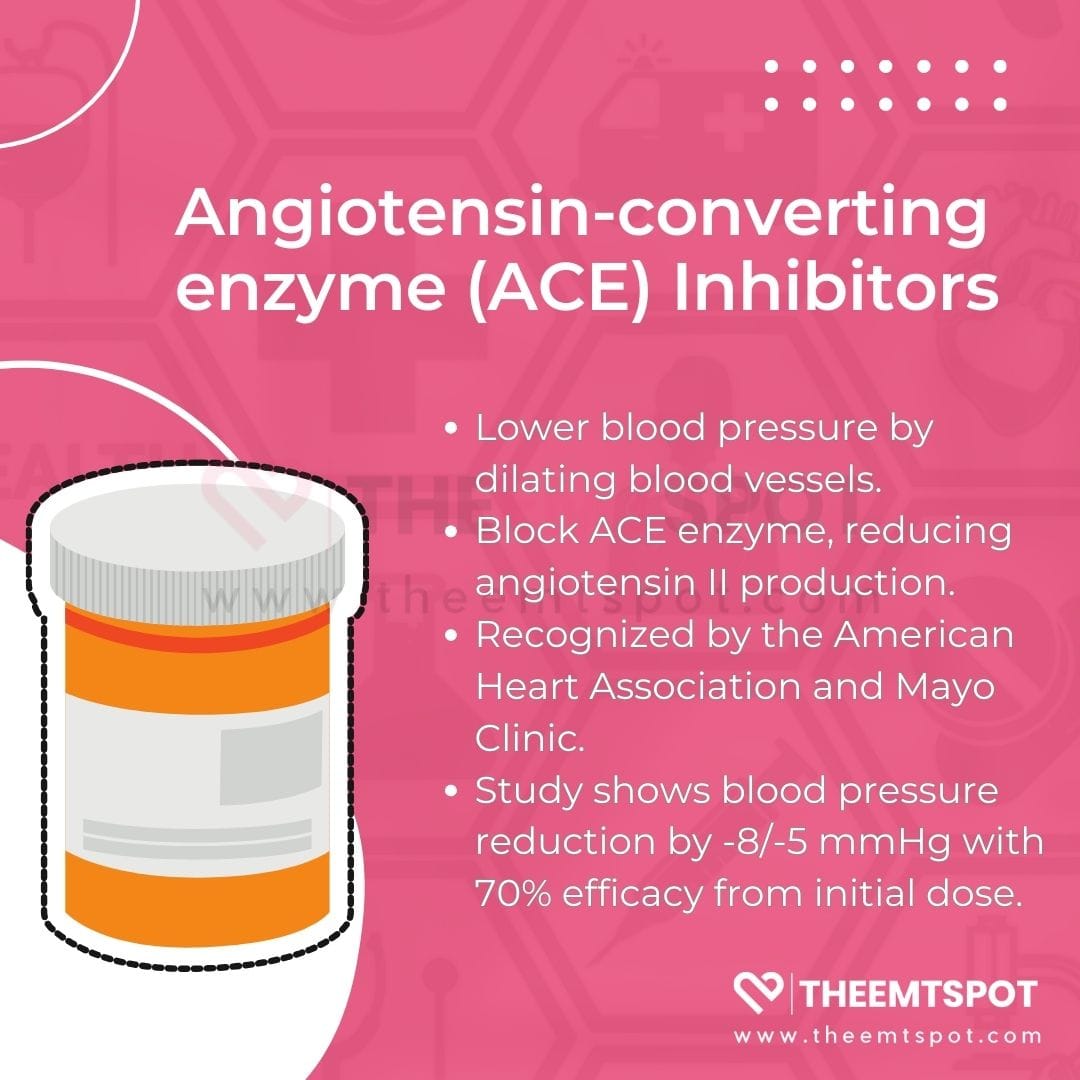
ACE inhibitors lower blood pressure by blocking the enzyme that converts angiotensin I into angiotensin II, a hormone that constricts blood vessels.
A Cochrane systematic review by researchers at the University of British Columbia confirmed an average blood pressure reduction of 8/5 mmHg, with 60 to 70% of that effect achieved at the lowest recommended starting dose.
ACE inhibitors are a first-line choice for hypertension, particularly in patients with diabetes, heart failure, or chronic kidney disease, where they also provide organ-protective effects beyond blood pressure reduction.
The most commonly prescribed ACE inhibitors include lisinopril, enalapril, ramipril, and captopril.
A persistent dry cough is the most characteristic side effect, occurring in up to 20% of patients and frequently prompting a switch to an ARB.
For full prescribing details, contraindications, drug interactions, and dosing guidance, see the ACE inhibitors guide.
2. Diuretics (water pills)
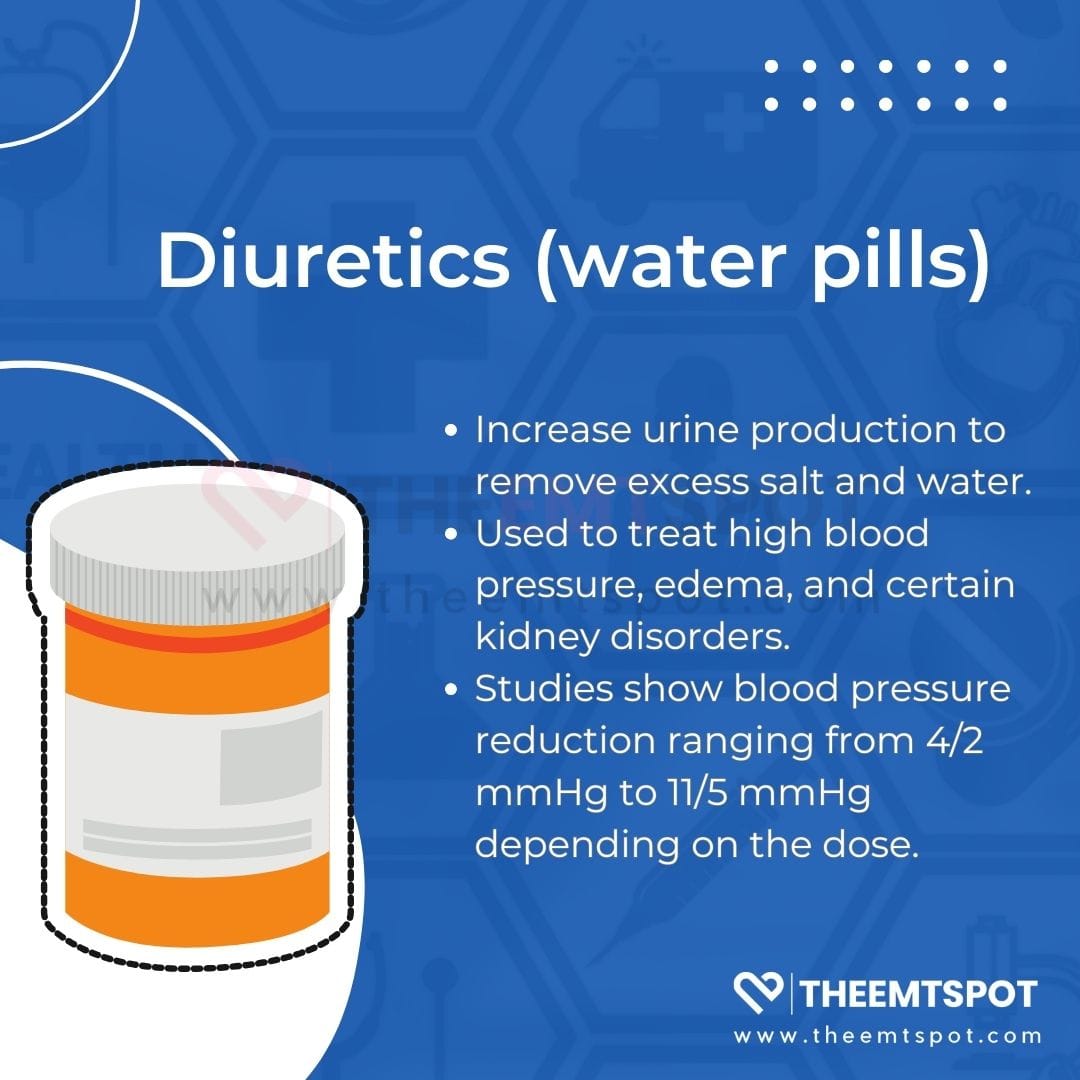
Diuretics lower blood pressure by promoting the excretion of excess sodium and water through urine, reducing blood volume and the pressure it exerts on vessel walls.
Thiazide diuretics, primarily hydrochlorothiazide and chlorthalidone, are the most prescribed subclass for hypertension and are considered a first-line option across most major treatment guidelines.
The Diuretics Comparison Project (DCP), led by Dr. Jackson Wright and colleagues and published in JAMA 2022, found no significant difference in major cardiovascular outcomes between chlorthalidone and hydrochlorothiazide, though chlorthalidone carried a slightly higher risk of electrolyte imbalances.
Common side effects include increased urination, electrolyte imbalances (particularly low potassium with thiazides), dizziness, and elevated blood glucose in patients with diabetes.
For full prescribing details, subclass comparisons, contraindications, and drug interactions, see the diuretics guide.
3. Angiotensin II receptor blockers (ARBs)
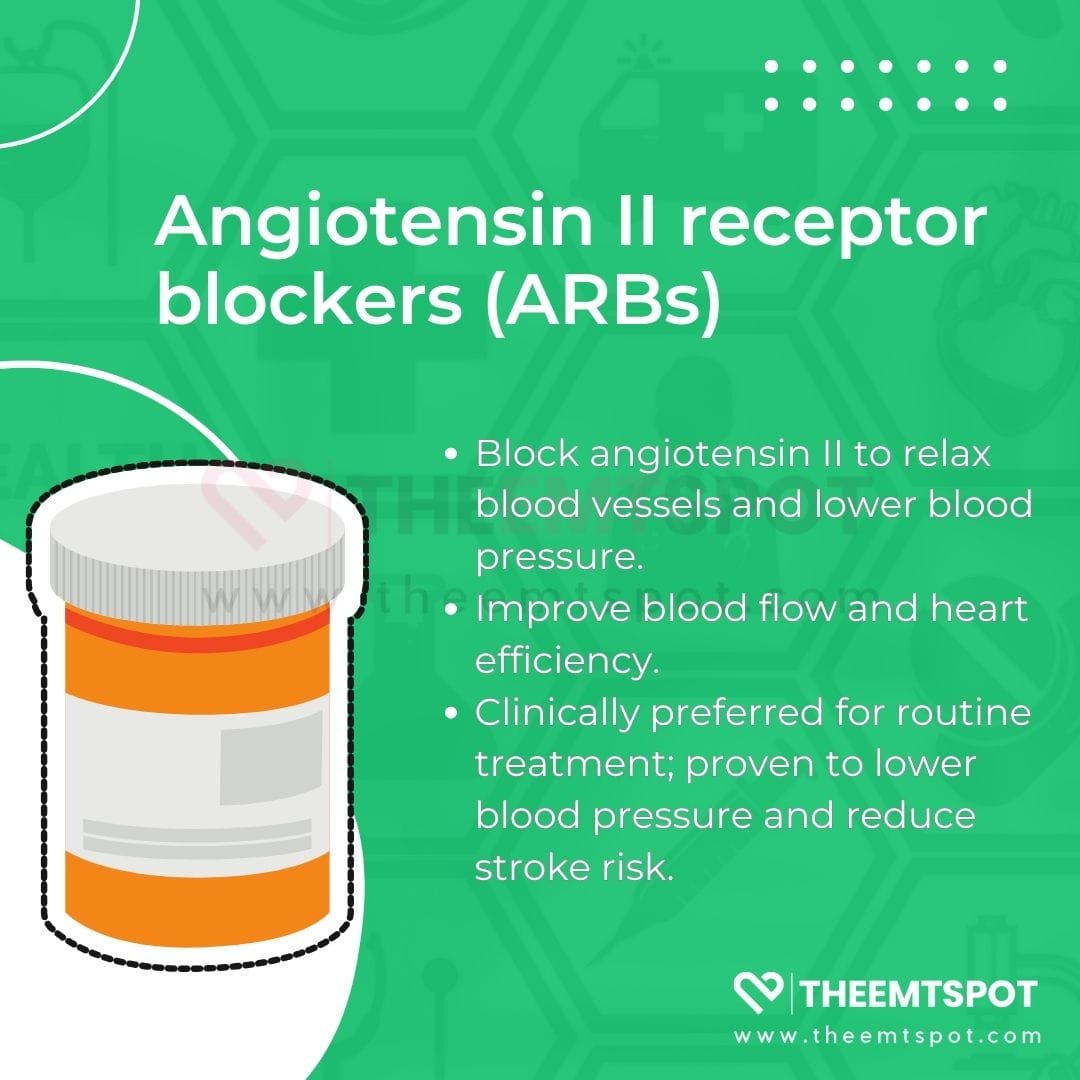
Angiotensin II receptor blockers (ARBs) act at the same point in the renin-angiotensin system as ACE inhibitors but block the angiotensin II receptor directly rather than preventing angiotensin II production.
ARBs produce equivalent blood pressure reduction to ACE inhibitors and offer the same kidney- and heart-protective benefits, but rarely cause the persistent dry cough that leads many patients to discontinue ACE inhibitor therapy.
The most commonly prescribed ARBs are losartan, valsartan, and irbesartan, each differing slightly in duration of action and receptor binding affinity.
ARBs are contraindicated in pregnancy and require caution in patients with severe kidney disease or hyperkalemia, as they elevate potassium levels similarly to ACE inhibitors.
For full prescribing details, contraindications, drug interactions, and a comparison with ACE inhibitors, see the ARBs guide.
4. Alpha-blockers

Alpha-blockers reduce blood pressure by blocking alpha-1 adrenergic receptors in blood vessel walls, preventing norepinephrine from triggering vasoconstriction.
Alpha-blockers are not recommended as a first-line antihypertensive agent; evidence from the ALLHAT trial showed higher rates of cardiovascular events compared to thiazide diuretics when used as primary therapy.
A clinically important dual benefit applies in men with benign prostatic hyperplasia (BPH), where alpha-blockers such as doxazosin and terazosin simultaneously reduce blood pressure and improve urinary flow.
Orthostatic hypotension is the most significant side effect, particularly pronounced with the first dose, requiring the initial dose to be taken at night with a slow rise the following morning.
For full prescribing details, subclass comparisons, contraindications, and drug interactions, see the alpha-blockers guide.
5. Alpha-beta-blockers
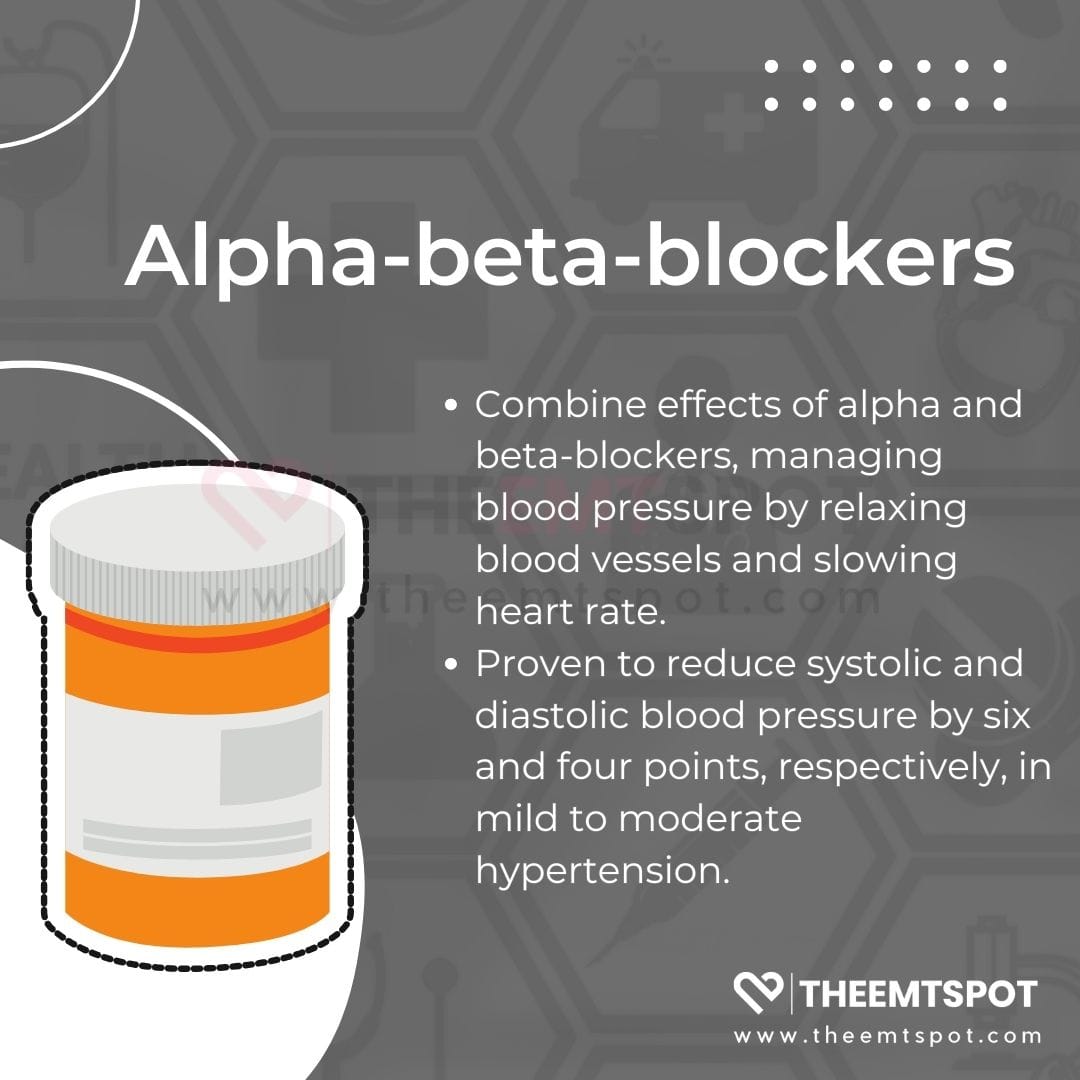
Alpha-beta-blockers combine the mechanisms of both drug classes: blocking alpha-1 receptors to relax blood vessels while simultaneously blocking beta receptors to reduce heart rate and cardiac output.
Carvedilol and labetalol are the two most prescribed agents in this class, with labetalol also used intravenously for hypertensive emergencies and as a safer antihypertensive option during pregnancy.
Alpha-beta-blockers are reserved for specific indications including heart failure, post-myocardial infarction management, and hypertension requiring combined receptor blockade.
Common side effects include dizziness, fatigue, slow heart rate, and in patients with asthma, a risk of bronchospasm from the beta-blocking component.
For full prescribing details, contraindications, pregnancy safety data, and drug interactions, see the alpha-beta-blockers guide.
6. Beta-blockers
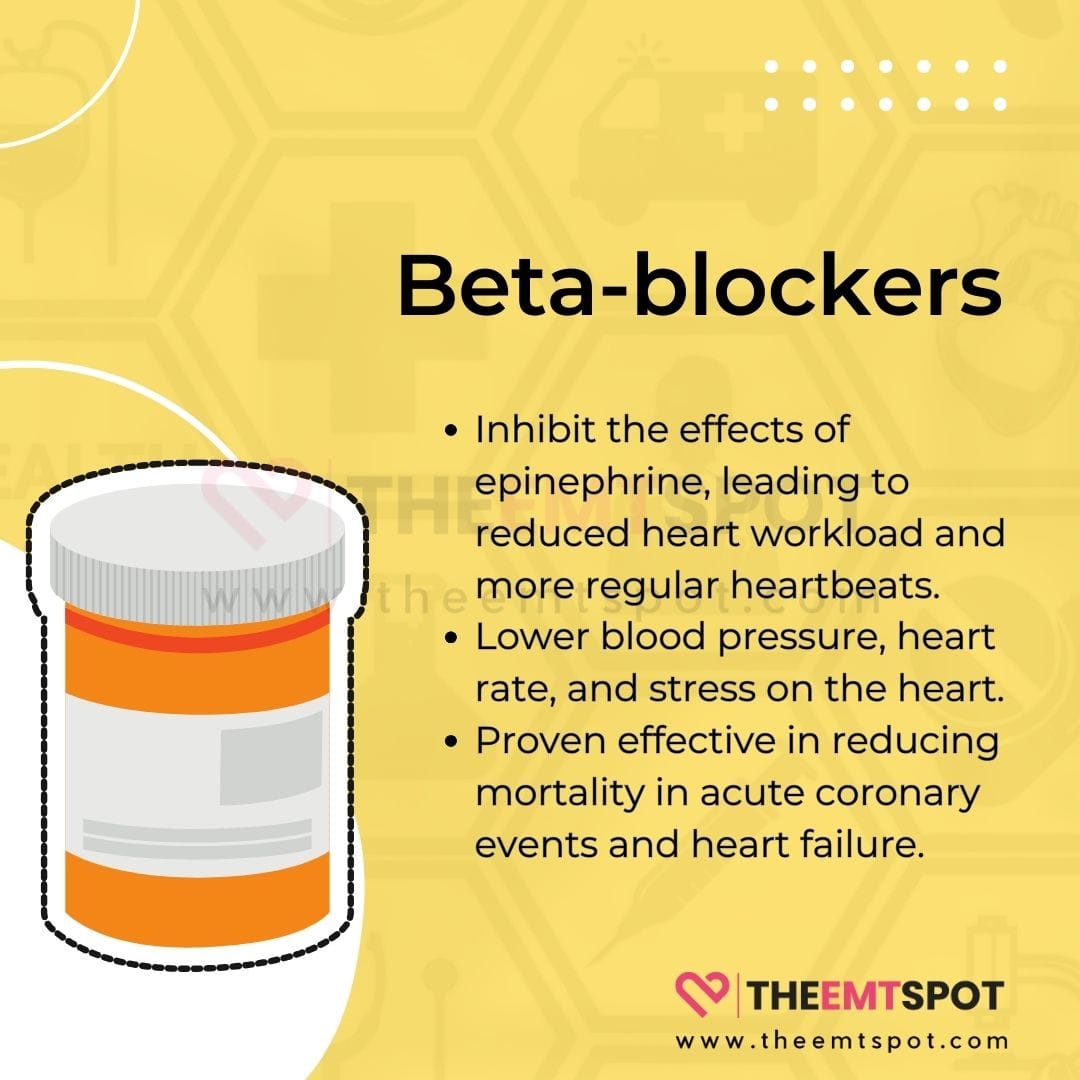
Beta-blockers reduce blood pressure and heart rate by blocking the effects of epinephrine (adrenaline) on beta-adrenergic receptors in the heart and blood vessels.
Beta-blockers are no longer recommended as a first-line antihypertensive by AHA or ESC guidelines unless the patient has a specific concurrent indication, such as heart failure, angina, a history of myocardial infarction, or certain arrhythmias.
A systematic umbrella review by Ziff et al., published in BMC Medicine (2020) and covering 98 meta-analyses with over 1.6 million patient-years, confirmed that beta-blockers reduce mortality in acute coronary events and heart failure but offer less protection against stroke than other antihypertensive classes.
Commonly prescribed beta-blockers include metoprolol, bisoprolol, atenolol, and propranolol, each differing in receptor selectivity and lipid solubility.
Key contraindications include asthma, severe bradycardia, and certain heart block conditions; abrupt discontinuation can trigger rebound hypertension or worsen angina and must always be tapered.
For full prescribing details, subclass differences, contraindications, and drug interactions, see the beta-blockers guide.
7. Calcium-channel blockers
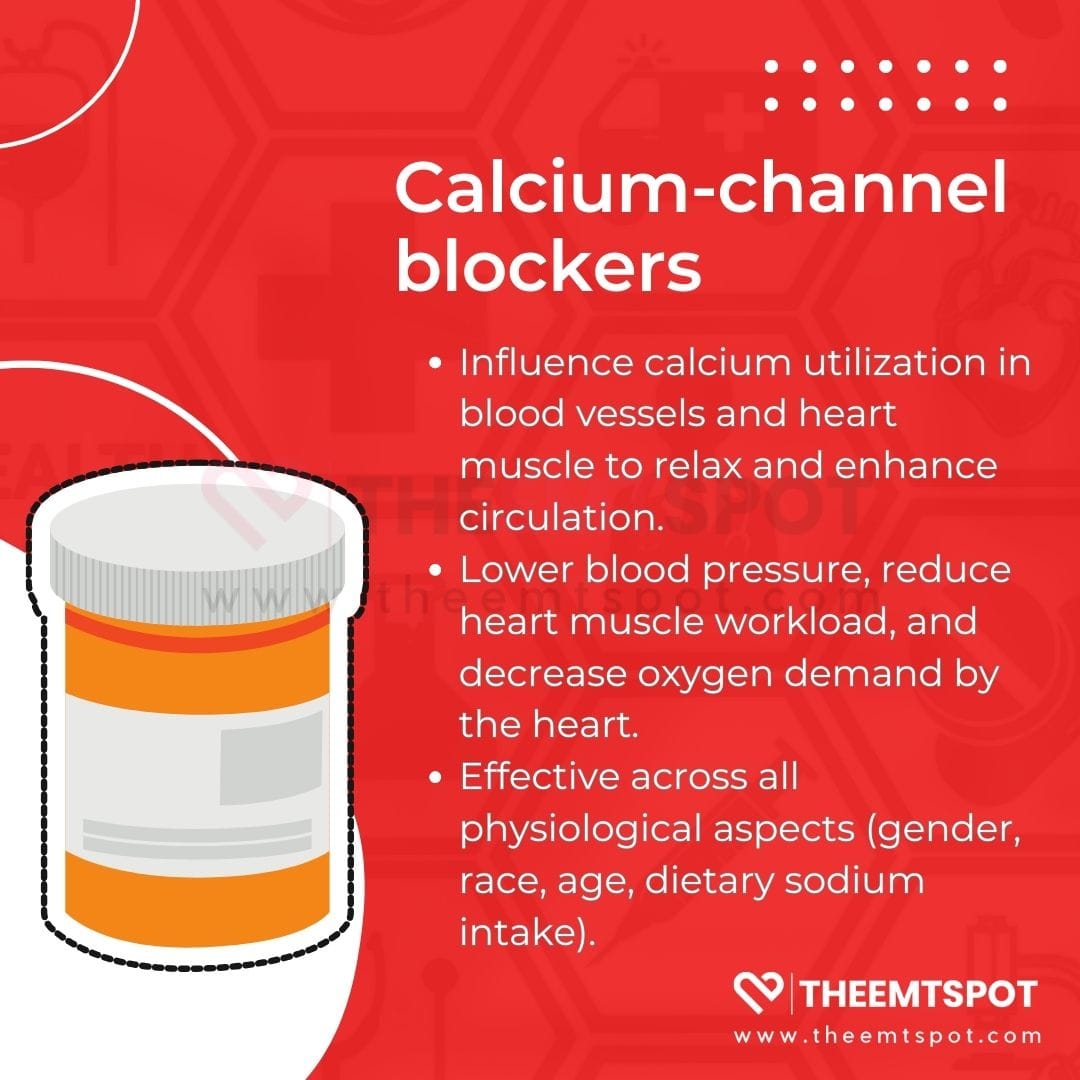
Calcium-channel blockers (CCBs) reduce blood pressure by blocking calcium from entering heart muscle cells and arterial walls, causing both to relax and reducing vascular resistance.
A key clinical advantage of CCBs is consistent blood pressure reduction regardless of the patient’s age, race, sex, or dietary sodium intake, making them among the most broadly applicable antihypertensive agents.
Amlodipine (dihydropyridine class) is the most widely prescribed CCB for hypertension; diltiazem and verapamil (non-dihydropyridine class) also reduce heart rate and are used for rate control in arrhythmias.
Peripheral edema (swelling of the ankles and feet) is the most common side effect with amlodipine; grapefruit juice significantly raises blood levels of most CCBs and must be avoided during treatment.
For full prescribing details, subclass comparisons, contraindications, and drug interactions, see the calcium-channel blockers guide.
8. Central agonists
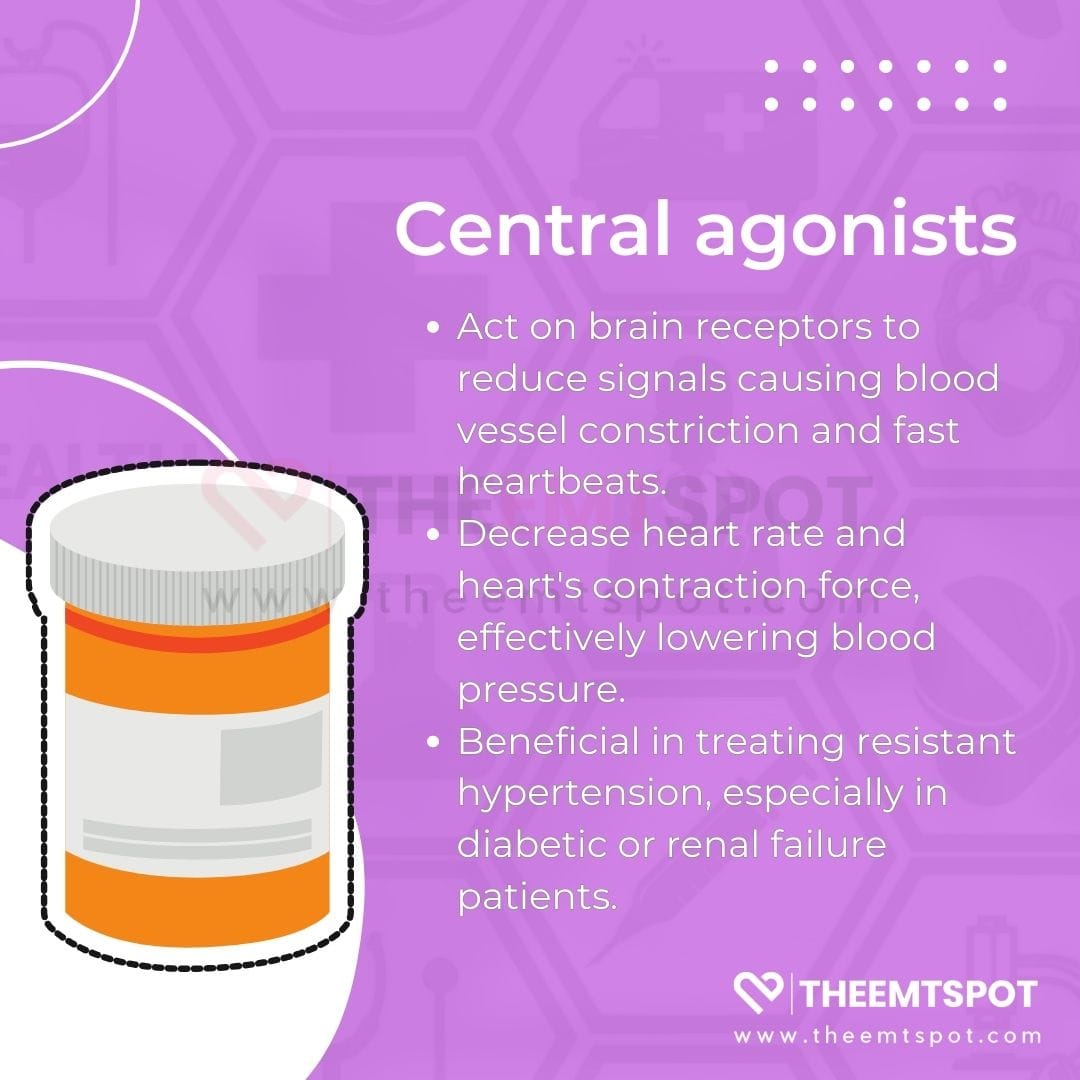
Central agonists reduce blood pressure by stimulating alpha-2 receptors in the brain, which decreases sympathetic nervous system output to the heart and blood vessels, lowering both heart rate and vascular resistance.
Central agonists are pharmacologically unique among antihypertensive classes in that they act on the central nervous system rather than directly on the heart or peripheral blood vessels.
Clonidine, methyldopa, and guanfacine are the most commonly used agents; methyldopa is one of the few antihypertensives considered safe in pregnancy, while clonidine is also used for ADHD management and opioid withdrawal.
Dry mouth, drowsiness, and dizziness are the most common side effects; abrupt discontinuation of clonidine causes dangerous rebound hypertension and must always be tapered gradually under clinical supervision.
For full prescribing details, contraindications, pregnancy safety, and drug interactions, see the central agonists guide.
9. Vasodilators
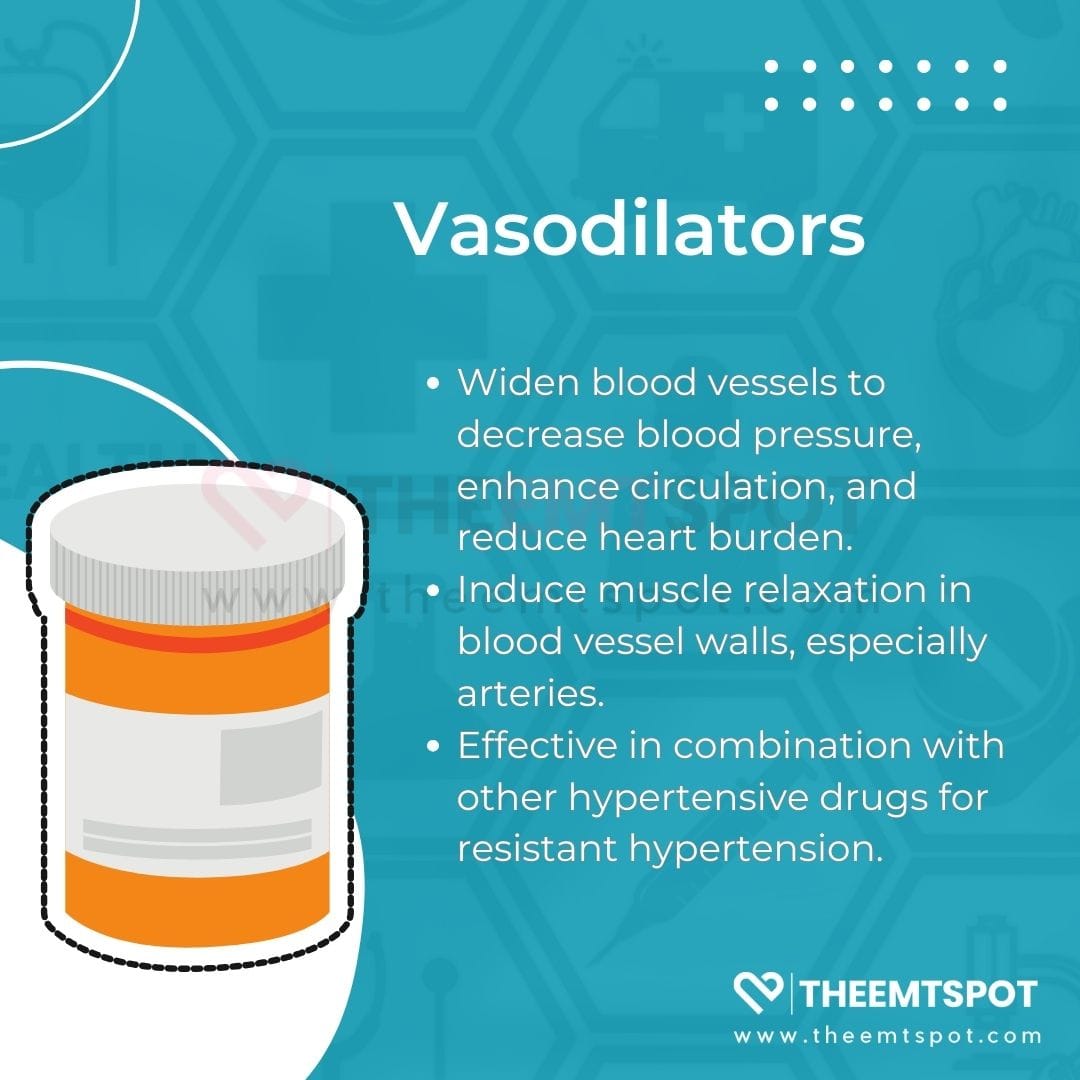
Vasodilators reduce blood pressure by directly relaxing the smooth muscle in arterial walls, causing vessels to widen and vascular resistance to fall.
Vasodilators are not used as first-line or standalone antihypertensives; their effectiveness is greatest when combined with sympatholytic agents and diuretics to manage resistant hypertension where other classes have failed.
Hydralazine is the most commonly prescribed oral vasodilator for chronic hypertension; nitroglycerin is used sublingually or intravenously for acute hypertensive emergencies and angina.
Reflex tachycardia is a significant side effect, as vasodilation triggers a compensatory increase in heart rate that worsens cardiac workload unless a beta-blocker is co-prescribed.
For full prescribing details, administration forms, contraindications, and drug interactions, see the vasodilators guide.
What are the best medications for high blood pressure?
When it comes to treating blood pressure, the best medication depends on the individual physiology, severity of hypertension, comorbidities, age, sex, gender, etc.
For individuals with general hypertension, thiazide diuretics like hydrochlorothiazide are often the best. These medications are effective and have minimal side effects.
Patients with kidney problems, particularly those with diabetes, are often prescribed ACE inhibitors (ACEIs) or Angiotensin II Receptor Blockers (ARBs).
Examples include lisinopril (an ACE inhibitor) and losartan (an ARB). These drugs safeguard kidney function by reducing pressure and protecting against kidney damage.
Patients dealing with heart disease typically receive beta-blockers, such as metoprolol, which reduce the heart’s workload and promote regular heartbeats.
Calcium channel blockers like amlodipine are also common, especially when beta-blockers alone are insufficient or for angina.
ACE inhibitors or ARBs are the best choice for diabetic patients due to their kidney-protective properties, addressing a common concern in diabetes.
In the elderly population, calcium channel blockers and thiazide diuretics are often preferred, as they are effective with a lower risk of side effects.
For African-American patients, calcium channel blockers and thiazide diuretics are deemed the best for blood pressure control.
Pregnant women are typically prescribed methyldopa and nifedipine due to their safety profile during pregnancy.
In many cases, combining two or more medications into a single pill, known as a polypill, is recommended to improve blood pressure control and make treatment easier to follow.
How do polypills help manage high blood pressure?
Managing high blood pressure often requires more than one type of medication.
A growing number of experts recommend using polypills, which are single pills combining two, three, or even four blood pressure medications at low doses.
Polypills simplify treatment by reducing the number of individual pills a patient must remember to take each day.
Reduced pill burden significantly improves medication adherence, with patients more likely to maintain their prescribed therapy over the long term.
In addition to improving adherence, polypills have been shown to provide better blood pressure control than traditional separate-pill regimens.
The QUARTET trial, published in The Lancet in 2021, tested a polypill containing quarter doses of four different blood pressure medicines and found that it reduced systolic blood pressure by 6.9 mmHg more compared to standard care at 12 weeks, with the benefit extending to 7.7 mmHg at 12 months.
The QUARTET trial also reported fewer side effects among polypill users despite achieving greater blood pressure reduction.
The GMRx2 study, published in Hypertension in 2023, found that polypill users were twice as likely to reach target blood pressure compared to those following traditional stepwise therapy.
GMRx2 further confirmed that fixed-dose combination therapy produces better long-term adherence and fewer therapy dropouts.
Leading organizations like the American Heart Association (AHA) and the European Society of Cardiology (ESC) now endorse polypills as a first-line treatment option for many individuals newly diagnosed with hypertension.
Polypills are especially valuable for patients who need multiple medications and may struggle with complex drug regimens.
For many patients, polypills provide an effective and simplified way to manage hypertension.
Resistant hypertension, defined as blood pressure that remains uncontrolled despite three or more antihypertensive agents, may require newer treatment options such as Aprocitentan.
What is Aprocitentan and how does it help resistant hypertension?
Aprocitentan is a first-in-class antihypertensive medication approved in 2024 specifically for the treatment of resistant hypertension.
Aprocitentan works by blocking endothelin-1, a potent vasoconstrictor involved in the long-term regulation of blood vessel tone and vascular resistance.
Blocking the endothelin pathway is pharmacologically distinct from ACE inhibitors, ARBs, diuretics, and calcium channel blockers, making Aprocitentan valuable for patients who do not respond to those standard therapies.
The efficacy of Aprocitentan was demonstrated in the PRECISION trial, a phase 3 randomized study published in The Lancet.
In this trial, patients with resistant hypertension experienced an average 15 mmHg reduction in systolic blood pressure after just 4 weeks of treatment compared to placebo.
Additionally, Aprocitentan was well tolerated, with the most common side effect being mild fluid retention, which can typically be managed with the addition of a diuretic.
Because of its novel pathway and clinical benefits, Aprocitentan represents a breakthrough in hypertension management for patients who have exhausted other options.
Patients whose blood pressure remains elevated despite multiple medications should discuss with their doctor whether Aprocitentan is an appropriate next step.
What are the best medications for low blood pressure?
Treating hypotension, or low blood pressure, involves a personalized approach, taking into account the underlying causes, the severity of your symptoms, and physiological aspects.
A review by Dr. Amy C. Arnold and Dr. Cyndya Shibao from Vanderbilt University School of Medicine, titled “Current Concepts in Orthostatic Hypotension Management,” covers pharmacological and non-pharmacological treatment regimens for hypotension.
Non-pharmacological interventions are the first-line approach for hypotension, with medications reserved for cases where lifestyle measures are insufficient.
For mild cases of hypotension, increased salt intake and hydration are often the best choices. Medications are usually not the first line of treatment unless the hypotension is severe or symptomatic.
Fludrocortisone, a mineralocorticoid, is commonly prescribed to increase blood volume. Midodrine is also used, which increases blood pressure by narrowing blood vessels.
These drugs benefit patients experiencing significant blood pressure drops upon standing.
Medications like beta-blockers (e.g., propranolol) can effectively reduce symptoms by regulating heart rate and blood pressure responses.
In cases of hypotension with shock, intravenous fluids and vasopressors like dopamine, norepinephrine, or epinephrine are typically used in a hospital setting to rapidly raise blood pressure.
Adjusting or changing the medication causing the hypotension is often the first step. A healthcare provider might lower the dose or switch to a different class of drugs.
Careful management is needed in elderly patients due to the risk of falls and injuries associated with low blood pressure.
Non-pharmacological approaches such as compression stockings and hydration are the preferred first step, with medication reserved for cases where these measures prove insufficient.
Non-drug treatments like compression stockings and increased fluid and salt intake are usually the best approach due to the safety concerns with medications during pregnancy.
Can you drink alcohol while on blood pressure medications?
Alcohol interacts with most classes of blood pressure medication, producing effects that range from additive hypotension to reduced drug efficacy.
Alcohol can interact with these drugs, potentially leading to dizziness, drowsiness, and dangerously low blood pressure.
Alcohol also reduces medication effectiveness in certain drug classes, impairing blood pressure control.
Dr. Rowena Sobczyk, MD, the medical director of Resperate, discussed this in her channel ‘Ask Dr. Rowena,’ stating:
“Different medicines interact differently with alcohol.”
She added:
“Two common medicines used to control blood pressure are beta-blockers and ACE inhibitors.”
“Beta-blockers can cause your blood pressure to rise when you drink alcohol because the alcohol makes the beta-blocker less effective. An ACE inhibitor combined with alcohol can lower your blood pressure too much.”
The interaction between alcohol and antihypertensives varies by drug class and individual physiology, making personalized guidance from a clinician essential.
In many cases, moderation or complete avoidance of alcohol is recommended for those on blood pressure medications.
Dr. Rowena’s advice to “talk to your own doctor about drinking while you are not only on blood pressure medicines but on any medicine” further reinforces this point.
How long after drinking alcohol can I take blood pressure medications?
The timing of taking blood pressure medications after consuming alcohol depends on several factors, including the type of medication and the amount of alcohol consumed.
Generally, it is advised to wait a few hours after drinking alcohol before taking blood pressure medications. The exact time to wait can vary, but a common recommendation is to wait at least 2 hours after moderate drinking.
Studies raise concerns about adverse effects from alcohol consumption during antihypertensive treatment.
For instance, a review reported in the journal Current Hypertension Reports by Dr. Flávio Danni Fuchs and colleagues examined the acute and chronic effects of alcohol on blood pressure (BP) and the incidence of hypertension.
Moderate alcohol temporarily decreases blood pressure for up to 12 hours, followed by a rebound spike when its effects wear off.
Taking antihypertensive medication during that 12-hour window of alcohol-induced blood pressure reduction risks a dangerous combined drop in pressure.
Allowing adequate time for alcohol to metabolize before taking antihypertensive medication reduces the risk of excessive blood pressure reduction.
Timing varies based on the specific medication class and the amount consumed; consulting a clinician for individualized guidance is always recommended.
Which blood pressure medications should you avoid when you have kidney disease?
In patients with kidney disease, certain blood pressure medications need to be used with caution or avoided.
A study from the University of Virginia School of Medicine raised concerns about kidney vessel hardening associated with long-term use of ACE inhibitors and ARBs in some patients.
The study found that long-term use of these medications was linked to kidney vessel hardening in mice and humans, despite their common use for high blood pressure and heart failure and their kidney-protective effects in non-kidney disease patients.
Conversely, the National Institute of Diabetes and Digestive and Kidney Diseases (NIDDK) suggests that medications like ACE inhibitors and ARBs have the potential to considerably delay the advancement of kidney disease in numerous patients.
Long-term use requires careful monitoring, balancing the kidney-protective benefits of these drugs against the potential risks in individual patients.
Medication selection in patients with kidney disease requires close clinician oversight, with regular monitoring of renal function and electrolytes.
Which blood pressure medications should be avoided when you have liver disease?
In patients with liver disease, particularly decompensated cirrhosis, certain blood pressure medications should be avoided or used with caution.
ACE inhibitors and ARBs are contraindicated in decompensated cirrhosis due to the risk of kidney dysfunction, according to a clinical report published in US Pharmacist.
In such patients, blood pressure can decrease over time, often due to the activation of the renin-angiotensin-aldosterone system.
For those with compensated cirrhosis, ACEIs and ARBs can still be used, but blood pressure should be monitored frequently.
Additionally, calcium channel blockers (CCBs) can be utilized to manage blood pressure in liver disease patients.
CCBs should be used at the lowest effective dose in liver disease patients, with close monitoring, as reduced hepatic clearance can result in supratherapeutic drug levels.
Can dietary supplements interfere with blood pressure medication?
Dietary supplements can indeed interfere with blood pressure medications.
According to an American Heart Association editorial article titled ‘Medication Interactions: Food, Supplements, and Other Drugs,’ some foods, even healthy ones, might interfere with blood pressure medication.
A notable example is grapefruit and grapefruit juice, known for their ability to disrupt the effectiveness of specific blood pressure-reducing medications.
Elevated drug levels in the bloodstream increase the risk of dose-dependent adverse effects.
St. John’s Wort (Hypericum perforatum), a commonly used supplement, induces liver enzymes and can reduce the concentration of various medications in the blood, including some blood pressure medications.
Another example is vitamin E, which can interfere with anticoagulants like Coumadin (used to treat heart attacks) and enhance their blood-thinning effects, potentially increasing the likelihood of internal bleeding.
Over-the-counter antihistamines, often used for allergies, can also interact with blood pressure medications, potentially causing an increase in blood pressure and heart rate when used together.
Patients should consult a healthcare provider before taking any dietary supplement or over-the-counter medication alongside prescribed antihypertensive therapy.
What lifestyle changes can make blood pressure medication more beneficial?
Lifestyle modifications enhance the effectiveness of blood pressure medication and reduce the total dose required to achieve target pressure.
A study from Zhengzhou University, published in the Journal of Clinical Hypertension, outlines the comprehensive effects of lifestyle modifications on hypertension control.
Key lifestyle changes identified in the study include the following.
The study found that these lifestyle changes lower systolic pressure by approximately 3.5 mmHg.
A systolic reduction of this magnitude reduces cardiovascular disease risk by approximately 30%, independent of genetic susceptibility to hypertension.
The study underscores that these behaviors affect blood pressure by modulating factors such as visceral fat accumulation, insulin resistance, and vascular endothelial function.
What should you do if your blood pressure medication doesn’t work?
When blood pressure medication fails to achieve target pressure, several factors should be systematically evaluated before escalating therapy.
A clinician should review medication adherence, rule out white coat hypertension, check for drug interactions, and confirm accurate measurement technique.
Dietary changes can significantly impact blood pressure control, such as adopting a low-sodium DASH diet alongside lifestyle modifications like weight loss, increased physical activity, and smoking cessation.
Persistent treatment failure warrants referral to a hypertension specialist and evaluation for secondary causes of hypertension.
The American Heart Association recognizes stress-reduction techniques including meditation, yoga, and structured exercise as adjunct approaches to blood pressure management.
When should you stop taking blood pressure medication?
Discontinuing blood pressure medication requires clinician guidance and should never be done unilaterally.
According to a 2023 study in Clinical Hypertension by Prof. Hae-Young Lee et al., antihypertensive medications, traditionally considered lifelong therapy, can sometimes be reduced or discontinued in patients whose blood pressure has been well-controlled for an extended period.
Medication reduction is not universally applicable and depends on individual blood pressure history and underlying health conditions.
The study found that a limited number of patients could successfully stop their medication over six months.
Screening the right patients, evaluating their condition, and planning a gradual reduction schedule are essential before any medication discontinuation attempt.
Never stop or alter blood pressure medication without consulting a healthcare provider, as abrupt discontinuation can cause rebound hypertension or dangerous pressure spikes.
What if you took blood pressure pills twice?
Accidentally doubling a dose of blood pressure medication produces side effects that vary by drug class.
Immediate consequences include a decreased heart rate, often described as a heart-sinking feeling, and hypotension (low blood pressure).
“Accidentally doubling a dose of blood pressure medication can have varying effects depending on the drug class and individual response,” explains Dr. Milena Locci de Oliveira, a Pharmacist and Doctor of Philosophy in Sciences from the University of São Paulo (USP).
“Potential consequences include decreased heart rate, hypotension, and, in cases of certain antihypertensives like beta-blockers and diuretics, more severe reactions such as significant bradycardia or bronchoconstriction.”, she added.
“Common symptoms of overdose are nausea, dizziness, chest tightness, and, in sensitive individuals, severe dizziness or loss of consciousness.”
Dr. Oliveira emphasizes the importance of adhering to prescribed dosages to avoid these risks.
How often should you monitor blood pressure while on medication?
Monitoring blood pressure while on medication is crucial for managing hypertension effectively.
According to the 2017 Guidelines for High Blood Pressure in Adults by the American College of Cardiology, the frequency of monitoring varies depending on the stage of hypertension and associated risks.
For instance, individuals with stage 1 hypertension and high atherosclerotic CVD (ASCVD) risk should have their blood pressure rechecked in 1 month.
Those with stage 2 hypertension should also be evaluated within 1 month of diagnosis, receiving a combination of nonpharmacologic therapy and antihypertensive drugs.
The Mayo Clinic suggests beginning home blood pressure monitoring at least twice daily, once in the morning before eating or taking any medications and again in the evening.
Taking two or three readings per session improves accuracy, as blood pressure varies throughout the day and is often higher in clinical settings than at home.
A clinician should confirm the appropriate monitoring schedule and technique based on the patient’s medication class and hypertension stage.
What are the best and most accurate blood pressure monitors to use at home?
Validated upper-arm cuff monitors are the recommended standard for home blood pressure monitoring while on antihypertensive therapy.
A full comparison of clinically validated home blood pressure monitors is available in the blood pressure monitors guide.
What do blood pressure readings mean according to the AHA chart?
Understanding your blood pressure reading is crucial for heart health. The American Heart Association (AHA) provides a blood pressure chart to help interpret these readings.
- Normal: Blood pressure less than 120/80 mm Hg is considered normal. Maintaining heart-healthy habits is advised.
- Elevated: Readings consistently ranging from 120-129 systolic and less than 80 diastolic indicate elevated blood pressure, a precursor to hypertension if not managed.
- Hypertension Stage 1: Consistent readings of 130-139 systolic or 80-89 diastolic. Lifestyle changes and possibly medication are recommended.
- Hypertension Stage 2: Blood pressure consistently at 140/90 mm Hg or higher. A combination of medications and lifestyle changes is often necessary.
- Hypertensive Crisis: Readings exceeding 180/120 mm Hg require immediate medical attention. This is a critical condition that may lead to organ damage.
Systolic blood pressure receives more clinical focus in adults over 50 due to its stronger independent association with cardiovascular risk.
Both systolic and diastolic readings remain important for accurate hypertension diagnosis and treatment decisions.
How to lower blood pressure without medication
Lifestyle modifications are the first-line treatment for elevated blood pressure and an essential complement to any antihypertensive drug regimen.
For a full evidence-based breakdown of each non-pharmacological intervention, including sodium reduction targets, exercise protocols, and breathing techniques, see the how to lower blood pressure guide.
Why should you treat high blood pressure?
Uncontrolled high blood pressure leads to progressive organ damage affecting the heart, brain, kidneys, and eyes, according to AHA and CDC guidelines.
Medications, lifestyle modifications, and natural approaches are the three main pillars of high blood pressure management, with a full overview available in the hypertension treatment guide.
Before that, ensure you constantly monitor your blood pressure levels and adhere to your doctor’s recommendations.