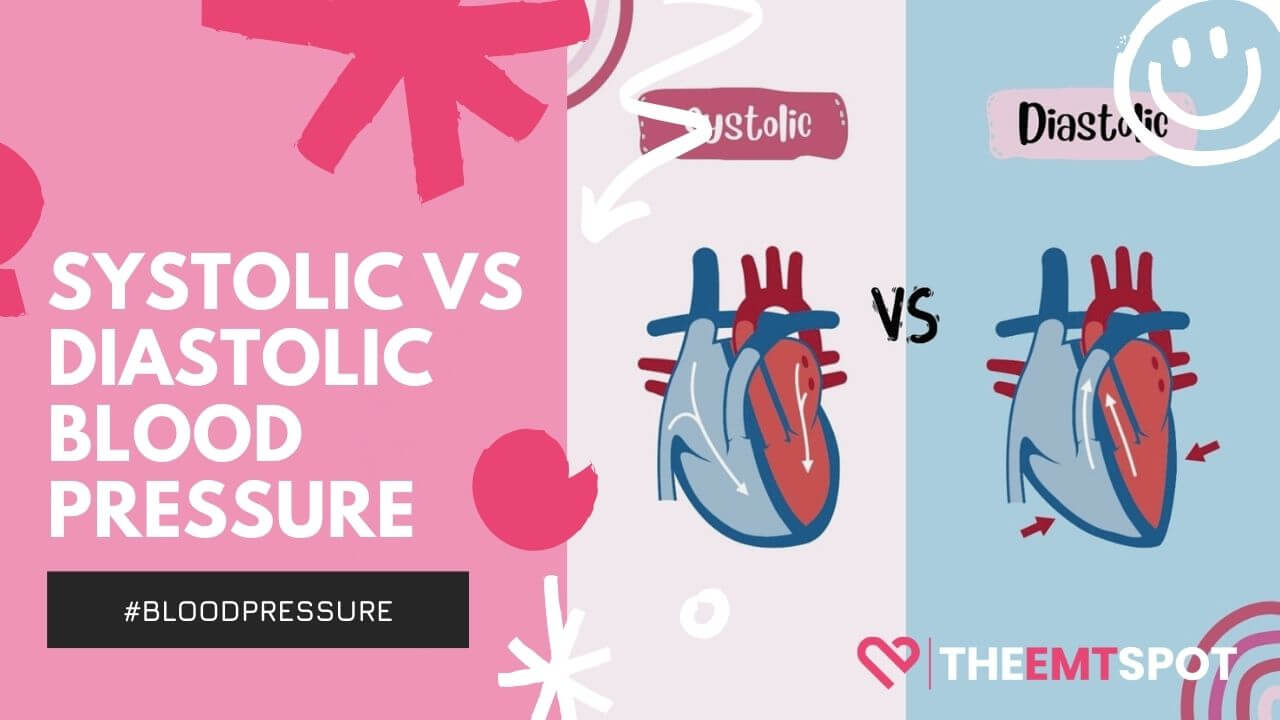
Blood pressure is the force that circulating blood exerts against artery walls, recorded as two numbers in millimeters of mercury (mmHg): systolic pressure (during heartbeats) over diastolic pressure (between heartbeats).
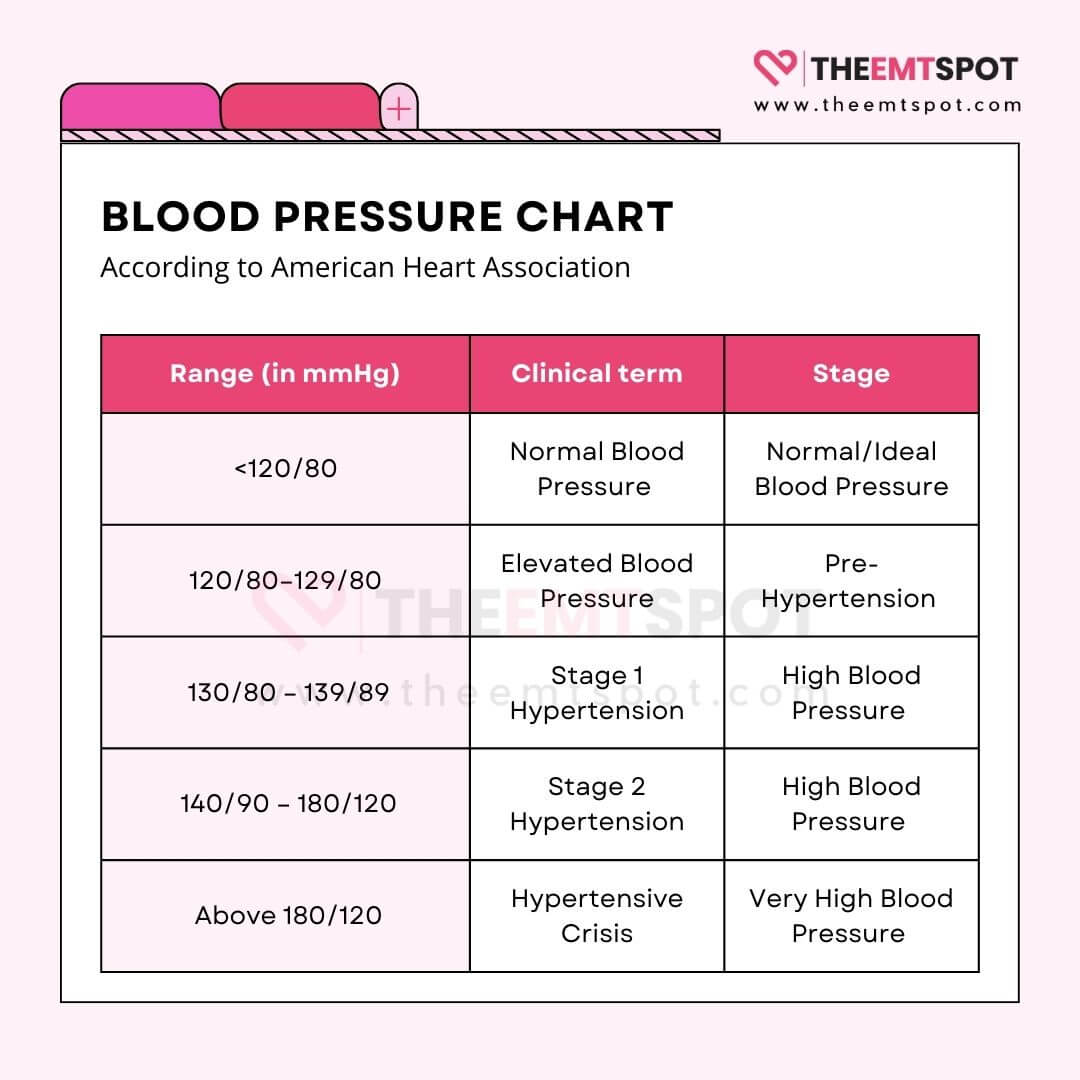
The American Heart Association classifies blood pressure as elevated at 120–129/below 80 mmHg, stage 1 hypertension at 130–139/80–89 mmHg, and stage 2 hypertension at 140/90 mmHg or higher.
Sustained high blood pressure damages the heart, kidneys, brain, and blood vessels, raising the risk of heart attack, stroke, and kidney failure, often without any warning symptoms.
Sixteen methods supported by clinical evidence can reduce blood pressure through diet, exercise, lifestyle changes, and medication.
1. Reduce your salt intake
Sodium, a component of table salt, is an essential mineral for bodily functions, but excessive consumption can lead to increased blood pressure.
Sodium holds onto water, increasing blood volume inside the vessels, which raises the pressure against arterial walls.
The popular ELSA-Brasil study, published in the Journal of Human Hypertension in 2022, which studied over 9,028 participants, found significant direct and BMI-mediated effects of salt intake on both SBP and DBP in individuals without hypertension.
Extensive research, including studies like the landmark DASH (Dietary Approaches to Stop Hypertension) and the findings of the Centers for Disease Control and Prevention (CDC), have consistently shown a strong link between high sodium intake and elevated blood pressure levels.
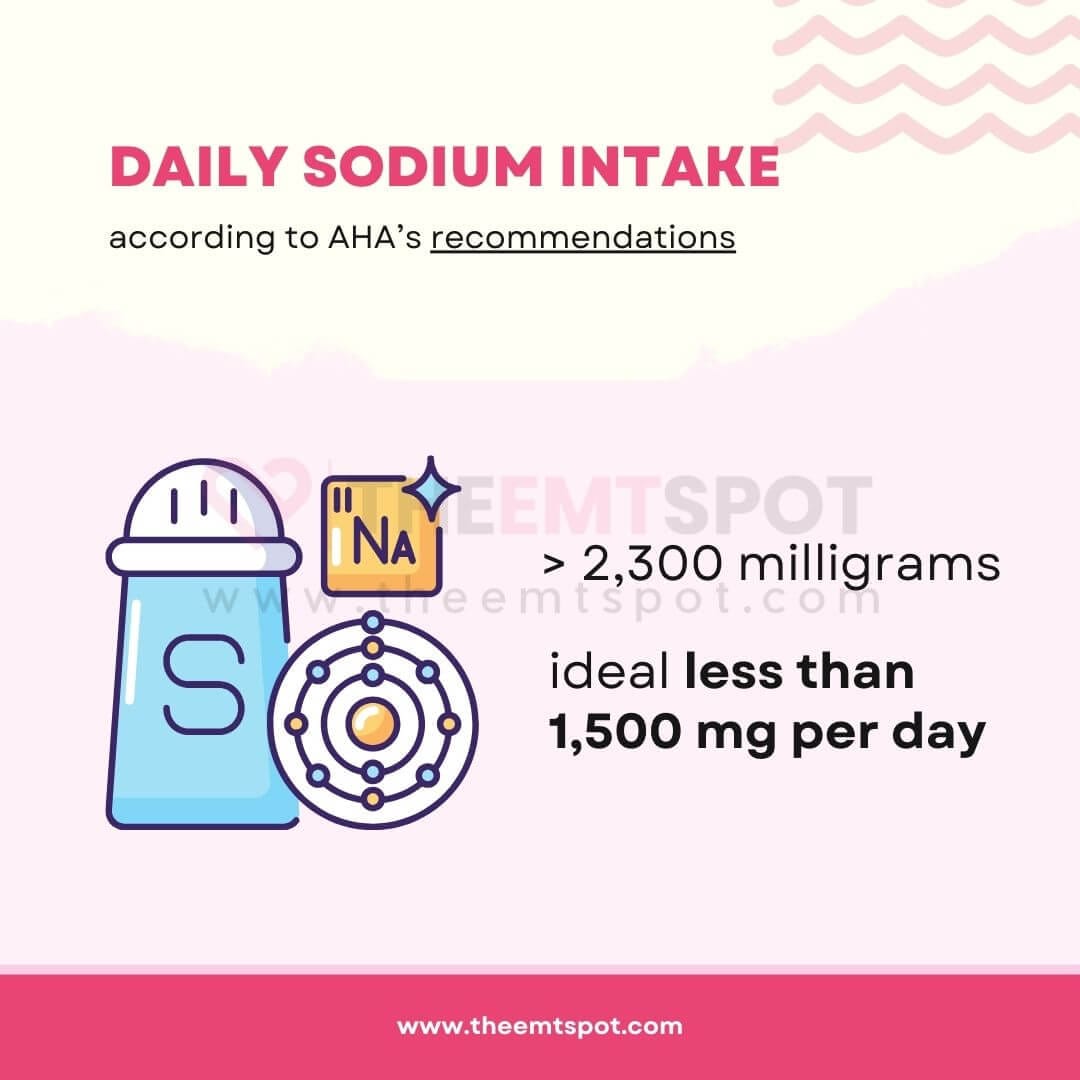
The AHA advises that healthy adults should aim to restrict their daily sodium intake to a maximum of 2,300 milligrams, with an ultimate target of ideally not exceeding 1,500 mg per day for most individuals.
To lower your sodium intake, it’s advisable to scrutinize nutritional labels, decrease your consumption of processed and restaurant-prepared meals, choose herbs and spices as alternatives for seasoning instead of salt, and select fresh fruits and vegetables over canned ones.
Foods like processed meats, canned soups, pizza, cheese, and salty snacks are high in sodium.
Rather, choose healthier foods like fresh meats, homemade soups with low-sodium broth, homemade pizza with fresh toppings, unprocessed cheeses, and snacks like unsalted nuts or fresh fruits and vegetables.
By making these changes, individuals can effectively lower their sodium intake, which can significantly help in managing and reducing blood pressure.
2. Eat healthy foods
Consuming nutritious meals is a comprehensive approach that involves integrating a variety of healthy foods into one’s diet to manage and lower blood pressure.
Potassium and magnesium, both abundant in whole-food diets, help relax blood vessels and reduce blood pressure.
Balance and moderation remain essential, as overeating, even healthy foods, can lead to weight gain, a recognised risk factor for high blood pressure.
Shocking findings were revealed in a 2021 study published in the Annals of Translational Medicine by Yan Chen et al., which reported that the incidence of high blood pressure among college students is on the rise, with 12% currently experiencing high blood pressure due to poor eating habits.
The AHA and WHO also advocate for nutritious eating patterns for cardiovascular health, putting more stress on a diet rich in fruits, vegetables, and low-fat dairy.
To incorporate more nutritious meals, you can start by increasing the intake of whole grains, lean proteins, and a variety of fruits and vegetables while reducing the consumption of processed foods, which are often high in sodium and unhealthy fats.
You can avoid less healthy options by swapping out white bread for whole-grain varieties, choosing baked or grilled proteins instead of fried, and opting for fresh fruits over sugary desserts.
3. Avoid refined carbs and sugar
Refined carbohydrates and added sugars are prevalent in many modern diets, often found in foods like bread, pasta, snacks, and sweetened beverages.
Excessive consumption of refined carbs and added sugars induces a rapid spike in blood sugar and insulin levels, which raises blood pressure through increased vascular resistance.
The AHA recommends limiting added sugars to no more than 6 teaspoons (24 grams) per day for women and 9 teaspoons (36 grams) for men.
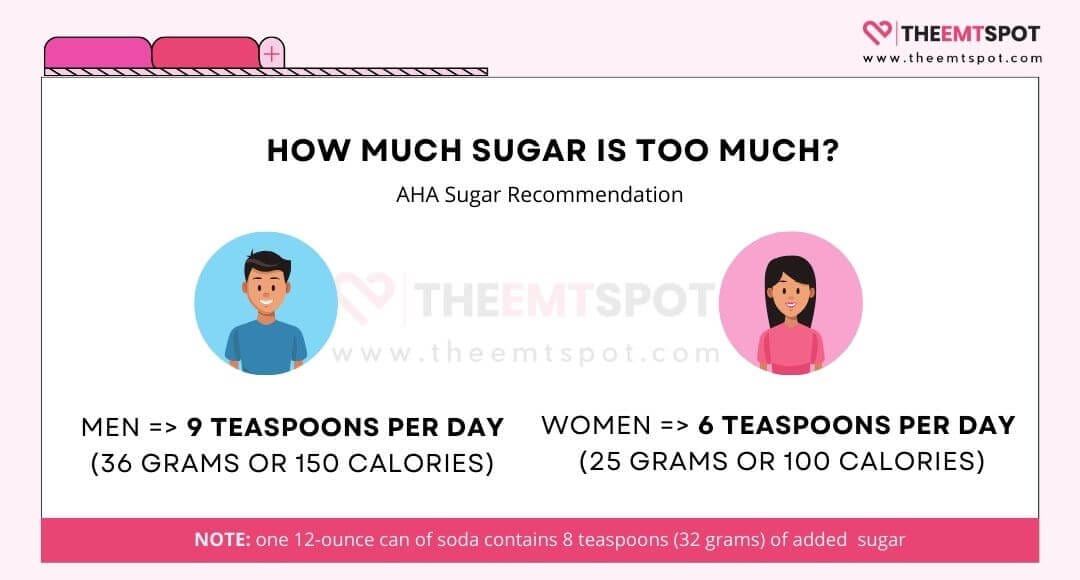
A study published by Dr. James J DiNicolantonio and colleagues in the Open Heart Journal reports that added sugar causes cardiovascular damage, leading to hypertension and other cardiometabolic diseases.
The WHO and CDC have independently acknowledged this relationship between added sugar and cardiovascular risk.
To mitigate these effects, individuals can adopt simple strategies such as reading food labels to avoid hidden sugars, opting for whole grains over refined carbs, and incorporating more fresh fruits and vegetables into their diets.
Foods particularly high in processed carbohydrates and added sugars include candy, cookies, sugary cereals, and white bread.
Healthier alternatives are available, such as whole fruits instead of sugary snacks and whole-grain or legume-based pasta instead of traditional white pasta.
4. Consider trying the DASH diet
The DASH diet, an acronym for Dietary Approaches to Stop Hypertension, is a nutrition strategy created to help manage high blood pressure.
The DASH diet prioritises fruits, vegetables, whole grains, and lean protein sources, while limiting salt, red meat, sugary treats, and fatty foods.
The diet aims to lower blood pressure by enhancing the consumption of essential nutrients such as potassium, calcium, and magnesium, which help in expanding blood vessels and softening the arteries.
Benefits of the DASH diet extend beyond blood pressure reduction, supporting weight loss and improved cardiovascular health.
The National Heart, Lung, and Blood Institute (NHLBI) publishes a comprehensive public-interest guide on lowering blood pressure through diet management, lifestyle modification, and physical activity.
Adherence to the DASH diet typically involves consuming 4-5 servings of both fruits and vegetables, 6-8 servings of whole grains, and 2-3 servings of low-fat dairy products daily.
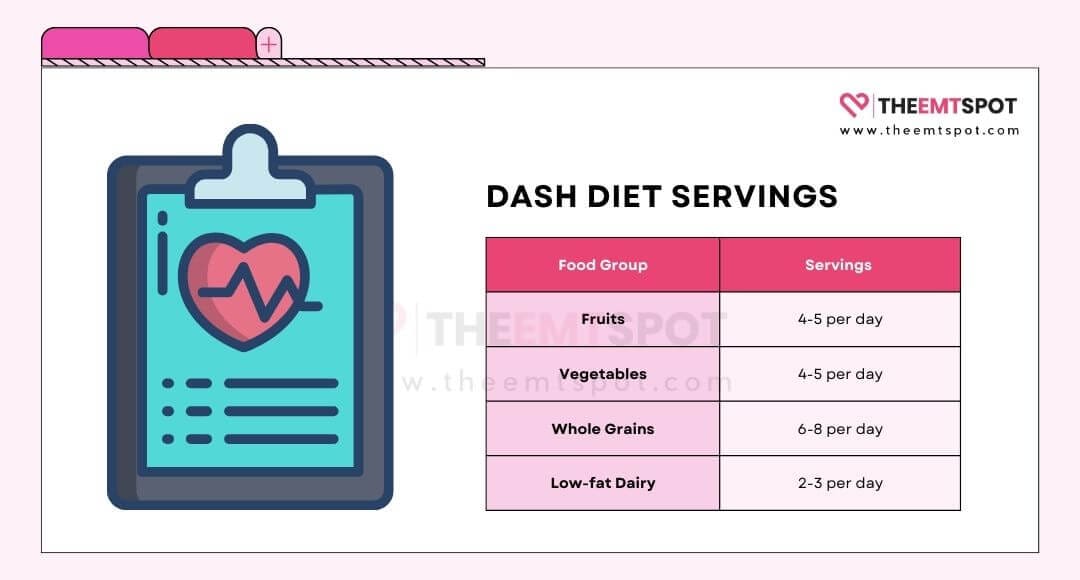
Lean meats, fish, and nuts are integral components but should be consumed in moderation.
Possible side effects of the DASH diet include initial fatigue or dizziness caused by the sudden decrease in sodium intake.
Medication interaction is possible, particularly with diuretics and blood pressure medications, which could lead to excessively low blood pressure.
To start the DASH diet, it’s advisable to gradually introduce dietary changes, initially focusing on reducing sodium intake and progressively incorporating the recommended food groups and servings.
Consulting with your doctor or a dietitian can provide personalized guidance and ensure a safe and effective transition.
5. Drink water
Maintaining proper hydration by drinking water is a simple yet effective method for managing blood pressure.
When the body is well-hydrated, the blood maintains a lower viscosity, which facilitates smoother blood flow through the arteries, thereby reducing the pressure exerted on arterial walls.
The benefits of staying hydrated include better blood pressure control and enhanced kidney function, which plays a critical role in blood pressure regulation by managing fluid balance and electrolyte levels in the body.
Hydration is important, but a study published in 2019 by Naser et al. in the Journal of the American Heart Association suggests that consuming water rich in minerals such as potassium (K+), calcium (Ca2+), and magnesium (Mg2+) may lower blood pressure.
Foods with high water content, such as cucumbers, tomatoes, and watermelons, contribute meaningfully to daily hydration.
Most adults require approximately 2 to 3 litres of total fluid daily, though individual needs vary by body size, activity level, and climate.
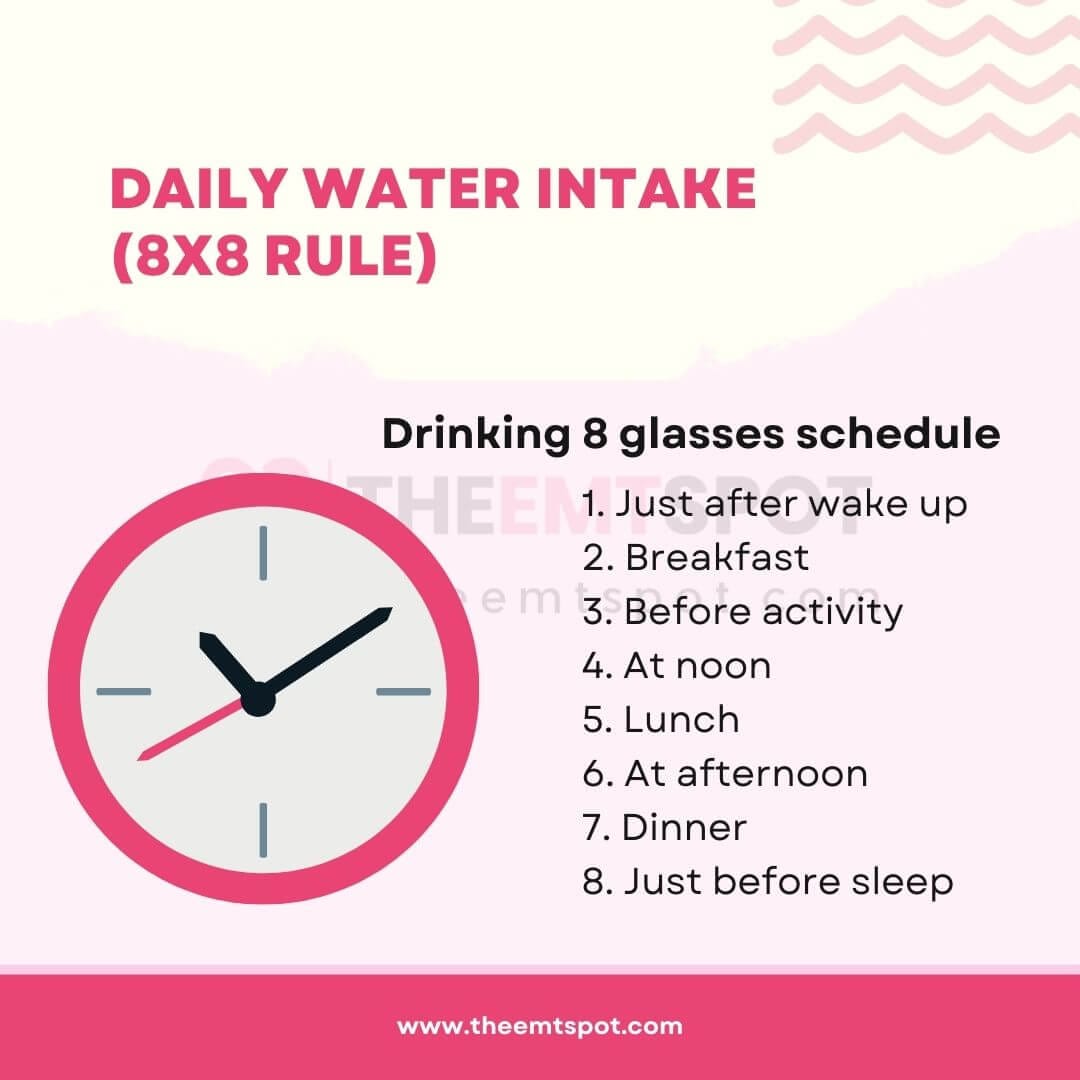
Although there are few adverse effects associated with maintaining proper hydration, consuming excessive amounts of water can result in water intoxication or hyponatremia, a serious condition characterized by abnormally low sodium concentrations in the blood.
Potential medication interactions exist, particularly with diuretics, which increase urine production.
Individuals on diuretics should consult a doctor or dietitian to tailor their fluid intake accordingly.
6. Eat dark chocolate
Dark chocolate, characterized by its high cocoa content and minimal processing, has been linked to various health benefits, particularly in the realm of cardiovascular well-being.
Dark chocolate contains flavonoids, natural compounds that dilate blood vessels and reduce blood pressure by stimulating nitric oxide production in the arterial lining.
Flavonoids stimulate the endothelium (the lining of arteries) to produce nitric oxide (NO), which signals the smooth muscles around arteries to relax, reducing vascular resistance and blood pressure.
The benefits of dark chocolate are not just anecdotal; numerous studies have underscored its efficacy.
A meta-analysis by Prof. Karin Ried and colleagues at the National Institute of Integrative Medicine found that flavanol-rich cocoa and dark chocolate reduced systolic blood pressure by an average of 3.2 mmHg and diastolic by 2.0 mmHg across all participants (Ried et al., BMC Medicine, 2010).
Larger reductions of 5.0 mmHg systolic and 2.7 mmHg diastolic were observed specifically in hypertensive and prehypertensive subgroups.
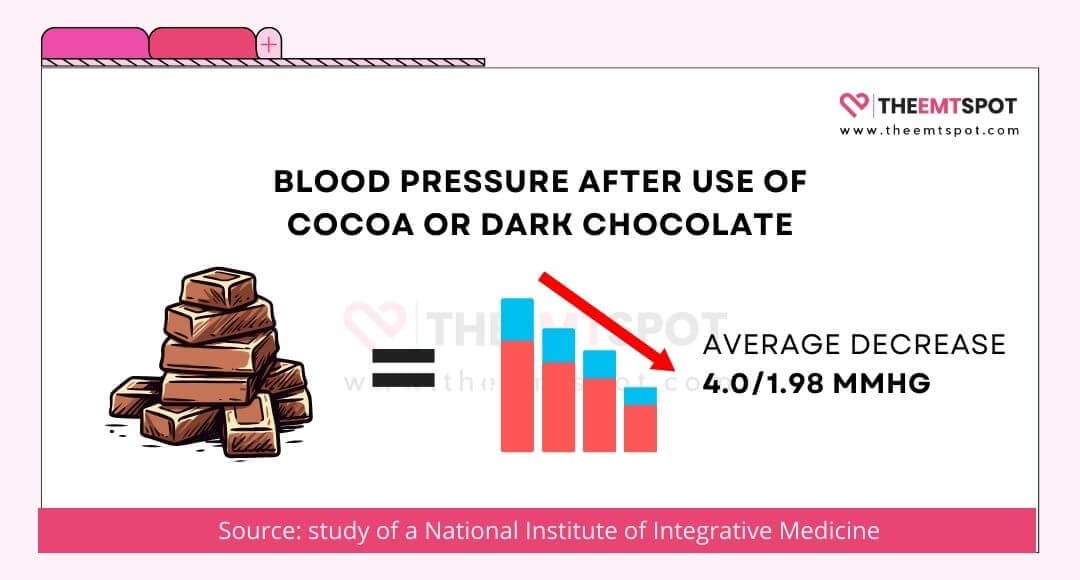
A Cochrane review update (Ried et al., 2017) confirmed moderate-quality evidence that flavanol-rich cocoa lowers both systolic and diastolic blood pressure in healthy adults.
A daily serving of one to two ounces (30–60 g) of dark chocolate is sufficient to obtain the flavanol benefit.
Exceeding this amount risks excess calorie intake, weight gain, and caffeine-related side effects such as restlessness and a rapid heartbeat.
7. Experiment with these herbs
Herbal remedies have been a cornerstone of natural medicine for centuries, and a regional treatment regime exists in every country based on their local herbs.
A study published in Pharmacognosy Reviews in 2011 found that 75-80% of the world’s population still uses herbal supplements for various ailments, with cardiac care being a major niche.
The authors have also included a comprehensive list of all major herbal medicines and their effects on hypertension in this review publication.
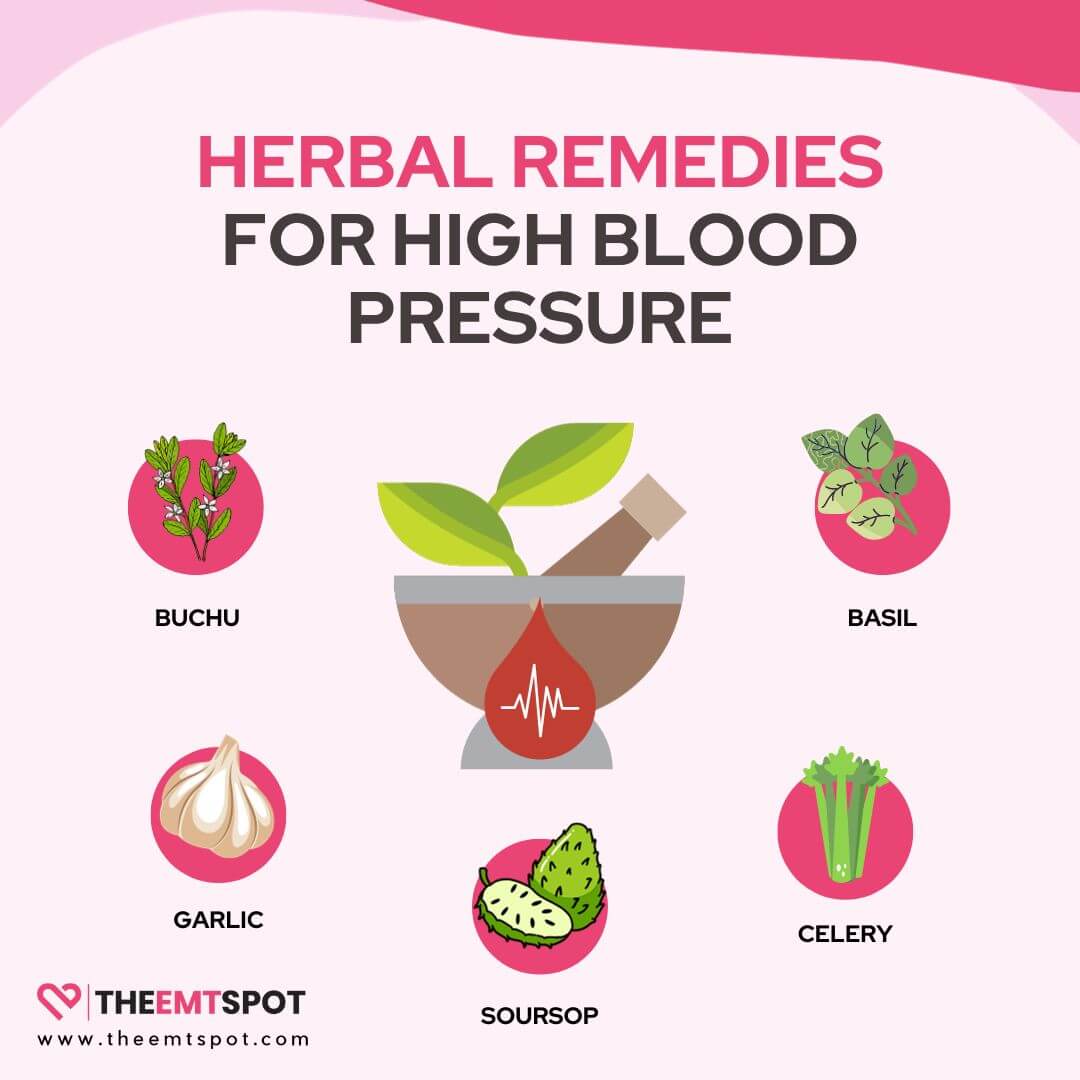
Each of these herbs carries potential side effects, including diarrhea, palpitations, insomnia, and kidney stress, which underscores the importance of medical supervision before use.
8. Follow prescribed medications
Taking prescription medication involves the use of drugs that are provided under the authority of a medical professional to treat, cure, or prevent various health conditions.
When it comes to blood pressure, certain prescription medications are specifically designed to regulate or lower it.
These medications can be highly beneficial, particularly for individuals suffering from hypertension, as they help in preventing heart disease and strokes.
Popular blood pressure medications include ACE inhibitors like Lisinopril, Angiotensin II receptor blockers (ARBs) such as Losartan, Beta-blockers including Atenolol, Calcium channel blockers like Amlodipine, Diuretics such as Hydrochlorothiazide, and Renin inhibitors like Aliskiren, each with unique mechanisms and considerations for managing hypertension.
The effectiveness of these drugs is well-established; they work through various mechanisms, such as dilating blood vessels or reducing the volume of blood, thereby lowering blood pressure.
The proof of their efficacy is backed by numerous research studies and clinical trials.
The Antihypertensive and Lipid-Lowering Treatment to Prevent Heart Attack Trial (ALLHAT) is one of the largest studies which began in 1994 and lasted till 2002 with the support and financial backing from the NHLBI.
The trial concluded that diuretics are as effective as calcium channel blockers, ACE inhibitors, and alpha-adrenergic blockers in managing high blood pressure and preventing cardiovascular events, recommending diuretics as the first-line treatment.
Suggested servings or dosages of these medications are highly individualized, depending on the specific drug, the severity of hypertension, and the patient’s overall health profile.
It’s crucial to adhere to the prescribed amount since taking more than recommended can lead to adverse effects such as hypotension, kidney damage, or electrolyte imbalances.
Possible side effects vary based on the medication but can include dizziness, headaches, and gastrointestinal issues.
Taking these medications exactly as prescribed and under medical supervision is essential to avoid adverse outcomes.
| Medication | What It Does | Side Effects |
|---|---|---|
| Diuretics | Flushes out extra water and sodium. | Dehydration, erectile dysfunction, weakness, cramping and fatigue, onset of gout or intense foot pain |
| Beta Blockers | Makes your heart beat with less intensity. | Asthma and breathing issues, depression, sleep disturbances, erection problems, cold feet and hands |
| ACE Inhibitors | Relaxes blood vessels by blocking the formation of the hormone that narrows the blood vessels. | Dry, hack cough, skin rash, loss of taste |
| ARBs | Protect blood vessels from narrowing and keeps them open. | Dizziness |
| CCBs | Prevent calcium from entering the heart, muscle and blood cells. | Constipation, headaches, dizziness, swollen ankles, palpitations |
| Alpha-Blockers | Lessen the nerve impulse to narrow blood vessels. | Dizziness, light-headedness, quick pulse |
| Alpha-2 Receptor Agonist | Reduces adrenaline production in the nervous system. | Drowsiness, dizziness |
| Alpha-Beta-Blockers | Reduce nerve impulses to slow down heartbeat. | Low blood pressure, dizziness, light-headedness, weakness |
| Central Agonists | Control nerve impulses to relax blood vessels. | Anemia, constipation, dizziness, dry mouth, drowsiness and weakness, erection problems, fever |
| Peripheral Adrenergic Inhibitors | Blocks neurotransmitters in the brain to relax smooth muscles. | Diarrhea, heartburn, congested nose, dizziness and weakness |
| Vasodilators | Relax muscle walls to allow blood to flow better through blood vessels. | Excessive hair growth, headaches, water retention, joint aches and pains, palpitations, eye swelling |
| Renin Inhibitor | Decreases the chemicals that tighten blood vessels. | Cough, diarrhea, stomach pain, heartburn, rash |
9. Consider using vitamins and supplements
Vitamins and other supplements are concentrated sources of nutrients with a nutritional or physiological effect.
Regarding blood pressure, certain vitamins like Vitamin D and mineral supplements like magnesium have been associated with blood pressure regulation.
For instance, magnesium helps relax blood vessels, potentially lowering blood pressure.
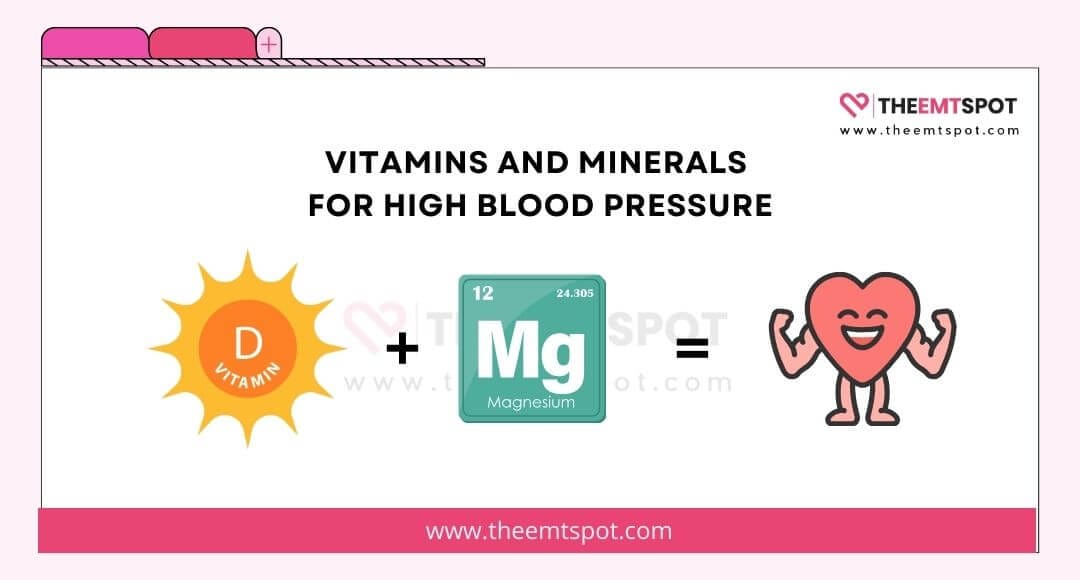
Benefits of vitamins and supplements extend beyond blood pressure regulation, supporting immune function, bone health, and compensation for dietary deficiencies.
The effectiveness of vitamins and supplements varies widely, depending on bioavailability, individual health conditions, and the presence of other nutrients.
Substantial research backs the benefits of some supplements; for example, Vitamin D’s role in bone health is well-supported by studies and institutions like the National Institutes of Health (NIH).
Not all supplements have a strong evidence base, and some claims rest on limited or anecdotal data rather than clinical trials.
Suggested servings for vitamins and supplements are typically provided by health authorities like the Food and Drug Administration (FDA) or the NIH and are often found on product labels.
Exceeding recommended doses can lead to toxicity: excess Vitamin A causes liver damage, and excess Vitamin D leads to calcium buildup in the blood.
Possible side effects of vitamins and supplements can range from mild, like nausea or headache, to severe, including organ damage or interactions with medications.
10. Manage your body weight
Maintaining a healthy body weight is defined as having a body mass index (BMI) that falls within the range considered normal, typically between 18.5 and 24.9.
Maintaining a healthy BMI is crucial for overall health, particularly for blood pressure regulation.
Higher body weight can lead to increased strain on the heart, causing higher blood pressure, while a healthy weight often correlates with normalized blood pressure levels.
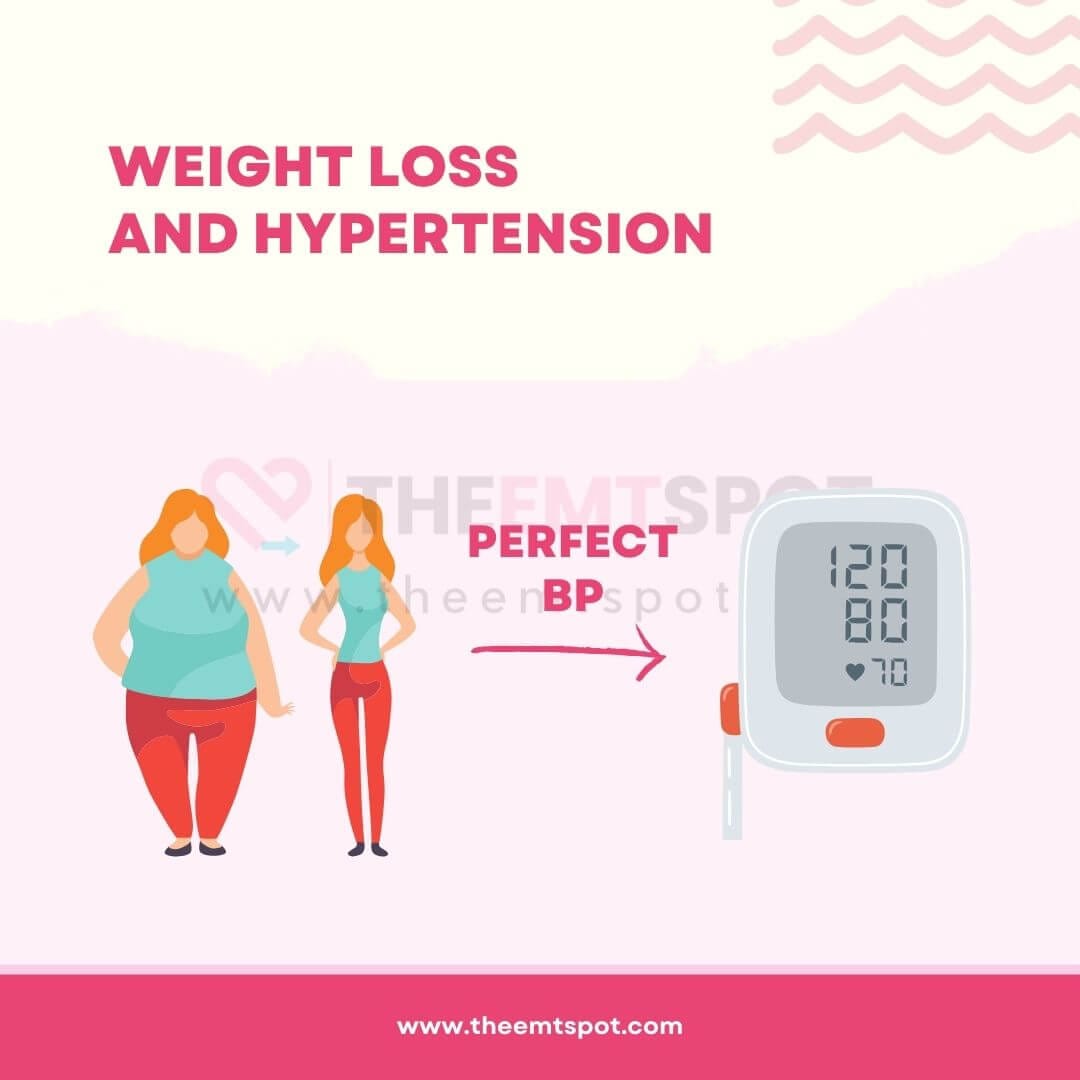
There are many perks to maintaining a healthy body weight, ranging from reduced risk of chronic diseases like diabetes and heart disease to improved mental health and mobility.
The Framingham Heart Study, funded by NHLBI, is a long-term, ongoing cardiovascular cohort study that began in 1948 to study patterns of cardiovascular and other diseases.
Research involving 14,000 residents of Framingham, Massachusetts, has indicated that overweight individuals face a substantially greater risk of heart disease development when compared to those who maintain a healthy weight.
To embark on the journey towards a healthy body weight, it is recommended to start with small, sustainable changes.
These include incorporating more whole foods like fruits, vegetables, and lean proteins into the diet, increasing physical activity gradually, and seeking support from healthcare professionals or weight management programs when necessary.
Mindful eating practices and keeping a food diary can also be beneficial in making more informed choices about nutrition and portion sizes.
Chronic stress contributes to weight gain through cortisol-driven appetite increases, compounding its direct effect on blood pressure.
11. Reduce stress
Stress is a notable contributor to high blood pressure; when you’re stressed, your body is in a constant state of ‘fight or flight’, producing stress hormones which increase your heart rate and constrict your blood vessels, thus raising your blood pressure.
Below are some of the facts that will help you understand stress better and, thereby, regulate it effectively.
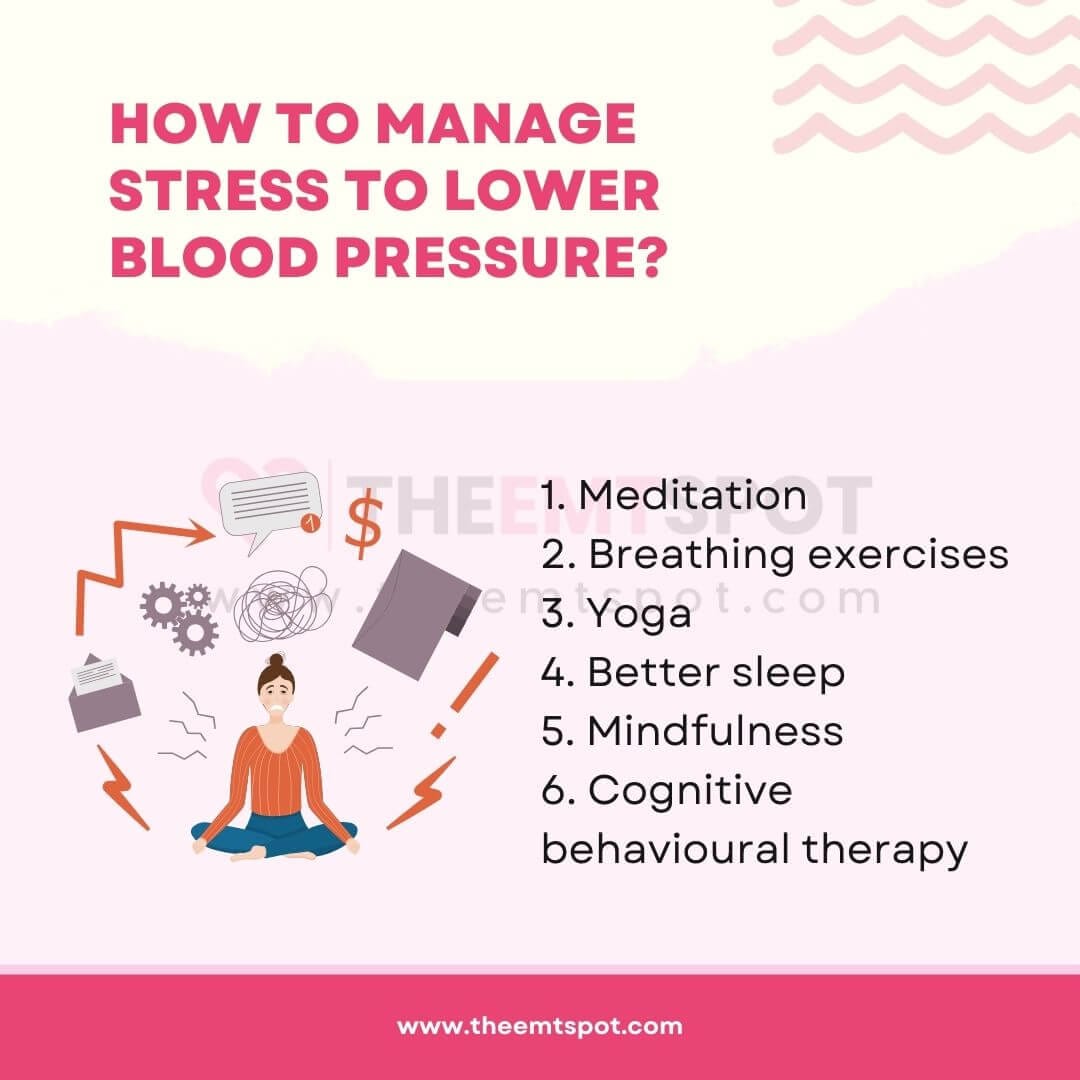
12. Exercise regularly
Regular physical activity is a structured exercise regimen or any bodily movement that enhances or maintains physical fitness and overall health.
Engaging in regular physical activity can significantly affect blood pressure levels, often contributing to a decrease in both systolic and diastolic measurements.
The benefits of such activity are manifold, including strengthening the heart muscle, improving blood circulation, and reducing stress levels, all of which collectively contribute to lower blood pressure.
The AHA suggests a weekly exercise regimen that consists of either 2.5 hours of moderate-intensity aerobic activity, 75 minutes of vigorous-intensity activity, or a combination of these, along with muscle-strengthening exercises on two or more days per week.
According to a 2022 Nature study, “A single session of exercise reduces blood pressure reactivity to stress: a systematic review and meta-analysis,” even a single session of strenuous workout reduces blood pressure in younger adults.
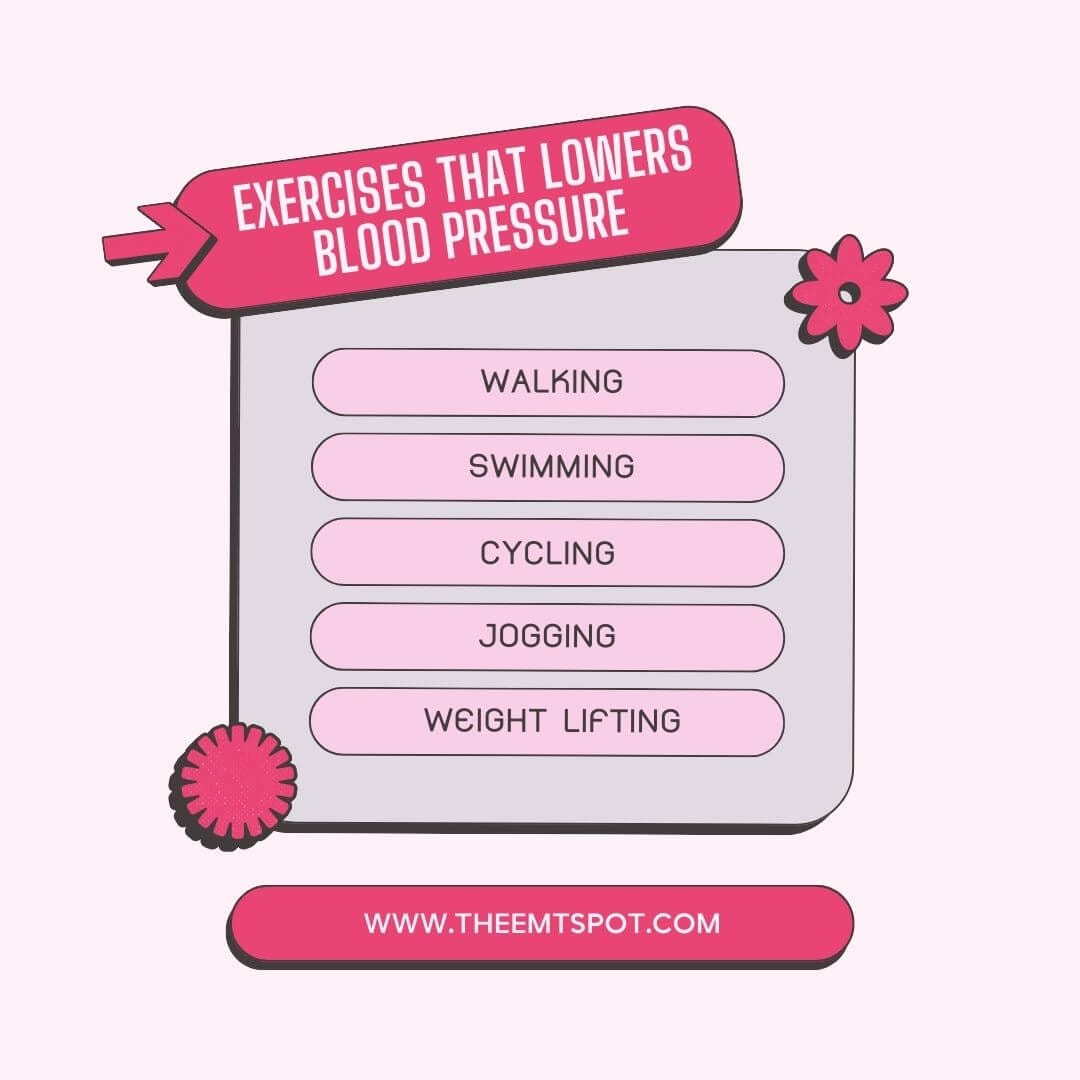
Aerobic exercises such as brisk walking, swimming, cycling, and jogging are recommended for blood pressure management, as they improve heart and lung efficiency.
Strength training workouts, such as weight lifting, contribute to healthy blood pressure by improving cardiac output and reducing arterial stiffness.
Starting with short 10-minute sessions and progressively increasing duration and intensity is the recommended approach for those new to exercise.
Choosing activities you enjoy is essential, which will help ensure consistency and long-term adherence.
Consulting a doctor before starting a new exercise programme is strongly advised, particularly for individuals with existing cardiovascular risk factors.
13. Get good sleep
Lowering blood pressure is a vital health goal for many, and ensuring a restful night’s sleep can be a significant contributor to this aim.
Sleep enables the body to control stress hormones and assists in maintaining a healthy nervous system, both of which are essential for regulating blood pressure levels.
A restful night’s sleep offers advantages such as enhanced mood, improved cognitive function, and a reinforced immune system, all of which indirectly contribute to cardiovascular well-being.
CDC recommends that adults should get at least 7 hours of uninterrupted sleep; otherwise, it may increase the risk of hypertension.
A study by David A. Calhoun, MD, and Susan M. Harding, MD, FCCP, published in the journal Chest, suggests that cardiovascular disease is elevated if blood pressure does not decrease during sleep.
Sleep quality plays a critical role in determining this dip in blood pressure.
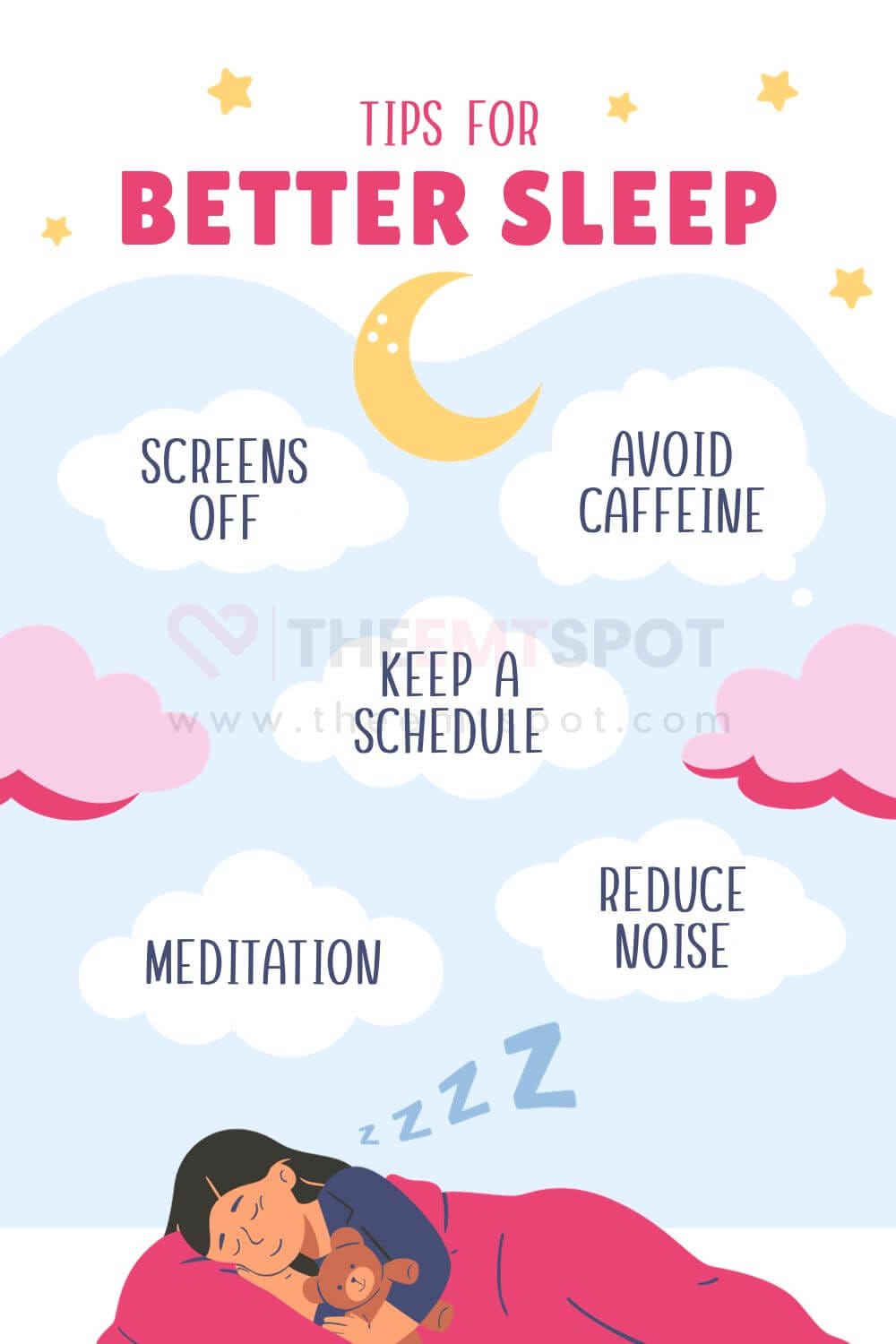
Recommended practices include establishing a regular sleep schedule, creating a restful environment free from noise and light pollution, and avoiding stimulants like caffeine close to bedtime.
Other strategies to initiate this habit include participating in relaxing activities before bedtime and designating your bedroom exclusively for sleep, reinforcing the mental connection between space and rest.
You can take a significant step towards managing your blood pressure and improving your overall health by prioritizing sleep hygiene.
14. Limit alcohol intake
Restricting alcohol intake is a recognized approach to managing hypertension, a condition characterized by persistently high blood pressure.
Alcohol can cause a significant and immediate rise in blood pressure, even in moderate amounts.
Reducing alcohol consumption can have a beneficial effect on blood pressure, often leading to a noticeable decrease in hypertensive individuals.
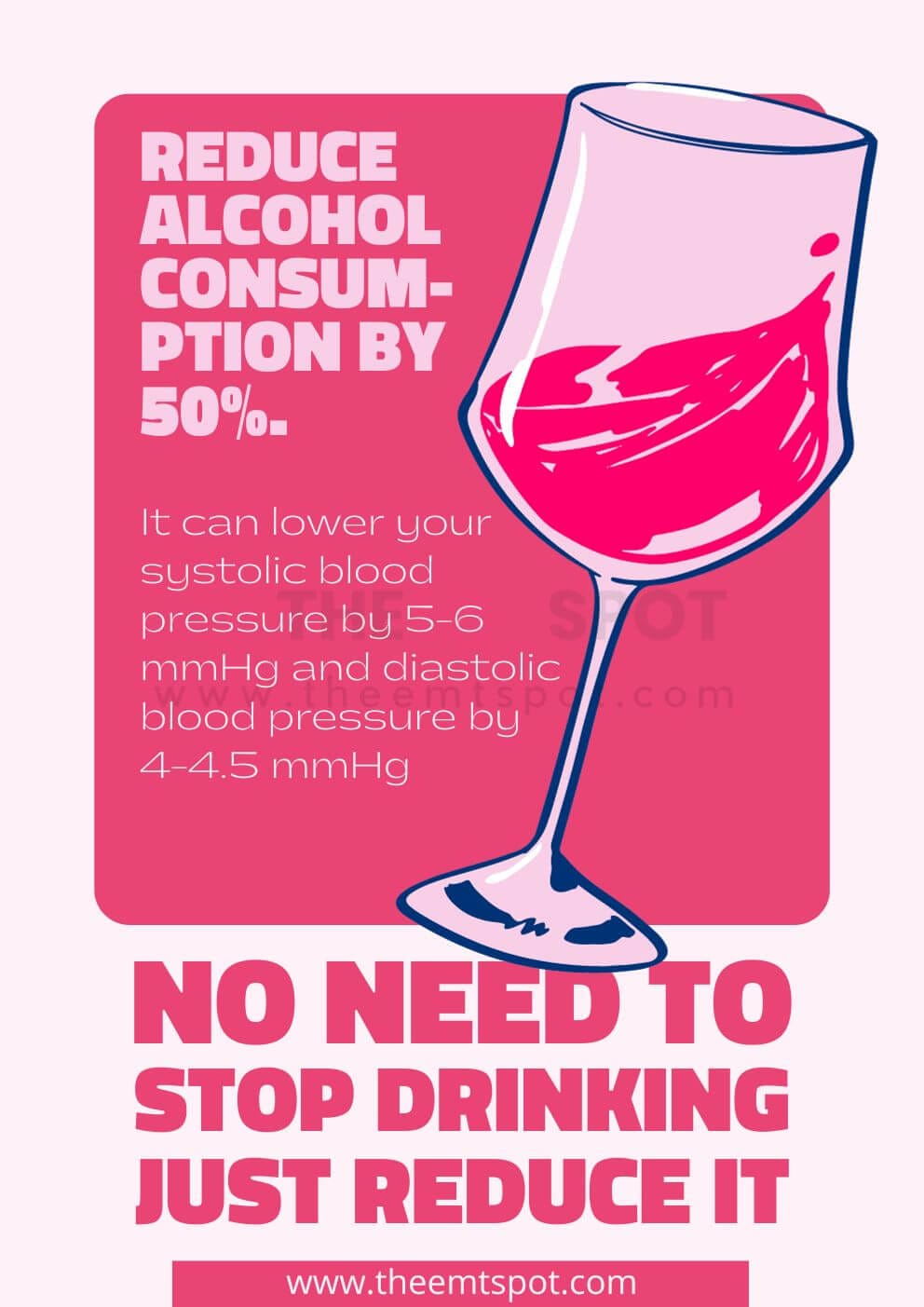
A meta-analysis published in The Lancet Public Health (Roerecke et al., 2017) found that a 50% reduction in alcohol intake in people consuming 6 or more drinks per day decreases systolic blood pressure by 5.5 mmHg.
Diastolic pressure fell by approximately 4 mmHg in the same population.
Moderation is key, with suggested servings typically capped at one drink a day for women and two for men, as defined by the U.S. Dietary Guidelines for Americans.
Excessive alcohol intake counteracts these benefits, triggering a rebound effect that worsens hypertension.
The threshold for too much varies individually but generally aligns with surpassing daily recommended limits.
Overconsumption of alcohol not only negates its antihypertensive effects but also poses other health risks, such as liver disease, addiction, and an increased likelihood of accidents.
Restricting alcohol intake is an effective tool for managing blood pressure, provided consumption stays within recommended daily limits.
15. Quit smoking
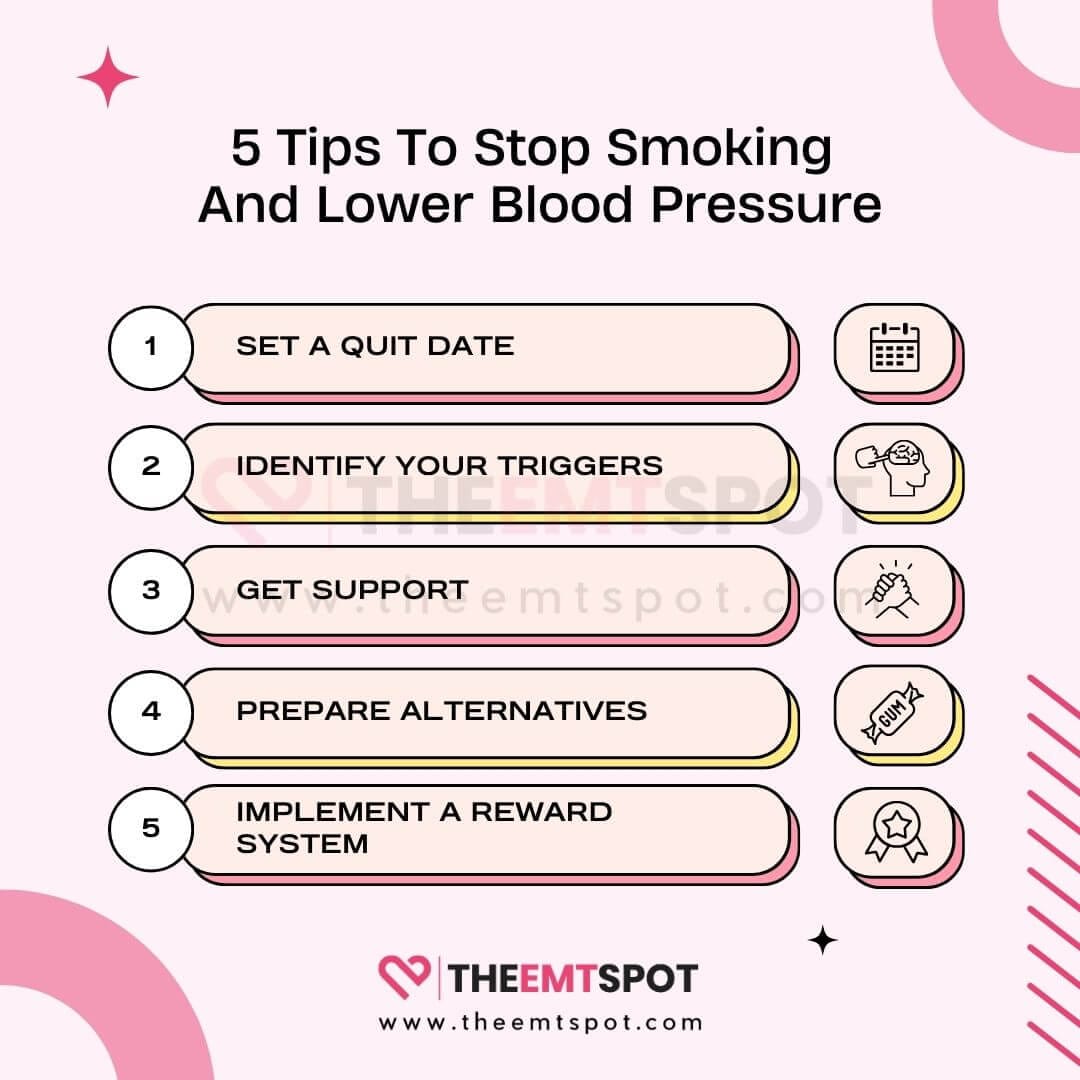
Lowering blood pressure is a critical health goal for many, and kicking the smoking habit plays a pivotal role in achieving it.
Smoking cigarettes has a direct and adverse effect on blood pressure, causing an immediate spike due to the nicotine’s stimulatory effect on the cardiovascular system.
In the long term, it contributes to the hardening of arteries and a sustained increase in blood pressure.
Abstaining from smoking offers a multitude of benefits, including reduced blood pressure, decreased heart disease risk, and improved overall cardiovascular health.
The AHA recognises smoking as directly linked to an elevated risk of hypertension, and passive smoking is independently associated with arterial plaque buildup (atherosclerosis).
A study published in the AHA journal Hypertension, titled “Effects of Smoking Cessation on Changes in Blood Pressure and Incidence of Hypertension,” found that some individuals show a transient blood pressure increase after cessation, attributed to weight gain and withdrawal effects rather than the cessation itself.
The majority of clinical studies confirm a positive association between smoking cessation and reduced hypertension risk over time.
Unlike dietary changes or medications, there are no suggested “servings” or doses when it comes to smoking cessation; the goal is complete abstinence.
Cessation carries short-term side effects, including nicotine withdrawal symptoms such as irritability, cravings, and temporary weight gain.
These side effects are temporary and minor relative to the long-term cardiovascular benefits of quitting.
16. Cut back on caffeine
Caffeine, a common stimulant present in items such as coffee, tea, chocolate, etc., has the potential to trigger a brief yet significant elevation in your blood pressure levels, regardless of whether you are typically prone to hypertension or not.
The precise way caffeine does this isn’t fully understood, but it’s believed to block a hormone that helps keep your arteries widened, or it might cause your adrenal glands to release more adrenaline, which causes blood pressure to increase.
For habitual caffeine consumers, tolerance to its blood pressure-raising effect often develops, and evidence for a long-term impact on blood pressure remains limited.
According to the European Society of Hypertension and the European Society of Cardiology, the quality of most studies is insufficient to issue a firm recommendation or discouragement of coffee consumption.
The European Food Safety Authority (EFSA) observed that caffeine consumption can induce a temporary mean increase in systolic and diastolic BP, but there is high inter-individual variability, and the BP generally returns to baseline after about 2 to 4 hours.
Keeping caffeine intake within safe limits remains the standard clinical recommendation, particularly for people with hypertension.
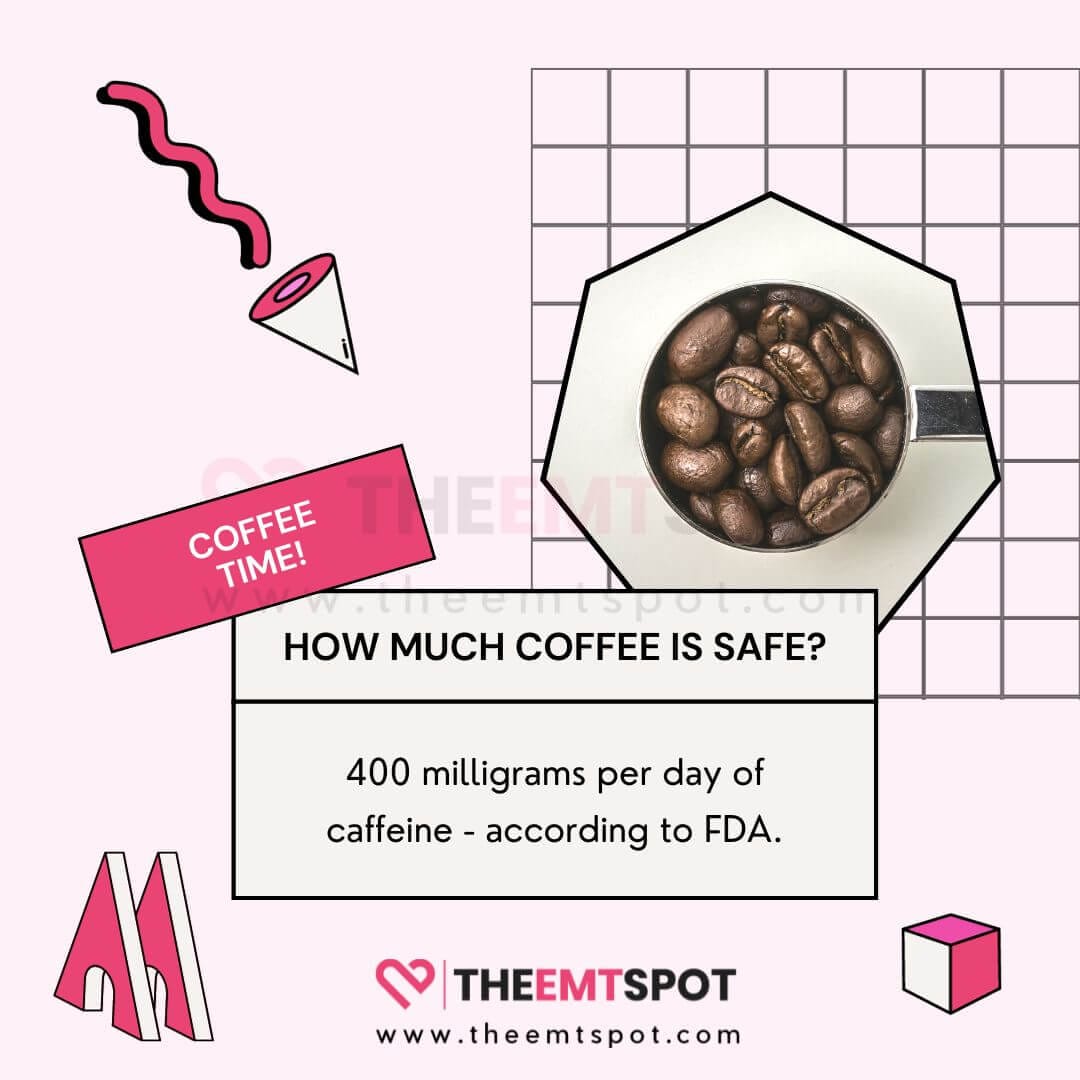
The FDA states that 400 milligrams per day of caffeine is generally safe for most people, which includes those with high blood pressure.
Herbal teas and decaffeinated coffee are practical substitutes for reducing caffeine intake.
Gradual reduction, rather than abrupt cessation, avoids withdrawal symptoms such as headaches and irritability.
For instance, you can mix regular coffee with decaffeinated coffee and slowly increase the proportion of decaf over time or opt for smaller servings of caffeinated beverages.
How to lower blood pressure while pregnant?
Lowering blood pressure during pregnancy is vital for the well-being of both mother and baby.
Regular prenatal care allows careful monitoring and provides tailored guidance from healthcare professionals.
According to Prof. Jacquelyn McMillian-Bohler, Assistant Clinical Professor at Duke University School of Nursing:
“Hypertensive disorders typically affect about 5% to 10% of pregnancies overall, and they are the leading cause of maternal mortality.”
She added:
“So, epidemiologically speaking, it affects up to about 8% of pregnancies worldwide.”
Prof. Bohler continued:
“Now, among other patients who experience chronic hypertension, 41% will end up delivering via cesarean, 28% will experience a preterm birth, 25% to 40% will go on to develop preeclampsia, which is different. 21% will have a baby that ends up in the neonatal intensive care unit, 17% will experience a baby of low birth weight, and 4% will have a fetal death.”
Adopting a healthy diet rich in fruits, vegetables, whole grains, and lean proteins while limiting salt intake can be beneficial in managing blood pressure levels.
Doctor-approved physical activities and stress-reduction techniques such as prenatal yoga, meditation, and deep breathing support healthy blood pressure during pregnancy.
Pregnant women should avoid tobacco, alcohol, and excessive caffeine, as these substances can elevate blood pressure and harm the pregnancy.
Monitoring weight gain to stay within recommended guidelines is another crucial aspect of managing blood pressure.
In some instances, medication may be prescribed to manage blood pressure effectively, but it is imperative to only take medicines under the guidance of a healthcare provider.
High blood pressure while pregnant can sometimes indicate more serious conditions like preeclampsia, necessitating prompt medical attention and intervention.
Follow the recommendations given by your obstetrician, as managing blood pressure during pregnancy is essential for the health and safety of both mother and child.
How can I lower blood pressure in my children?
To lower blood pressure in children, a multifaceted approach often centered around lifestyle modifications is recommended, but it’s crucial to first consult a healthcare professional for personalized guidance.
In cases where a child is diagnosed with hypertension, consider consulting a pediatric cardiologist, as proper intervention is crucial in alleviating any impending dangers.
How long does it take for blood pressure to decrease?
The duration it takes for blood pressure to decrease can vary significantly based on the approach taken and individual health factors.
Lifestyle modifications like dietary adjustments, regular exercise, and stress management can lead to noticeable improvements in blood pressure within a few weeks to months, provided these changes are consistently adhered to over time.
On the other hand, medications prescribed for hypertension may start affecting blood pressure within hours to days, though it might take several weeks to witness their full impact.
Intensive lifestyle changes, including the DASH diet combined with sodium restriction, can produce measurable reductions in blood pressure within 2 to 4 weeks, with the full effect typically established after 3 to 6 months of consistent adherence.
In urgent situations, such as a hypertensive crisis, intravenous medications can rapidly lower blood pressure within minutes to hours.
It’s crucial to work closely with a healthcare professional to tailor a treatment plan, as responses can differ based on each person’s health status, the severity of their hypertension, and the chosen treatment method.
Continuous monitoring and potential adjustments to the treatment plan are often necessary for effective long-term blood pressure management.
How to lower blood pressure instantly?
Lowering blood pressure instantly can be challenging, as most methods for managing blood pressure are gradual.
During moments of acute stress or anxiety, some approaches may help lower blood pressure slightly and temporarily.
The following techniques may produce a temporary reduction in blood pressure during acute stress episodes, though none replace medical treatment for sustained hypertension.
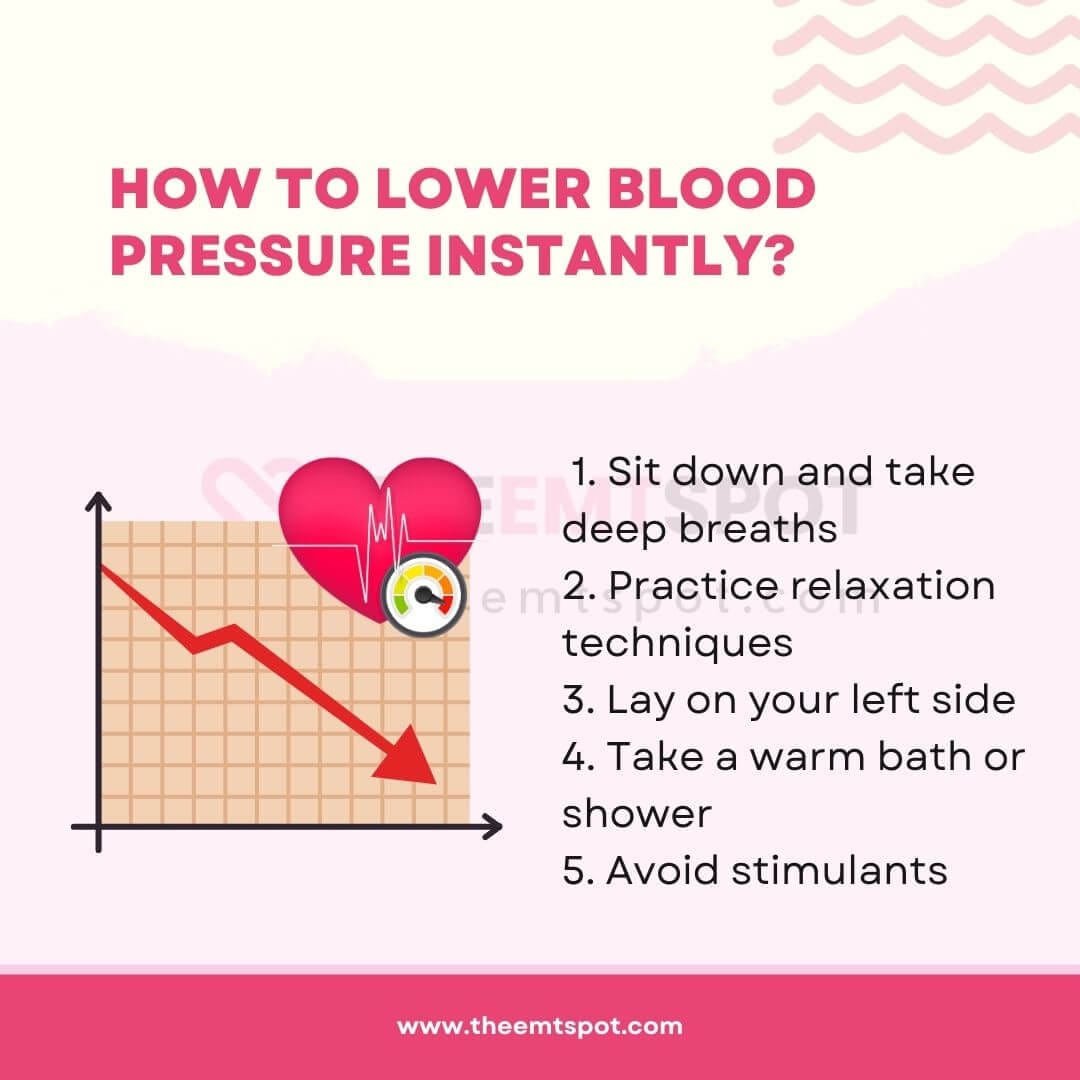
It’s important to note that these methods may not have a significant impact and are not substitutes for medical treatment.
Regular monitoring is essential for anyone living with high blood pressure, given the serious organ damage it causes without warning symptoms.
What are the dangers and risks of hypertension?
The following dangers of hypertension are well-documented by the Mayo Clinic and major cardiovascular institutions.
Heart disease and heart attack
High blood pressure can lead to hardening and thickening of the arteries (atherosclerosis), which can result in a heart attack.
Stroke
Hypertension can cause blood vessels in the brain to clog more easily or even burst, leading to a stroke.
Heart failure
The increased workload from high blood pressure can cause the heart to enlarge and fail to supply blood to the body.
Kidney disease or failure
Hypertension can damage the arteries around the kidneys and interfere with their ability to filter blood effectively.
Vision loss
High blood pressure can strain or damage blood vessels in the eyes.
Sexual dysfunction
This is more common in men with hypertension and can manifest as erectile dysfunction.
Peripheral artery disease (PAD)
Hypertension can narrow blood vessels in the legs, leading to pain, cramps, and fatigue while walking.
Aneurysms
Increased blood pressure can cause blood vessels to weaken and bulge, forming aneurysms. If an aneurysm ruptures, it can be life-threatening.
Cognitive changes
Uncontrolled high blood pressure may also affect your ability to think, remember, and learn. Trouble with memory or understanding concepts is more common in people with high blood pressure.
Metabolic syndrome
This syndrome is a cluster of disorders of your body’s metabolism, including increased waist circumference, high triglycerides, low HDL cholesterol, high blood pressure, and high insulin levels.
Recognising early warning signs helps prompt timely consultation with a doctor before serious complications develop.
What are the symptoms of high blood pressure?
Symptoms of high blood pressure are often not present, especially in the early stages of hypertension.
Visible symptoms are typically exhibited during a hypertensive crisis stage, by which point it may already be too late.
According to AHA guidelines and practices, below are a few points that can help you identify hypertension at an early stage.
Understanding the causes of hypertension supports more effective monitoring and informed lifestyle decisions.
What are the causes of high blood pressure?
What causes high blood pressure? Various experts have attempted to answer this question in different ways, but the answers often remain the same.
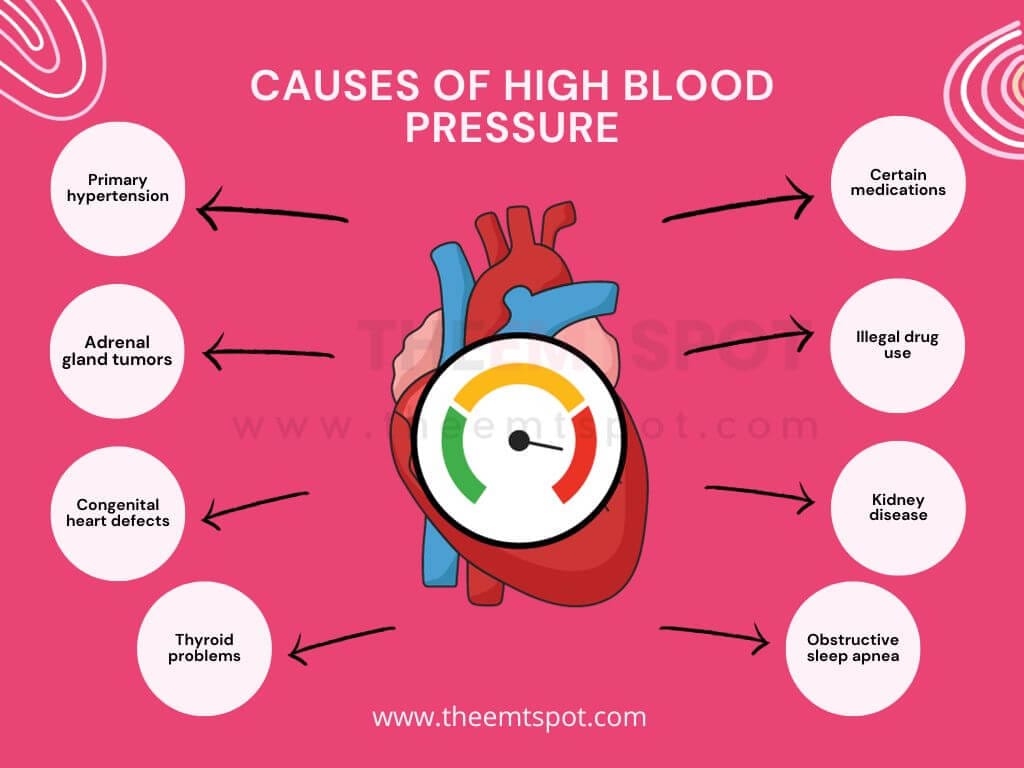
According to Penn Medicine at the University of Pennsylvania Health System, the below factors are the causes of hypertension.
Primary hypertension
Typically has no identifiable cause and develops gradually over many years.
Adrenal gland tumors
Growths on the adrenal glands can disrupt hormone balance, raising blood pressure.
Congenital heart defects
Structural problems in the heart present from birth can affect blood flow and pressure.
Certain medications
Some drugs, including over-the-counter ones, can elevate blood pressure.
Illegal drug use
Stimulants like cocaine and amphetamines can cause significant spikes in blood pressure.
Kidney disease
The kidneys play a crucial role in regulating blood pressure, and disease can impair this function.
Obstructive sleep apnea
Interrupted breathing during sleep can cause blood pressure to rise.
Thyroid problems
Both hyperthyroidism and hypothyroidism can affect blood pressure.
Dietary habits are directly linked to several of these causes, making food choices a modifiable driver of blood pressure control.
What foods can cause high blood pressure?
Food choices have a measurable impact on blood pressure, with quantity and nutritional composition being the key determinants.
Most unexpectedly, a study published in 2017 in the journal Advanced Nutrition revealed that commonly perceived healthy foods such as whole grains, refined grains, vegetables, fruits, nuts, legumes, eggs, dairy, and fish were found to increase blood pressure in a sample group.
Any blood pressure increase from food is dose-dependent, meaning it is directly related to the quantity consumed rather than an inherent property of the food itself.
One of the primary culprits is salt, or sodium, which is abundant in processed and packaged foods, canned soups, deli meats, and fast food.
Saturated and trans fats, found in fatty cuts of meat, full-fat dairy products, butter, and some baked goods, contribute to arterial plaque buildup (atherosclerosis), raising blood pressure.
High consumption of sugar and refined carbohydrates, prevalent in sodas, sweets, and white bread, promotes weight gain, a direct risk factor for hypertension.
Alcohol consumption, when excessive, can significantly increase blood pressure, and caffeine, present in coffee, tea, chocolate, and some soft drinks, may cause a temporary spike in some individuals.
Regular consumption of red meat, particularly processed varieties, is another factor due to its high saturated fat and sodium content.
Additionally, while fermented foods can offer health benefits, many pickled varieties are high in sodium, potentially increasing blood pressure.
Not just foods, even the choice of beverage has a strong influence on your blood pressure.
What drinks can cause high blood pressure?
Certain drinks can contribute to high blood pressure, and their usage and regulation are clearly mentioned in AHA, CDC, and NIH guidelines.
Individual responses to these beverages vary considerably, with genetics, lifestyle, and overall dietary patterns all influencing blood pressure outcomes.
What is a blood pressure chart, and how do you read it?
A blood pressure chart serves as a guide to evaluate whether your blood pressure readings indicate healthy levels or potential health issues.
Blood pressure is expressed as two numbers measured in millimeters of mercury (mmHg).
- Systolic pressure (the top number) indicates the arterial pressure as the heart beats.
- Diastolic pressure (the bottom number) represents the pressure during the heart’s rest between beats.
Normal blood pressure reads below 120/80 mmHg under AHA guidelines.
Elevated blood pressure ranges from 120 to 129 mmHg systolic with diastolic below 80 mmHg.
High blood pressure is categorised into stage 1, stage 2, and hypertensive crisis.
When two readings fall into different categories, the higher number determines the overall classification.
For example, a 125/85 mmHg reading classifies as stage 1 hypertension because the diastolic number is in this range.
These charts can be customized for different demographics and are useful for tracking trends over time, which is essential for managing your health with the guidance of a healthcare provider.
How to take blood pressure at home?
If you wonder how to take blood pressure at home correctly, you may refer to the AHA guidelines.
According to it, to accurately measure your blood pressure at home, refrain from smoking, caffeine intake, and exercising 30 minutes before taking a reading.
Ensure you use a cuff that fits and place it on your bare arm, positioning yourself with a supported back and feet flat on the ground, arm at heart level, and cuff just above the elbow.
Relax for at least five minutes before measurement, without talking or using electronic devices, and empty the bladder beforehand for an accurate reading.
Consistently measure your blood pressure at similar times each day, and consult with your doctor if the average reading over a week is elevated.
Remember, occasional fluctuations are normal and not necessarily a cause for concern.
Choosing a validated upper-arm cuff monitor is essential for accurate home readings.
For a comparison of clinically validated devices and what to look for when selecting one, see the blood pressure monitor guide.