Hypotension is a condition defined by blood pressure readings below 90/60 mmHg, according to the American Heart Association (AHA).
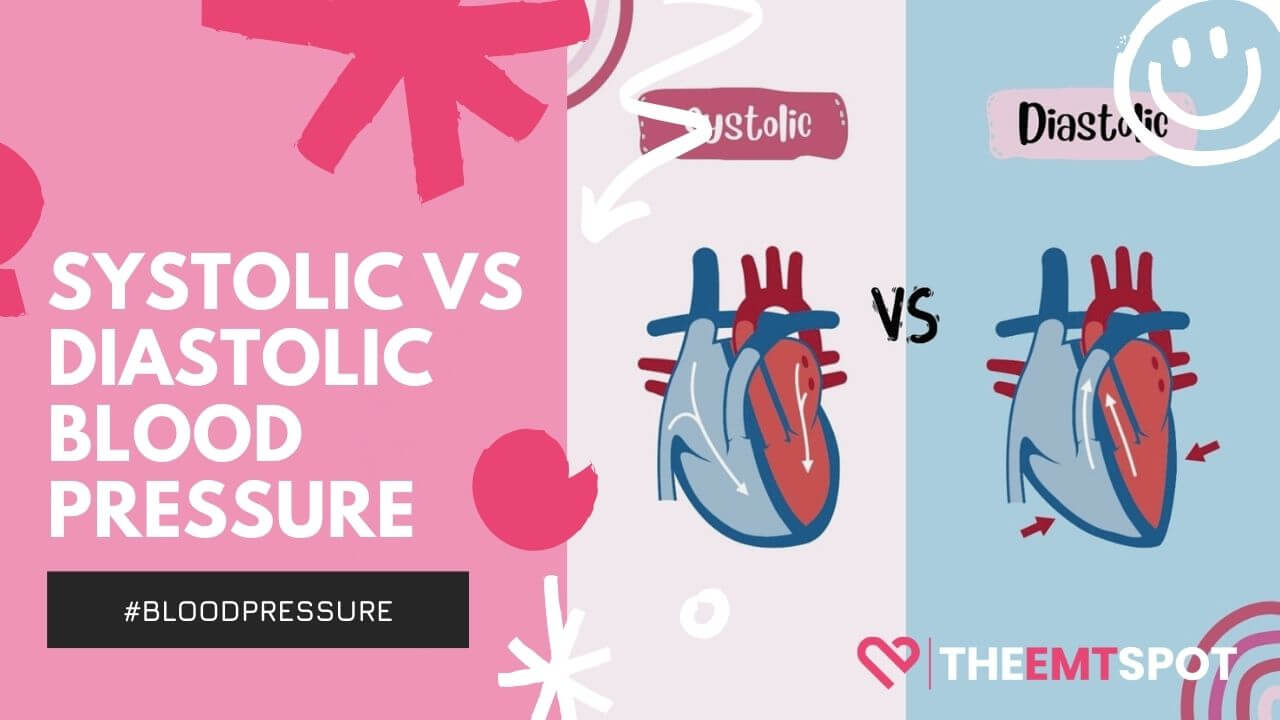
Systolic pressure, the top number, measures force during a heartbeat; diastolic pressure, the bottom number, measures force between beats.
Low blood pressure is often asymptomatic at readings just below 90/60 mmHg, but becomes clinically significant when it causes dizziness, fainting, or organ hypoperfusion.
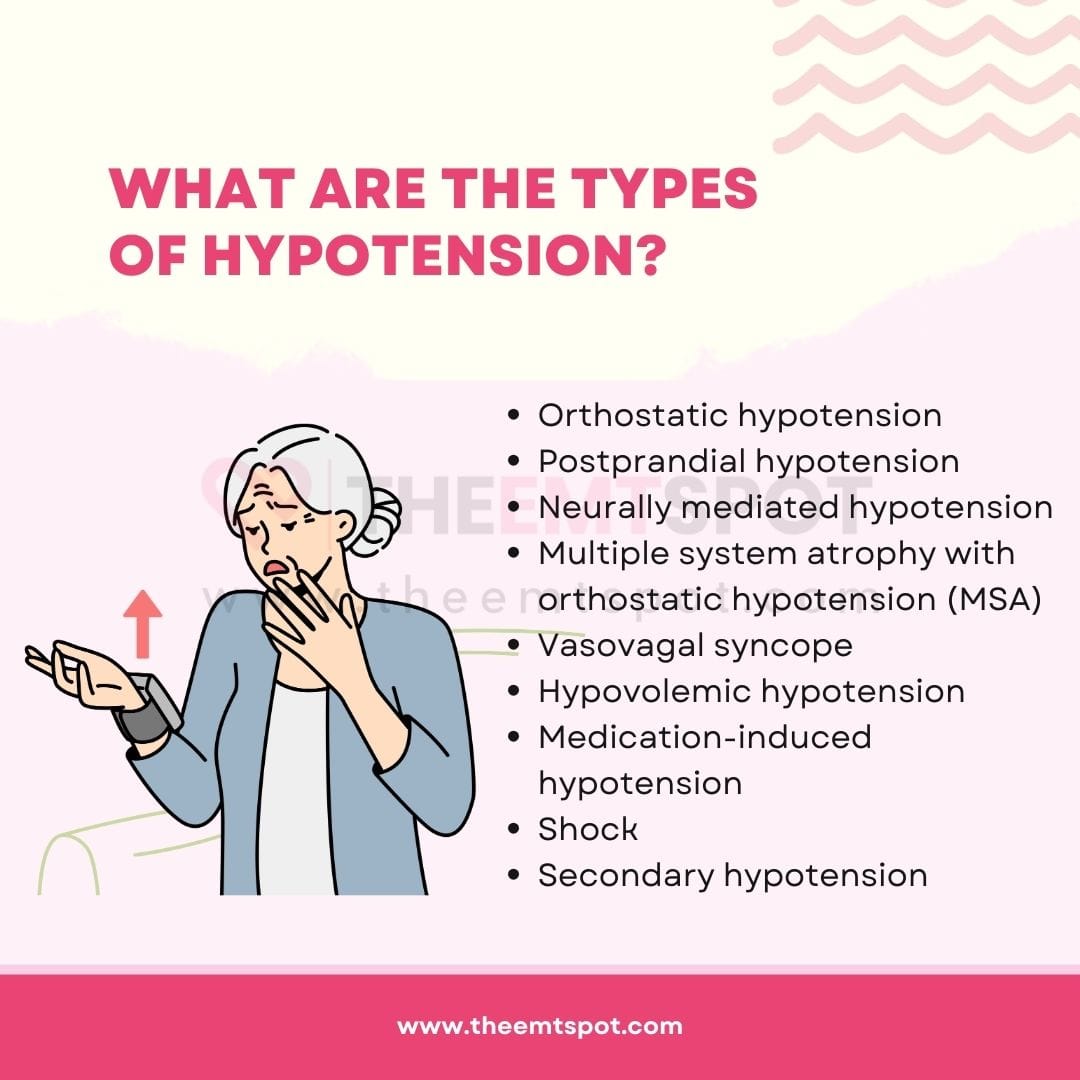
Nine recognized types of hypotension exist: orthostatic, postprandial, neurally mediated, multiple system atrophy-related, vasovagal, hypovolemic, medication-induced, shock, and secondary hypotension.
What are the types of low blood pressure (hypotension)?
Each type of hypotension has a distinct trigger, mechanism, and clinical management approach.
Orthostatic hypotension (postural hypotension)
Orthostatic hypotension is defined as a sustained drop in systolic blood pressure of at least 20 mmHg, or diastolic blood pressure of at least 10 mmHg, within three minutes of standing from a seated or lying position.
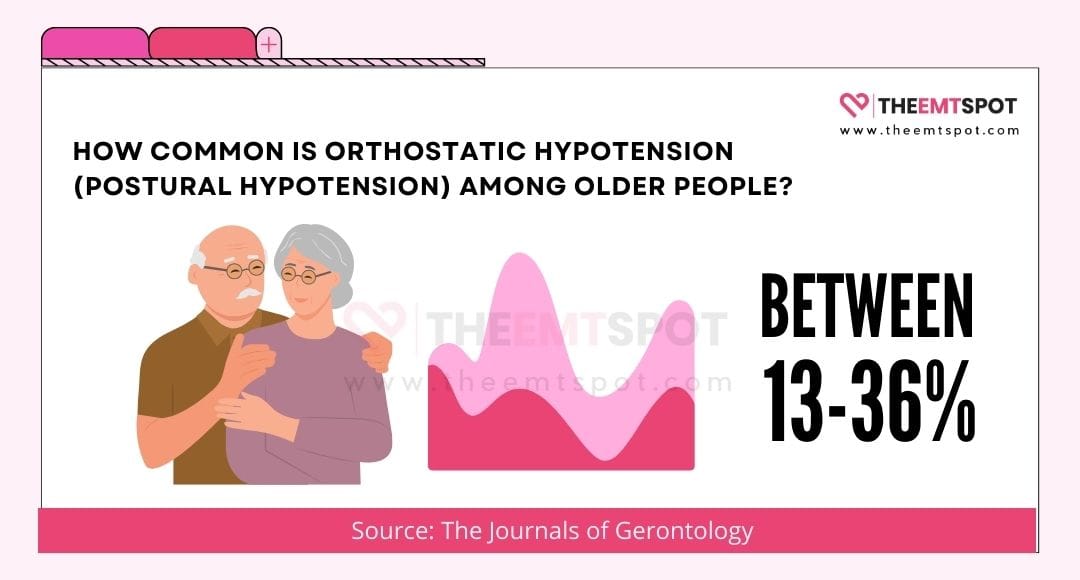
Prevalence among older adults ranges from 13.6% to 36.6% in community-dwelling populations, with a pooled estimate of 23.9% across epidemiological studies (Frith et al., The Journals of Gerontology, 2020).
Dehydration reduces circulating blood volume and impairs the baroreceptor reflex responsible for compensating for positional change.
Prolonged bed rest causes deconditioning of cardiovascular reflexes and reduces the autonomic response to upright posture.
Pregnancy redistributes blood volume toward the placenta and uterus, lowering systemic pressure particularly in the second trimester.
Antihypertensive medications, diuretics, and alpha-blockers are among the most common pharmacological causes of orthostatic hypotension.
Neurological conditions including Parkinson’s disease and diabetic autonomic neuropathy impair sympathetic nervous system signaling, preventing the rapid vasoconstriction needed on standing.
Dizziness, lightheadedness, and near-fainting on rapid position change are the characteristic symptoms.
Diagnosis involves measuring blood pressure in the supine position and again after one and three minutes of standing, with a qualifying drop confirming the diagnosis.
Treatment focuses on adequate hydration, slow positional transitions, compression stockings, and discontinuing or adjusting causative medications.
Postprandial hypotension
Postprandial hypotension is a drop in systolic blood pressure of more than 20 mmHg within one to two hours of eating a meal.
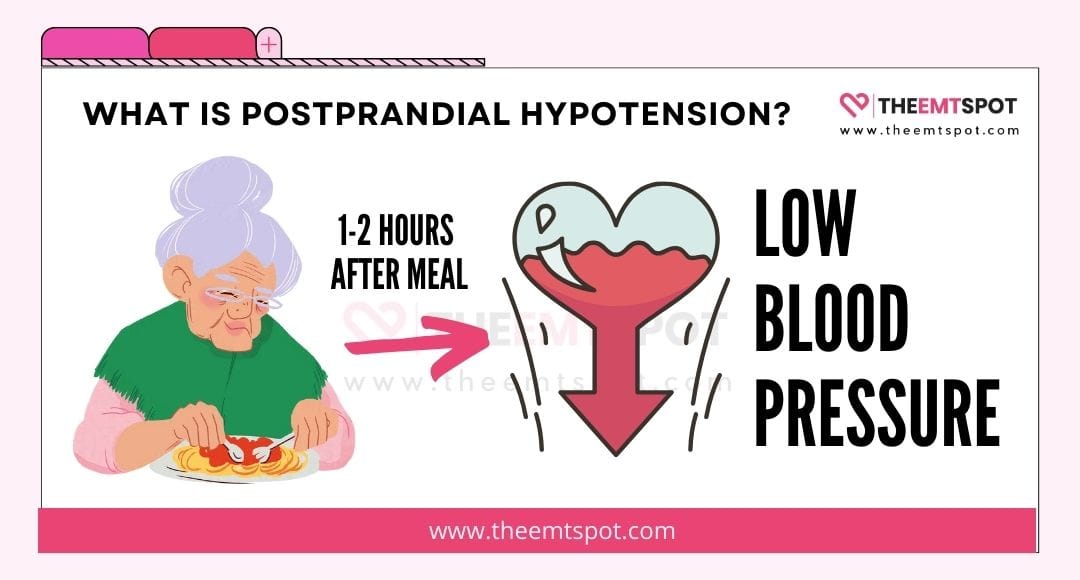
Postprandial hypotension is more prevalent in elderly individuals and those with autonomic nervous system disorders such as Parkinson’s disease or autonomic neuropathy.
Research published in the Journal of Clinical Medicine identified postprandial hypotension as an independent predictor of adverse cardiovascular outcomes.
Increased blood flow to the digestive tract after eating diverts circulation away from systemic vessels, causing a pressure drop when the autonomic nervous system fails to compensate adequately.
Aging weakens the baroreceptor reflex, reducing the speed and magnitude of the compensatory response to postprandial redistribution.
Preexisting hypertension paradoxically increases the risk by raising baseline vascular stiffness, which impairs the adaptive hemodynamic response.
Dizziness, weakness, fainting, and falls occurring specifically after meals are the defining symptoms.
Monitoring blood pressure before and 30, 60, and 90 minutes after a meal establishes the diagnosis.
Eating smaller, more frequent meals, reducing carbohydrate content per meal, increasing water intake before eating, and avoiding alcohol with food are the primary management strategies.
Neurally mediated hypotension
Neurally mediated hypotension (NMH) is a reflex-mediated drop in blood pressure triggered by prolonged standing, caused by a miscommunication between the heart and the brain.
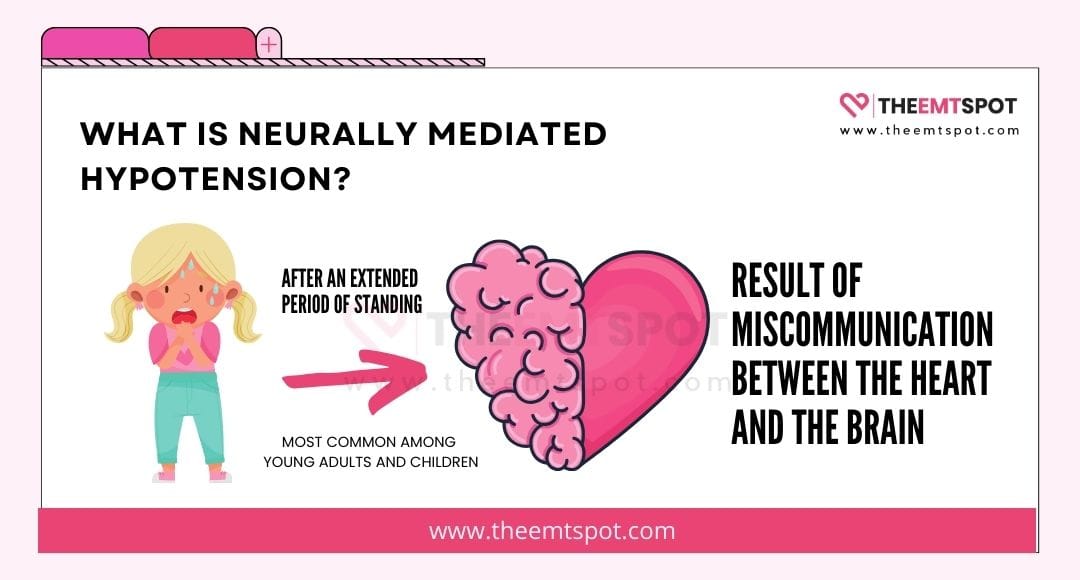
NMH is most common in young adults and children.
Chronic fatigue syndrome (CFS) is one of the strongest triggers for NMH.
Research from Johns Hopkins University demonstrated that patients with CFS show a significantly higher prevalence of neurally mediated hypotension on tilt-table testing compared to healthy controls (Bou-Holaigah, Rowe et al., JAMA, 1995).
Prolonged standing, stressful events, heat exposure, pain, fatigue, dehydration, and certain medications can each trigger NMH in susceptible individuals.
Dizziness, lightheadedness, nausea, and syncope after extended periods of upright posture are the hallmark symptoms.
A tilt-table test, in which blood pressure and heart rate are monitored across varying angles of inclination, is the standard diagnostic tool for NMH.
Increasing fluid and sodium intake, wearing compression stockings, avoiding prolonged standing, and in some cases pharmacological support with fludrocortisone are the main treatment approaches.
Multiple system atrophy with orthostatic hypotension (MSA)
Multiple system atrophy (MSA) is a rare, progressive neurodegenerative disorder in which autonomic nervous system degeneration causes orthostatic hypotension as one of its hallmark features.
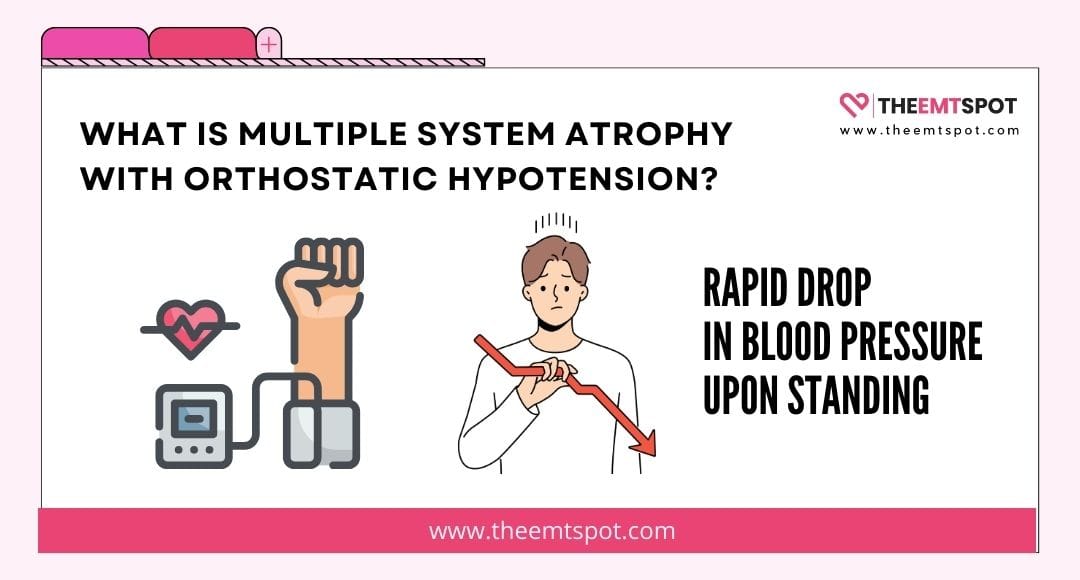
MSA causes a combination of autonomic dysfunction, Parkinson-like motor symptoms (rigidity, tremors, balance problems), cerebellar ataxia, and speech and swallowing difficulties.
The cause of MSA remains unknown, but involves the degeneration of nerve cells in specific brainstem and cerebellar areas.
No disease-modifying treatment exists for MSA.
Management focuses on symptom control, blood pressure stabilization with fludrocortisone or midodrine, physical therapy, and quality-of-life support.
Vasovagal syncope
Vasovagal syncope is a sudden, brief loss of consciousness caused by an exaggerated vagal reflex that simultaneously drops blood pressure and slows heart rate.
Triggers include prolonged standing, emotional stress, pain, blood draws, or the sight of blood.
A characteristic prodrome of nausea, pallor, sweating, and tunnel vision precedes the syncopal episode.
Recovery is rapid on lying down, as the removal of orthostatic stress restores cerebral perfusion.
Hypovolemic hypotension
Hypovolemic hypotension occurs when a significant reduction in circulating blood volume drops systemic blood pressure below the threshold for adequate organ perfusion.
Hemorrhage from trauma or internal bleeding, severe dehydration, burns, and profuse vomiting or diarrhea are the primary causes.
Tachycardia, cold and clammy skin, reduced urine output, and rapid shallow breathing accompany the blood pressure drop as the body attempts to maintain cardiac output.
Medication-induced hypotension
Medication-induced hypotension occurs when pharmacological agents lower blood pressure beyond the therapeutic target, producing symptomatic or clinically significant hypotension.
Diuretics, alpha-blockers, beta-blockers, ACE inhibitors, angiotensin receptor blockers, calcium channel blockers, nitrates, Parkinson’s disease medications, and some antidepressants are the drug classes most commonly implicated.
Reviewing and adjusting the medication regimen, particularly in elderly patients or those on multiple antihypertensives, is the primary management step.
Shock
Shock is a life-threatening form of hypotension in which blood pressure falls so severely that vital organs are deprived of oxygen and begin to fail.
Hypovolemic shock results from major blood loss, cardiogenic shock from cardiac pump failure, septic shock from overwhelming infection causing vasodilation, anaphylactic shock from a severe allergic reaction, and neurogenic shock from spinal cord injury disrupting vascular tone.
Shock requires immediate emergency intervention including IV fluids, vasopressors, and treatment of the underlying cause.
Secondary hypotension
Secondary hypotension is low blood pressure caused directly by an underlying medical condition rather than being a standalone diagnosis.
Heart failure, severe valve disease, endocrine disorders (Addison’s disease, hypothyroidism), anemia, and severe nutritional deficiencies (B12, iron, folate) are common underlying causes.
Treating the primary condition is the definitive management strategy for secondary hypotension.
What are the symptoms of low blood pressure (hypotension)?
Hypotension produces symptoms when blood pressure drops low enough to reduce oxygen delivery to the brain and vital organs.
Symptom severity varies significantly by individual.
Some people remain asymptomatic at readings below 90/60 mmHg, while others experience incapacitating dizziness at readings only marginally below normal.
Women experience more frequent blood pressure fluctuations than men due to hormonal changes during menstrual cycles, pregnancy, and menopause, each of which independently affects vascular tone and circulating volume.
Does low blood pressure make you feel cold?
Low blood pressure causes cold extremities through peripheral vasoconstriction, a reflex response in which the body prioritizes blood flow to vital organs at the expense of the hands, feet, and skin.
Reduced peripheral circulation lowers skin temperature and produces a persistent sensation of coldness in the limbs.
Cold extremities are most pronounced in hypovolemic hypotension and cardiogenic shock, where cardiac output is severely reduced.
What are the causes of low blood pressure (hypotension)?
Hypotension arises from three fundamental physiological mechanisms: reduced cardiac output, decreased circulating blood volume, and excessive vasodilation.
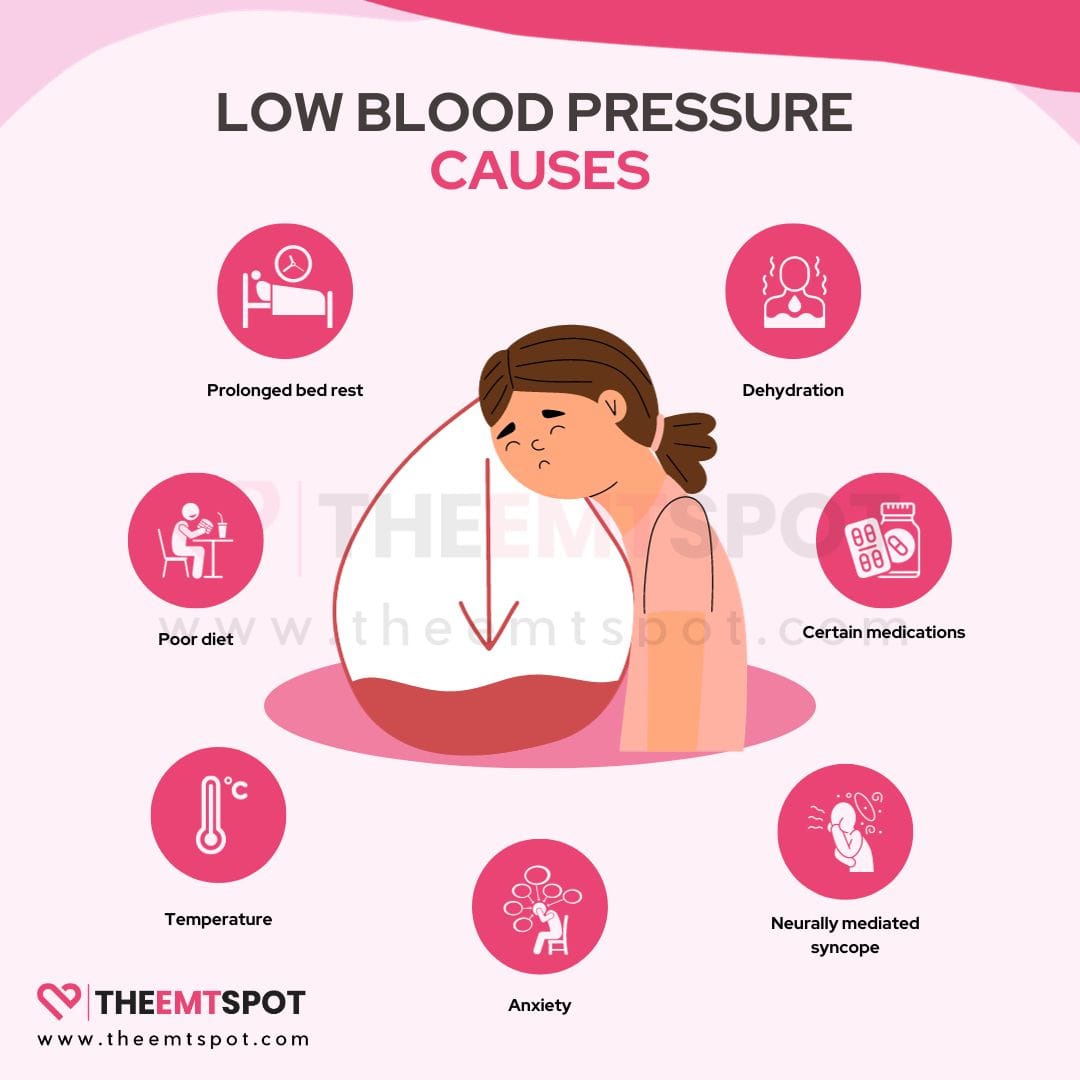
What conditions can lead to low blood pressure?
Several underlying medical conditions produce low blood pressure as a direct consequence of their pathophysiology.
Heart and valve conditions
A very low heart rate (bradycardia), heart valve dysfunction, or heart failure reduce the volume of blood the heart pumps per beat, lowering systemic pressure.
Parkinson’s disease
Autonomic nervous system degeneration in Parkinson’s disease impairs the reflex vasoconstriction needed to maintain blood pressure on standing.
Endocrine disorders
Addison’s disease (adrenal insufficiency), hypothyroidism, and pituitary disorders disrupt the hormonal balance that regulates vascular resistance and blood volume.
Significant blood loss
Trauma, surgery, or internal bleeding reduces circulating blood volume, dropping cardiac output and systemic pressure.
Severe infection (sepsis)
Systemic infection triggers massive vasodilation through inflammatory mediators, causing septic shock and a precipitous blood pressure fall.
Severe allergic reaction (anaphylaxis)
Histamine and other mediators cause widespread vasodilation and increased vascular permeability, rapidly dropping blood pressure.
Anemia
Deficiency of red blood cells reduces oxygen-carrying capacity; severe anemia lowers effective perfusion pressure to a degree that produces hypotensive symptoms.
What medications can result in low blood pressure?
Antihypertensive medications are the most common pharmacological cause of hypotension, particularly when doses are not individualized or multiple agents are combined (Saljoughian, US Pharmacist, 2014).
For a full overview of which antihypertensive medications are used to manage blood pressure conditions and their individual mechanisms, see the blood pressure medications guide.
What are the risk factors for low blood pressure?
Several characteristics increase an individual’s susceptibility to hypotension beyond the common causes.
Age
Age-related stiffening of the arteries paradoxically increases the risk of orthostatic hypotension by impairing the baroreceptor reflex, even in the presence of elevated baseline blood pressure.
Polypharmacy
The simultaneous use of multiple blood pressure-lowering medications compounds their individual effects and increases the risk of excessive pressure reduction.
Genetic predisposition
A family history of low blood pressure or related cardiovascular autonomic conditions increases individual susceptibility.
Sex and hormonal status
Postmenopausal women face higher rates of orthostatic hypotension due to the loss of estrogen’s protective vascular effects.
Low-oxygen environments
High altitude or poorly ventilated spaces can trigger compensatory vasodilation, lowering blood pressure in susceptible individuals.
Occupational standing
Jobs requiring prolonged standing cause blood pooling in the legs, reducing venous return and predisposing to orthostatic hypotension.
What causes a sudden drop in blood pressure?
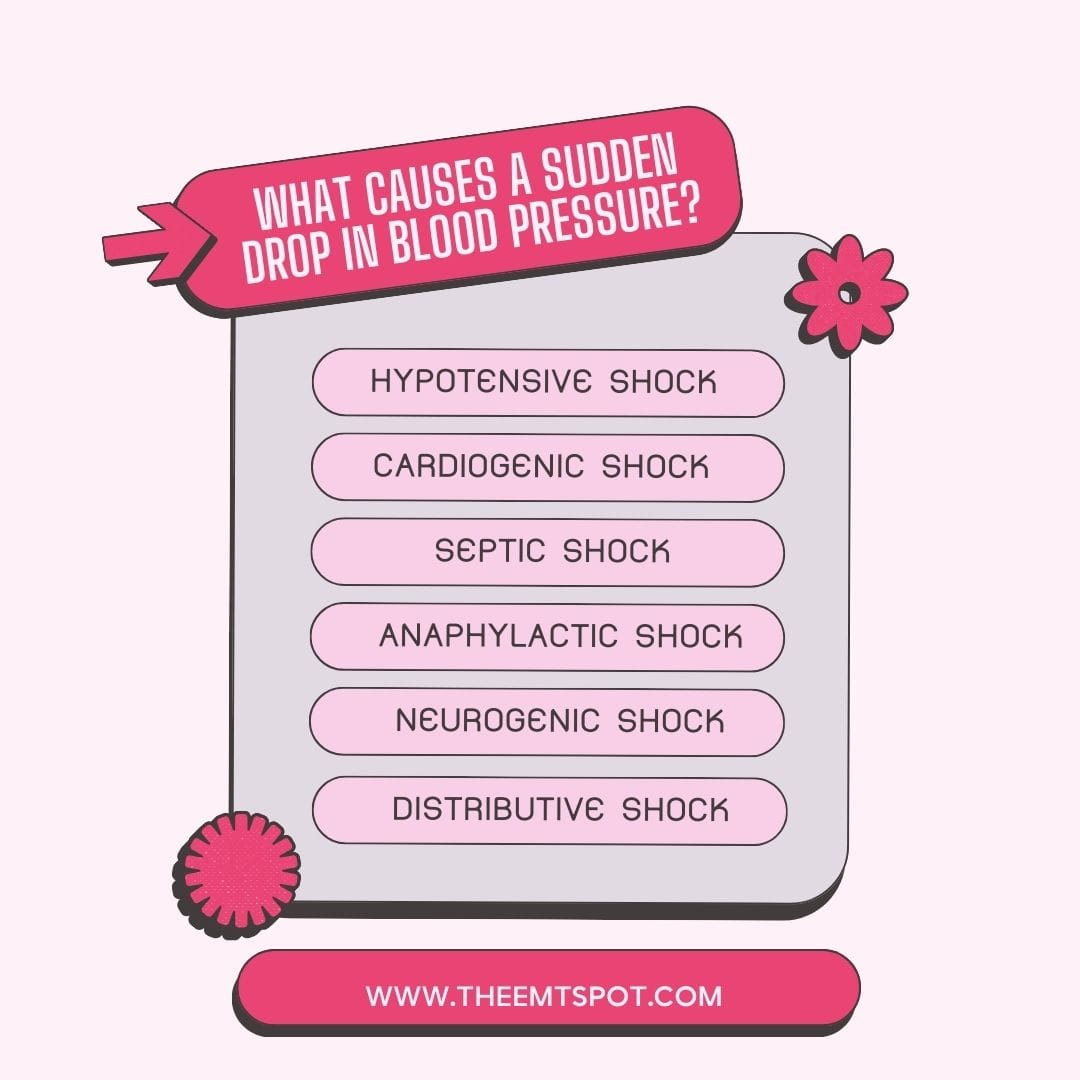
A sudden, severe blood pressure drop occurs when one of the three core mechanisms collapses acutely: circulating volume falls rapidly, the heart loses pumping capacity, or vascular resistance drops without compensation.
Hemorrhagic shock results from acute blood loss through trauma, surgery, or internal bleeding, depleting the circulating volume needed to maintain pressure.
Cardiogenic shock develops when the heart fails to pump adequately, most commonly after a myocardial infarction, severe arrhythmia, or acute valve failure.
Septic shock occurs when overwhelming infection triggers systemic vasodilation through inflammatory mediators, collapsing vascular resistance faster than the heart can compensate.
Anaphylactic shock is caused by massive histamine release from a severe allergic reaction, producing simultaneous vasodilation and increased vascular permeability.
Neurogenic shock follows spinal cord or central nervous system injury, disrupting the sympathetic outflow that maintains baseline vascular tone.
All acute shock states require emergency intervention; the specific treatment depends on the underlying mechanism.
For coverage of critically low readings and their emergency management, see the severe hypotension guide.
What do MAP and pulse pressure tell you in hypotension?
Mean arterial pressure (MAP) and pulse pressure (PP) provide additional clinical context beyond the systolic and diastolic numbers alone.
MAP represents the average pressure driving blood through the systemic circulation and is calculated as (Systolic + 2 × Diastolic) / 3.
A MAP below 60 mmHg is the clinical threshold at which organ perfusion to the kidneys and brain becomes inadequate, making MAP the most important single number in the acute assessment of hypotension.
For a full explanation of MAP ranges, calculation, and clinical significance, see the mean arterial pressure guide.
Pulse pressure (PP) is the difference between systolic and diastolic pressure and reflects stroke volume and arterial compliance.
A narrowed pulse pressure (below 25 mmHg) in the context of hypotension is a warning sign of cardiogenic shock or severe hypovolemia, where the heart is generating minimal stroke volume.
For a complete breakdown of pulse pressure values and their clinical interpretation, see the pulse pressure guide.
What are the dangers of low blood pressure (hypotension)?
Low blood pressure becomes dangerous when it reduces oxygen delivery to vital organs, a state called hypoperfusion.
Chronic hypoperfusion of cardiac tissue impairs myocardial oxygenation.
Research published in the British Medical Journal (2017) found that individuals with coronary artery disease and very low blood pressure face a substantially higher risk of major cardiovascular events including myocardial infarction.
A study in the Journal of the American College of Cardiology (2018) linked very low diastolic blood pressure with increased angina frequency in patients with chronic coronary artery disease, demonstrating that hypoperfusion of the coronary circulation occurs even without systolic collapse.
Sustained hypoperfusion of the kidneys impairs filtration capacity and can accelerate chronic kidney disease progression.
Sudden drops in blood pressure cause syncope and falls, increasing fracture risk in elderly adults whose bone density is already reduced.
Prior stroke patients face a higher risk of recurrent ischemic events when blood pressure falls too low, as reduced cerebral perfusion pressure can compromise blood flow in already-narrowed vessels.
What is considered dangerously low blood pressure?
Blood pressure below 90/60 mmHg is the clinical threshold the AHA defines as hypotension, but danger is determined by symptoms and organ impact rather than numbers alone.
Some individuals maintain adequate organ perfusion at readings as low as 70/40 mmHg without symptoms, while others develop organ hypoperfusion at readings only slightly below 90/60 mmHg due to underlying vascular disease.
The AHA guidance states that the clinical significance of low blood pressure depends on whether it causes symptoms, impairs daily functioning, or is associated with an underlying condition, not on the number alone.
When should you call a doctor regarding low blood pressure?
Seek medical evaluation for persistent lightheadedness, recurrent fainting episodes, consistent home readings below 90/60 mmHg, or any symptoms that interfere with daily function.
Call emergency services immediately for blood pressure accompanied by nausea, cold and clammy skin, rapid shallow breathing, heart palpitations, severe thirst, headache, neck or back pain, or inability to concentrate.
These combinations indicate a possible shock state requiring emergency intervention.
Symptoms that arise only during position changes, after meals, or after taking a specific medication warrant a non-emergency medical appointment to assess the underlying type and cause.
How is low blood pressure (hypotension) diagnosed?
Diagnosing hypotension requires identifying both the presence of low readings and their underlying cause.
What are the treatment methods for low blood pressure (hypotension)?
Treatment of hypotension targets the underlying cause and mechanism, rather than the blood pressure number alone.
Lifestyle modifications are the first-line intervention for most non-emergency hypotension.
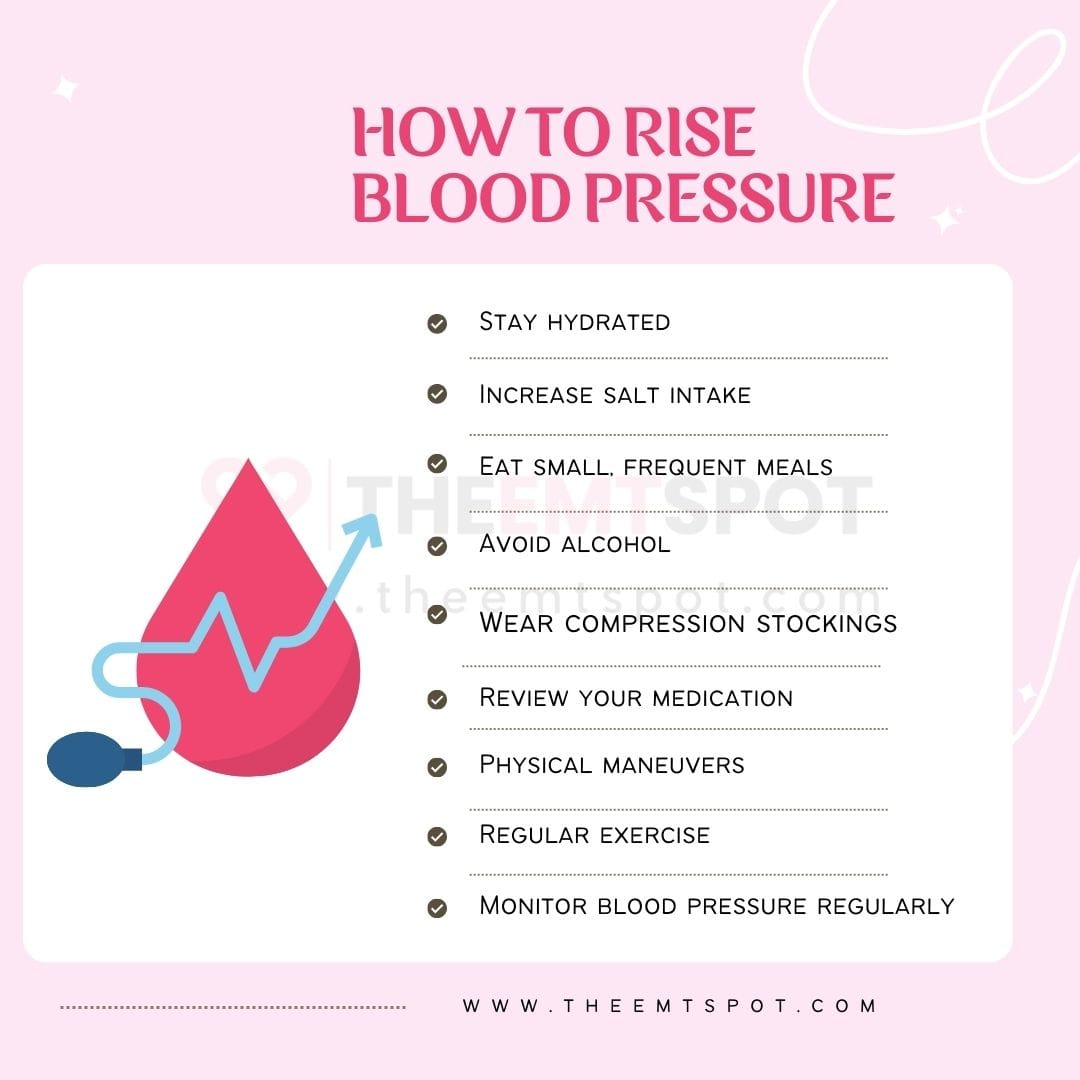
- Increasing fluid intake to 2–3 litres per day expands circulating blood volume.
- Increasing dietary sodium (with clinician guidance) raises plasma osmolarity and retains fluid volume.
- Eating smaller, low-carbohydrate, more frequent meals reduces postprandial blood diversion to the digestive tract.
- Avoiding alcohol prevents the vasodilation and diuresis that compound hypotension.
Compression stockings reduce blood pooling in the legs, improving venous return and raising systemic blood pressure, particularly for orthostatic hypotension.
Physical maneuvers, including leg crossing while seated, calf muscle tensing, and slow positional transitions, temporarily raise blood pressure by mobilizing venous blood from the lower limbs.
Medication review is essential for any patient with unexplained or persistent hypotension.
A clinician should assess whether any current medications are contributing to low blood pressure and adjust doses or substitute alternatives accordingly.
Managing underlying conditions, including heart failure, endocrine disorders, or severe anemia, addresses the root cause of secondary hypotension.
For dietary strategies that support blood pressure management, including sodium, fluid, and meal composition guidance, see the blood pressure diet guide.
What medications are used to treat low blood pressure?
Pharmacological treatment of hypotension is indicated when lifestyle modifications fail to control symptoms or when the underlying condition requires medical management.
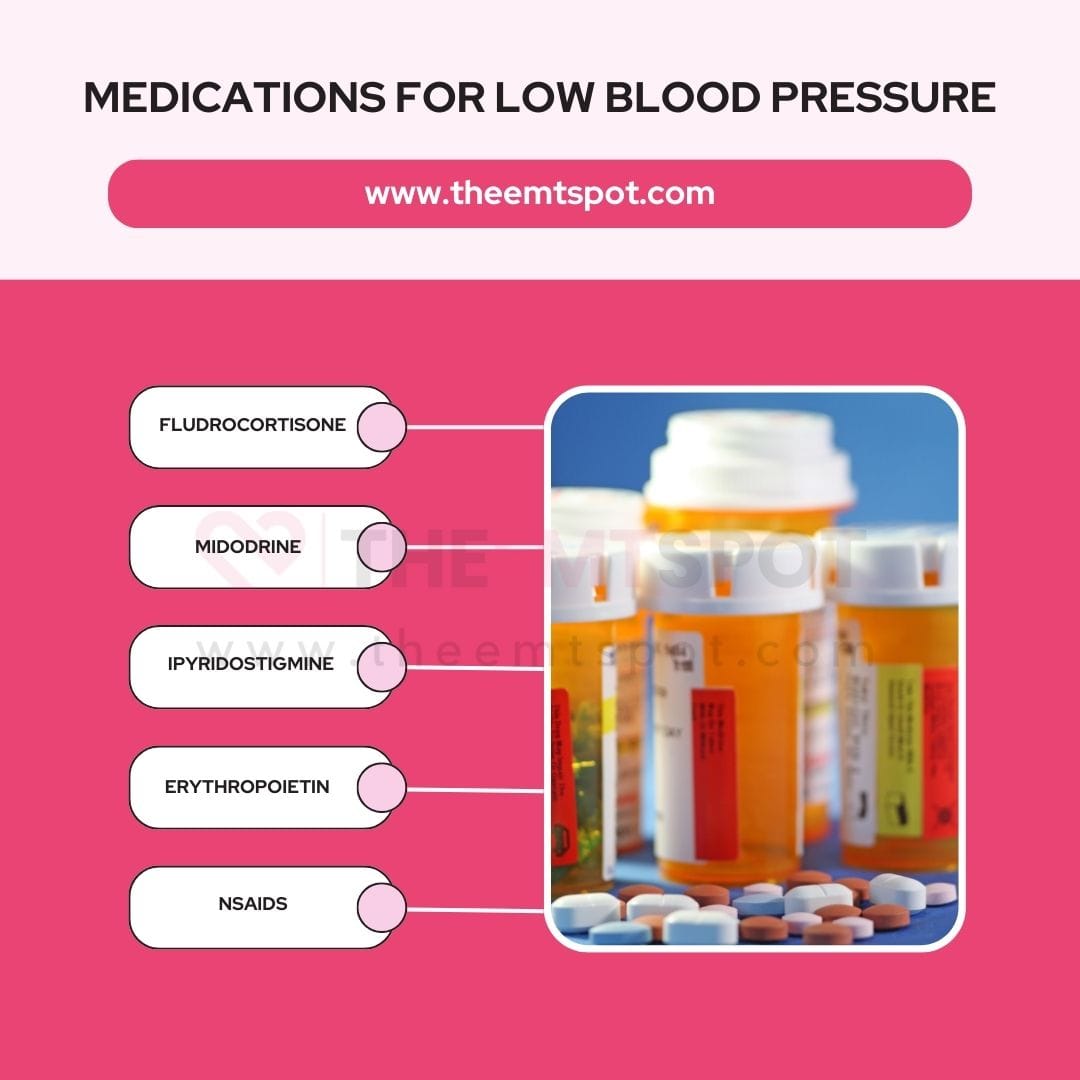
Fludrocortisone
A synthetic mineralocorticoid that enhances renal sodium retention, expanding plasma volume and raising blood pressure. Primarily used for orthostatic and neurally mediated hypotension. Side effects include fluid retention, electrolyte imbalances, and the risk of overcorrection into hypertension.
Midodrine
An alpha-1 adrenergic agonist that constricts peripheral blood vessels, raising blood pressure. Particularly effective for orthostatic hypotension and holds FDA approval for this indication. Primary side effects include supine hypertension, scalp tingling, and urinary urgency.
Pyridostigmine
Enhances cholinergic nerve signaling to blood vessels and is used in cases of orthostatic hypotension, particularly when supine hypertension limits the use of other agents. Main side effects include gastrointestinal discomfort, sweating, and muscle cramps.
Erythropoietin
Stimulates red blood cell production and is used specifically when hypotension is caused by anemia associated with chronic kidney disease. Risks at higher doses include hypertension, thrombosis, and cardiovascular events.
How can you naturally raise blood pressure?
Several non-pharmacological approaches raise blood pressure reliably in mild-to-moderate hypotension.
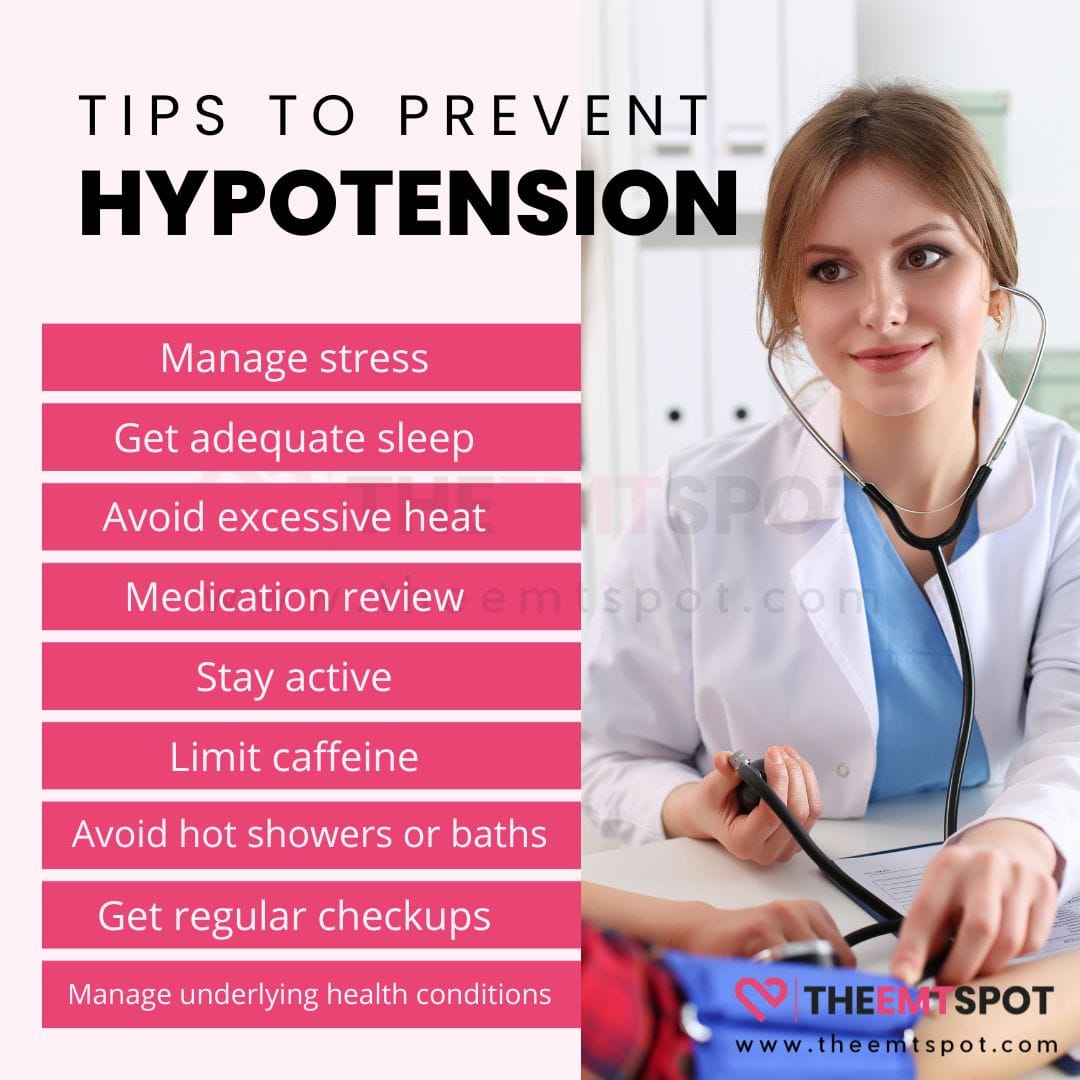
How can low blood pressure (hypotension) be prevented?
Preventing hypotension focuses on addressing modifiable risk factors and maintaining consistency in the behaviors that stabilize blood pressure.
How do you check blood pressure with a home monitor?
Accurate home blood pressure measurement requires a validated upper-arm cuff monitor, correct positioning, and consistent technique.
Wrist cuffs and cuffless wearable devices are not validated for the clinical assessment of hypotension.
Only upper-arm cuff devices with validated accuracy should be used for diagnostic monitoring.
For a detailed step-by-step guide on measurement technique, cuff sizing, and common errors, see the how to take blood pressure guide.
For guidance on selecting a validated home monitor, see the blood pressure monitors guide.