
Blood pressure guides
Blood pressure guides, ranges, symptoms, treatment and home monitoring
Use this hub to understand blood pressure numbers, compare ranges, learn how hypertension and hypotension are assessed, and explore practical guides to measurement, treatment, diet, medications and special cardiovascular topics.
Core blood pressure topics
Understand blood pressure readings, ranges and what the numbers mean
Blood pressure is measured as systolic pressure over diastolic pressure in millimeters of mercury (mmHg). The two numbers reflect pressure when the heart contracts and when it relaxes between beats.
What systolic and diastolic blood pressure mean
Learn how the top and bottom numbers are produced and why both values matter when a reading is interpreted.
Read guide → Ranges and categoriesBlood pressure chart and adult ranges
Compare low, normal, elevated, Stage 1, Stage 2 and severe blood pressure thresholds in one reference.
View chart → Reading librarySpecific blood pressure readings explained
Search individual systolic and diastolic combinations and see their category, possible meaning and next-step context.
Browse readings →Blood pressure ranges
Blood pressure categories at a glance
A single reading does not establish a diagnosis. Blood pressure is interpreted from repeated measurements and clinical context, but these ranges provide a useful starting point.
High blood pressure
High blood pressure causes, risks and treatment
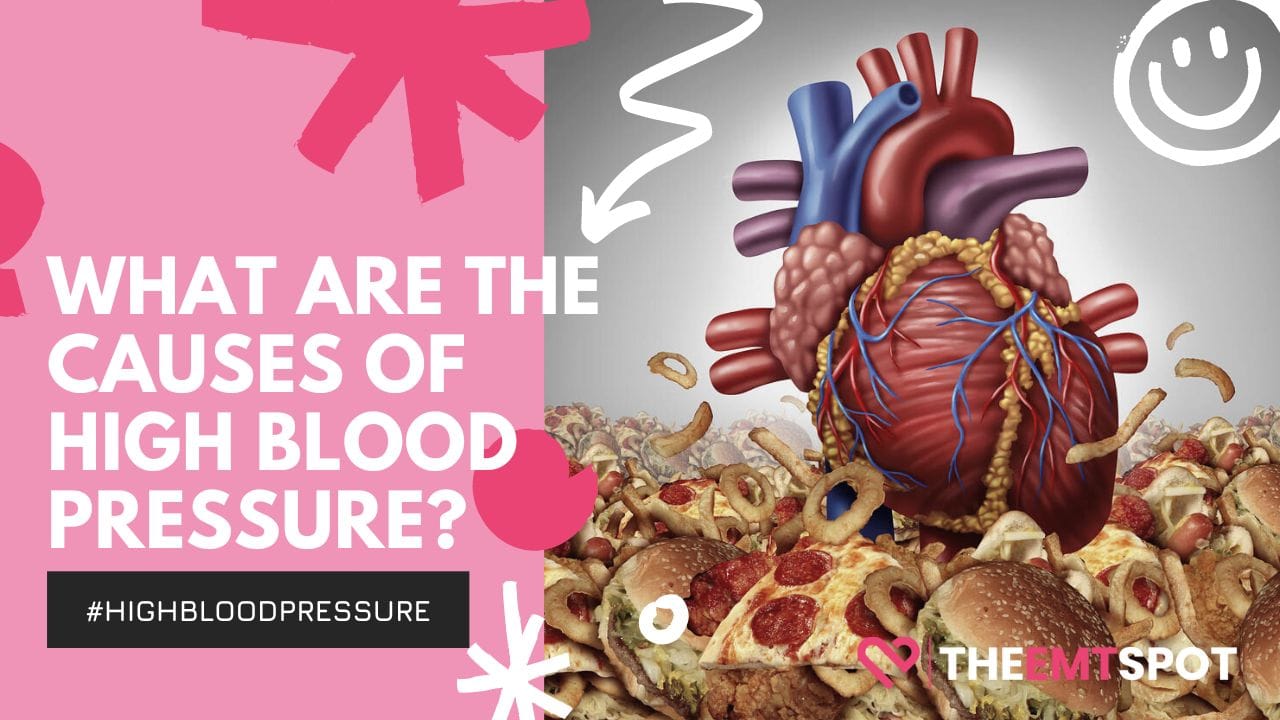
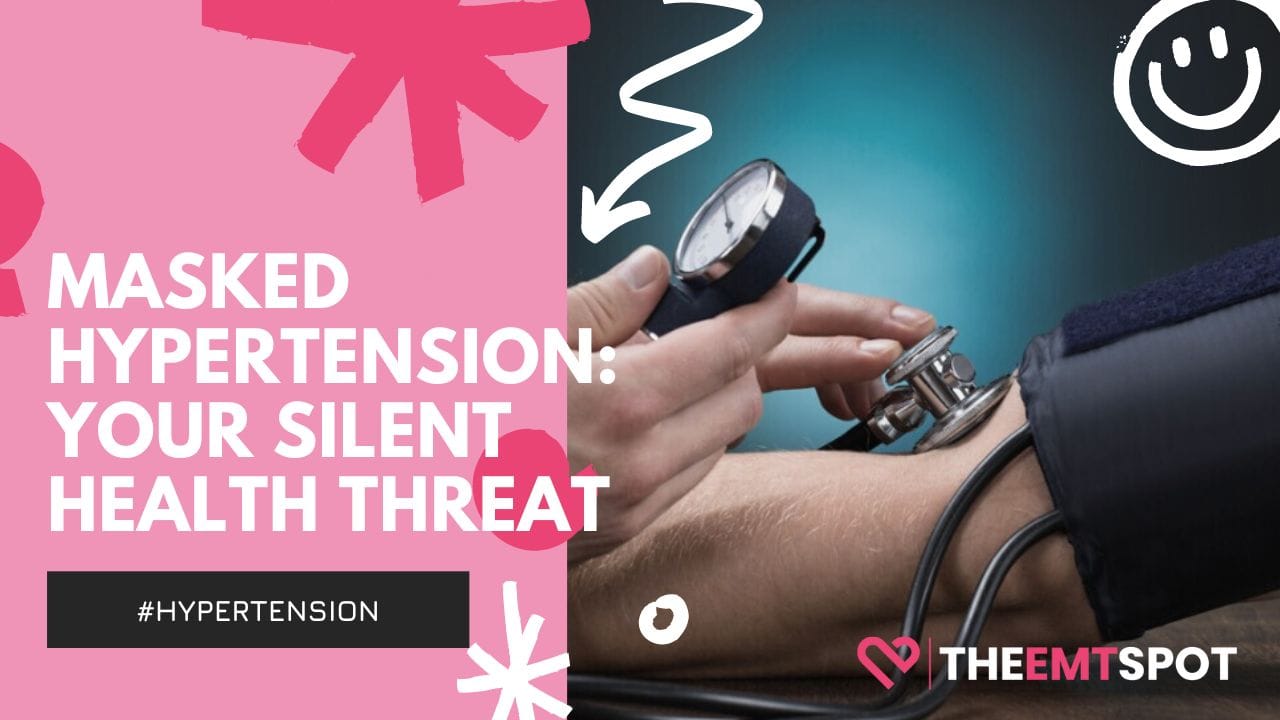
Hypertension is persistent high blood pressure. Primary hypertension develops without one single identifiable cause, while secondary hypertension is linked to an underlying condition such as kidney disease, hormonal disorders or obstructive sleep apnea.
Common modifiable factors include excess sodium intake, physical inactivity, excess body weight, alcohol intake and chronic stress. Because hypertension often causes no symptoms, repeated measurement is essential for detection.
Low blood pressure
Low blood pressure causes, symptoms and management
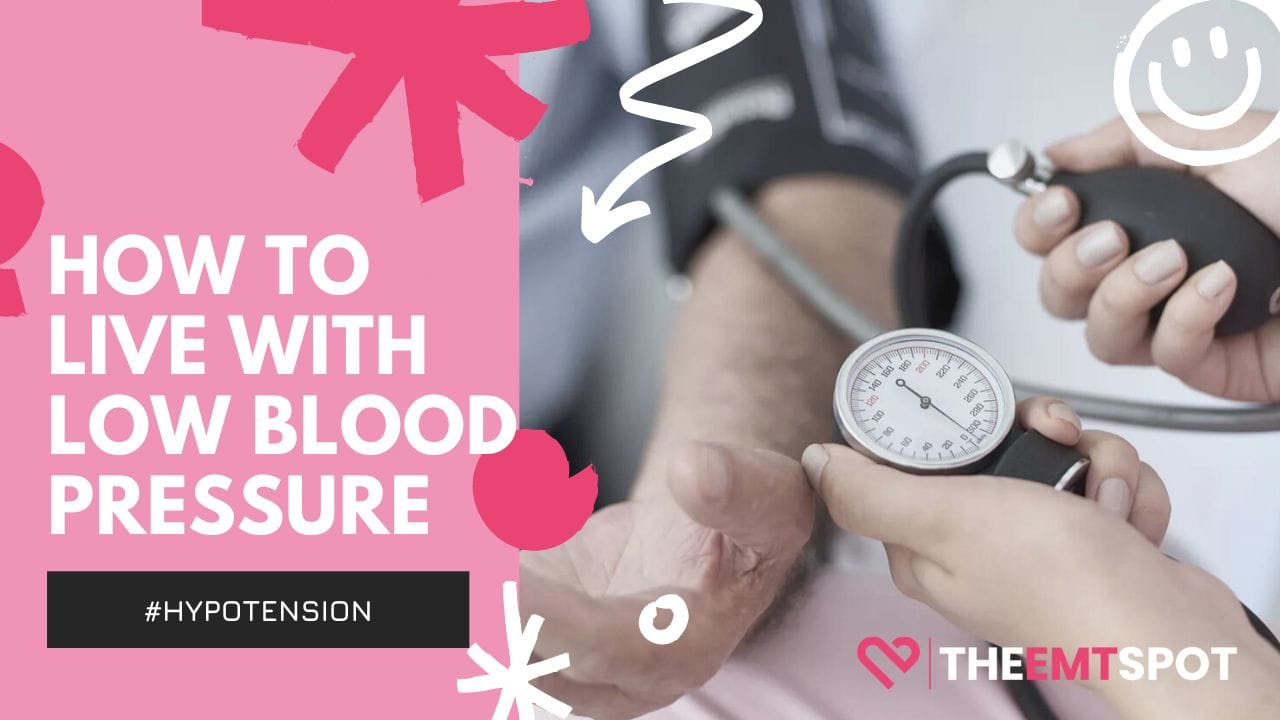
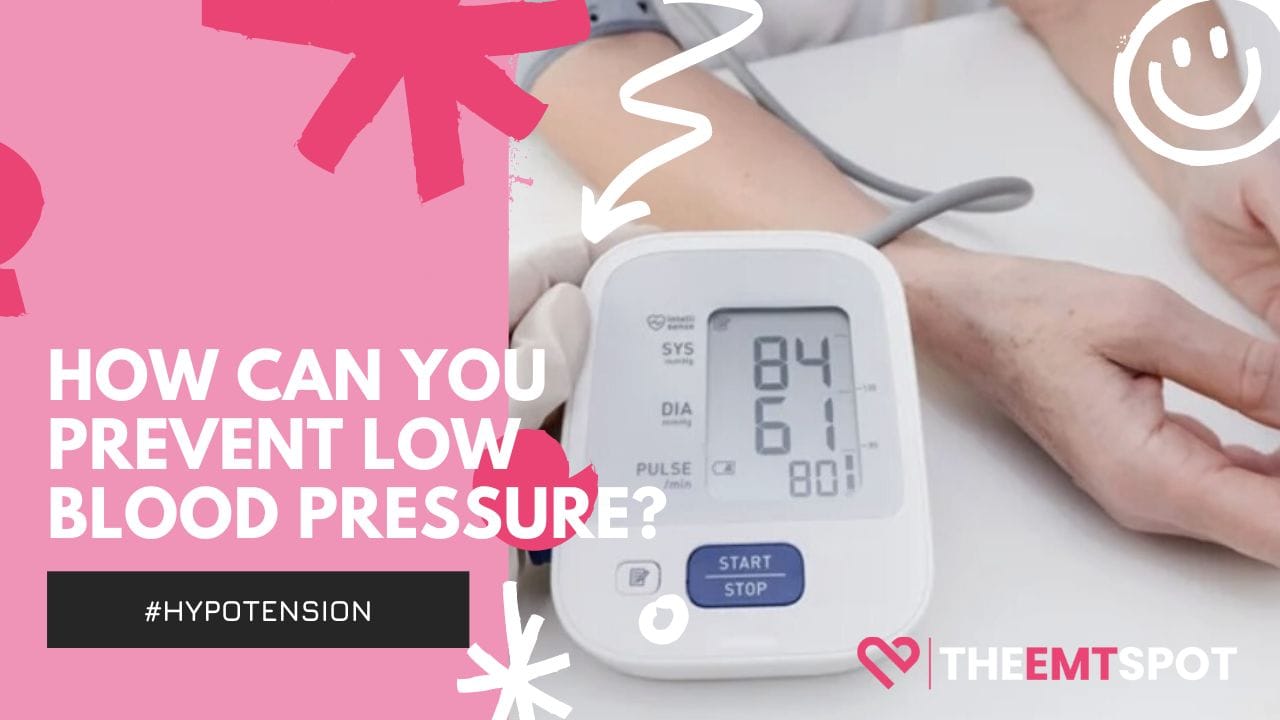
Hypotension is commonly described as blood pressure below 90/60 mmHg. Low readings are not always harmful when a person feels well, but symptoms such as dizziness, fainting, blurred vision or weakness can indicate reduced blood flow and need medical assessment.
Potential causes include dehydration, blood loss, prolonged bed rest, medications, endocrine disorders and autonomic dysfunction.
Home monitoring
How to measure blood pressure accurately at home
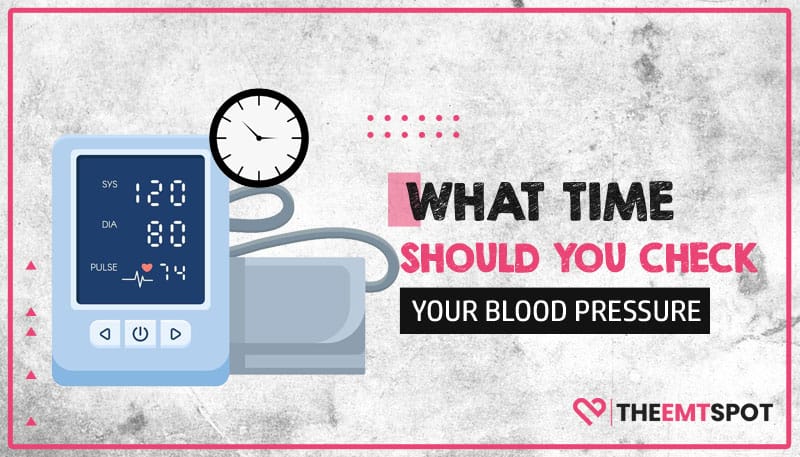
Home blood pressure monitoring is most useful when measurements are taken with a validated upper-arm cuff, after a period of quiet rest, with the arm supported at heart level.
Taking repeated readings under similar conditions helps reduce measurement error and gives a clinician a more useful picture than one isolated number.
Treatment guides
Blood pressure medications and drug classes
Antihypertensive medications lower blood pressure through different mechanisms. Treatment choice depends on the individual clinical picture, other health conditions and the target of therapy.
Nutrition and lifestyle
Blood pressure diet, sodium, alcohol and caffeine
Diet influences blood pressure through fluid balance, vascular tone and hormonal pathways. The DASH dietary pattern emphasizes vegetables, fruit, whole grains, low-fat dairy and lean protein while limiting sodium, saturated fat and added sugars.
Alcohol, caffeine, sodium and potassium can also influence readings, although the effect varies by dose, timing and individual sensitivity.
Special blood pressure topics
Advanced blood pressure concepts and related conditions
These guides cover measurements and conditions that do not fit neatly into a simple systolic/diastolic category.
Mean arterial pressure
How MAP is calculated and what it indicates about average perfusion pressure.
HemodynamicsPulse pressure
The difference between systolic and diastolic pressure and why very wide or narrow values matter.
PregnancyPreeclampsia and high blood pressure in pregnancy
Blood pressure elevation after 20 weeks of pregnancy and the need for medical assessment.
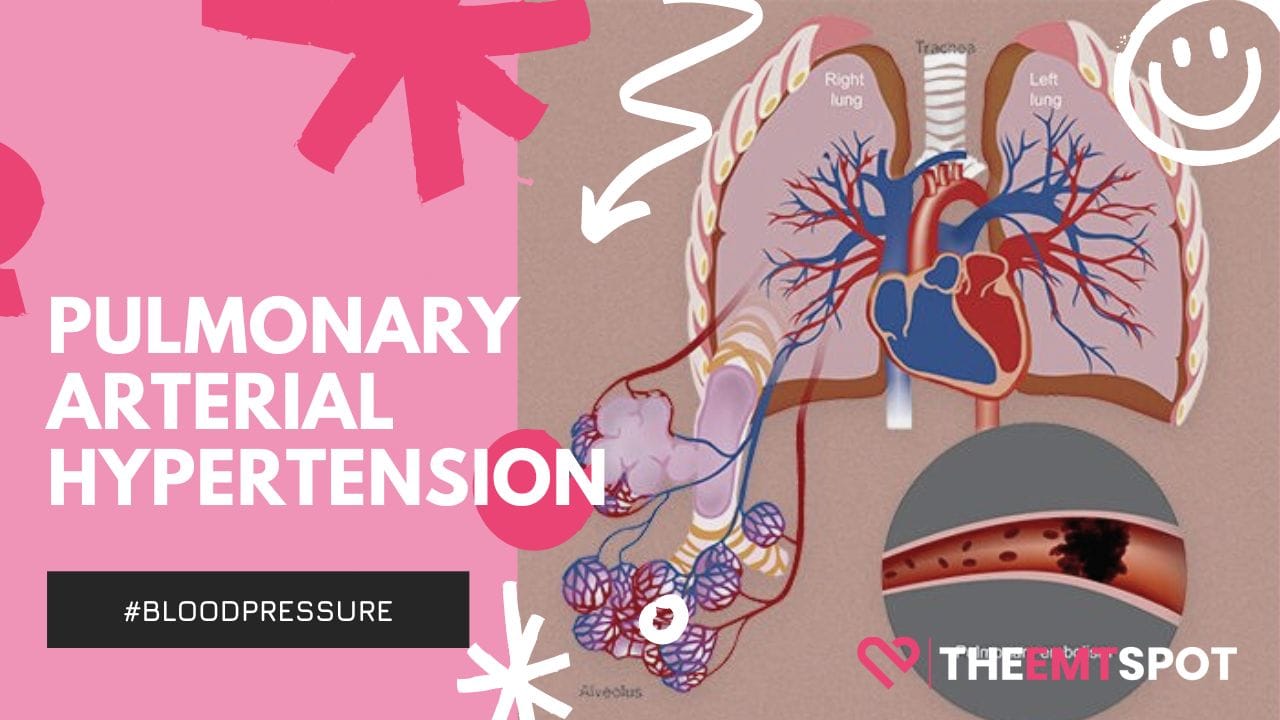
Pulmonary circulationPulmonary hypertension
A separate condition affecting pressure in the pulmonary arteries rather than systemic blood pressure.
Complete article library
Explore blood pressure articles by topic
Browse the wider TheEMTSpot Health blood pressure library by subject. These lists are loaded from the existing WordPress Content Views, so articles already assigned to each topic remain available here instead of being reduced to only the main hub pages.
High blood pressure
High blood pressure and hypertension articles
Open the main hypertension guide →Articles covering high blood pressure symptoms, risk factors, complications, prevention, day-to-day management and related hypertension questions.



Explore low blood pressure risk factors, symptoms, causes, associated conditions and practical questions about recurring hypotension.


Blood pressure management
How to lower blood pressure and lifestyle articles
Open the blood pressure lowering guide →Lifestyle, exercise, home approaches and other practical topics related to lowering and managing high blood pressure.




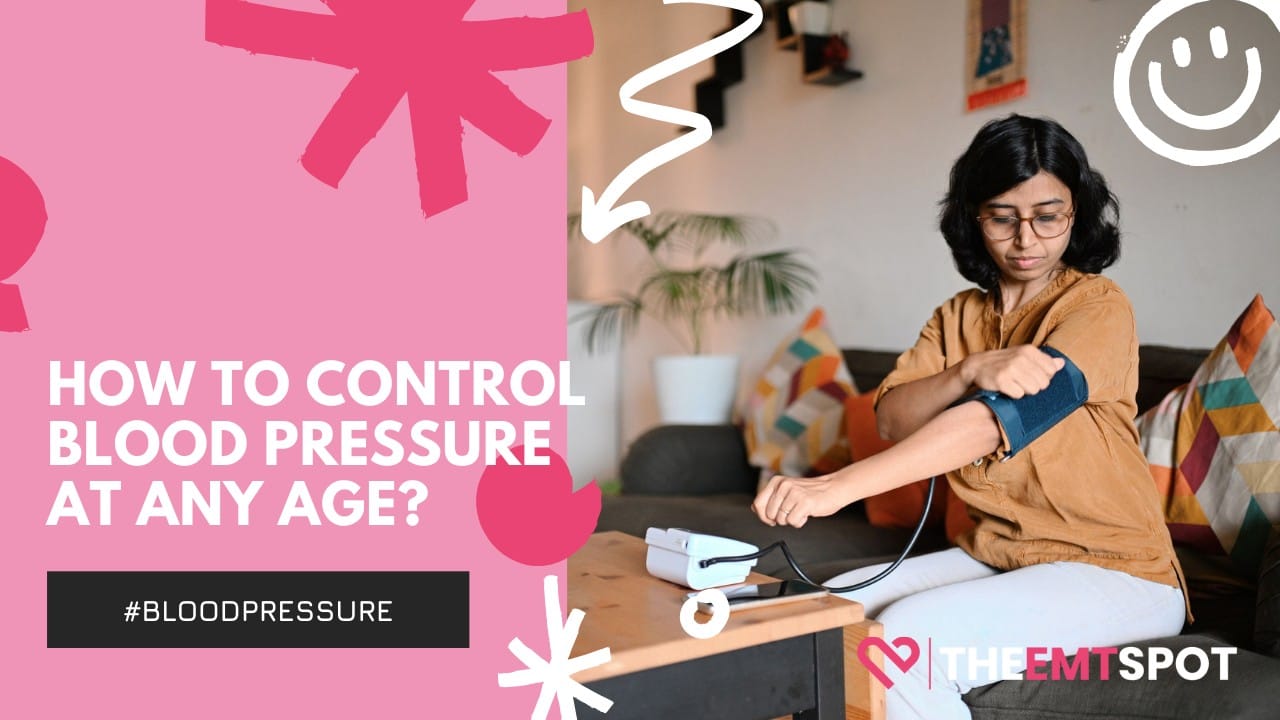
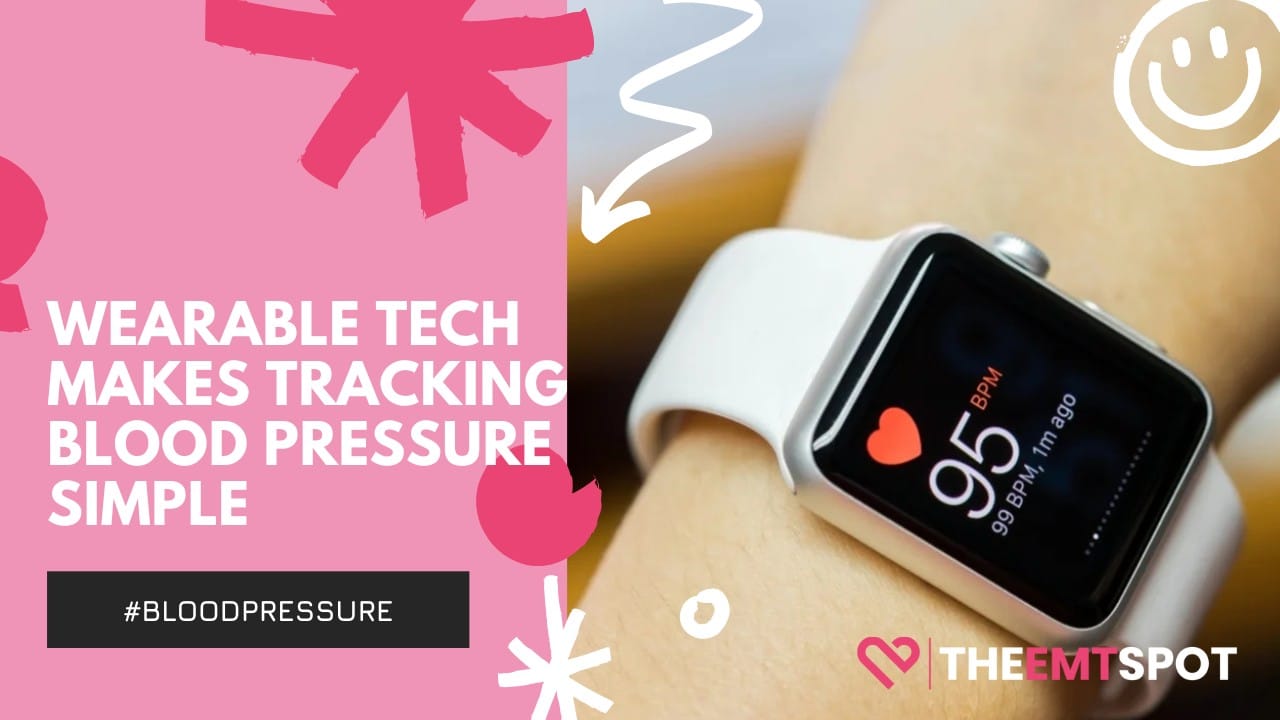





Treatment
Blood pressure medication and treatment articles
Open the blood pressure medications guide →Articles about antihypertensive drug classes, medication use, treatment questions and pharmacological blood pressure management.

Home monitoring
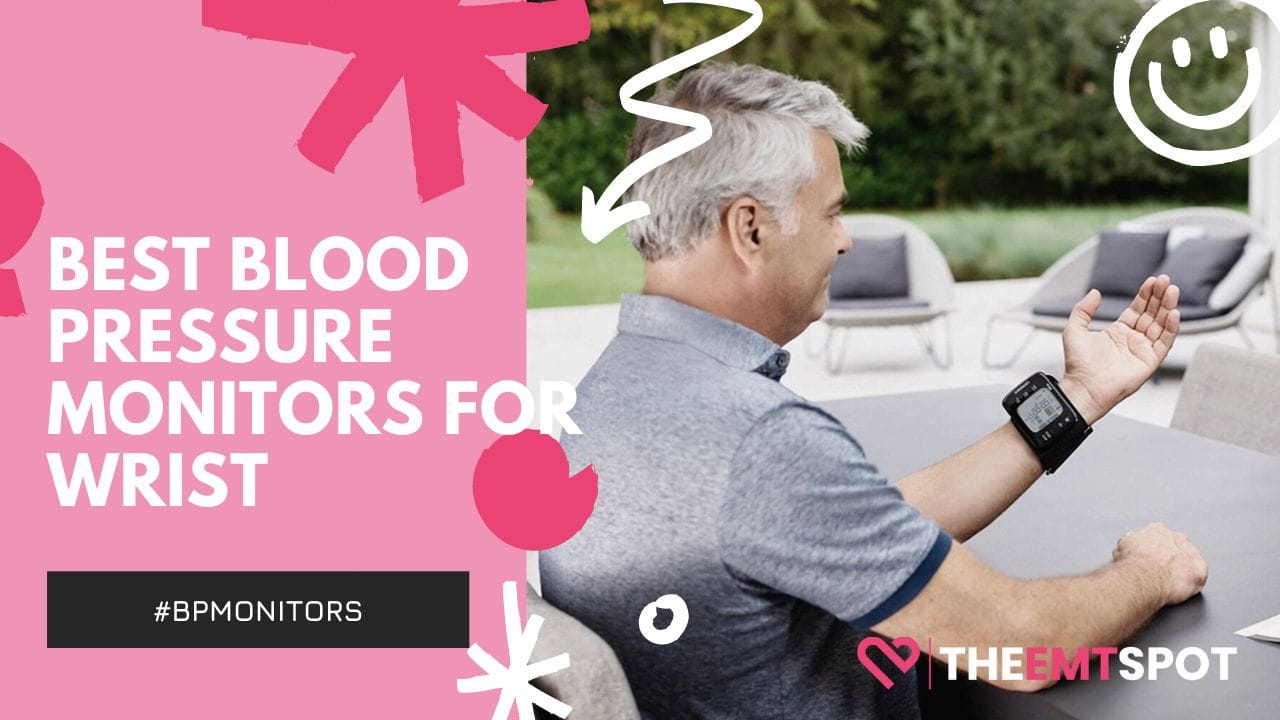
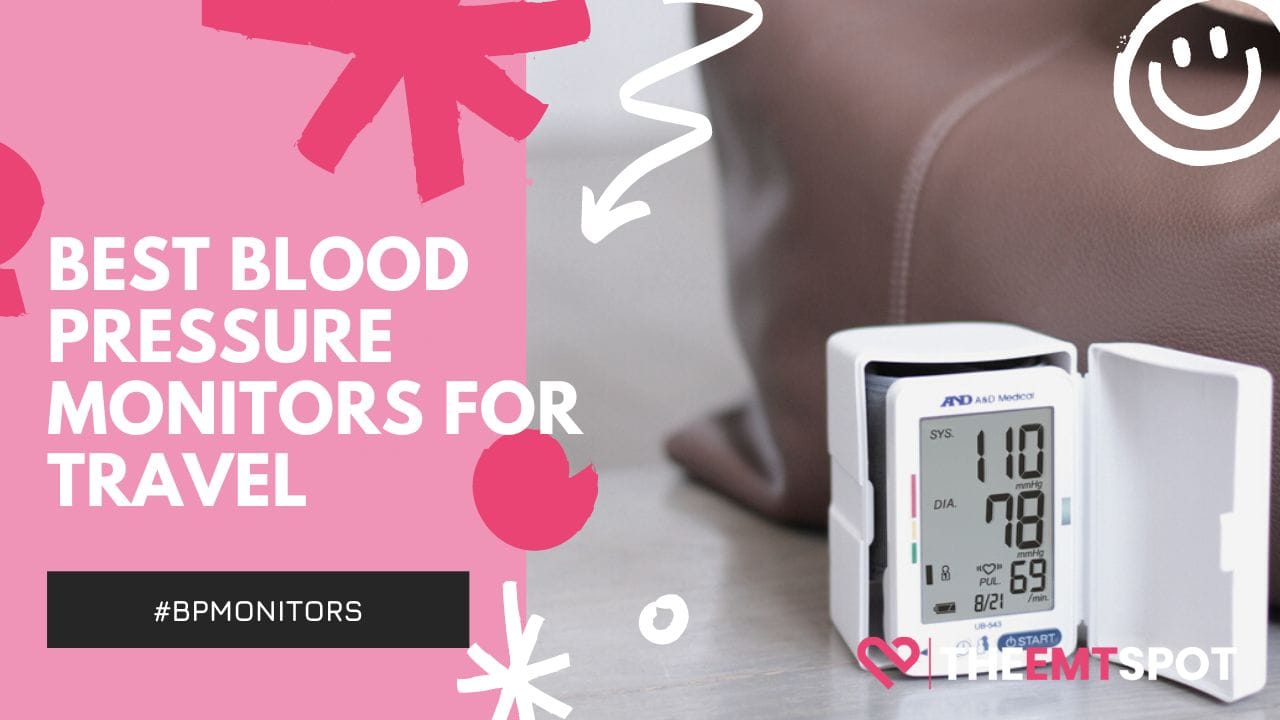
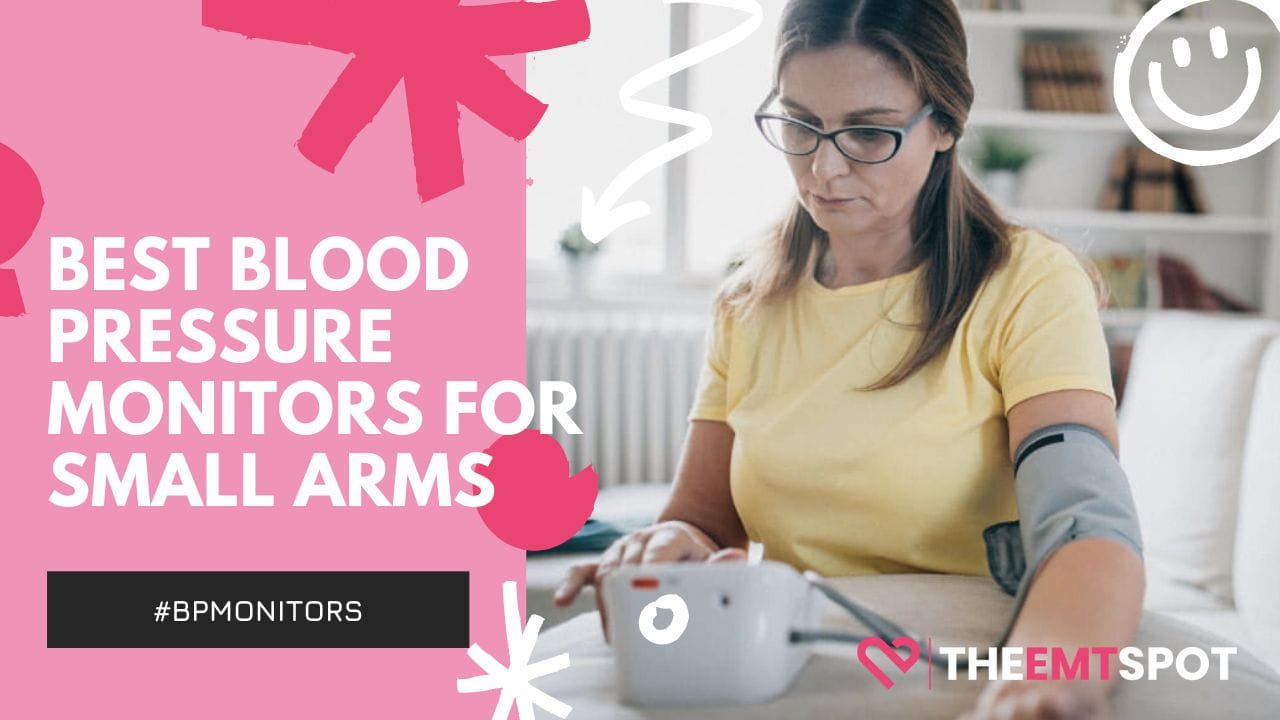
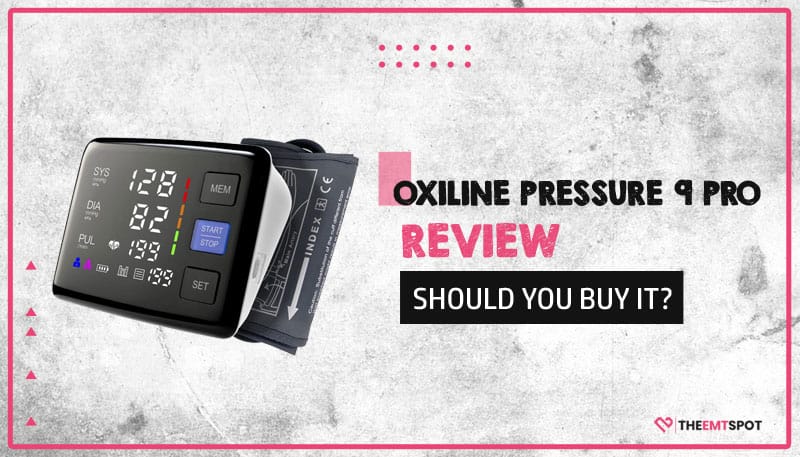
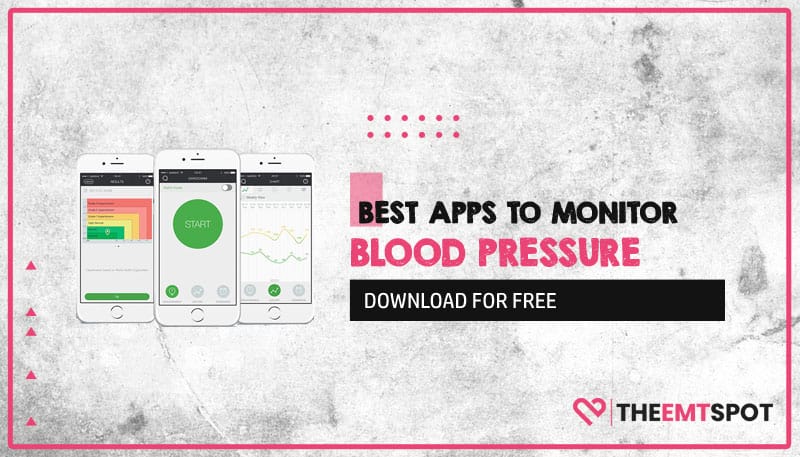
Blood pressure monitor, cuff and device articles
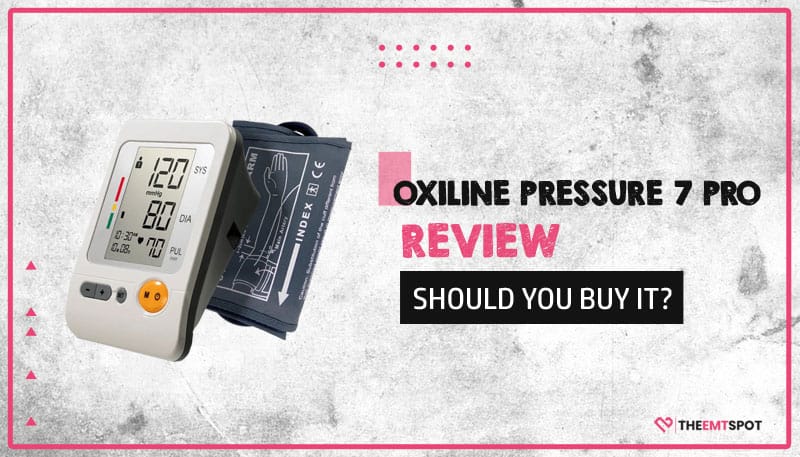
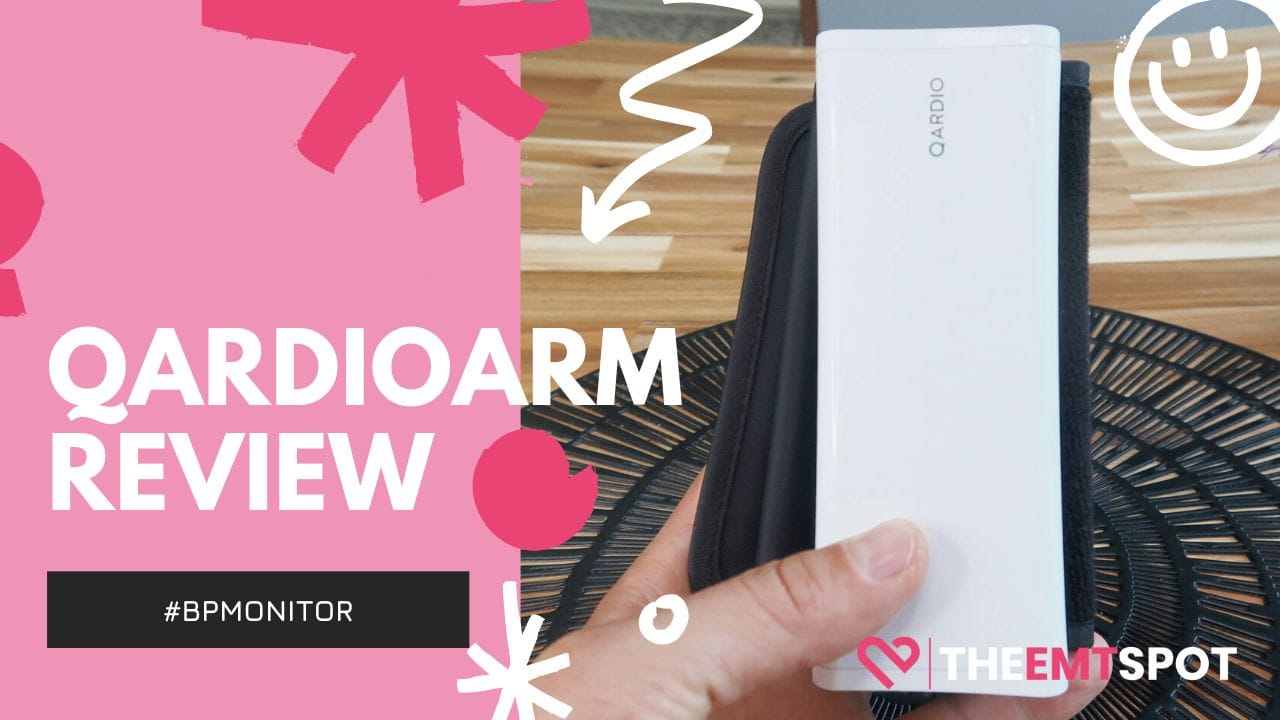
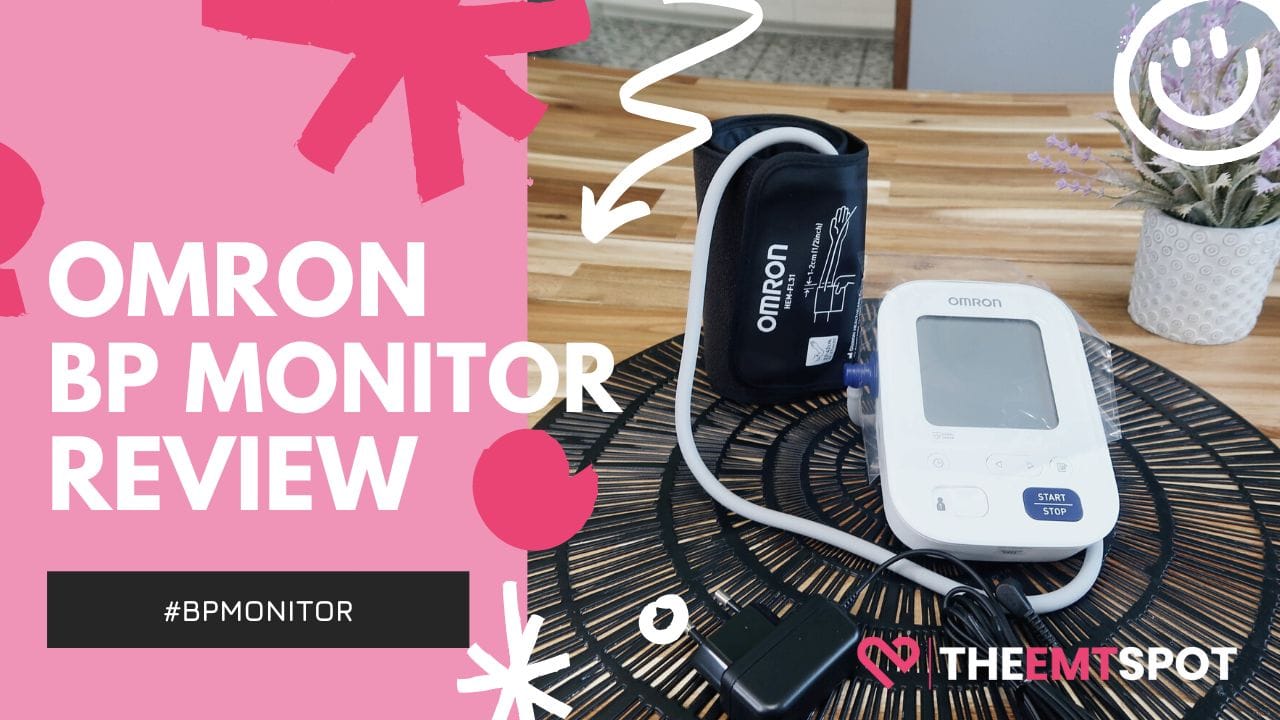
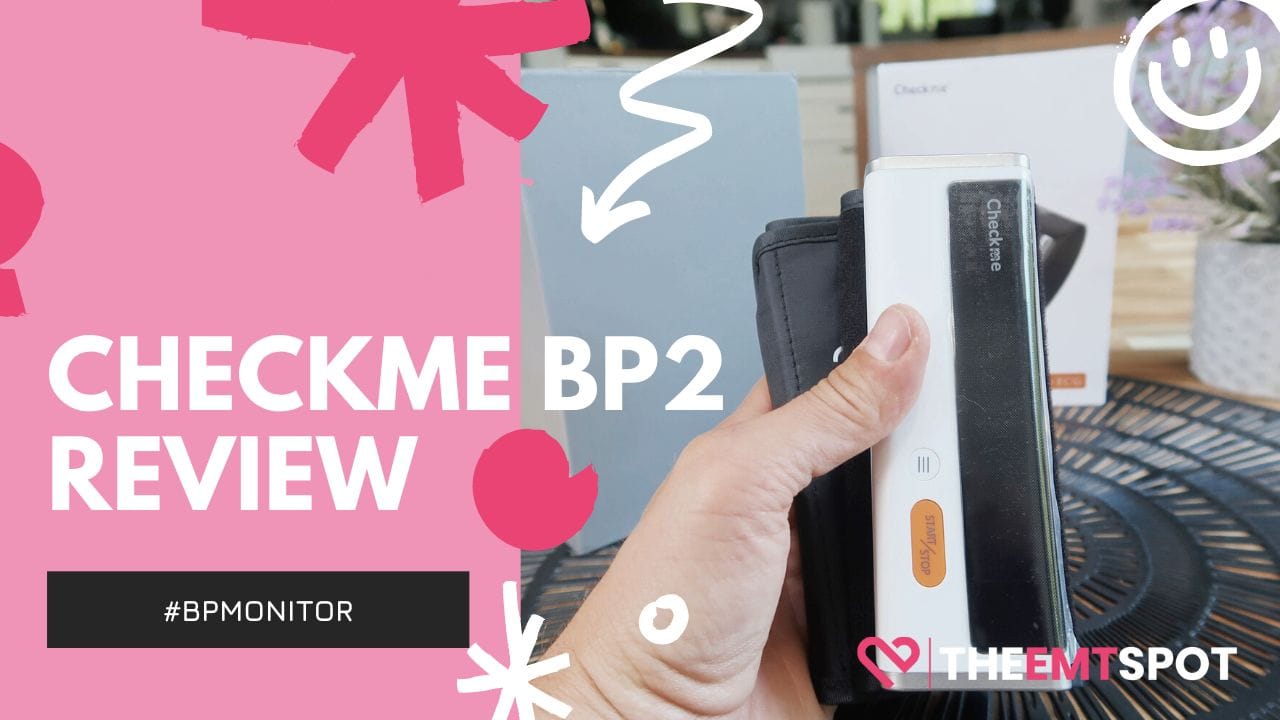
Open the blood pressure monitors guide →Monitor accuracy, cuff sizing, device selection, home blood pressure equipment and individual monitor reviews.




Nutrition
Blood pressure diet, food, alcohol and caffeine articles
Open the blood pressure diet guide →Dietary patterns, foods, sodium, potassium, alcohol, caffeine and nutrition topics connected with blood pressure management.






Clinical topics
Special blood pressure conditions and cardiovascular topics
Back to the blood pressure hub →Additional blood pressure topics including related cardiovascular conditions, special populations, clinical concepts and research-focused articles.






















TheEMTSpot Health content is for educational purposes and does not replace diagnosis, treatment or individual advice from a qualified healthcare professional. Seek urgent care for severe symptoms or potentially dangerous blood pressure readings.