Blood pressure is the force exerted by blood against the walls of the arteries during circulation, and it serves as one of the most important indicators of cardiovascular health.
The American Heart Association developed a detailed blood pressure chart based on multiple clinical studies, including a 2018 study by Muntner et al. published in the Journal of Hypertension, which established that blood pressure benchmarks should account for both ambulatory and at-home measurement variations.
Below are the latest blood pressure ranges according to current AHA/ACC guidelines.
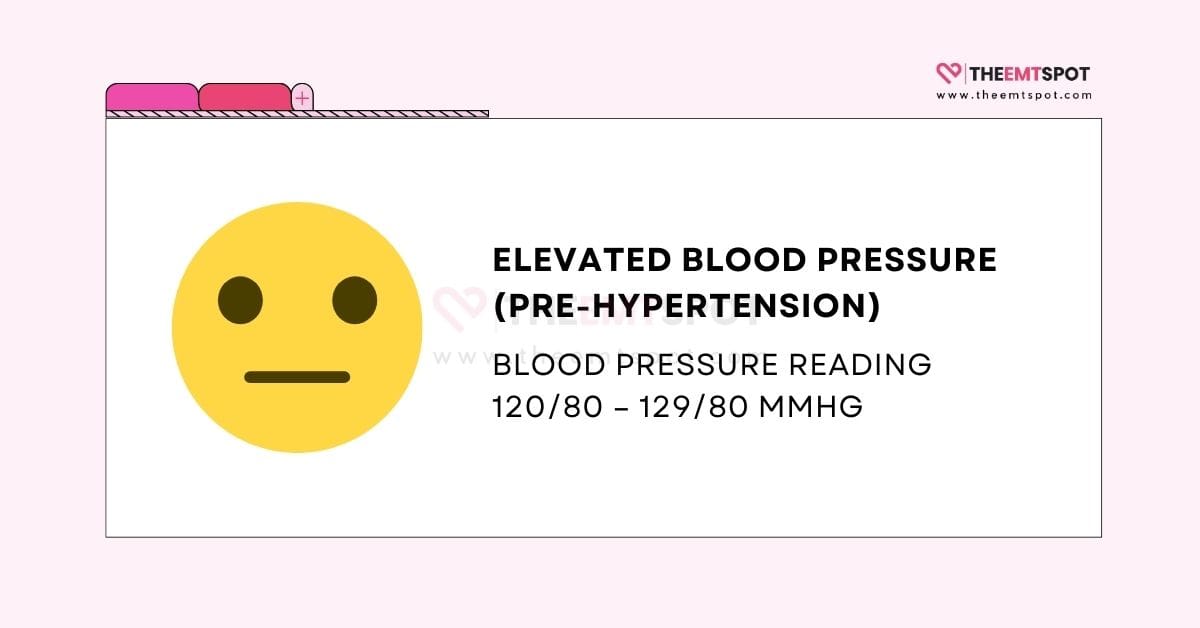
Note: European (ESC 2024) and WHO guidelines still diagnose hypertension at 140/90 mmHg, but identify 120-139 mmHg systolic or 70-89 mmHg diastolic as “elevated blood pressure,” a range already linked to increased long-term cardiovascular risk. U.S. guidelines (ACC/AHA) diagnose hypertension at 130/80 mmHg or higher.
The blood pressure chart above helps patients have more informed discussions with their doctors and better understand treatment options.
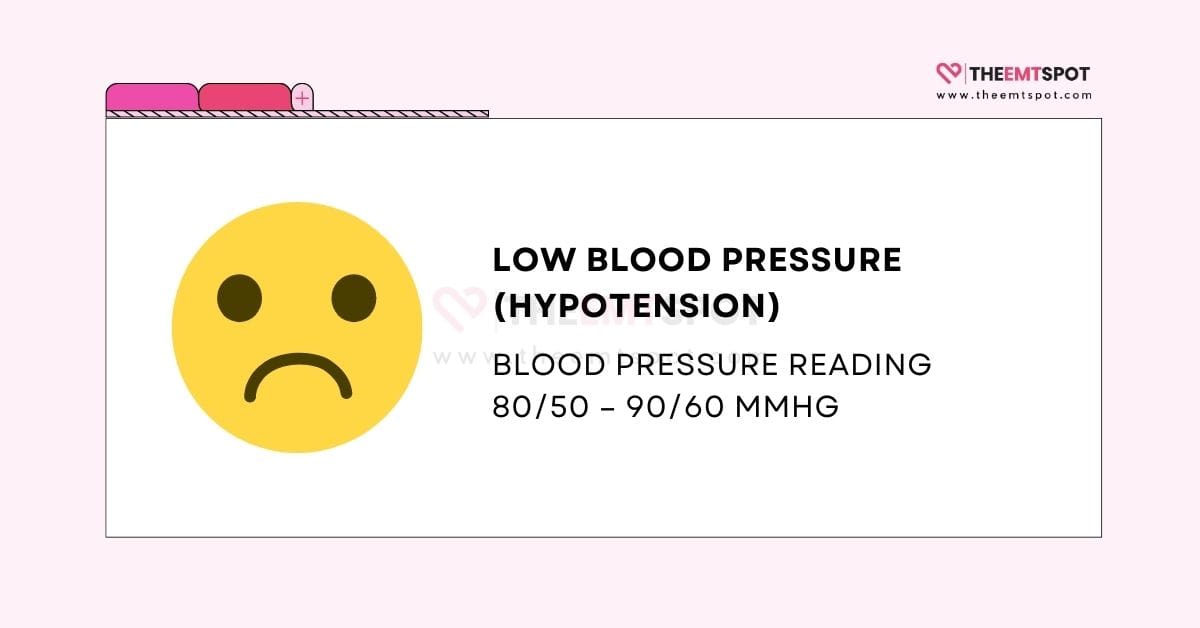
Low blood pressure (hypotension) is less commonly featured in AHA chart classifications, but it can also be a medical emergency in certain cases.
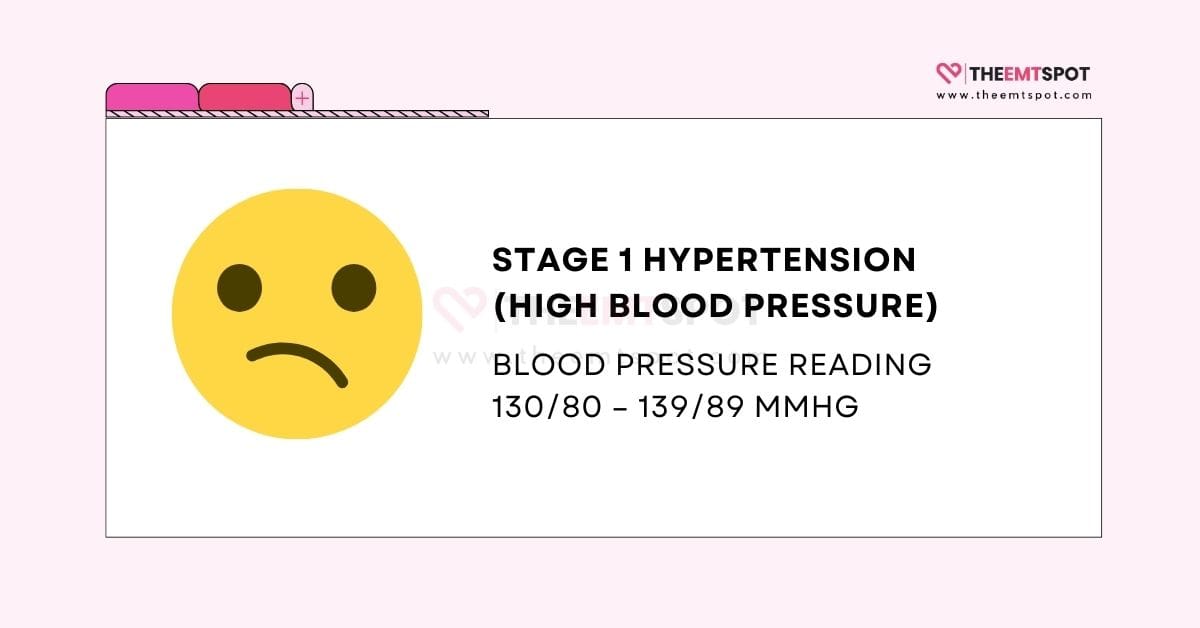
The AHA and American College of Cardiology (ACC) redefined 130/80 mmHg as the threshold for diagnosing high blood pressure, replacing the previous cutoff of 140/90 mmHg based on clinical evidence that the risks of heart attack, stroke, and kidney disease begin to rise at the lower threshold.
Once treatment starts, both U.S. and European doctors aim to lower blood pressure below 130/80 mmHg, and ideally into the 120-129 mmHg systolic and 70-79 mmHg diastolic range when the patient tolerates it well.
Tightening blood pressure control even in early stages helps minimize long-term damage to the heart, brain, kidneys, and blood vessels.
Dr. Paul K. Whelton, M.B., M.D., M.Sc., the principal author of the updated guidelines published in Hypertension and the Journal of the American College of Cardiology, emphasized that blood pressure readings in the 130-139/80-89 mmHg range already carry significantly increased cardiovascular risks.
“At these levels, you’ve essentially doubled the risk of cardiovascular complications relative to individuals with normal blood pressure.”
“Our aim is to be forthright. Recognizing this doubling in risk is crucial. It doesn’t necessarily prescribe medication, but it certainly raises a cautionary flag, urging individuals to focus on non-pharmacological measures to reduce their blood pressure.”
Medications are the primary mode of treatment for established hypertension, but in less critical stages doctors may ask patients to adopt lifestyle changes first.
Blood pressure is measured using a sphygmomanometer, which consists of an inflatable cuff and a measurement device wrapped around the upper arm.
As the cuff deflates, the device measures the pressure exerted on the artery walls, producing readings for systolic (maximum pressure) and diastolic (minimum pressure).
How to read a blood pressure chart
A blood pressure reading consists of two numbers separated by a slash, for instance 120/80 mmHg.
The first number is systolic blood pressure, and the second number is diastolic blood pressure.
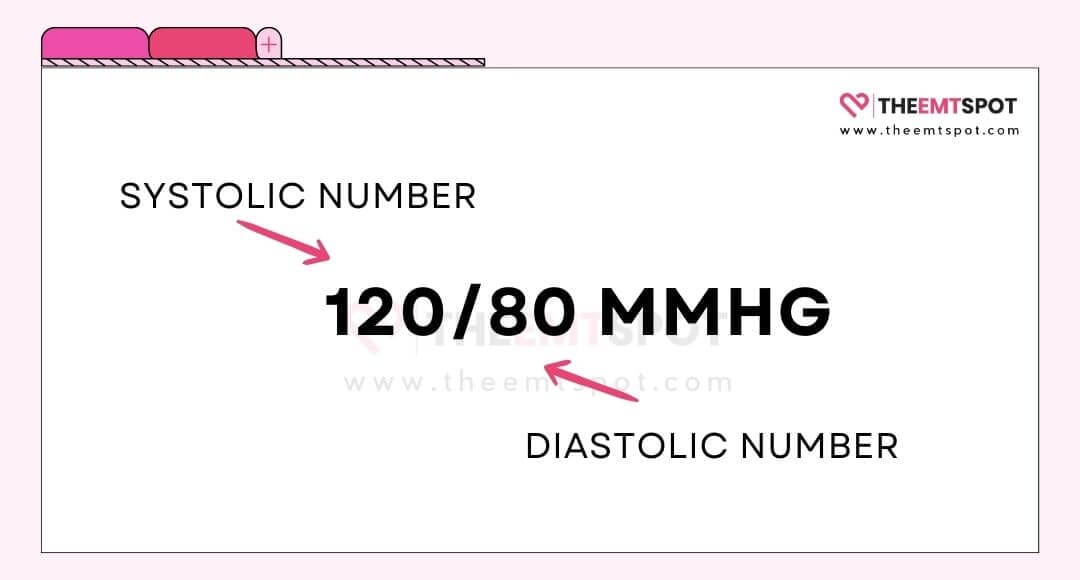
Understanding these two numbers is essential because they provide information about both the active pumping phase and the resting phase of the cardiac cycle.
What systolic and diastolic blood pressure numbers mean
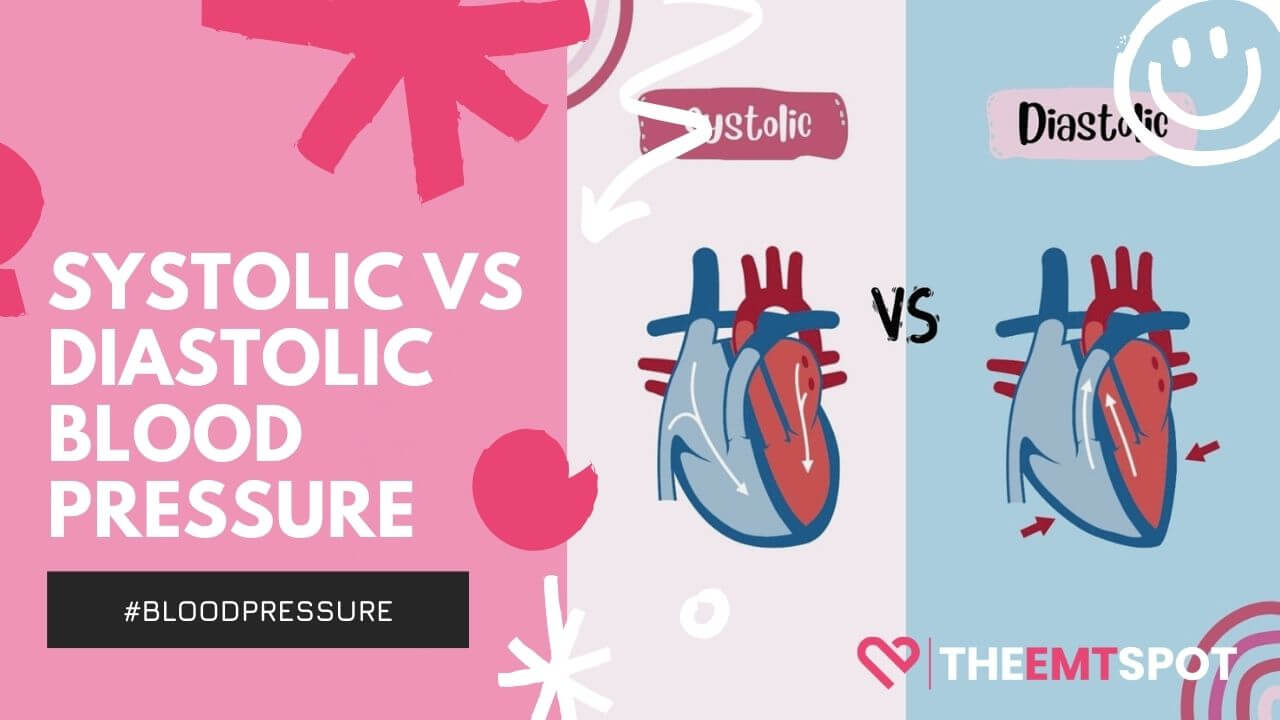
Systolic blood pressure is the higher number and measures the pressure in the arteries when the heart contracts and pumps blood.
Diastolic blood pressure is the lower number and measures the pressure when the heart relaxes between beats.
- Systolic: Normal systolic pressure is below 120 mmHg. Elevated systolic pressure indicates increased strain on artery walls during each heartbeat.
- Diastolic: Normal diastolic pressure is below 80 mmHg. Elevated diastolic pressure indicates that the arteries remain under excess pressure even during the heart’s resting phase.
A team of researchers from Tulane University, in their article “High Blood Pressure and Cardiovascular Disease” published in the Journal of Hypertension, found that abnormal readings in either systolic or diastolic measurements independently signal potential health issues.
Both numbers carry independent clinical significance, and the common belief that only the systolic (higher) number matters is not supported by current evidence.
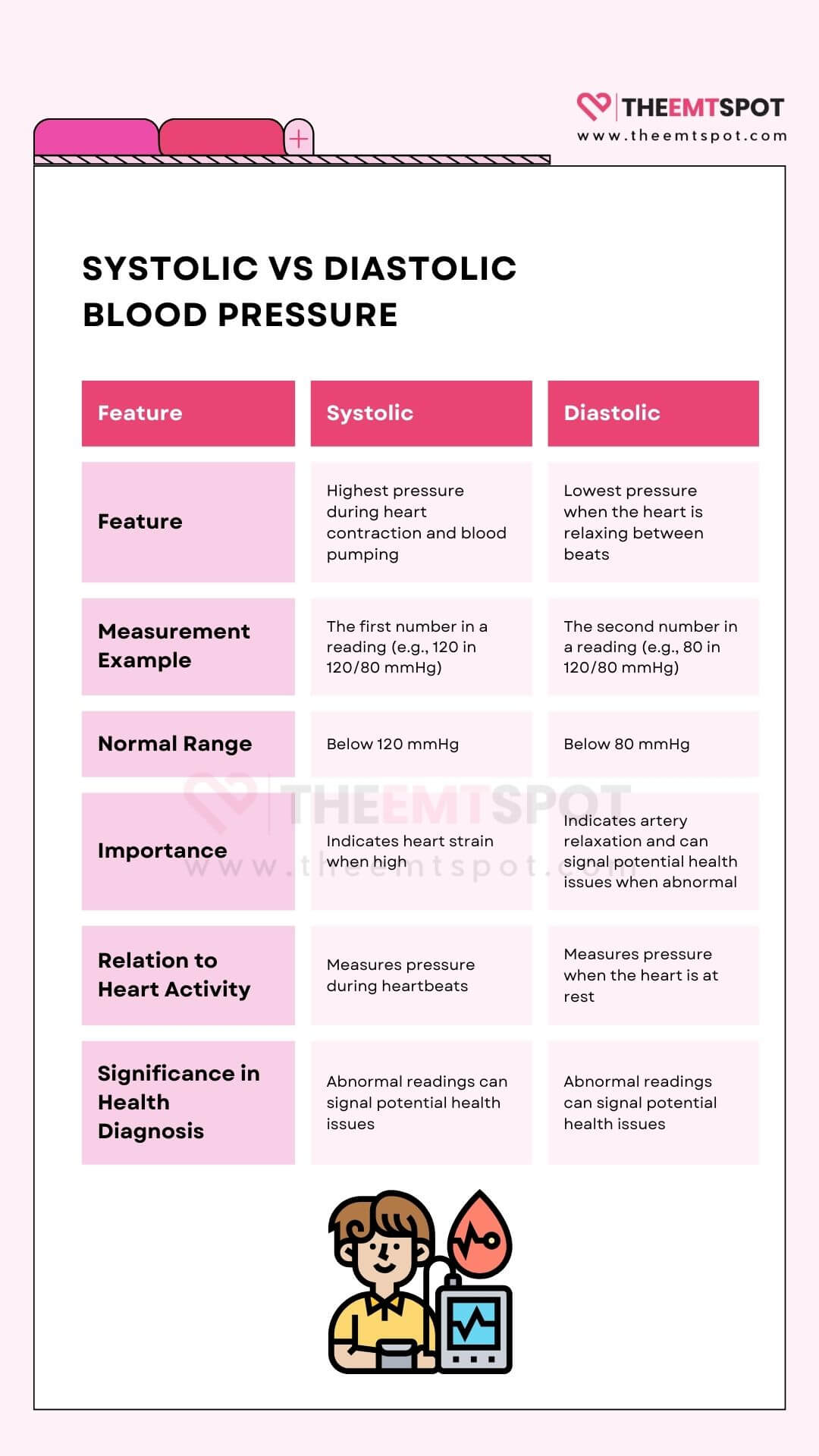
For a complete breakdown of how each number is generated and what it reflects about cardiac function, see the systolic and diastolic blood pressure readings guide.
What mmHg means in a blood pressure reading
mmHg stands for millimeters of mercury and is the global standard unit for expressing blood pressure.
In the Elsevier book Cardiology Clinic, Dr. Gbenga Ogedegbe and Dr. Thomas Pickering describe how mercury sphygmomanometers became the gold standard in clinical blood pressure measurement, establishing mmHg as the accepted unit worldwide.
mmHg represents the height to which blood vessel pressure can push a column of mercury in a sphygmomanometer.
A blood pressure reading is recorded as systolic over diastolic, both values expressed in mmHg, for example 120/80 mmHg.
Pascal (Pa) is the SI unit of pressure, but mmHg remains the standard for blood pressure in all clinical settings.
How kPa and mmHg compare for blood pressure measurement
kPa (kilopascals) and mmHg (millimeters of mercury) are not the same, but both are units of pressure.
In a 2004 paper “Blood pressure measurement in research and in clinical practice: recent evidence,” Gianfranco Parati and colleagues examined why kPa has not replaced mmHg as the standard unit, concluding that mmHg remains the clinically accepted measurement.
1 mmHg equals approximately 0.133 kPa.
To convert from mmHg to kPa, multiply the mmHg value by 0.133.
To convert from kPa to mmHg, divide the kPa value by 0.133 or multiply it by 7.501.
A reading of 120/80 mmHg equals approximately 15.99/10.66 kPa.
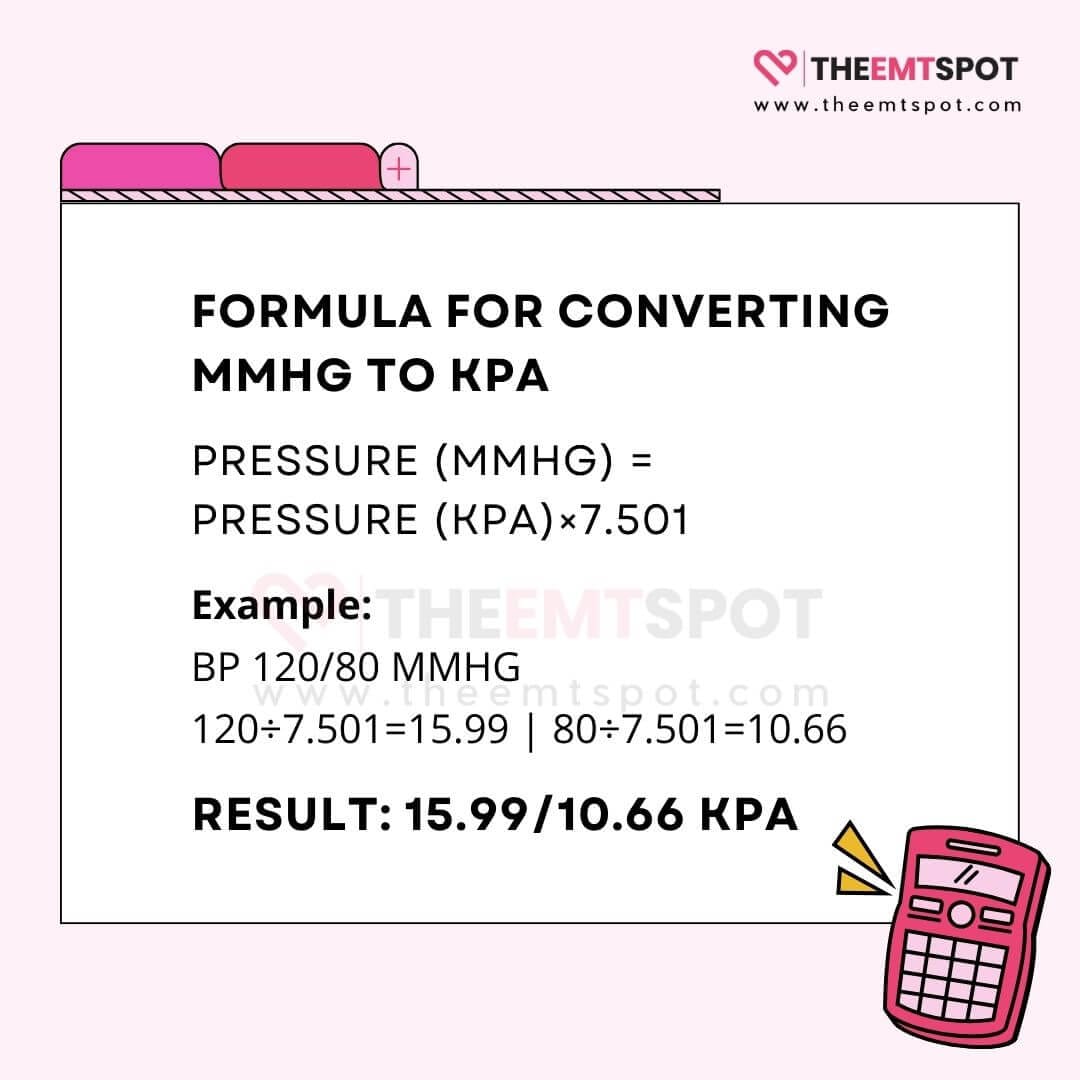
Blood pressure is not measured in kPa in clinical practice, and no clinically validated devices use kPa as their primary unit.
Blood pressure ranges: low, normal, elevated and high
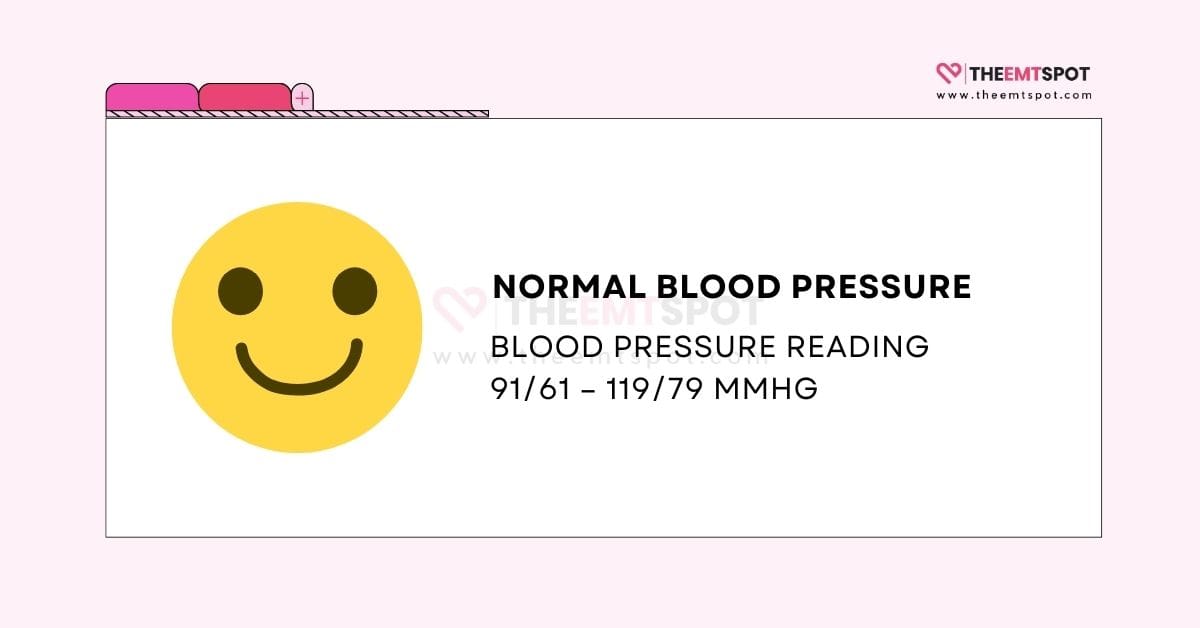
The American Heart Association classifies blood pressure into distinct ranges that help individuals and healthcare providers assess cardiovascular health and determine appropriate action.
Each classification below includes the defining readings and the clinical implications for organ health and cardiovascular risk.
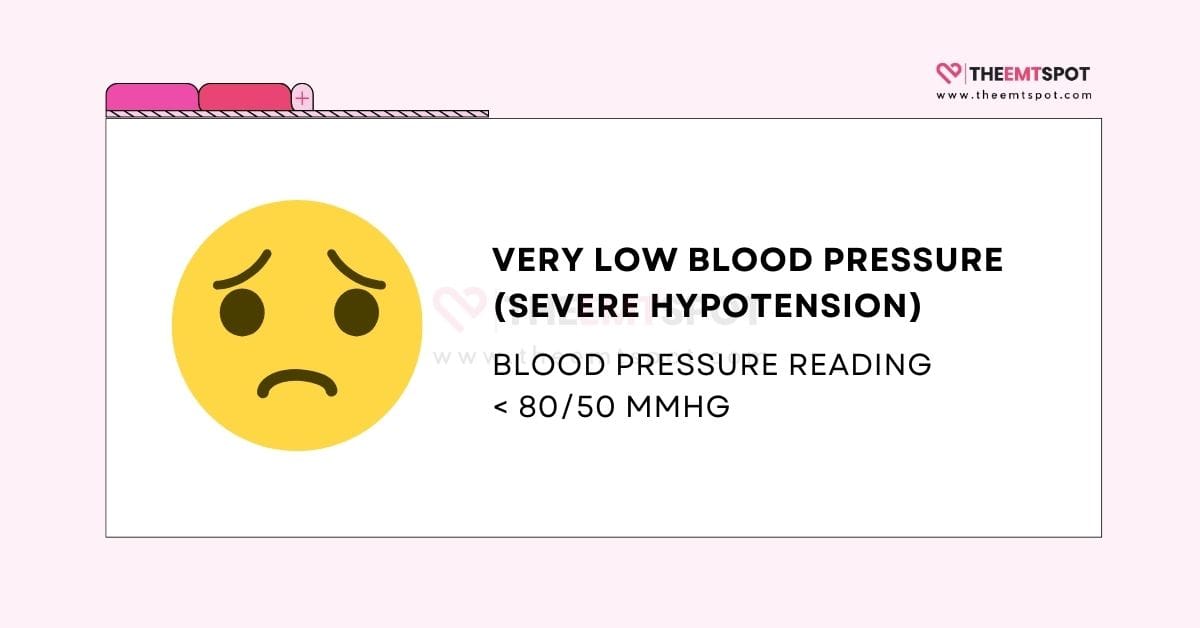
Very low blood pressure (severe hypotension)
Low blood pressure (hypotension)
Normal blood pressure
Elevated blood pressure
High blood pressure (Stage 1 hypertension)
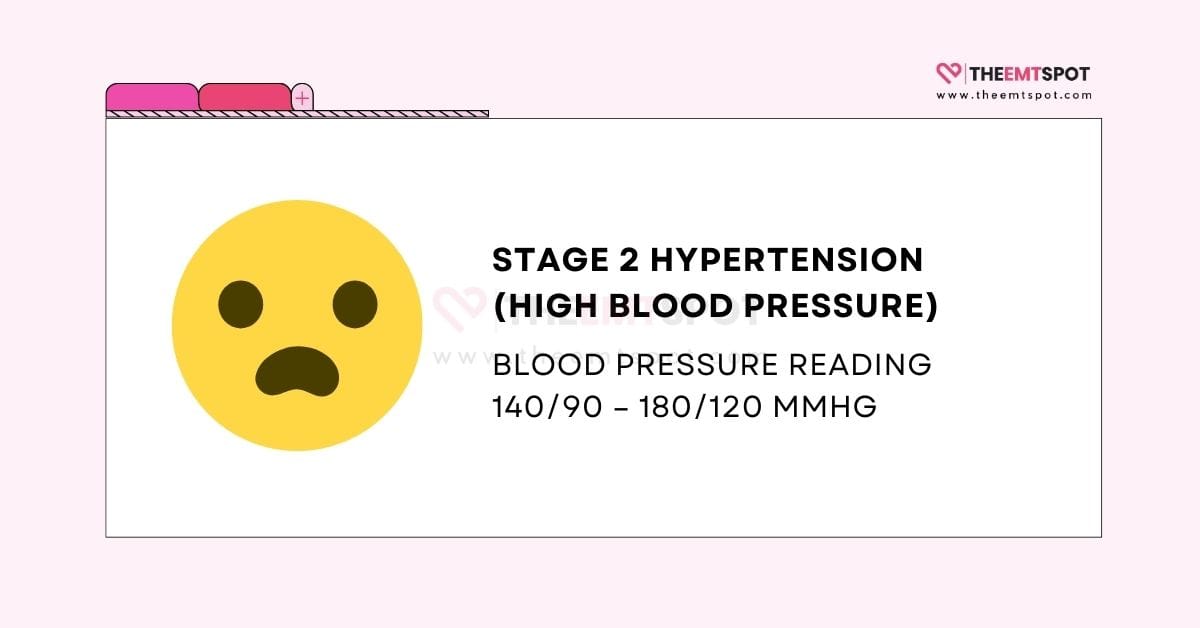
High blood pressure (Stage 2 hypertension)
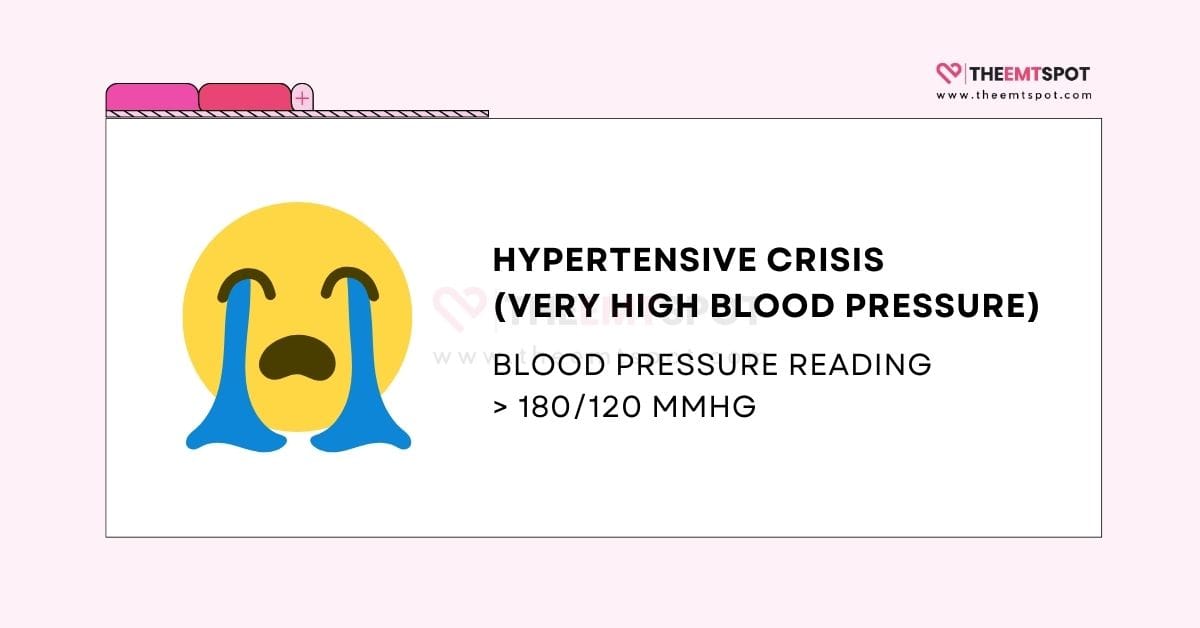
Hypertensive crisis
Normal blood pressure by age and sex
Normal blood pressure by age and gender varies, as reported by a 2001 study published in the Journal of Hypertension by AHA.
The 120/80 mmHg benchmark applies broadly to healthy adults, but normal ranges shift across age groups, sexes, and physiological conditions including pregnancy and chronic disease.
Normal blood pressure range for men
The normal blood pressure range for men is below 120/80 mmHg, consistent with AHA guidelines for healthy adults.
Men under 55 are diagnosed with elevated blood pressure and hypertension at higher rates than same-age women and are less likely to achieve adequate control, partly due to lower rates of clinical follow-up.
Normal blood pressure range for women
The normal blood pressure range for women is below 120/80 mmHg, though hormonal changes during pregnancy and menopause can produce significant variations.
Dr. Jennifer Wong, M.D., medical director of non-invasive cardiology at Memorial Care Heart and Vascular Institute, noted research indicating earlier cardiovascular risk in women:
“An observational study published in Circulation earlier this year suggested an increased risk of myocardial infarction and heart failure in women starting at systolic blood pressures of greater than 110 mmHg.”
After menopause, estrogen loss accelerates arterial stiffness, and approximately 75% of postmenopausal women in the United States meet the criteria for hypertension, making the elevated and Stage 1 ranges critical intervention windows.
Normal blood pressure ranges for children
Children are not evaluated using adult fixed thresholds. Pediatric blood pressure is assessed against age-, sex-, and height-specific percentile charts, with hypertension defined as readings above the 95th percentile on at least three separate occasions.
A child’s reading must be compared against age, sex, and height percentiles to determine whether it falls within a healthy range for that individual.
| Age | Normal Systolic (mmHg) | Normal Diastolic (mmHg) | Notes |
|---|---|---|---|
| Newborn (0-1 month) | 60-90 | 30-60 | Assessed by neonatologist |
| Infant (1-12 months) | 70-100 | 50-65 | Age-specific percentile charts required |
| Toddler (1-3 years) | 80-110 | 50-70 | Age-specific percentile charts required |
| Preschool (3-5 years) | 80-112 | 50-80 | Age-specific percentile charts required |
| School age (6-12 years) | 85-120 | 55-80 | Hypertension defined as above 95th percentile |
| Adolescent (13-17 years) | Below 120 | Below 80 | Adult thresholds begin to apply |
Normal blood pressure range for young adults
Normal blood pressure for young adults (late teens through early 30s) is below 120/80 mmHg under current AHA guidelines.
Cardiovascular risk tends to be lowest in this age group, but factors such as high dietary sodium, physical inactivity, obesity, and family history of hypertension can produce elevated readings even in young adults.
Blood pressure targets for older adults
The normal blood pressure target for elderly individuals aged 65 and older is below 130/80 mmHg under current 2024 guidelines.
Age-related changes in arterial stiffness cause blood pressure to trend higher compared to younger adults, but this trend does not make elevated readings safe or untreatable.
Current guidelines recommend maintaining systolic pressure between 130 and 139 mmHg for most adults aged 65 to 79 years.
A systolic target of 140 to 150 mmHg is acceptable only for individuals aged 80 or older, or those who are medically frail, to minimize the risk of side effects from aggressive pressure reduction.
Consulting a healthcare professional for individualized blood pressure targets remains essential in this age group, as treatment must balance cardiovascular benefit against the risk of falls, orthostatic hypotension, and cognitive side effects.
| Age Group | Target Systolic (mmHg) | Target Diastolic (mmHg) | Guideline |
|---|---|---|---|
| 65-74 years | Below 130 | Below 80 | AHA/ACC 2024 |
| 75-79 years | 130-139 | Below 80 | AHA/ACC 2024 |
| 80+ years (fit) | Below 140 | Below 90 | ESC/ESH 2023 |
| 80+ years (frail) | 140-150 | Below 90 | Individualized target – consult clinician |
Blood pressure targets for older adults
| Patient Profile | Systolic Target (mmHg) | Diastolic Target (mmHg) | Source |
|---|---|---|---|
| Adults 65-79, generally healthy | Below 130 | Below 80 | AHA/ACC 2024 |
| Adults 65-79, high cardiovascular risk | Below 120 | Below 80 | SPRINT trial |
| Adults 80+, fit | Below 140 | Below 90 | ESC/ESH 2023 |
| Adults 80+, frail or multiple comorbidities | 140-150 | Below 90 | Individualized – clinician assessment required |
| Orthostatic hypotension risk present | Target adjusted upward – avoid aggressive reduction | ESC/ESH 2023 | |
Blood pressure targets for people with diabetes or kidney disease
People with diabetes or chronic kidney disease (CKD) face higher risks of heart attack, stroke, and kidney failure when blood pressure is not tightly controlled.
Current guidelines from the American Diabetes Association (ADA 2023) and World Health Organization (WHO 2021) recommend initiating treatment when blood pressure reaches 130/80 mmHg in these populations.
The treatment goal is to reduce blood pressure to below 130/80 mmHg to slow the progression of cardiovascular damage, retinopathy, and kidney deterioration.
Regular blood pressure monitoring and close collaboration with healthcare providers are essential for individuals with diabetes or CKD to achieve and maintain these targets through a combination of lifestyle changes and blood pressure medications.
Normal blood pressure and high blood pressure during pregnancy
Normal blood pressure during pregnancy is below 120/80 mmHg, though a woman’s body undergoes significant physiological changes that produce natural variations throughout gestation.
Blood pressure naturally decreases during the first and second trimesters due to progesterone-induced vasodilation, then tends to return toward pre-pregnancy levels in the third trimester.
Any sudden spike in blood pressure or onset of symptoms such as severe headache, visual disturbances, or swelling should be reported to a healthcare professional immediately, as these may indicate preeclampsia.
| Trimester / Stage | Typical Systolic (mmHg) | Typical Diastolic (mmHg) | Clinical Notes |
|---|---|---|---|
| First trimester (weeks 1-12) | 100-120 | 60-80 | Often drops due to progesterone-induced vasodilation |
| Second trimester (weeks 13-27) | 95-115 | 55-75 | Lowest point of pregnancy – mild dip is normal |
| Third trimester (weeks 28-40) | 100-120 | 60-80 | Returns toward pre-pregnancy levels |
| Gestational hypertension threshold | 140 or above | 90 or above | Requires immediate clinical evaluation (ACOG 2022) |
| Preeclampsia threshold | 140 or above | 90 or above | Plus signs of organ damage – medical emergency |
| Severe-range in pregnancy | 160 or above | 110 or above | Emergency treatment required within 30-60 minutes (ACOG) |
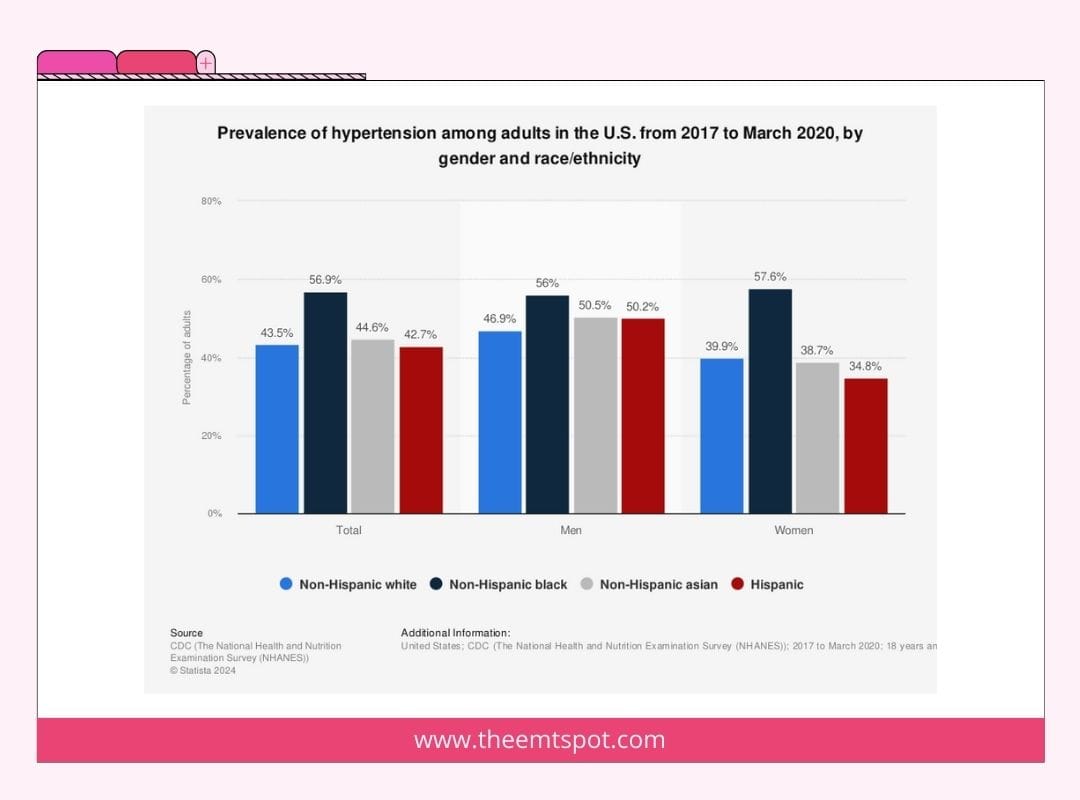
Blood pressure patterns by race and ethnicity
Average blood pressure varies across racial and ethnic groups, as highlighted by Dr. Anum Saeed and colleagues from the American College of Cardiology in a 2020 expert analysis.
Genetics, socioeconomic factors, diet, chronic stress, and access to healthcare all contribute to these disparities.
A study from the Smith Center for Outcomes Research in Cardiology, published in the AHA journal, conducted a detailed analysis of blood pressure variation across ethnic groups in the United States and found significant differences influenced by genetic background and environmental factors.
| Race / Ethnicity | Hypertension Prevalence | Average Systolic (mmHg) | Key Risk Factors |
|---|---|---|---|
| Black / African American | Highest — approx. 55% | Higher average vs. other groups | Genetics, sodium sensitivity, healthcare access disparities |
| White / Caucasian | Approx. 47% | Average adult range | Dietary sodium, obesity, physical inactivity |
| Hispanic / Latino | Approx. 40% | Average adult range | Lower rates of awareness and treatment |
| Asian American | Approx. 35-40% | Average adult range | Higher stroke risk at lower BP levels; dietary sodium |
| Native American / Alaska Native | Elevated | Above average | Obesity, diabetes, limited healthcare access |
Normal blood pressure ranges for pets
Normal blood pressure for pets ranges from approximately 110/60 to 170/100 mmHg depending on the species.
Blood pressure is a vital cardiovascular parameter in animals as it is in humans, and the normal ranges differ significantly between species and breeds.
Measuring blood pressure in pets requires species-specific equipment and techniques, and values should be interpreted in consultation with a veterinarian.
| Species | Normal Systolic (mmHg) | Normal Diastolic (mmHg) | Notes |
|---|---|---|---|
| Dog | 110-160 | 60-90 | Varies by breed and size; measured by veterinarian |
| Cat | 120-170 | 70-120 | Hypertension common in older cats with kidney disease |
| Horse | 100-150 | 70-90 | Species-specific equipment required |
| Rabbit | 90-130 | 60-90 | Stress during measurement can temporarily elevate readings |
Why regular blood pressure monitoring matters
Regular blood pressure monitoring provides a reliable early indicator of cardiovascular health status before symptoms appear.
Early detection
Regular monitoring detects hypertension and other cardiovascular conditions before symptoms become evident, enabling timely intervention and reducing the risk of complications.
Treatment efficacy
For individuals on antihypertensive medications, tracking blood pressure confirms whether treatment is achieving the target and allows dose adjustments when needed.
Prevention of serious health issues
Uncontrolled high blood pressure leads to heart attack, stroke, kidney disease, and heart failure. Consistent monitoring supports prevention of these outcomes.
Understanding risk factors
Observing blood pressure responses to diet, exercise, stress, and other lifestyle factors helps individuals make evidence-based decisions about daily habits.
Managing comorbidities
Diabetes, kidney disease, and certain cardiac conditions each affect blood pressure regulation, and integrated monitoring supports comprehensive management of these conditions.
Preventing hypertensive crisis
Regular checks detect readings trending toward 180/120 mmHg before a crisis develops, allowing intervention before emergency care is required.
Confirming accurate diagnosis
Current guidelines recommend confirming any elevated office reading with home blood pressure monitoring (HBPM) or 24-hour ambulatory blood pressure monitoring (ABPM) before initiating long-term treatment.
- White-coat hypertension: Blood pressure appears elevated in a clinical setting but is normal at home. Recognizing this pattern avoids unnecessary treatment in patients who are not truly hypertensive.
- Masked hypertension: Blood pressure appears normal during clinic visits but is elevated at home or during daily activity. Identifying masked hypertension is essential to prevent untreated cardiovascular risk.
Healthcare providers typically recommend measuring blood pressure at home twice daily for at least seven days to confirm a diagnosis before initiating or adjusting treatment.
How to measure blood pressure accurately at home
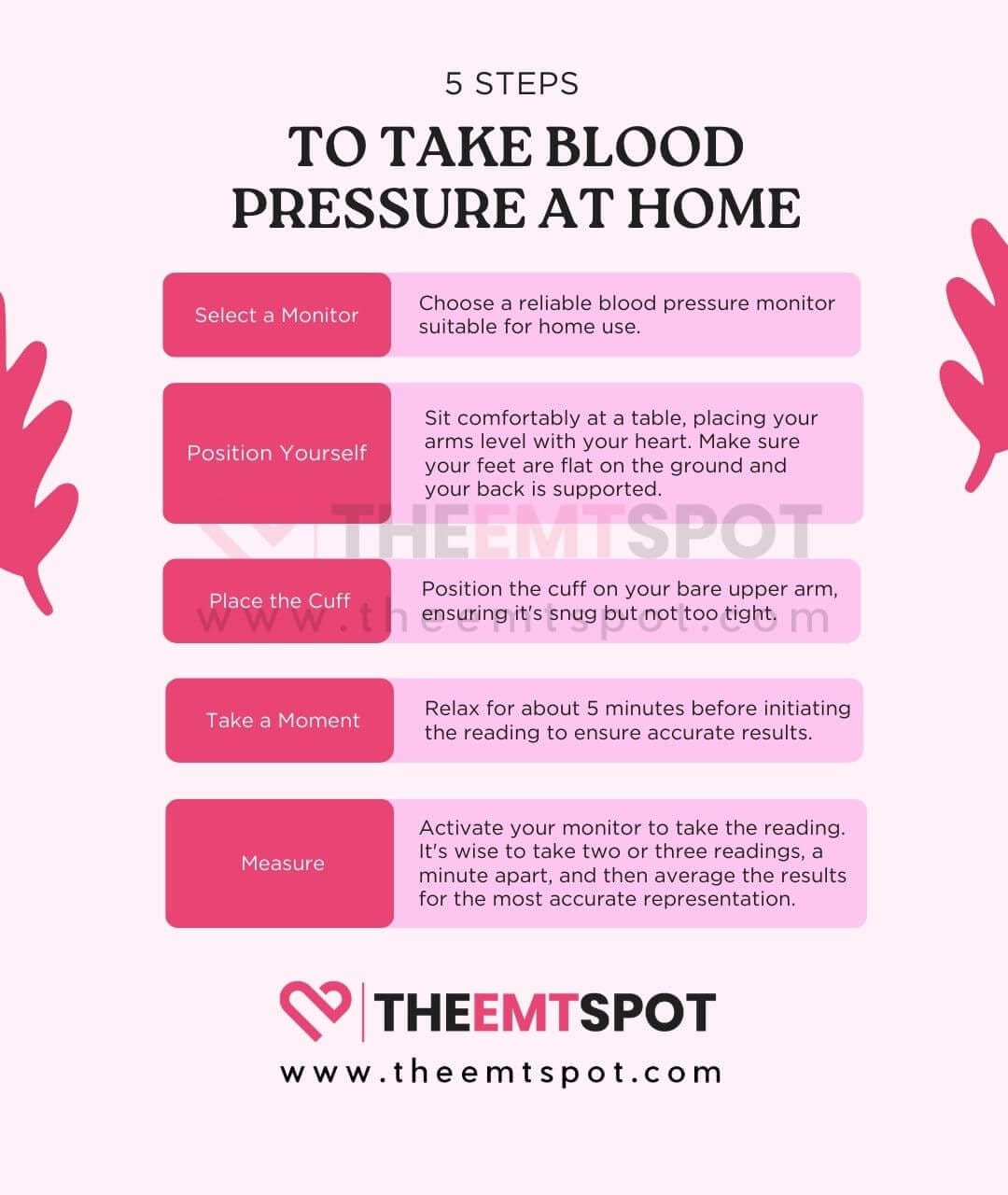
Accurate home blood pressure measurement requires a validated upper-arm cuff monitor, correct positioning, and consistent timing. For a step-by-step guide covering cuff selection, positioning, measurement protocol, and common errors, see the how to take blood pressure guide.
- Select a validated monitor: Use a clinically validated upper-arm cuff monitor. Wrist monitors are less accurate, and cuffless wearables remain unvalidated for clinical decision-making.
- Position yourself correctly: Sit comfortably at a table with your arm supported at heart level, feet flat on the floor, and back supported. Rest quietly for 5 minutes before measuring.
- Place the cuff correctly: Position the cuff on the bare upper arm, one finger-width above the elbow crease, snug but not compressing the skin.
- Take multiple readings: Take two readings one minute apart, morning and evening, for at least 7 days. Average the readings, excluding the first day, for the most clinically reliable result.
For a comparison of validated home blood pressure monitors by measurement accuracy and features, see the blood pressure monitors guide.
How to lower blood pressure with lifestyle changes
Lifestyle modification reduces blood pressure effectively across all ranges from elevated through Stage 2, and is the sole recommended treatment for elevated blood pressure without additional risk factors.
For a detailed implementation guide on each of these interventions with specific targets and timelines, see the how to lower blood pressure guide.

More in this topic