The DASH diet (Dietary Approaches to Stop Hypertension) reduces systolic blood pressure by an average of 5.5 mmHg and diastolic blood pressure by 3.0 mmHg more than a standard control diet, based on the foundational clinical trial published in the New England Journal of Medicine (Appel et al., 1997).
DASH achieves this reduction through five food groups: fruits, vegetables, whole grains, low-fat dairy, and lean proteins, combined with a daily sodium target below 2,300 mg, and ideally below 1,500 mg for adults with hypertension or elevated blood pressure.
Blood pressure changes on the DASH diet appear within two weeks of starting, with the full effect established after eight weeks of consistent adherence.
Beyond DASH, the Mediterranean diet, plant-based diets, and targeted sodium reduction each carry clinical evidence for blood pressure reduction at varying magnitudes.
The sections below cover the DASH food list, serving targets, a 7-day meal plan, alternative diets with their evidence base, and specific foods, drinks, and herbs with documented effects on blood pressure.
What is the DASH diet?
The DASH diet, known as Dietary Approaches to Stop Hypertension, is more than just a dietary regimen; it serves as a verified path to improved health, especially for individuals with high blood pressure.
The DASH diet reduces salt intake by shifting the food pattern away from processed and packaged foods, while simultaneously increasing nutrients, such as potassium and magnesium, that directly lower blood pressure.
Its origins trace back to 1992 when the National Institutes of Health funded a groundbreaking study aimed at exploring the impact of diet on blood pressure.
The DASH trial enrolled 459 adults with systolic blood pressure below 160 mmHg and diastolic blood pressure between 80 and 95 mmHg, including participants both with and without diagnosed hypertension.
The participants first adhered to a control diet low in fruits, vegetables, and dairy, with a fat content mirroring the average American diet at that time.
After this phase, they were divided into two groups: one that consumed a diet rich in fruits and vegetables and the other that followed a combination diet.
The combination diet was rich in fruits, vegetables, and low-fat dairy, with reduced saturated and total fat.
Sodium intake and body weight were held constant throughout the study to isolate the effect of dietary pattern on blood pressure.
The results, published in the New England Journal of Medicine in 1997, showed that the combination diet significantly lowered blood pressure, with the greatest reductions in individuals who already had hypertension.
Adults with normal blood pressure also showed reductions, though less pronounced than those with hypertension.
The combination diet reduced systolic and diastolic blood pressure more effectively than either the control diet or the fruits-and-vegetables diet alone.
A 2001 follow-up study by Prof. F. M. Sacks, published in the New England Journal of Medicine, demonstrated that combining sodium reduction with the DASH diet produces greater blood pressure reductions than either intervention alone.
The study also identified long-term dietary change and broader availability of lower-sodium processed foods as the two conditions required for population-level sustained benefit.
The study also emphasized the importance of long-term dietary changes and the availability of lower-sodium foods for sustained health benefits.
Today, the DASH diet stands as one of the most extensively studied and recommended diets for managing blood pressure.
Recognized worldwide for its effectiveness, the diet has become easily accessible, with free resources available on the National Institutes of Health website.
Widespread accessibility, combined with a strong evidence base, makes the DASH diet the most frequently recommended dietary approach for hypertension management.
How much does the DASH diet cost?
The DASH diet guidelines are free of charge, with full resources available on the National Heart, Lung, and Blood Institute (NHLBI) website.
U.S. News & World Report ranked DASH among the easiest diets to follow, partly because all recommended foods are available in standard grocery stores and farmers’ markets.
The primary expense of the DASH diet is the cost of food, which with careful planning remains comparable to a standard grocery budget.
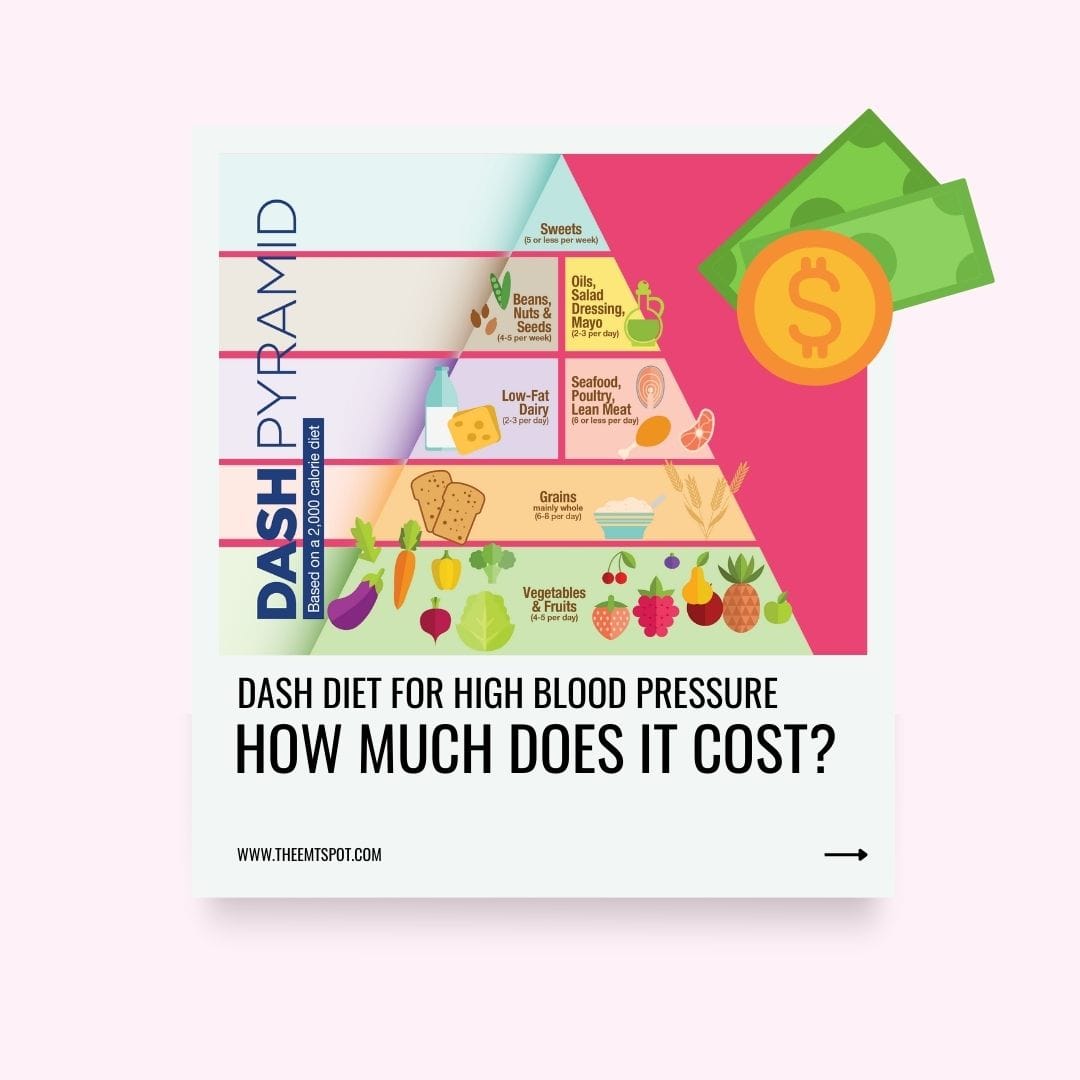
A study by Pablo Monsivais, Ph.D., MPH, and colleagues from the University of Washington found that in high-socioeconomic status (SES) areas, the weekly cost was higher, averaging around $40.20, compared to $30.73 in low-SES areas.
The study highlights the financial aspect of adopting the DASH diet in different communities, reflecting the impact of socioeconomic factors on diet affordability.
The emphasis of the DASH diet on healthy whole foods doesn’t necessitate purchasing exotic or expensive items.
For instance, a 2013 study published by Pablo Monsivais, Ph.D., MPH, and colleagues in JAMA Internal Medicine reported that individuals, such as those from Mexican-American-Hispanic communities, did not see a significant increase in their food spending when adopting the DASH diet.
Mexican-American-Hispanic adults showed no significant cost increase because their traditional diet already aligns closely with DASH food groups in terms of composition and cost.
The DASH diet encourages a variety of nutrient-rich, whole foods that can fit into various budgets, making it a feasible option for a wide range of individuals.
With careful meal planning and savvy shopping, following the DASH diet can be both an economically and health-wise smart choice.
The DASH food list covers a wide range of everyday foods across all major food groups, and many familiar choices remain within the diet’s guidelines.
What is on the DASH diet food list?
The DASH food list is derived from the NIH-funded clinical trials and specifies recommended foods across five groups: fruits, vegetables, whole grains, low-fat dairy, and lean proteins.
The table below lists foods recommended in the DASH diet, as published by the National Heart, Lung, and Blood Institute (NHLBI).
Whether you’re starting your DASH diet journey or seeking a quick reference, this table will serve as your go-to resource for understanding what foods are included in the DASH diet.
| Food Category | Description | Examples |
|---|---|---|
| Fruits and vegetables | Rich in vitamins, minerals, and fiber | Apples, spinach, broccoli, carrots |
| Whole grains | Includes whole wheat bread, brown rice, and oatmeal | Whole grain pasta, quinoa, whole wheat cereal |
| Lean proteins | Skinless poultry, fish, and lean cuts of meat | Chicken breast, salmon, turkey, lean beef |
| Nuts, seeds, and legumes | Good sources of protein, healthy fats, and fiber | Almonds, chia seeds, lentils, black beans |
| Low-fat or fat-free dairy | Provides calcium and protein with lower fat content | Greek yogurt, skim milk, low-fat cheese |
| Healthy fats | Encourages olive oil and avocados, limits saturated fats | Olive oil, avocado, nuts (in moderation) |
| Sweets and added sugars | To be consumed sparingly, with an emphasis on minimally processed foods | Dark chocolate (in moderation), honey |
The table above lists recommended foods. The section below covers foods to reduce or avoid, which complete the full DASH dietary pattern.
What can’t you eat on the DASH diet?
DASH diet advises a reduction in the consumption of high-sodium foods, red meats, and foods high in saturated fats and added sugars.
Reducing these categories produces a diet low in sodium and saturated fat, yet rich in fiber, protein, and blood pressure-lowering minerals including potassium, magnesium, and calcium.
The DASH diet functions as a complete dietary pattern rather than a single-nutrient restriction, which accounts for its consistent effectiveness across clinical trials.
Evidence supports DASH benefits for cardiovascular risk reduction, weight management, and metabolic health in both hypertensive and normotensive adults.
For clinical thresholds and classification of high blood pressure stages, including when medication is indicated alongside diet, see the hypertension guide.
The following foods are recommended for reduction or avoidance on the DASH diet, consistent with guidance from the Mayo Clinic and NIH-NHLBI.
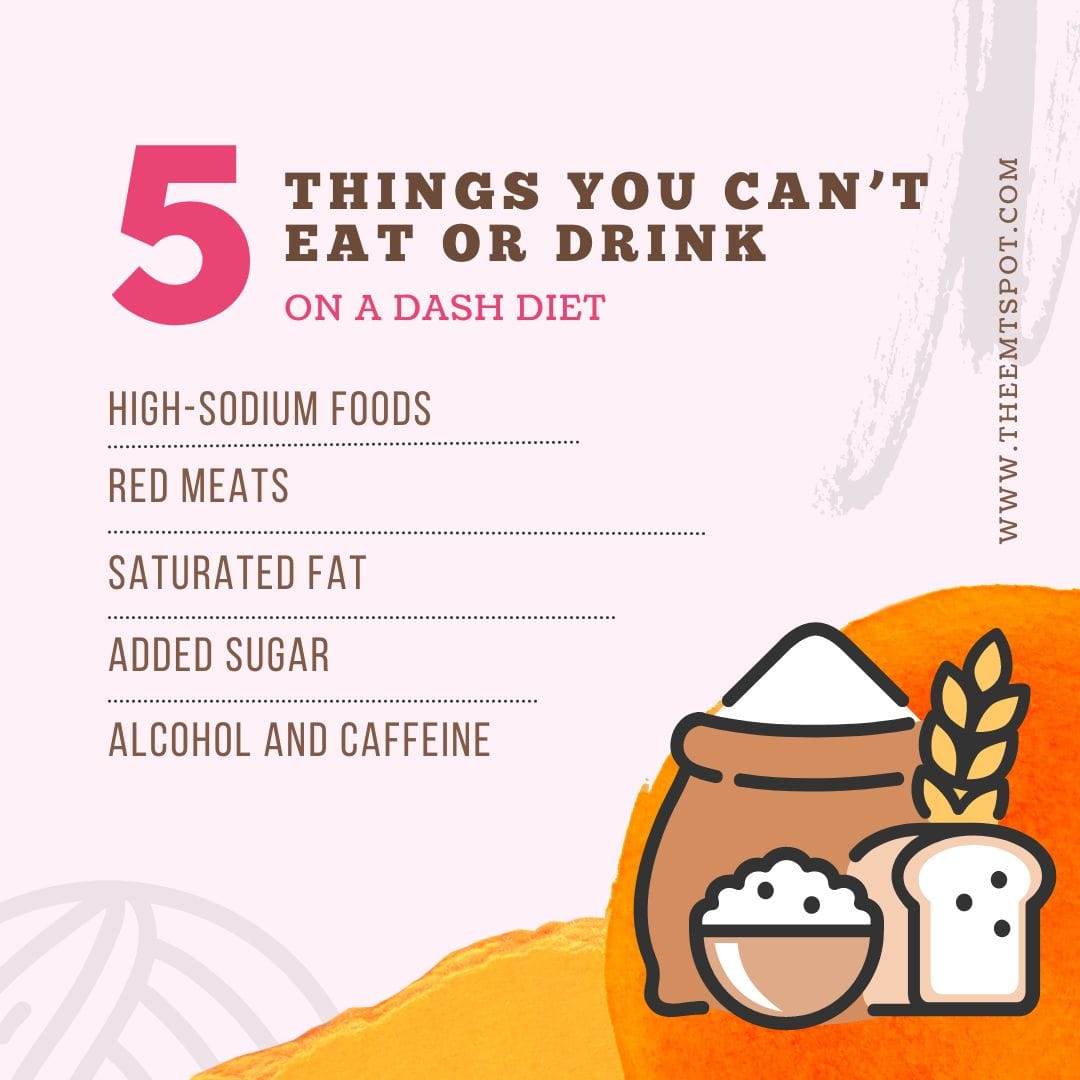
Reducing high-sodium, high-fat, and high-sugar foods is as central to DASH effectiveness as increasing fruits, vegetables, and whole grains, since the clinical trials controlled both sides of the dietary equation.
A registered dietitian or prescribing clinician can further tailor DASH targets to individual calorie needs, medication interactions, and comorbidities.
What are the suggested servings on the DASH diet?
DASH serving targets vary by total daily calorie intake, which depends on age, sex, and physical activity level.
The daily calorie intake ranges from 1,600 to 2,400 calories for women, while for men, it’s between 2,000 to 3,100 calories.
Calorie counting is not required, but serving quantities from each food group scale proportionally with total daily calorie intake.
Below is a breakdown of the suggested servings for each food group on the DASH diet as recommended by NIH-NHLBI.
| Food Category | Recommended Servings |
|---|---|
| Whole grains | 6 to 8 servings a day |
| Vegetables | 4 to 5 servings a day |
| Fruits | 4 to 5 servings a day |
| Low-fat or fat-free dairy | 2 to 3 servings a day |
| Lean meats, poultry, and fish | 6 or fewer servings a day |
| Nuts, seeds, and beans | 4 to 5 servings a week |
| Healthy fats and oils | 2 to 3 servings a day |
| Sweets (preferably low-fat or fat-free) | 5 or fewer a week |
| Sodium | No more than 2,300 mg a day |
| Alcohol | Maximum 2 drinks daily for men and 1 drink daily for women |
Replacing some carbohydrates with low-fat protein or unsaturated fats produces additional blood pressure reduction beyond the standard DASH pattern.
For a full overview of evidence-based lifestyle interventions, see the how to lower blood pressure guide.
Adults targeting weight loss use a 1,600-calorie version of the DASH meal plan, which maintains all food group proportions at lower volumes.
Individuals above the age of 40, those of African American heritage, or those with a diagnosis of hypertension should restrict sodium intake to no more than 1,500 mg.
Consistently following these serving targets ensures adequate intake of potassium (target 4,700 mg/day), magnesium (target 500 mg/day), and calcium (target 1,250 mg/day), the three minerals most directly associated with blood pressure reduction in the DASH trials.
The 7-day meal plan below is adapted from the NIH-NHLBI DASH eating plan guide and demonstrates how the food group targets translate into daily meals.
7-Day DASH diet meal plan
Each day below stays within the DASH sodium target (below 2,300 mg, with several days approaching the stricter 1,500 mg target for high-risk adults) while meeting fruit, vegetable, whole grain, and dairy serving goals.
Are there other diets besides the DASH diet that are good for high blood pressure?
The DASH diet carries the strongest clinical evidence for blood pressure reduction, but several other dietary patterns show measurable effects on systolic and diastolic pressure.
For readers with readings in the 120-129 mmHg range, the elevated blood pressure guide covers specific dietary targets for that category.
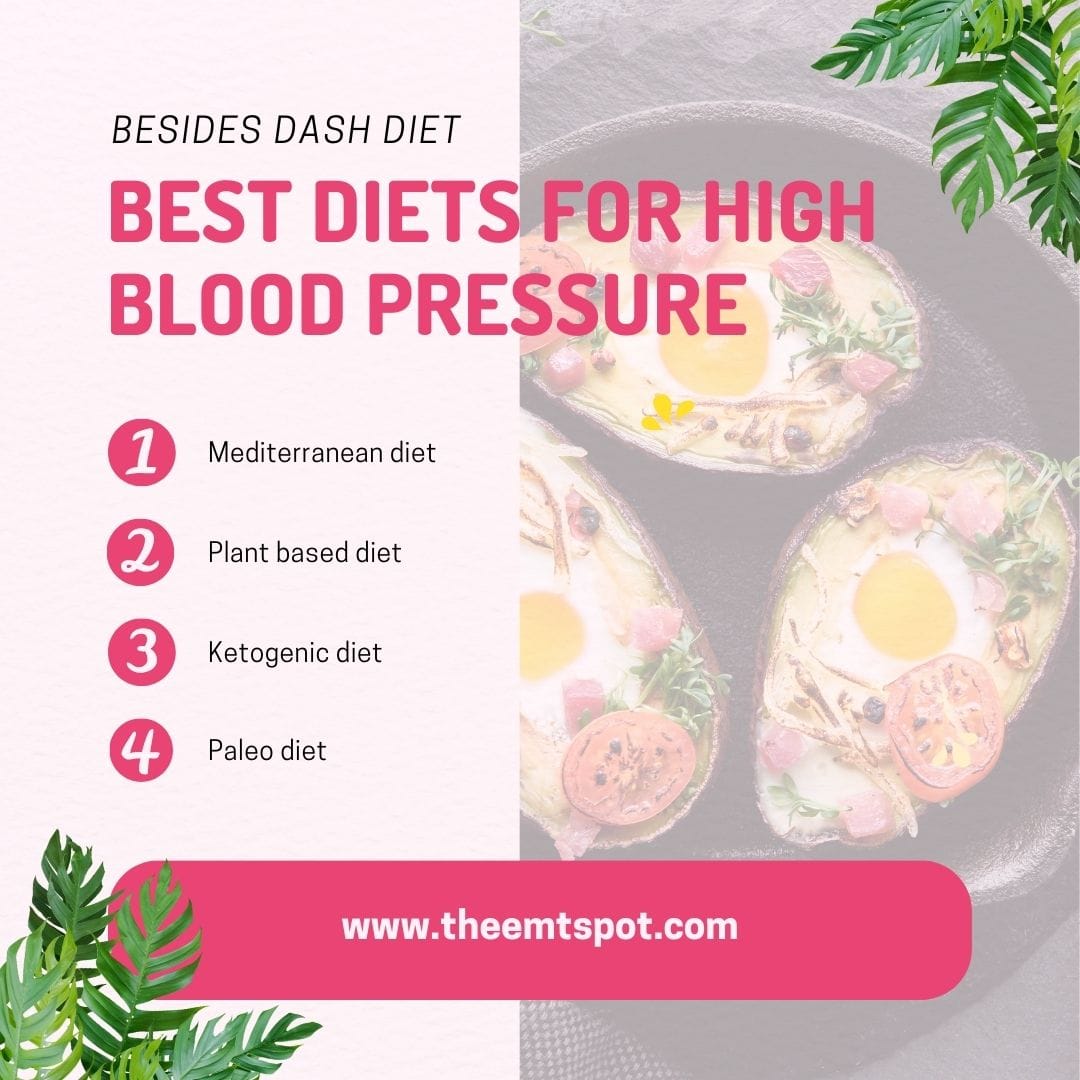
Several studies suggest that the Mediterranean diet positively influences blood pressure reduction.
The Mediterranean diet prioritizes fruits, vegetables, whole grains, nuts, and olive oil, with fish and poultry in moderation and red meat and sweets restricted.
Rich in healthy unsaturated fats and low in red meat and sweets, the Mediterranean diet aligns well with blood pressure management goals.
Another noteworthy dietary option is the plant-based or vegan diet, emphasizing fruits, vegetables, legumes, nuts, and seeds while minimizing or eliminating meat and animal products.
Such diets tend to be high in potassium, magnesium, and fiber, all of which are known to contribute to lower blood pressure.
Calorie-restricted and low-carbohydrate diets produce blood pressure reductions indirectly, primarily through weight loss, with each 1 kg of body weight reduction associated with approximately 1 mmHg of systolic blood pressure reduction.
The Ketogenic diet, which involves reducing carbohydrate intake and increasing fat consumption to trigger ketosis, where the body utilizes fat for energy, is one such option.
The Paleo diet centres on lean meats, fish, fruits, vegetables, nuts, and seeds, excluding dairy, grains, and processed foods.
Weight loss itself significantly impacts blood pressure, making calorie-restricted or low-carb diets beneficial.
Lastly, the Carnivore diet, primarily composed of animal-based foods, is a controversial approach with limited evidence of its effect on blood pressure.
Each of these diets shares common elements with the DASH diet, such as a focus on whole foods with a significant reduction in processed foods and salt.
The key is to select a diet that not only aids blood pressure management but also aligns with your lifestyle and dietary preferences, ensuring long-term adherence and success.
Is the Mediterranean diet good for high blood pressure?
Yes, the Mediterranean diet is highly beneficial for managing high blood pressure, and several studies have underscored its effectiveness in lowering blood pressure.
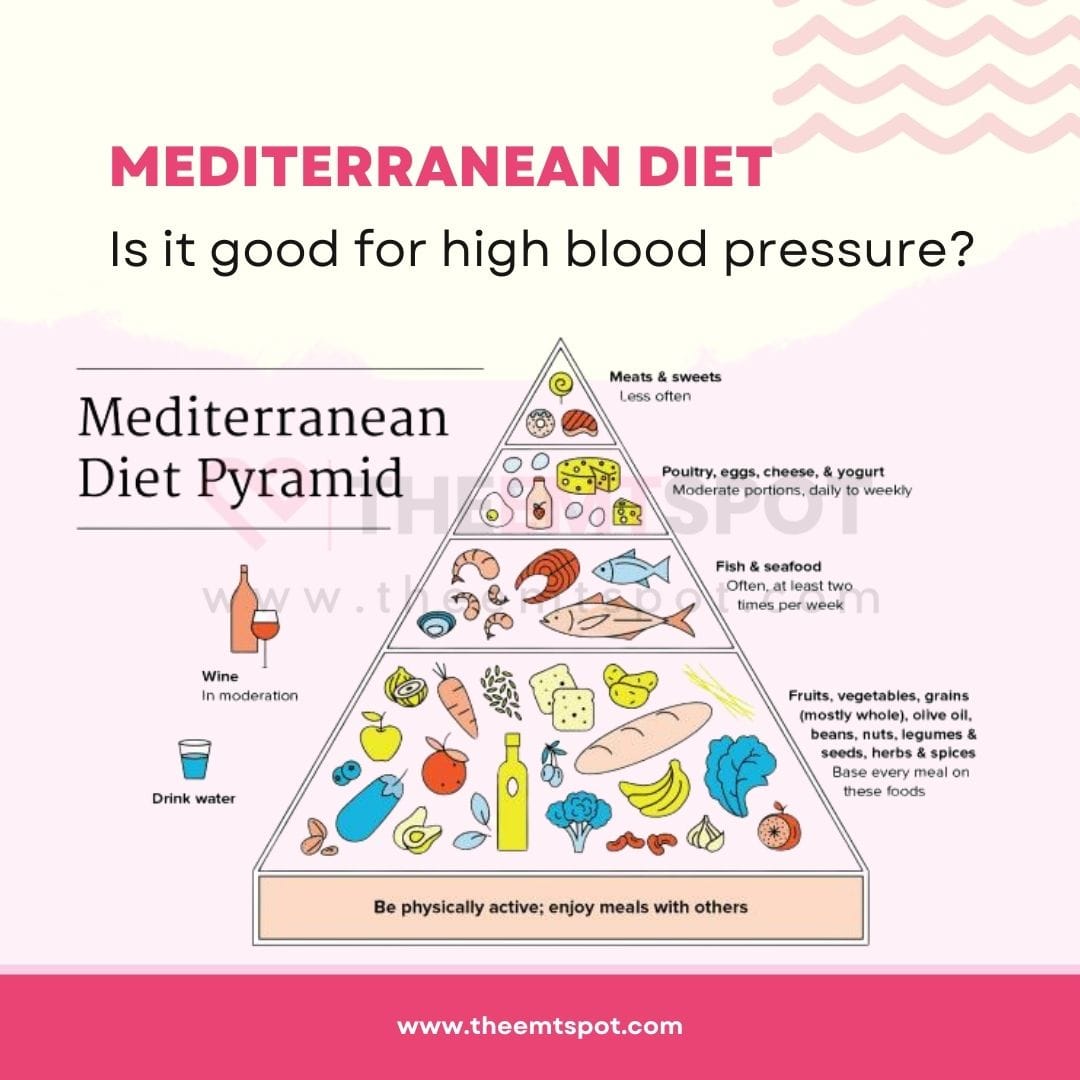
A study published by Giovanni De Pergola and Annunziata D’Alessandro in the journal Nutrients suggests that the Mediterranean diet has a positive influence on reducing blood pressure.
The American Heart Association (AHA) recognizes the Mediterranean diet as a heart-healthy pattern that addresses hypertension alongside associated conditions including dyslipidaemia, obesity, insulin resistance, and cardiovascular disease.
Central to the Mediterranean diet are its healthy dietary patterns. It predominantly consists of fruits, vegetables, beans, nuts, legumes, and seeds.
Olive oil serves as the primary fat source, and the diet includes whole-grain foods alongside moderate amounts of seafood, lean meat, and dairy.
The Mediterranean diet restricts added sugar, salt, processed and refined foods, and typically excludes canned, deep-fried, and heavily preserved products.
One critical factor is the presence of olive oil, particularly extra virgin olive oil, known to aid in reducing the risk of high blood pressure and facilitating the elimination of abnormal cholesterol from blood vessels.
Nitric oxide released in response to olive oil polyphenols relaxes the endothelial lining of blood vessels, reducing vascular resistance and blood pressure.
The diet’s richness in fruits, vegetables, whole grains, and healthy fats provides essential nutrients crucial for blood pressure control.
Potassium, abundant in vegetables and fruits, is instrumental in dilating blood vessels, ensuring smooth blood flow.
High dietary fiber content in Mediterranean plant foods supports satiety, weight maintenance, and reduced caloric intake, each of which independently contributes to blood pressure control.
Is the vegan diet good for high blood pressure?
Yes, a vegan diet can be beneficial for high blood pressure reduction, and this diet excludes animal products, including meat, dairy, eggs, and other derivatives from animals.
According to the AHA, plant-based diets, such as veganism, are recognized as a healthful dietary option with great potential to control hypertension and enhance overall cardiac well-being.
A vegan diet centres on plant-derived foods, including fruits, vegetables, grains, legumes, nuts, and seeds, while excluding all animal products.
Vegan diets are abundant in dietary fiber, phytonutrients, and antioxidants, and typically carry lower saturated fat and caloric density than omnivorous diets.

The favorable impact on blood pressure is primarily attributed to the diet’s ample provision of fruits, vegetables, and whole grains, rich in essential elements like potassium, magnesium, and fiber, known for their blood pressure-lowering effects.
Vegan diets consistently show lower saturated fat and dietary cholesterol compared to omnivorous patterns, both of which contribute to endothelial function and blood pressure regulation.
The absence of red meat, which tends to be high in saturated fats, further promotes cardiac health and maintains optimal blood pressure.
Evidence supporting the benefits of a vegan diet on blood pressure comes from various studies and expert opinions.
A 2014 study published in JAMA Internal Medicine by Yoko Yokoyama, PhD, MPH et al. found that plant-based diets, including vegan diets, were associated with lower blood pressure compared to omnivorous diets.
The meta-analysis screened 258 studies and included 7 clinical trials and 32 observational studies in its final analysis, concluding that adherence to plant-based diets is associated with lower blood pressure across populations.
The authors of the study regard the vegan diet as a non-pharmacological means to decrease hypertension, which, when combined with years of knowledge from traditional medicine, corroborates clinical findings.
Is the keto diet good for high blood pressure?
The influence of the keto diet on blood pressure reduction is a debated topic, but it was observed to be effective by many people.
The ketogenic (keto) diet is recognized for its high-fat, moderate-protein, and very low-carbohydrate composition, with the primary aim of inducing ketosis, wherein the body utilizes fat for energy instead of carbohydrates.
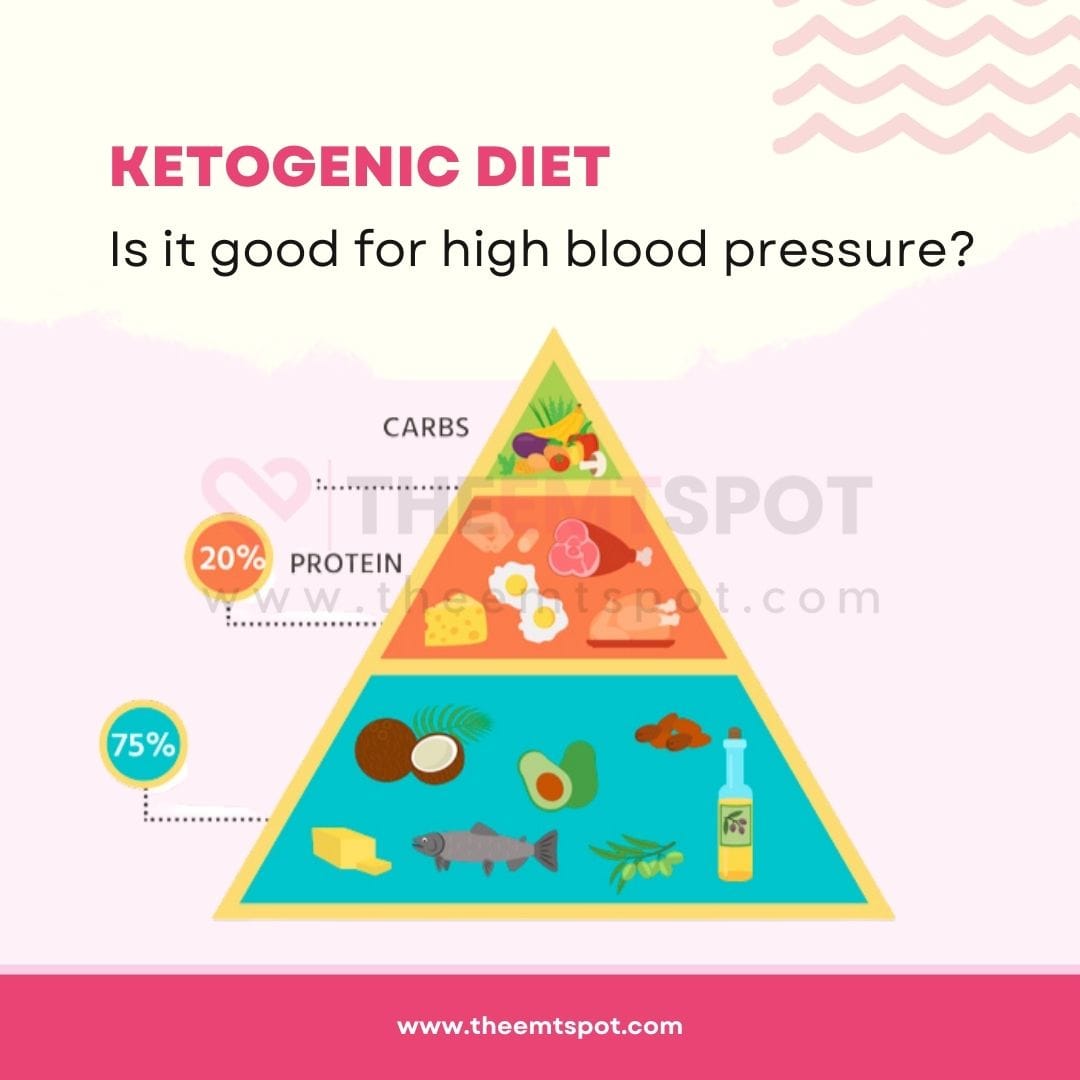
Some potential benefits, such as weight loss and improved blood sugar levels, may indirectly impact blood pressure.
Keto diets are also associated with triglyceride reduction, which may benefit cardiovascular health as a secondary effect.
Long-term cardiovascular effects of the ketogenic diet remain uncertain, as most studies extend no longer than 12 months and lack active control groups matched for caloric intake.
Potential keto benefits for blood pressure centre on weight loss and improved insulin sensitivity, but the diet raises clinically significant concerns for cardiovascular risk.
These concerns encompass potential increases in LDL (bad) cholesterol, risks of dehydration, and possible kidney issues, especially among individuals with pre-existing heart conditions.
Scientific studies and expert opinions on the keto diet’s influence on blood pressure and heart health present a mixed picture.
Consensus is lacking regarding the long-term safety and efficacy of the keto diet for blood pressure management among experts.
For example, a 2021 narrative review authored by researchers from the University of Palermo and published in Nutrients recognizes the potential effects of the ketogenic diet on cardiovascular health.
According to this review, the ketogenic diet might contribute to blood pressure reduction through mechanisms such as weight loss, reduced carbohydrate intake, and enhanced endothelial function, although further research is deemed necessary.
Nevertheless, this review refrains from making definitive claims regarding the diet’s benefits or risks concerning blood pressure.
Due to potential risks and the limited availability of long-term data, experts generally recommend a balanced diet for individuals with heart conditions.
Such a diet should incorporate complex carbohydrates, unsaturated fats, lean proteins, fresh fruits and vegetables, and restrict the intake of red meat and processed foods.
Individuals contemplating the keto diet, particularly those with heart conditions, are advised to consult a healthcare provider to gain insights into the potential risks and benefits specific to their health situation.
Is the paleo diet good for high blood pressure?
The Paleo diet can aid in reducing hypertension. It is also known as the caveman or Stone Age diet, based on early humans’ presumed diet.
The Paleo diet centres on meat, fish, vegetables, and fruit while excluding dairy, grain products, and processed food.
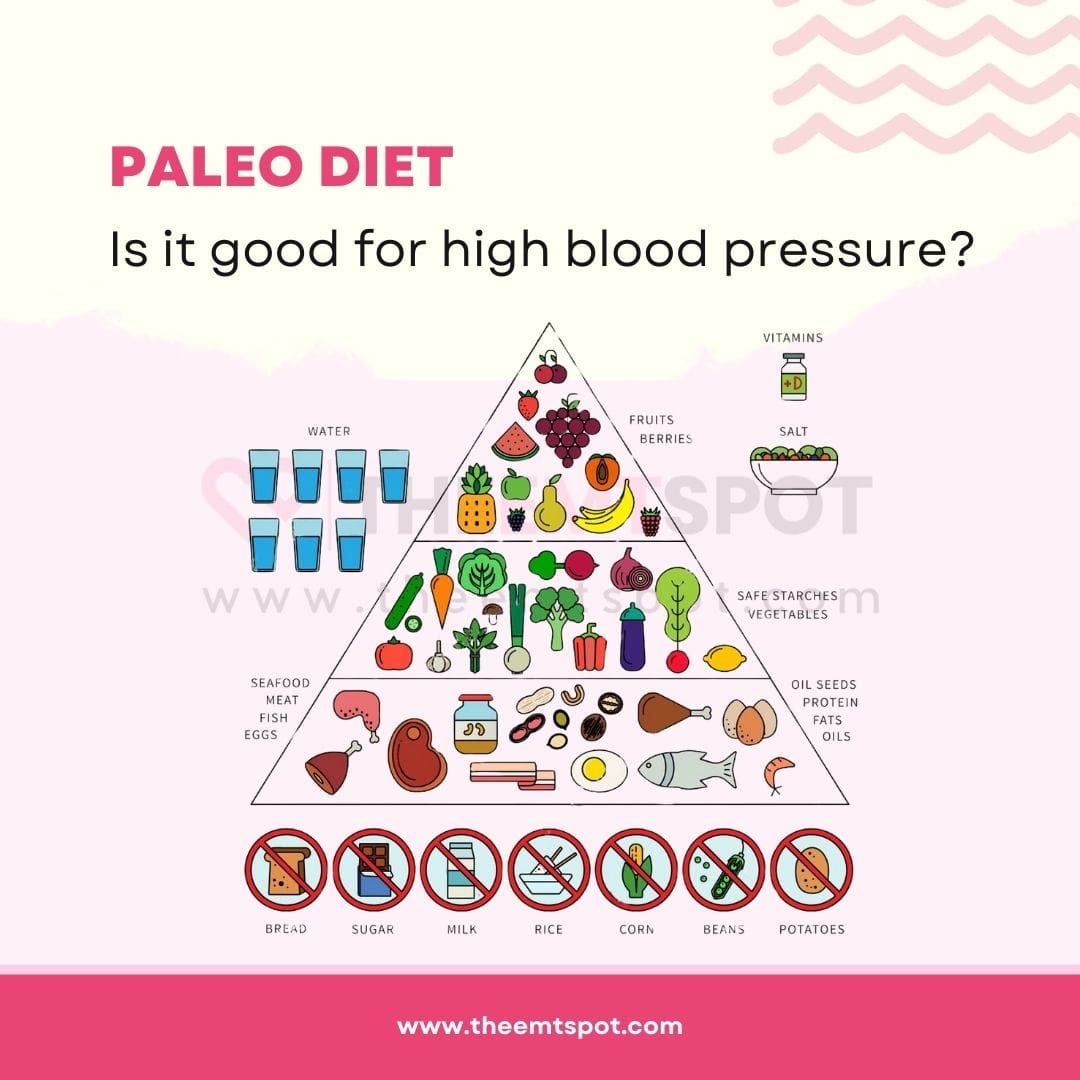
The Paleo diet produces blood pressure reductions primarily through naturally low sodium content and high potassium intake from fruits, vegetables, and unprocessed meats.
Excluding processed foods, which are often high in sodium, from the Paleo diet can also reduce blood pressure.
Paleo’s emphasis on fruits and vegetables provides fiber, potassium, and antioxidants that support vascular health and blood pressure regulation.
Research and expert opinions suggest that the Paleo diet can benefit cardiovascular health and help lower blood pressure.
One such study highlighting this fact was published in the Journal of Diabetes Science And Technology by David C. Klonoff, M.D., FACP.
According to the study, the Paleo diet may lower blood pressure through improved insulin sensitivity, reduced inflammation, and antioxidants, preventing blood sugar spikes and vessel damage.
Paleo’s naturally low sodium content from whole unprocessed foods, combined with high protein intake that supports weight loss, contributes to the diet’s observed blood pressure effects.
Long-term effects of the Paleo diet remain understudied, and the exclusion of whole grains and dairy eliminates established DASH-aligned sources of fiber, calcium, and magnesium.
Nutrition experts often recommend a balanced approach to diet that includes a variety of food groups.
Is the carnivore diet good for high blood pressure?
The impact of the carnivore diet on blood pressure is not definitively understood and can vary from person to person.
The carnivore diet consists exclusively of animal products, typically including meat, fish, eggs, and certain dairy products, while excluding all plant-based foods.
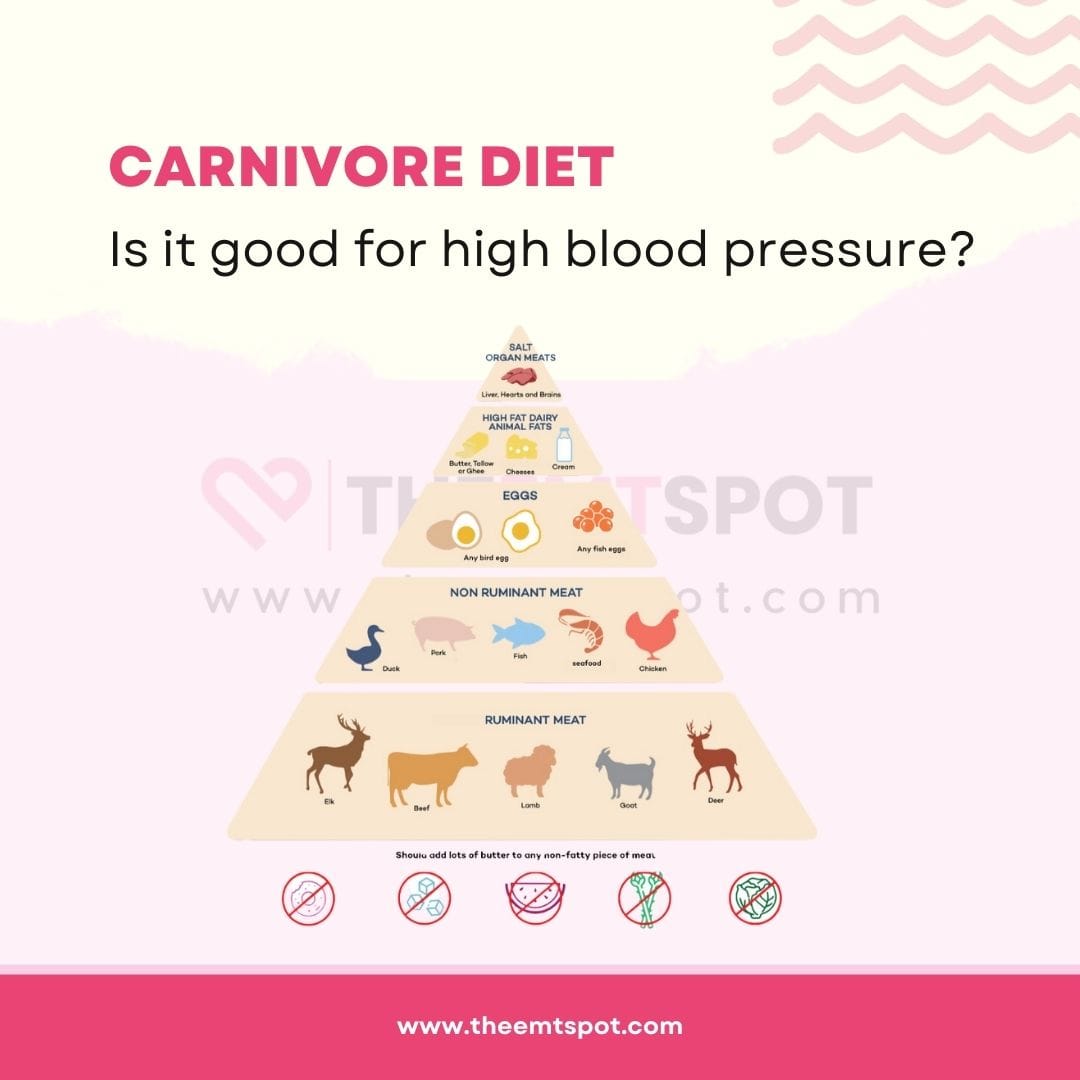
Some evidence suggests that the carnivore diet might be safe for people with high blood pressure and could help manage or improve it.
Weight loss is the most plausible mechanism for the reported blood pressure improvements in carnivore diet adherents, rather than any specific property of an all-animal-product diet.
A 2021 study involving researchers from Boston Children’s Hospital assessed 2029 participants who followed the carnivore diet for at least six months.
Among the subset who reported having high blood pressure at baseline, 93% reported improvements or resolution, though without a control group these self-reported outcomes cannot be attributed to diet alone.
The survey lacked a control group, used self-reported outcomes, and recruited a self-selected population of carnivore diet adherents, limiting the generalisability of these findings.
Another fascinating piece of evidence supporting the carnivore diet is the Bellevue hospital experiment in 1928 involving Vilhjalmur Stefansson and Karsten Anderson, who followed a meat-only diet for a year and showed no increase in blood pressure.
In fact, Anderson’s systolic blood pressure improved from 140 mmHg to 120 mmHg.
Reports of blood pressure improvement on the carnivore diet remain largely anecdotal and are not yet supported by randomised controlled trial evidence.
Eliminating entire food groups, particularly fruits, vegetables, and whole grains, creates risk of nutritional deficiencies in fibre, vitamin C, folate, and the potassium and magnesium required for blood pressure regulation.
Carnivore diets are high in saturated fat, which raises LDL cholesterol, and long-term cardiovascular effects have not been evaluated in controlled trials extending beyond six months.
Healthcare professionals generally recommend a balanced diet that includes a variety of foods from different groups for overall health and well-being.
Individuals with pre-existing conditions like high blood pressure should consult with a healthcare provider before making significant dietary changes.
Does fasting lower blood pressure?
Fasting, including intermittent fasting protocols, produces measurable blood pressure reductions during the fasting period, though readings typically return toward baseline levels after resuming normal eating.
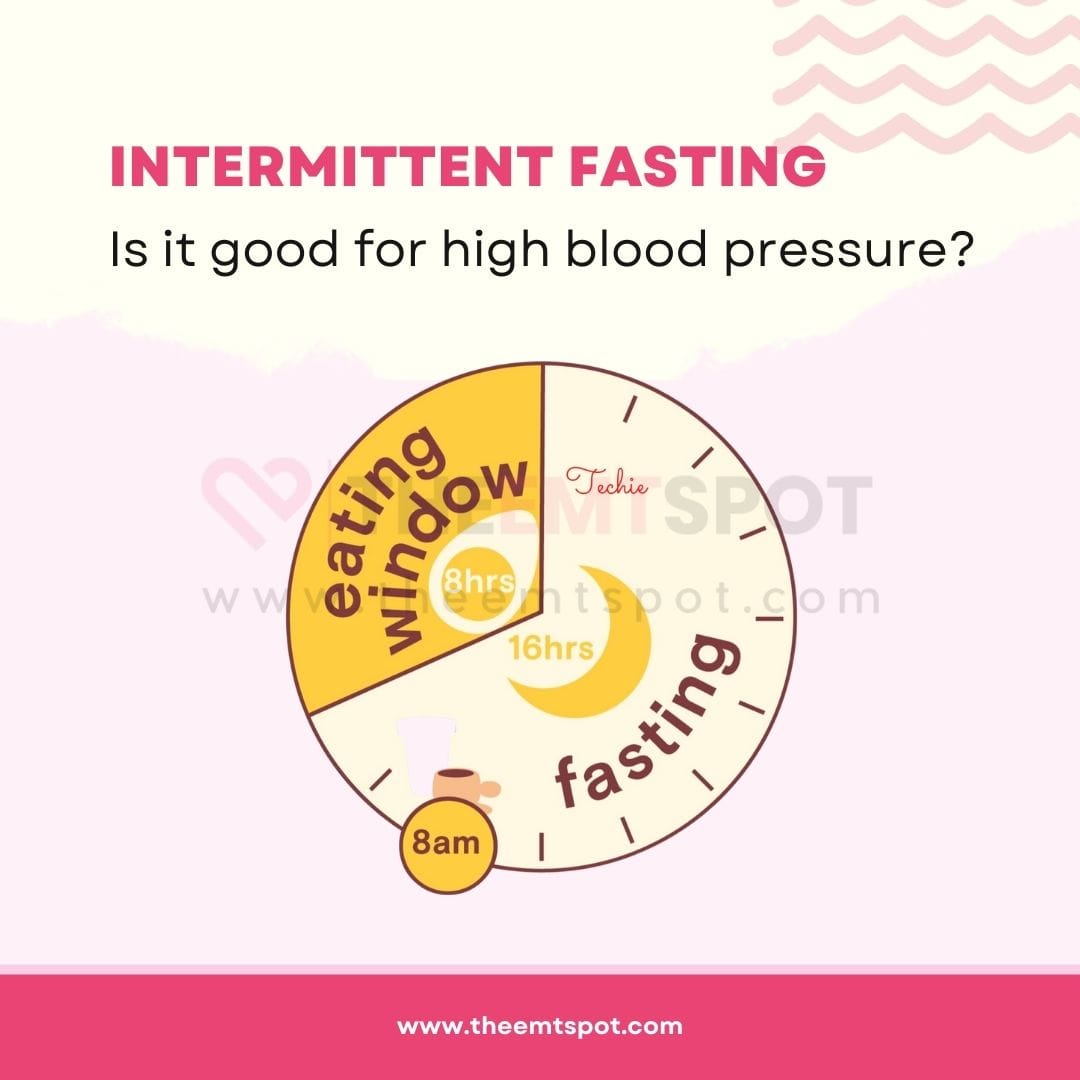
Blood pressure reduction during fasting is not solely explained by dehydration, but is primarily attributed to caloric restriction and a shift from sympathetic to parasympathetic nervous system tone.
Fasting tends to promote parasympathetic tone, a relaxed state of the nervous system, which contrasts with the sympathetic tone associated with elevated blood pressure.
Fasting also modulates the gut microbiome, and emerging evidence links gut microbiome composition to blood pressure regulation through short-chain fatty acid production and renin-angiotensin system signalling.
Cardiologist and endocrinologist Dennis Bruemmer, MD, PhD, emphasizes the benefits of fasting.
“Research shows that fasting can help lower blood pressure, reduce cholesterol, control diabetes, and reduce weight.”
He adds:
“Four of the major risks for heart disease are high blood pressure and cholesterol, diabetes, and weight, so there’s a secondary impact,” suggesting that fasting can reduce heart disease risk.
Dr. Bruemmer notes that fasting protocols carry risk of electrolyte imbalance and require medical supervision, particularly for adults on antihypertensive or diabetic medications.
“So whenever we prescribe certain diets, including a very low-calorie diet and protein-sparing modified fast diet, these require medical supervision.”
Fasting is not appropriate for all adults, particularly those with diabetes, a history of eating disorders, or active cardiovascular disease, and requires medical supervision before adoption.
For adults deciding between dietary approaches, the DASH diet remains the best-evidenced starting point, while fasting protocols may complement dietary changes for those cleared by a clinician.
The foods below have independent clinical evidence for blood pressure reduction and can be incorporated regardless of which broader dietary pattern a person follows.
What are the best foods for high blood pressure?
Certain foods reduce blood pressure through specific mechanisms, including potassium-mediated sodium excretion, nitric oxide production, ACE inhibition, and arterial stiffness reduction, independent of the broader dietary pattern they are part of.
The following foods are supported by clinical evidence and recommended by cardiologists at the Cleveland Clinic and in DASH/AHA guidelines for blood pressure management.
Fruits and vegetables
Spinach, tomatoes, carrots, grapefruits, and bananas are excellent choices. Bananas are notably high in potassium, which helps to rid the body of sodium, a known contributor to high blood pressure.
Nuts and seeds
Options like pistachios, almonds, flax seeds, pumpkin seeds, walnuts, and peanuts are beneficial.
Foods high in selenium
This includes seafood such as tuna, halibut, and shrimp, along with Brazil nuts, chicken, and turkey.
Foods high in L-arginine
This amino acid aids in producing nitric oxide, which relaxes muscle cells. It’s found in meat, poultry, dairy, beans like chickpeas and soybeans.
Calcium-rich foods
Dairy products, almonds, dark green leafy vegetables, broccoli, dried beans and peas, fortified tofu, and fortified orange juice.
Garlic
Known to reduce inflammation, garlic can help lower blood pressure, and substituting it for salt can be beneficial.
The list above is not exhaustive, but these foods aid blood pressure management and can be included in a daily routine without following the full DASH diet.
Each food on the list above is available in standard grocery stores and requires no specialised preparation or significant additional cost.
What are the best drinks for high blood pressure?
Several beverages contain compounds, including dietary nitrates, polyphenols, and calcium and phosphorus, that produce measurable blood pressure reductions in clinical trials.
The beverages below have each been evaluated in at least one peer-reviewed study for blood pressure effects.
Beet juice
Rich in nitrates, beet juice lowers blood pressure, especially when consumed raw, backed by scientific studies.
Tomato juice
Regular consumption of unsalted tomato juice can improve blood pressure and lower LDL cholesterol levels.
Pomegranate juice
Nutrient-rich pomegranate juice reduces both systolic and diastolic blood pressure, offering heart-healthy benefits.
Berry juice
Cranberry and cherry juices can lower blood pressure and LDL cholesterol without added sugars, per a 2020 review.
Skim milk
Low-fat dairy, like skim milk, part of the DASH diet, may reduce blood pressure due to phosphorus and calcium.
Tea
Both black and green tea lower blood pressure, with green tea showing more significant reductions, supported by research.
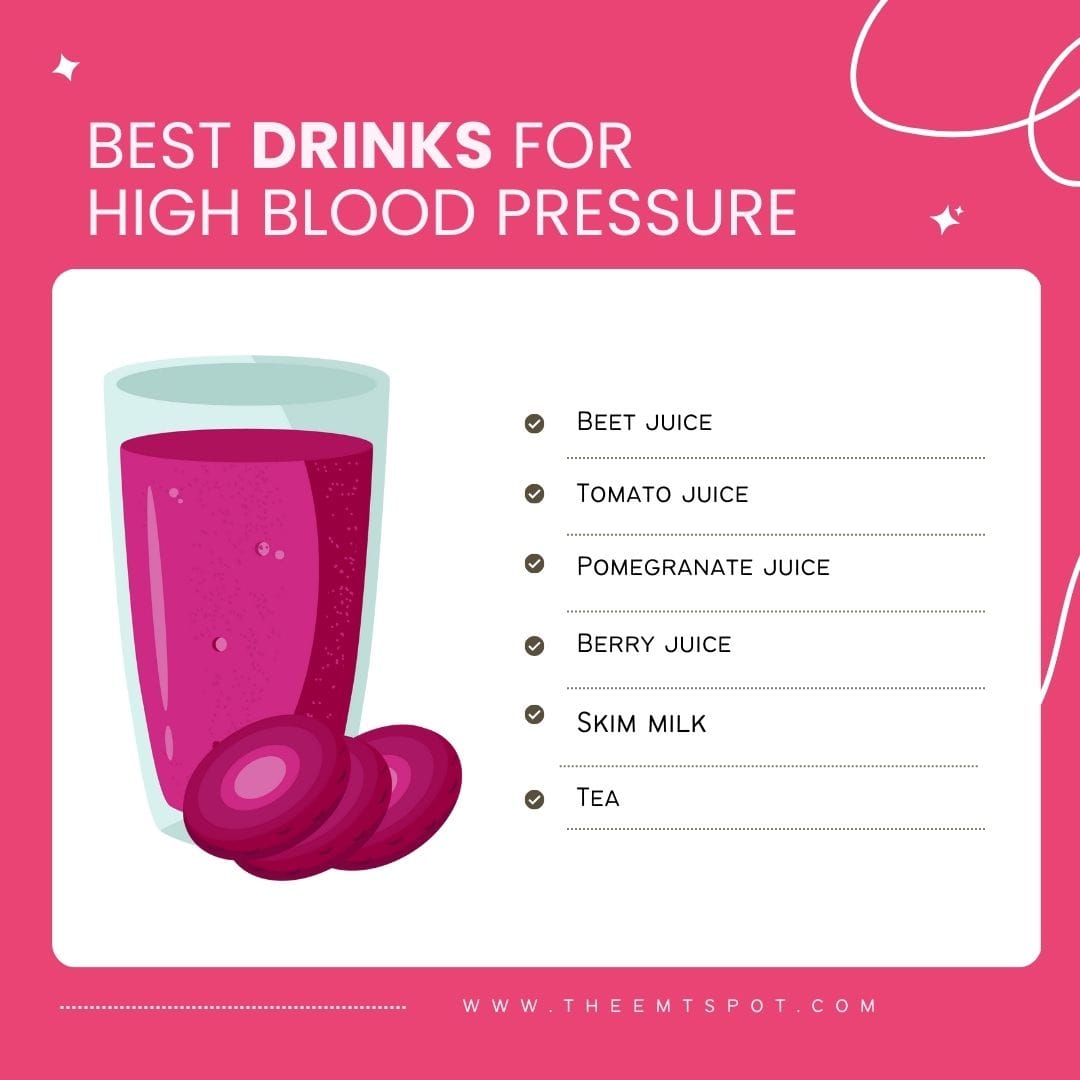
Several of these beverages, including low-fat milk and tomato juice, appear directly in DASH meal plan examples, making them straightforward additions to an existing DASH regimen.
What are the best herbs for high blood pressure?
Certain culinary herbs contain compounds that influence blood pressure through calcium channel blockade, ACE inhibition, or nitric oxide stimulation, though most human evidence is preliminary.
A 2019 systematic review published in the Journal of Hypertension (Driscoll et al., La Trobe University) found that only 3 of 9 evaluated herb studies produced statistically significant blood pressure reductions, establishing that herb effects are real but not universal.
Basil
Sweet basil contains eugenol, a natural calcium channel blocker that relaxes blood vessels, potentially lowering blood pressure, though more human research is needed.
Parsley
Parsley’s vitamin C and carotenoid compounds may reduce blood pressure, acting as a calcium channel blocker, but further human research is required.
Celery seeds
Rich in magnesium and fiber, celery seeds could lower blood pressure, which is supported by rat studies, but human research is needed for confirmation.
Chinese Cat’s Claw
May lower blood pressure by acting as a calcium channel blocker and stimulating nitric oxide production, though human research is limited.
Bacopa Monnieri
Bacopa monnieri’s potential to lower blood pressure by stimulating nitric oxide release needs more human research for validation.
Thyme
Thyme’s rosmarinic acid may lower blood pressure by inhibiting ACE and reducing inflammation, but human research is limited.
Cinnamon
Cinnamon may dilate blood vessels, reducing both systolic and diastolic blood pressure with consistent consumption.
Ginger
Ginger may lower blood pressure by acting as a calcium channel blocker and ACE inhibitor, reducing the risk of high blood pressure development.
Cardamom
High in antioxidants, cardamom may lower blood pressure as a calcium channel blocker and diuretic, with potential benefits supported by a 12-week study in adults. More human research is needed for confirmation.
Certain foods reliably raise blood pressure through sodium loading, sympathomimetic stimulation, or arterial stiffening, and warrant active avoidance for effective blood pressure management.
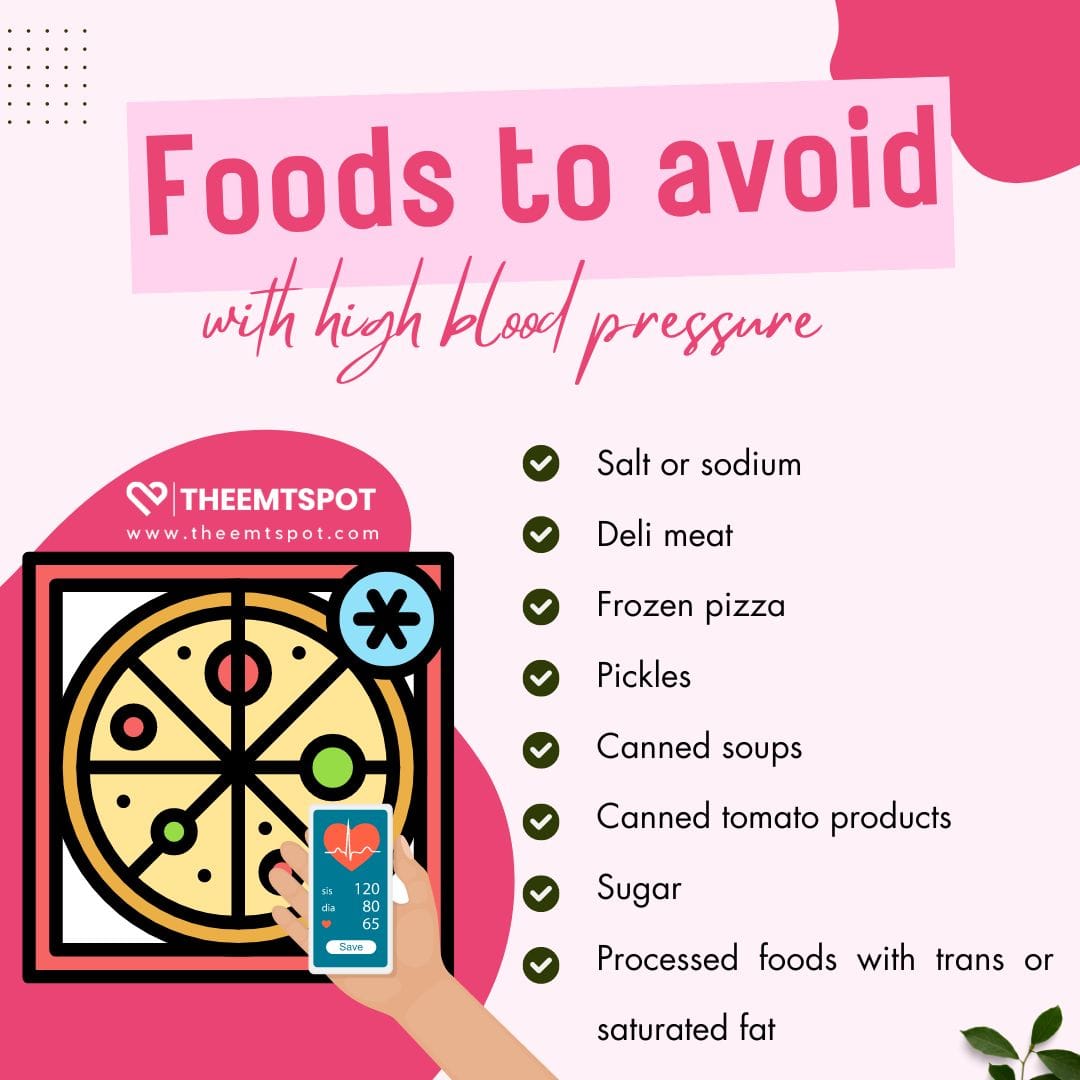
What foods should you avoid when you have high blood pressure?
The foods below produce direct, dose-dependent blood pressure increases. management.
The foods below are identified by the AHA as harmful to blood pressure control and are discouraged for adults managing hypertension or elevated blood pressure.
Certain beverages raise blood pressure through alcohol content, excessive caffeine, or high added sugar, and warrant elimination from the meal plan for adults managing hypertension.
What drinks should you avoid when you have high blood pressure?
Alcohol and certain caffeinated beverages produce acute blood pressure elevations, with chronic heavy alcohol use associated with sustained hypertension and antihypertensive medication resistance.
The reason is that some of these drinks are processed in a way that results in higher concentrations of active components than safe limits, which could potentially harm cardiovascular health.
Individuals with elevated blood pressure are generally counseled to restrict or reduce the consumption of specific beverages that can adversely affect blood pressure readings.
Below are some common types of drinks that are often recommended by AHA to avoid or consume in moderation if you have high blood pressure.
Individual responses to caffeine and alcohol vary by genetics, medication use, and baseline blood pressure, so personal monitoring remains the most reliable guide to acceptable intake levels.
A healthcare provider can clarify which beverages to limit based on individual medication interactions and cardiovascular risk profile.
What are the other ways to lower blood pressure besides diet?
Diet is the most modifiable blood pressure factor, but six additional lifestyle interventions carry AHA and ESC clinical endorsement and each produce measurable reductions independent of dietary change.
| Health strategy | Description |
|---|---|
| Regular physical activity | Participate in regular aerobic activities like walking, running, biking, swimming, or dancing for a minimum of 150 minutes each week to achieve a notable reduction in blood pressure. |
| Weight management | Maintain a healthy weight, as even modest weight loss can lead to substantial and sustained reductions in blood pressure. |
| Stress management | Practice stress-reduction techniques like deep breathing, meditation, yoga, and progressive muscle relaxation to manage chronic stress and its impact on blood pressure. |
| Limiting alcohol intake | Restrict alcohol consumption to moderate levels, as excessive alcohol can raise blood pressure. |
| Quitting smoking | Quit smoking to improve heart health and lower blood pressure. |
| Adequate sleep | To manage blood pressure effectively, ensure sufficient and high-quality sleep, and address sleep disorders like sleep apnea. |
| Regular health check-ups | Regularly monitor and consult healthcare professionals, especially if at risk or already dealing with hypertension. |
For a full evidence summary of each intervention with expected mmHg reductions, see the how to lower blood pressure guide.
Adults on antihypertensive medication should consult a prescribing clinician before making major lifestyle changes, as combined dietary and pharmacological effects can produce hypotension.
Why should you monitor blood pressure at home?
Home blood pressure monitoring allows daily tracking of how diet affects readings.
A single office measurement captures a snapshot, while home readings averaged over 7 days produce the data the 2025 AHA/ACC guidelines recommend for diagnosis and treatment decisions.
The AHA and ESC both recommend an automatic, validated upper-arm cuff monitor for home use, as upper-arm devices consistently outperform wrist and finger monitors for accuracy.
White coat hypertension, defined as elevated readings only in clinical settings, affects up to 30% of patients.
Home monitoring identifies this pattern and prevents unnecessary medication escalation that would otherwise result from clinic-only measurement.
For validated device recommendations, measurement protocol, cuff sizing, and how to log readings for your clinician, see the best home blood pressure monitors guide and the how to take blood pressure guide.