Blood pressure measurement is the only reliable method to detect hypertension, a condition that affects nearly half of adults in the United States and produces no symptoms in most cases.
Blood pressure is the force exerted by circulating blood against the walls of the arteries, recorded in millimeters of mercury (mmHg) as two values: systolic pressure (the higher number, measured when the heart contracts) and diastolic pressure (the lower number, measured when the heart rests between beats).
A reading of 120/80 mmHg is classified as normal under the 2025 AHA/ACC guidelines, while readings of 130/80 mmHg or above indicate stage 1 hypertension requiring clinical attention.
See the full blood pressure chart for a complete breakdown of all categories.
Blood Pressure Categories
AHA 2023 guidelines. Click any row to expand.
| Category | Systolic | Diastolic | Recommended action |
|---|---|---|---|
| Severe hypotensionDangerously low | < 70 mmHg |
< 40 mmHg |
Seek emergency care immediately ⌄ |
| HypotensionLow blood pressure | 70 – 89 mmHg |
40 – 59 mmHg |
Consult a doctor if symptomatic ⌄ |
| NormalHealthy range | < 120 mmHg |
< 80 mmHg |
Maintain healthy lifestyle ⌄ |
| ElevatedPre-hypertension risk | 120 – 129 mmHg |
< 80 mmHg |
Lifestyle changes recommended ⌄ |
| Stage 1 hypertensionHigh blood pressure | 130 – 139 mmHg |
80 – 89 mmHg |
Doctor consultation advised ⌄ |
| Stage 2 hypertensionHigh blood pressure | ≥ 140 mmHg |
≥ 90 mmHg |
Medical treatment required ⌄ |
| Hypertensive crisisEmergency | ≥ 180 mmHg |
≥ 120 mmHg |
Call emergency services now ⌄ |
Home monitoring consistently provides more accurate data than single-office readings because it captures blood pressure across multiple conditions, times of day, and emotional states.
A 2021 review by Kazuomi Kario, published in the American Journal of Hypertension, identified home-based blood pressure monitoring as a proactive strategy for reducing cardiovascular events through earlier detection and improved treatment adherence.
Accurate home readings depend on three equally important factors: a validated device, correct preparation, and consistent technique.
How is blood pressure measured?
Blood pressure is measured with a sphygmomanometer, a device consisting of an inflatable cuff and a pressure gauge that detects the force of blood flowing through the brachial artery in the upper arm.
The cuff inflates to temporarily stop blood flow, then deflates gradually while the gauge records two key values: systolic pressure (when the first pulse sound appears) and diastolic pressure (when pulse sounds disappear).
Modern digital monitors perform this process automatically using oscillometric technology, which detects arterial wall vibrations without requiring a stethoscope or clinical training.
A single reading is not sufficient for diagnostic purposes because blood pressure fluctuates throughout the day in response to physical activity, stress, food, caffeine, and body position.
The 2025 AHA/ACC guidelines recommend at minimum two readings per session, spaced one minute apart, averaged over at least 3 consecutive days to obtain a clinically reliable baseline.
Blood pressure can be measured in several locations, including pharmacies, community health centers, and automated public kiosks, but John W. Graves, M.D., from the Mayo Clinic School of Medicine, noted in a published editorial that public devices lack sufficient screening accuracy for clinical decision-making.
Home monitoring offers a familiar, relaxed environment that reduces measurement anxiety and produces readings that more accurately reflect true resting blood pressure than a clinical visit.

What methods are used to check blood pressure at home?
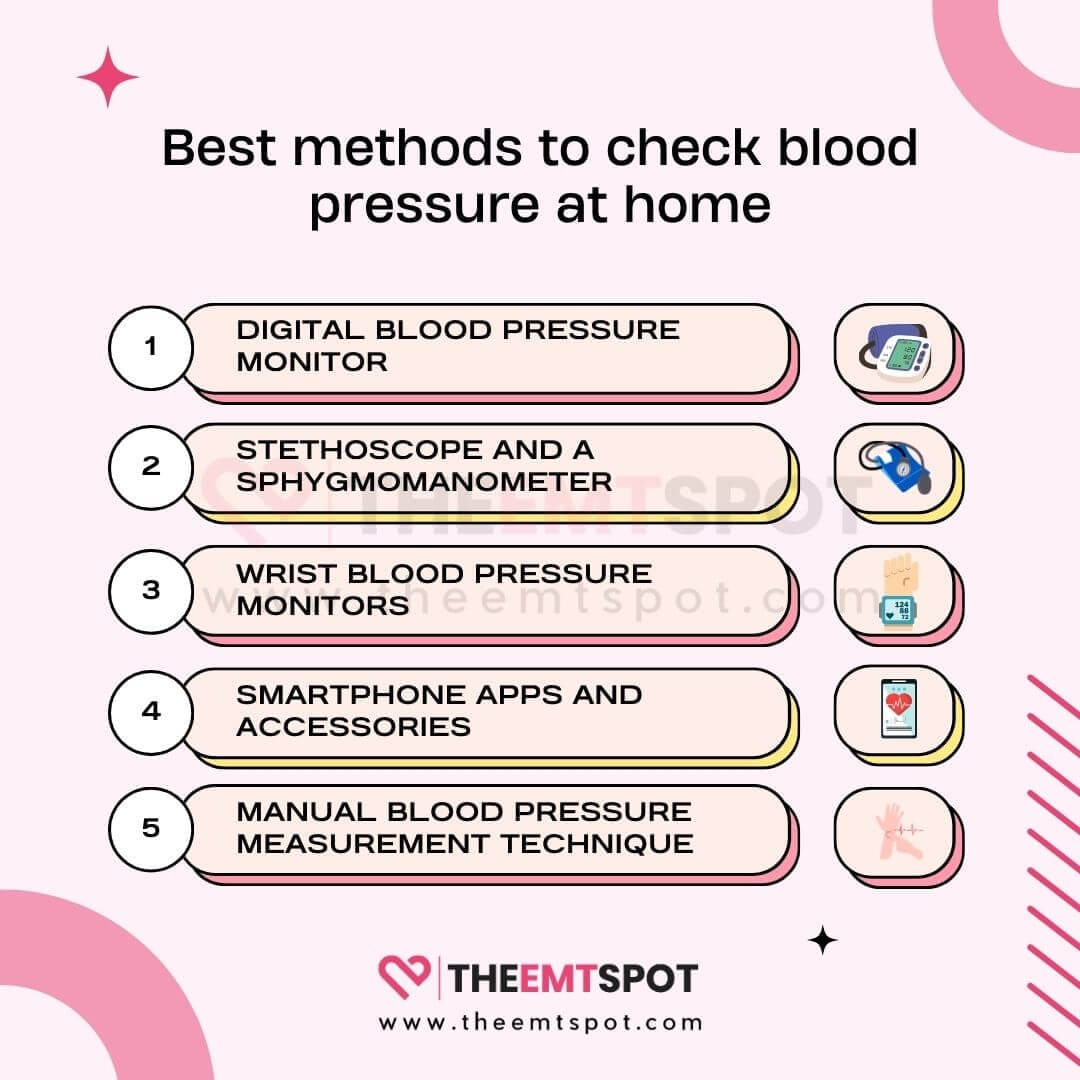
Home blood pressure measurement is performed using one of five methods, each differing in accuracy, equipment requirements, and practical suitability for self-monitoring.
Instrument-free blood pressure measurement is not clinically feasible because blood pressure quantification requires mechanical compression of an artery and precise pressure measurement, processes that cannot be replicated by symptom assessment or pulse estimation alone.

What types of blood pressure monitors are available?
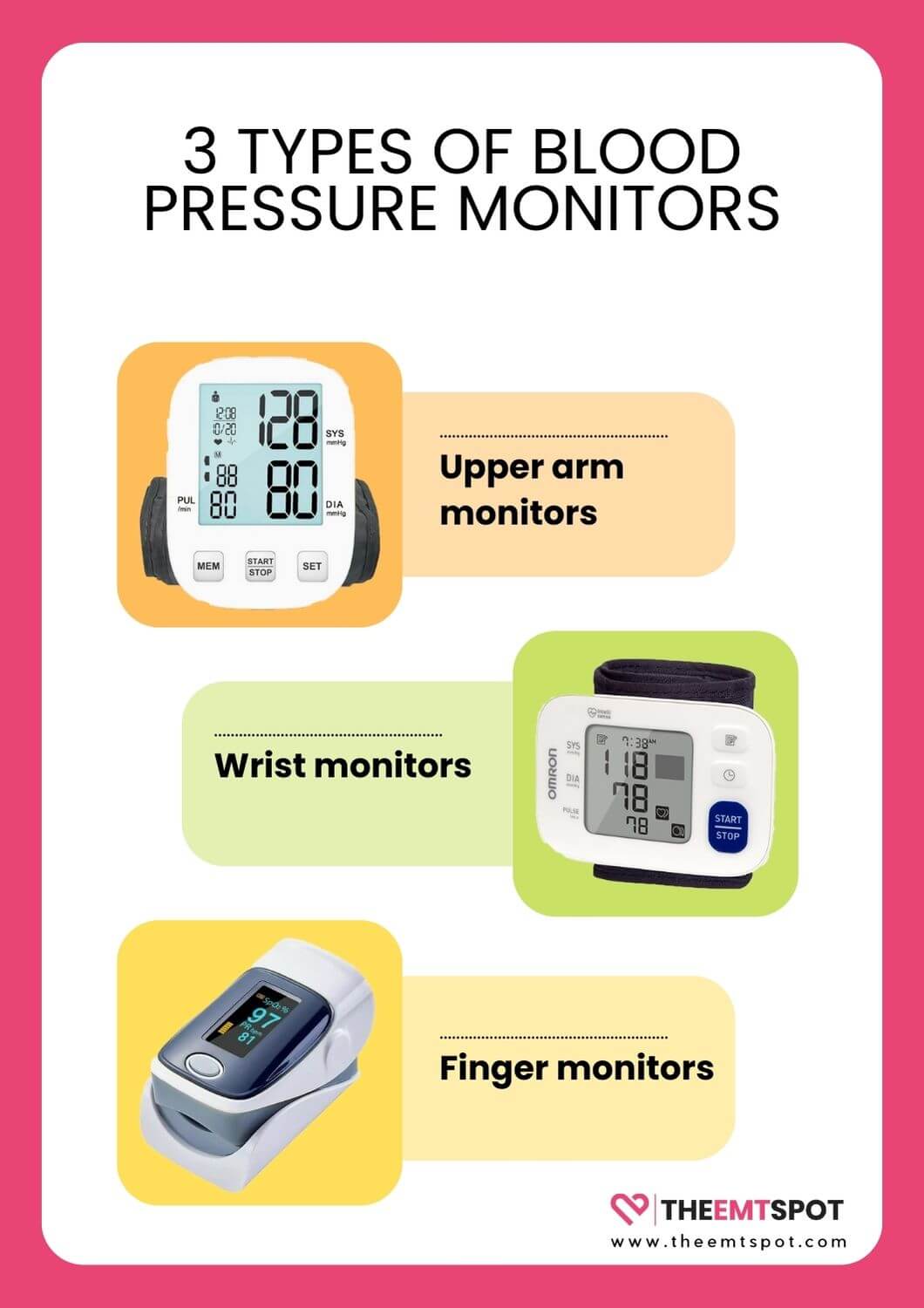
Blood pressure monitors are grouped by placement site, each with distinct accuracy profiles and practical trade-offs.
| Monitor type | Accuracy | Recommended for home use | Key limitation |
|---|---|---|---|
| Upper-arm (oscillometric) | Highest | ✅ Yes, first choice | Less portable than wrist |
| Wrist monitor | Moderate | ⚠️ Yes, with care | Position-sensitive; hold at heart level |
| Finger monitor | Lowest | ❌ Not recommended | Temperature and position affect results significantly |
The American Heart Association recommends upper-arm monitors as the standard for home blood pressure measurement due to their validated accuracy and consistency across clinical trials.
Before purchasing any device, verify that it appears on a clinically validated device list, such as the ESH (European Society of Hypertension) validated list or the US Blood Pressure Validated Device Listing at validatebp.org, as not all commercially available monitors meet clinical accuracy standards.

Which blood pressure monitor is best for home use?
The best blood pressure monitor for home use is a validated upper-arm oscillometric device with a cuff sized correctly for your arm circumference.
See the complete guide to blood pressure monitors for a ranked comparison of validated devices across accuracy, connectivity, and cuff sizing.
Key features to look for when choosing a home monitor include clinical validation status, cuff size range, memory storage for averaged readings, and optionally Bluetooth connectivity for long-term trend tracking.
How do you calibrate a blood pressure monitor?
Calibration means verifying that your home monitor produces readings consistent with a clinically calibrated reference device, a process that should be performed at least once a year.
Professional comparison
Bring your device to a healthcare provider, who measures blood pressure simultaneously with a calibrated clinical instrument and compares the two readings.
Acceptable discrepancy
A consistent offset of up to 5 mmHg in either direction is generally acceptable provided the device reads consistently. An inconsistent device is more problematic than one with a stable offset.
Annual check
The AHA recommends verifying your device against a clinical reference at least once per year or after any drop or physical damage.
Manufacturer servicing
Some models allow factory recalibration. Consult the device manual for the manufacturer’s recommended recalibration interval.
How should you prepare before taking your blood pressure?
Preparation is the single most controllable factor in blood pressure measurement accuracy, and inadequate preparation produces larger errors than device inaccuracy in most home monitoring situations.
A 2023 article published by Harvard Health, reviewed by Dr. Howard E. LeWine, MD, found that poor preparation can cause blood pressure readings to vary by as much as 10%.
A 10% variance in clinical terms is large enough to misclassify a person’s hypertension stage entirely, making preparation as important as the device itself.
When is the best time to measure blood pressure?
The Mayo Clinic recommends measuring blood pressure at least twice daily: once in the morning before eating, drinking caffeine, or taking medications, and once in the evening before dinner.
Blood pressure is typically higher in the morning due to the cortisol surge and sympathetic nervous system activation that occurs upon waking, a phenomenon known as the morning blood pressure surge.
The 2025 AHA/ACC home blood pressure monitoring protocol specifies two readings per session, one minute apart, repeated on at least 3 consecutive days, with day-1 readings excluded from the average to eliminate first-day measurement anxiety effects.
Dr. Gaurang Gujarathi, DO, a cardiologist with AMITA Health in Bourbonnais, Illinois, advises against checking blood pressure more than twice per session.
“I ask my patients to check it once or twice, but not more than that, as frequent checking might indicate it as high.”
“How you monitor blood pressure is also important. The tightness of the cuff and the location of the cuff can often lead to pseudo hypertension, meaning abnormally high blood pressure.”
How can you relax before taking your blood pressure?
Anxiety and psychological stress activate the sympathetic nervous system, raising heart rate and vascular resistance in ways that directly elevate blood pressure readings above a person’s true resting baseline.
A study from National Taiwan University by Dr. L.L. Yen et al. divided 590 people with hypertension into three groups: relaxation technique training at home, professional blood pressure monitoring, and self-learning materials.
Participants trained in relaxation techniques showed a measurable decrease in systolic blood pressure over the two-month intervention period.
Practical relaxation strategies before measurement include the following.
How long should you rest before measuring blood pressure?
Major guidelines recommend at least five minutes of quiet seated rest before taking a blood pressure reading.
A 2017 study published in Scientific Reports by Prof. Guillaume Mahe and colleagues from Université de Rennes found that blood pressure continues to decline exponentially after sitting down and does not fully stabilize in half of patients until approximately 25 minutes of rest.
The study enrolled 199 outpatients arriving on foot for vascular examination, with blood pressure recorded automatically every minute for 11 consecutive minutes after they sat down.
Simulations based on the study data showed that the standard 3 to 5 minute recommendation is insufficient for people who have been physically active before arriving at the measurement point, such as walking to a clinic or ascending stairs.
For home monitoring, the practical implication is to sit quietly in the measurement chair for a full five minutes before the first reading, and to avoid any physical activity for at least 30 minutes beforehand.
For readings taken specifically to monitor the effect of blood pressure medication, consult your prescribing clinician about the appropriate measurement window, as each medication class has a different pharmacokinetic peak and trough profile.

How can you take blood pressure accurately?
Accurate blood pressure measurement requires correct technique at every step, from seating position through cuff placement and reading interpretation.
The Centers for Disease Control and Prevention (CDC) and the American Heart Association (AHA) jointly recommend the following measurement protocol.
Common errors and their estimated impact on systolic blood pressure readings are summarized below.
| Error | Estimated BP increase |
|---|---|
| Talking during measurement | +10 mmHg |
| Cuff placed over clothing | +5 to +50 mmHg |
| No 5-minute rest beforehand | +5 to +15 mmHg |
| Legs crossed during measurement | +2 to +8 mmHg |
| Legs dangling (unsupported feet) | +7 mmHg |
| Cuff too small for arm circumference | +10 mmHg (average) |
| Arm below heart level | +2 to +8 mmHg |
A scientific statement from the AHA recommends oscillometric devices for home and office measurement because they eliminate observer bias, perform multiple readings automatically, and require no specialized training to operate.
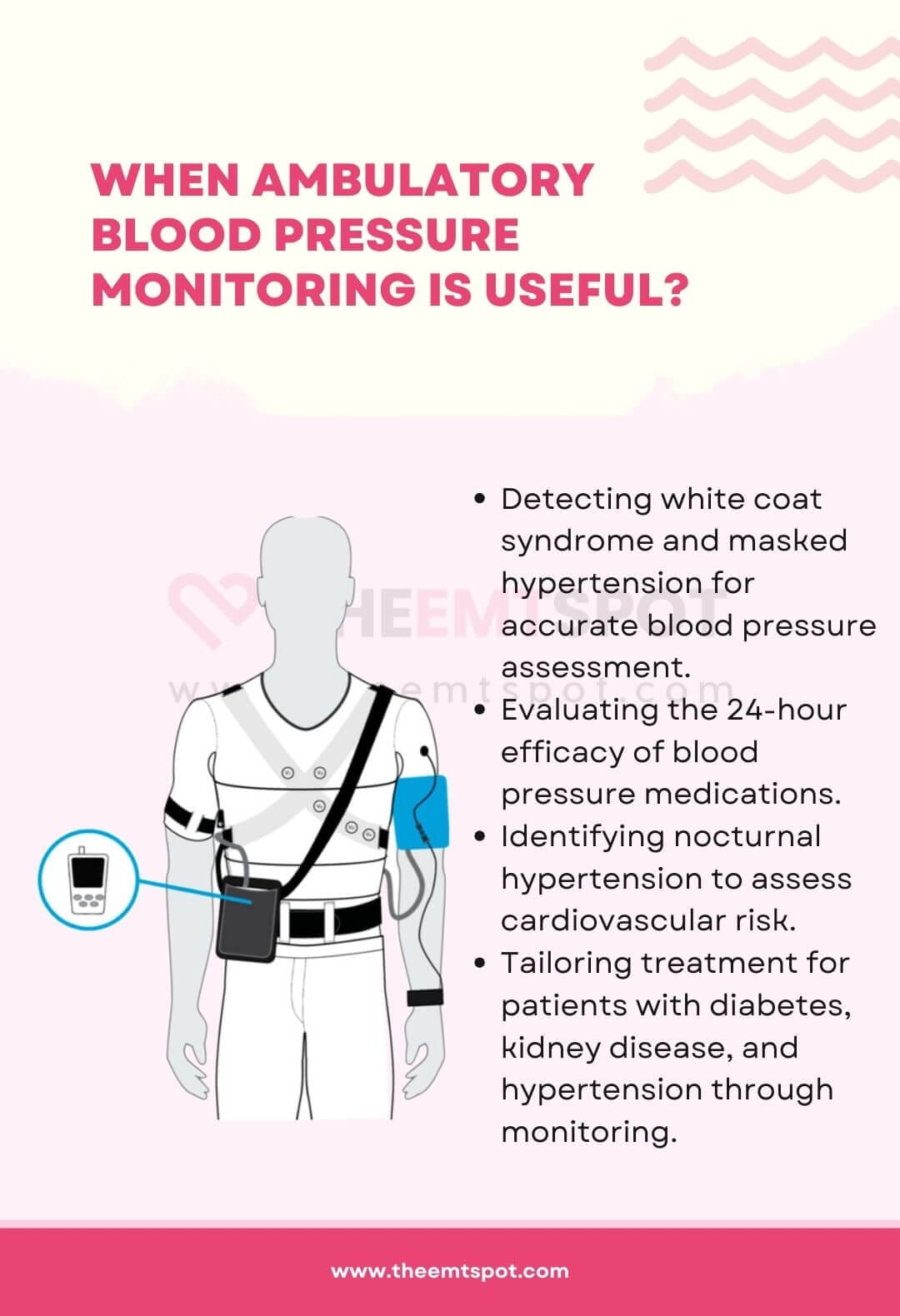
Ambulatory blood pressure monitoring (ABPM) records readings automatically every 15 to 30 minutes over 24 hours and is considered the reference standard for diagnosing white-coat hypertension (elevated readings only in a clinical setting) and masked hypertension (normal clinical readings but elevated readings at home or during daily activity).
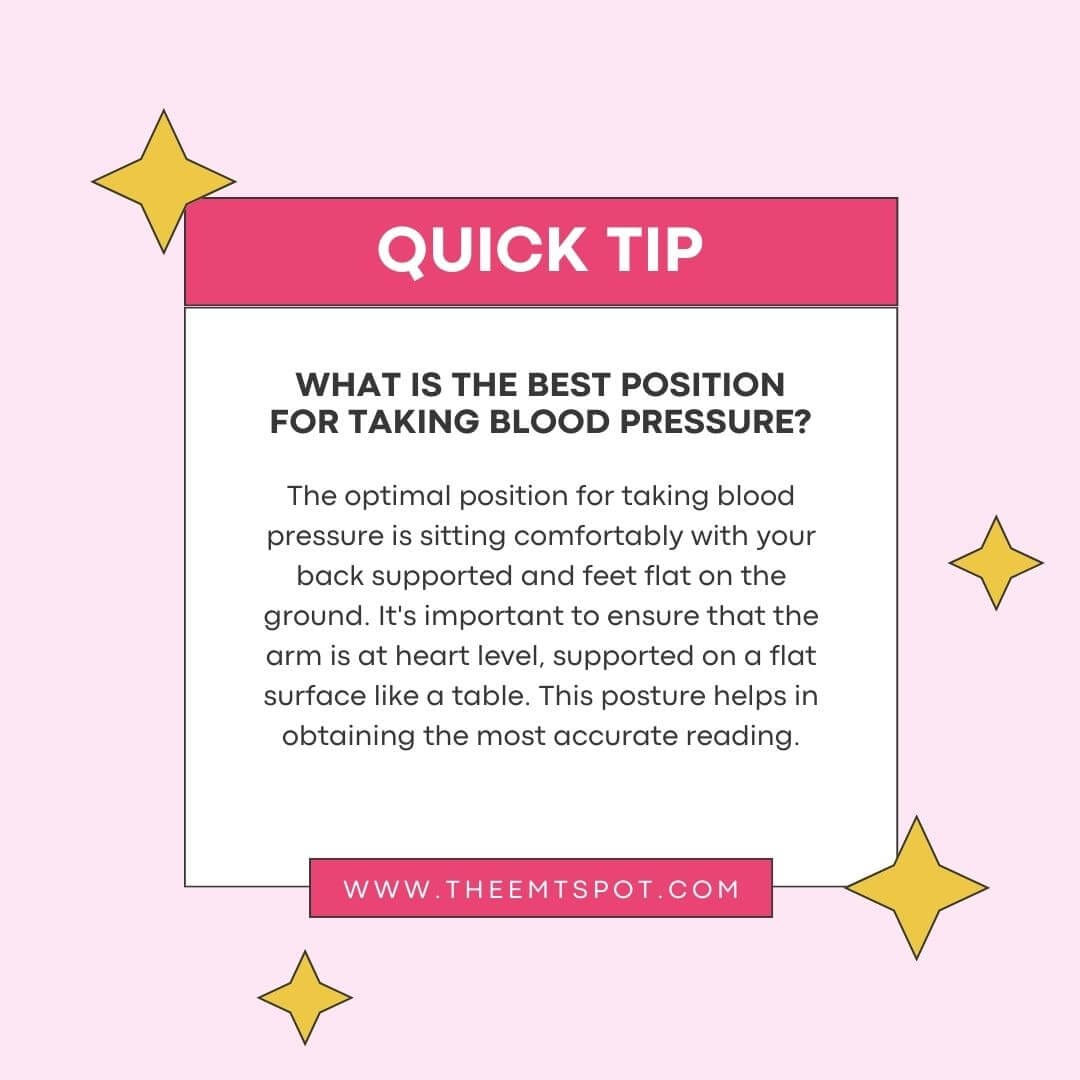
What is the best position for taking blood pressure?
A study titled “The effect of different body positions on blood pressure,” published in the Journal of Clinical Nursing by Dr. Ismet Eser and colleagues, identified seated upright as the optimal position for reliable blood pressure measurement in most clinical and home contexts.
The seated position requires back fully supported by the chair, feet flat on the floor with no crossing, and the measuring arm resting on a flat surface at approximately heart level (mid-sternum height).
Avoid talking or moving during the reading, and maintain the five-minute rest period in this exact position before pressing the start button.
These requirements align with guidance from the AHA, CDC, and European Society of Hypertension (ESH).

Can you measure blood pressure while lying down?
Blood pressure can be measured while lying down, and in some clinical and research contexts provides additional predictive value beyond seated readings.
Dr. Stephen Juraschek, presenting research at the AHA Hypertension Scientific Sessions, reported that supine (lying down) blood pressure readings may be more predictive of stroke, serious cardiac events, and all-cause mortality than seated readings in certain populations.
When measuring in the supine position, keep the arm at the same height as the heart, with no pillow elevating the arm above chest level and no downward angle below it.
Readings taken while lying down are typically marginally lower than seated readings due to hydrostatic pressure differences, and should not be compared directly to seated readings when tracking trends.
Which arm should you use to take blood pressure?
Clinical guidelines recommend measuring blood pressure in both arms at the initial assessment session to identify which arm produces consistently higher readings.
A 2019 AHA scientific statement published in Hypertension recommends using the arm that produces consistently higher readings for all subsequent home monitoring, as this arm is more likely to reflect the true maximum vascular load.
A clinically significant inter-arm difference (IAD) is defined as a persistent difference of 10 mmHg or more in systolic blood pressure between arms, which may indicate peripheral arterial disease or aortic coarctation and warrants medical evaluation.
A study titled “Comparison between Right and Left Upper Arms in Detection of Hypertension” by Dr. Bo Mi Song et al. found that in a Korean population, the right arm was preferred when simultaneous bilateral measurement was unavailable.
The AHA’s recommendation to use the higher-reading arm takes precedence in general clinical practice and applies across all populations.
Consult your healthcare provider if you are unsure which arm to designate as your standard measurement arm.
How do you put on a blood pressure cuff?
Correct cuff placement is essential because even a well-validated device will produce inaccurate readings if the cuff is positioned incorrectly, sized wrongly, or placed over clothing.
A research article published in the Journal of Clinical Hypertension specifies that the cuff’s central inflatable bladder must be positioned directly over the brachial artery, which runs along the inner surface of the upper arm.
How tight should the blood pressure cuff be?
The correct cuff tightness allows one finger to slide underneath the cuff with mild resistance: snug enough to prevent air leak during inflation, but not so tight that it compresses tissue before measurement begins.
Research published in the Journal of Clinical Monitoring quantified the consequences of incorrect cuff fit: a cuff that is too small for the arm circumference produces readings that are falsely elevated by an average of 10 mmHg, while a small cuff wrapped loosely can produce systolic errors ranging from 2 to 80 mmHg.
Cuff sizing is based on arm circumference, not body size, and the cuff’s inflatable bladder should encircle 80% or more of the upper arm.
| Cuff size | Arm circumference range | Typical user |
|---|---|---|
| Small adult | 22 to 26 cm | Slender adult arms, older children |
| Standard adult | 27 to 34 cm | Most adults |
| Large adult | 35 to 44 cm | Larger arm circumference |
| Extra-large (thigh cuff) | 45 to 52 cm | Very large arm circumference |
Can you use a blood pressure monitor during pregnancy?
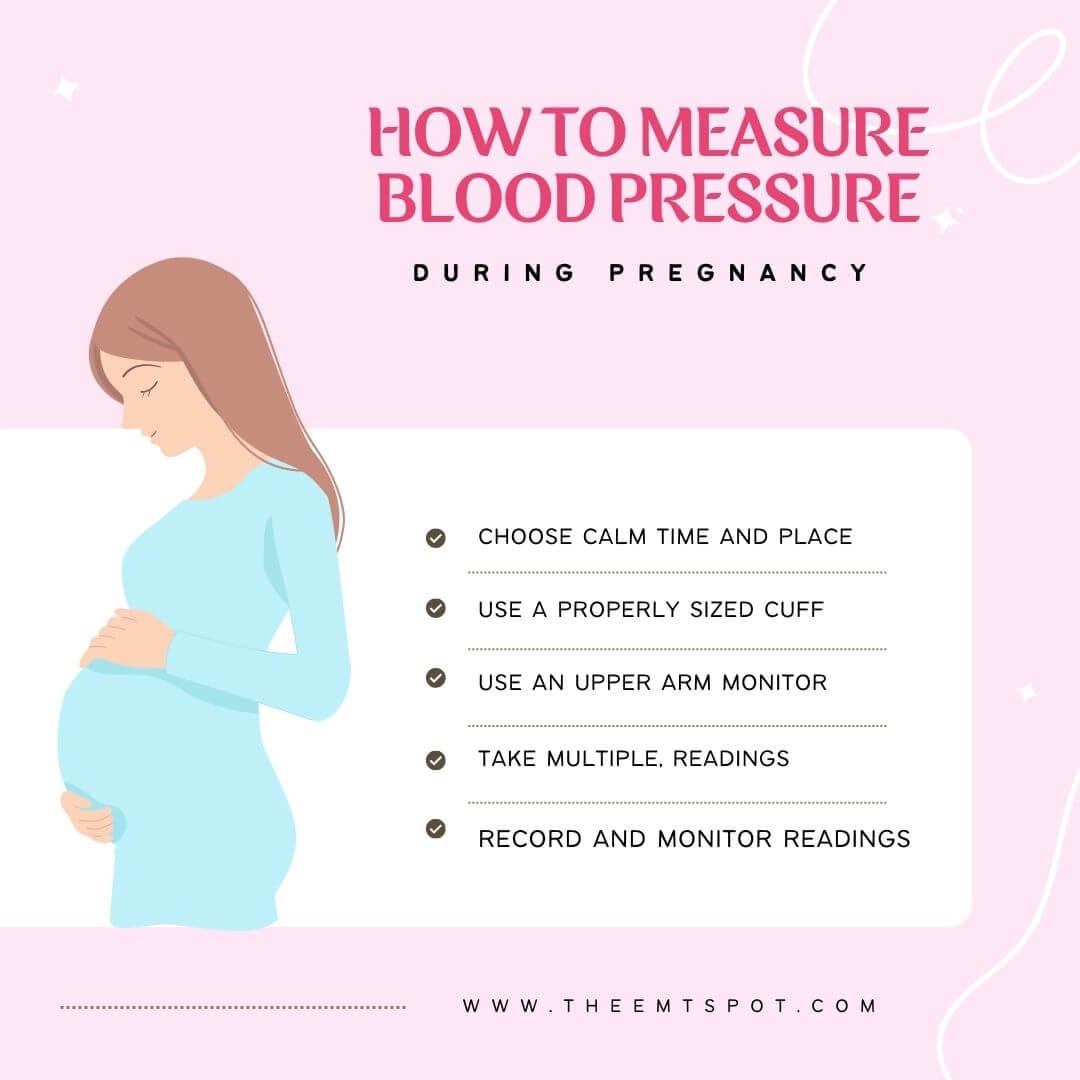
Home blood pressure monitoring during pregnancy is not only safe but clinically recommended for women with a history of hypertension, elevated blood pressure readings, or gestational hypertension risk factors.
Blood pressure in pregnancy can fluctuate significantly in ways that differ from non-pregnant physiology, with gestational hypertension and preeclampsia representing conditions where home monitoring provides clinically actionable early warning.
Preeclampsia is defined as blood pressure of 140/90 mmHg or higher after 20 weeks of pregnancy, combined with signs of organ damage such as proteinuria (protein in urine), elevated liver enzymes, or low platelet count.
Upper-arm monitors validated for pregnancy are preferred over wrist monitors because arm-position sensitivity in wrist devices can produce larger errors in pregnant women.
The measurement position during pregnancy is seated, back supported, feet flat, arm at heart level, identical to the standard protocol for non-pregnant adults.
Consult your obstetrician about the appropriate frequency and timing of home readings, as monitoring schedules are individualized based on gestational age, prior readings, and risk stratification.

How often should you check blood pressure if you have preeclampsia?
The frequency of blood pressure monitoring in preeclampsia is determined by clinical severity and is always guided by the treating obstetrician or maternal-fetal medicine specialist.
A publication in StatPearls by Dr. Shahd A. Karrar and Dr. Peter L. Hong notes that preeclampsia contributes to maternal mortality rates of 9% to 26% in low-income countries, underscoring the importance of systematic monitoring.
Mild preeclampsia
Prenatal visits typically once or twice per week, with home readings as directed by the clinician, including blood pressure, urine protein checks, and fetal monitoring.
Severe preeclampsia
Hospitalization is often required, with blood pressure recorded every 1 to 4 hours by clinical staff alongside continuous fetal monitoring.
Home monitoring as supplement
Home readings in preeclampsia are always supplementary to medical appointments, not a replacement. Record every reading with time and date and bring the log to each prenatal visit.
Never adjust medications or delay seeking care based on home readings alone during pregnancy.
How can you check your blood pressure without a monitor?
Accurate blood pressure measurement is not possible without a device that can mechanically compress an artery and quantify the pressure at which blood flow stops and resumes.
Symptom-based estimation is unreliable because hypertension is asymptomatic in the overwhelming majority of cases, and symptoms such as headache or flushing that people associate with high blood pressure are not reliably linked to elevated readings in research studies.
The following alternatives are commonly misunderstood as substitutes for blood pressure measurement.
A validated upper-arm cuff monitor remains the only practical, accurate, and affordable method for home blood pressure measurement.
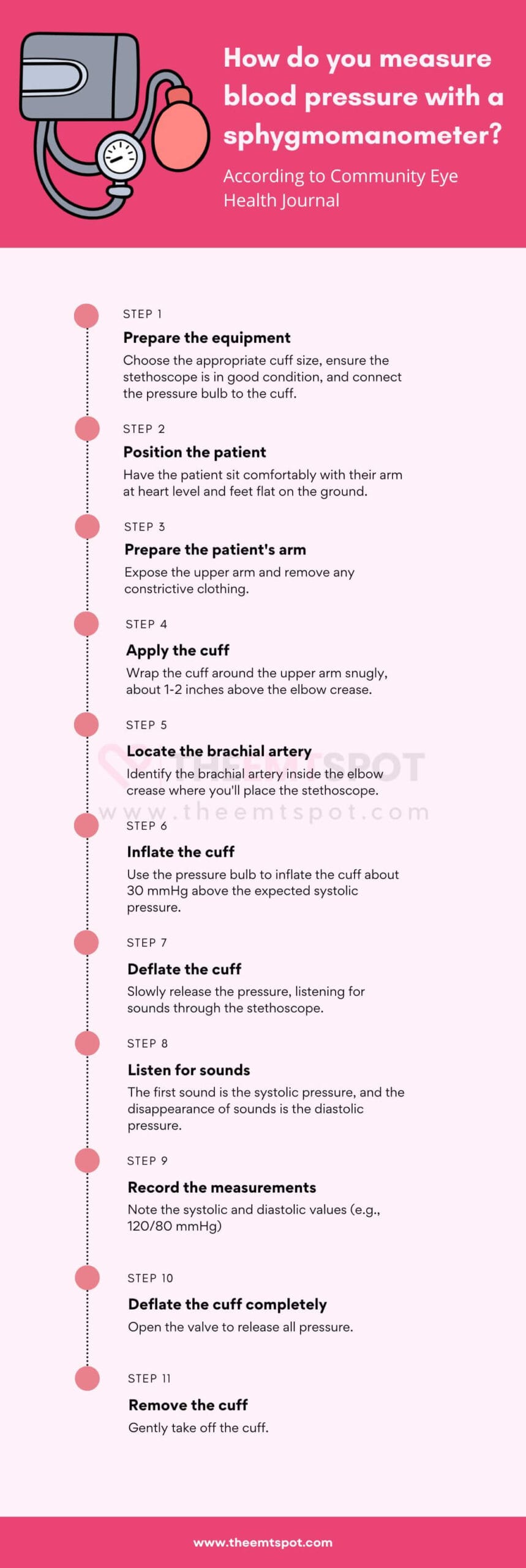
How do you measure blood pressure with a stethoscope and sphygmomanometer?
The manual auscultatory method uses a sphygmomanometer (inflatable cuff and pressure gauge) together with a stethoscope to detect Korotkoff sounds in the brachial artery, sounds produced by turbulent blood flow as cuff pressure is gradually released.
A study by Mirdamadi et al., published in the Journal of ARYA Atherosclerosis, found that manual auscultatory measurement is more accurate than automated oscillometric measurement in critically ill patients with hemodynamic instability, though for routine home use the automated method is preferred.
The following steps are based on the procedure described in “How to Measure and Record Blood Pressure,” published in the Community Eye Health journal.
Auscultatory technique requires practice to achieve reliable results and should be verified against an oscillometric device periodically to confirm measurement consistency.

What is ambulatory blood pressure monitoring (ABPM)?
Ambulatory blood pressure monitoring (ABPM) is a diagnostic method in which a portable device automatically records blood pressure at programmed intervals (typically every 15 to 30 minutes during waking hours and every 30 to 60 minutes during sleep) over a continuous 24-hour period.
ABPM is the reference standard for confirming hypertension diagnosis outside clinical settings, as established by the 2025 AHA/ACC guidelines and endorsed by the ESH and NICE (UK).
James Hodgkinson et al. from the University of Birmingham, reviewing evidence for the UK NICE hypertension guideline, confirmed that ABPM provides superior diagnostic accuracy for hypertension compared to either clinic or home blood pressure monitoring.
ABPM is particularly useful in the following clinical situations.

Can smartwatches and apps measure blood pressure?
Smartphone applications that claim to measure blood pressure using the phone’s camera, microphone, or touch sensor are not clinically validated and should not be used for health decisions.
Validated blood pressure apps function as data companions for connected cuff-based monitors, receiving readings via Bluetooth, storing trend data, and generating reports for clinician review, rather than measuring blood pressure independently.
| App name | Platform | Key features |
|---|---|---|
| Blood Pressure Companion | iOS, Android | BP and heart rate tracking, MAP calculation, reminders, statistics, export, Touch ID support, data sharing |
| Cardio Journal | iOS, Android | Easy data entry, reminders, graphs, data analysis. Ad-free freeware |
| Welltory | iOS, Android | Stress and energy level tracking, lifestyle impact analysis, health tips, heart rate monitor integration |
| Blood Pressure Monitor | iOS | Comprehensive health data tracking, medication correlation, data visualization, cloud sync, reminders, export |
| SmartBP | iOS | BP and pulse tracking, ECG readings, Apple Health integration, data sharing, cloud backup, multi-user support |
| Samsung Health | iOS, Android | Sleep tracking, workout analysis, body composition, continuous blood oxygen monitoring, snore detection, Galaxy Watch integration |
| MedM BP | iOS, Android | Compatible with numerous Bluetooth monitors, easy pairing, multiple users, Apple Health and Google Fit sync, trend analysis, offline or cloud storage |
| Apple Health | iOS | Central health data hub, integrates iPhone, Apple Watch and third-party devices, encrypted data, medication logging, sleep metrics, mental health tracking |
| Qardio Health | iOS, Android | Centralizes health data, reminders, sharing with family and doctor, operates Qardio devices |
| CheckMe App | iOS, Android | Health benefit management, doctor appointments, clinic finder, health document storage, insurance policy management |
Can an Apple Watch measure blood pressure?
The Apple Watch itself does not measure blood pressure directly and has no FDA-cleared blood pressure measurement capability as of 2025.
Blood pressure data can appear on an Apple Watch or iPhone by pairing with an external clinically validated cuff-based monitor (such as validated Bluetooth upper-arm monitors) that transmits readings to the Apple Health app via a companion application.
Can a Fitbit measure blood pressure?
Fitbit devices do not measure blood pressure directly as of 2025, though Fitbit has explored pulse transit time (PTT) technology as a potential future cuffless blood pressure estimation method.
Pulse transit time measures the delay between a cardiac electrical signal (ECG) and the corresponding pulse wave at a peripheral point, a value that correlates mathematically with arterial stiffness and, indirectly, blood pressure.
PTT-based blood pressure estimation has not been cleared by the FDA for clinical use in consumer wearables because the relationship between PTT and actual blood pressure is affected by many individual variables beyond arterial stiffness.
Third-party applications can display blood pressure data on Fitbit devices if a validated cuff-based external monitor is paired through a compatible companion app, but the Fitbit hardware itself does not generate the measurement.

Can a Samsung Galaxy Watch measure blood pressure?
Samsung Galaxy Watch 4, 5, and selected earlier models (Watch 3 and Watch Active 2) include a blood pressure measurement feature using pulse wave analysis technology, available through the Samsung Health Monitor app.
Calibration against a validated cuff-based blood pressure monitor is required before the Samsung Galaxy Watch blood pressure feature can be used, and must be repeated every 4 weeks to maintain accuracy.
The Samsung blood pressure feature is not available in all countries due to varying regulatory clearance requirements and should not replace a validated cuff-based monitor for clinical decision-making.
The calibration procedure requires the following steps.

What are the dangers of untreated high blood pressure?
Untreated high blood pressure causes progressive structural damage to blood vessels and organs over months and years, typically without producing symptoms until a major cardiovascular event occurs.
Regular home monitoring and prompt treatment of elevated readings substantially reduces the risk of all these complications.
How can you lower your blood pressure naturally?
Lifestyle modification is the first-line treatment for elevated blood pressure (120 to 129/below 80 mmHg) and an essential adjunct to medication for all stages of hypertension management.
A comprehensive review published in Current Pharmaceutical Design by Jacek Rysz et al. confirmed that regular physical activity, dietary sodium reduction, increased potassium intake, weight management, and stress reduction each produce independent, additive blood pressure reductions.
A 2012 Johns Hopkins study found that combining a low-fat, low-carbohydrate diet with weight loss, particularly abdominal fat reduction, improved arterial compliance and produced measurable systolic blood pressure reductions beyond dietary change alone.
The AHA, CDC, and Mayo Clinic recommend the following lifestyle modifications, all supported by clinical evidence.
Maintain a healthy weight
Each 1 kg reduction in body weight reduces systolic blood pressure by approximately 1 mmHg.
Exercise regularly
150 minutes per week of moderate-intensity aerobic activity reduces systolic blood pressure by 5 to 8 mmHg on average.
Reduce sodium intake
Limiting sodium to below 1,500 mg per day produces a systolic reduction of 5 to 6 mmHg in hypertensive individuals.
Follow the DASH diet
The Dietary Approaches to Stop Hypertension diet, combined with sodium restriction, can reduce systolic blood pressure by up to 16 mmHg.
Limit alcohol
Reducing alcohol to below moderate intake (1 drink/day for women, 2 for men) lowers systolic blood pressure by approximately 1 mmHg per drink reduced daily.
Stop smoking
Smoking accelerates arterial stiffening and raises baseline vascular resistance. Cessation improves vascular function within weeks.
Prioritize sleep
Consistently sleeping fewer than 6 hours per night is associated with a measurably higher risk of hypertension. Target 7 to 9 hours per night.
Manage chronic stress
Sustained psychological stress raises cortisol and adrenaline levels, keeping the sympathetic nervous system chronically activated and blood pressure elevated.
Monitor blood pressure at home
Consistent home monitoring improves treatment adherence and allows earlier detection of blood pressure increases before they require emergency intervention.

More in this topic