Blood pressure monitors, called sphygmomanometers in clinical settings, measure the force of blood against arterial walls during heart contractions and rest periods.
Blood pressure monitors use inflatable cuffs paired with mercury or aneroid manometers to deliver systolic and diastolic pressure readings.
Oscillometric and auscultatory measurement methods control pressure release from the brachial artery under the cuff, enabling blood pressure tracking during activity and rest.
Home blood pressure monitors allow patients to track cardiovascular changes between clinical visits and detect patterns that single office measurements miss.
Regular self-monitoring supports lifestyle changes in diet and exercise by providing immediate feedback on how daily habits affect blood pressure readings.
Home blood pressure monitoring reduces healthcare costs by decreasing the frequency of clinical visits required for routine pressure checks.
For instance, a meta-analysis published in BMC Health Services Research by a team of scientists from City University London observed that cardiovascular patients who practiced proper self-monitoring experienced a 27% reduced risk of hospitalization.
Blood pressure monitors fall into three main categories: upper arm, wrist, and finger models. Each category offers distinct accuracy levels, comfort profiles, and price ranges.
For example, upper arm monitors, with their inflatable cuffs gently squeezing the arm to measure blood flow changes, are widely recognized for their accuracy.
Conversely, wrist and finger monitors cater to those with larger arms who may find upper arm cuffs uncomfortable, although they might compromise a bit on reliability in return.
Accuracy is paramount, so it’s advisable to cross-check your monitor annually against readings obtained at a healthcare provider’s office to ensure precision.
Upper-arm monitors are often the preferred choice for at-home use. In this context, below listed are some of the best blood pressure monitors currently available in the market.
Blood pressure monitor comparison
The following table compares nine blood pressure monitors across key attributes including measurement type, FDA clearance status, connectivity, cuff compatibility, and retail price range.
| Monitor | Type | FDA Cleared | Connectivity | Cuff Range | Memory | Price Range |
|---|---|---|---|---|---|---|
| Oxiline Pressure X Pro | Upper arm | Yes | Bluetooth, Wi-Fi | 22-42 cm | Unlimited (app) | $99-$119 |
| Homedics BPA-O300 | Upper arm | Yes | None | 22-42 cm | 60 readings | $25-$40 |
| CheckMe BP2 | Upper arm | Yes | Bluetooth | 22-42 cm | 50 readings | $89-$99 |
| QardioArm | Upper arm | Yes | Bluetooth | 22-37 cm | Unlimited (app) | $79-$99 |
| Oxiline Pressure 9 Pro | Upper arm | Yes | Bluetooth | 22-42 cm | Unlimited (app) | $89-$109 |
| iHealth Track | Upper arm | Yes | Bluetooth | 22-42 cm | Unlimited (app) | $34-$50 |
| Omron HEM 6161 | Wrist | No (BHS validated) | None | 13.5-21.5 cm (wrist) | 60 readings | $40-$55 |
| Withings BPM Connect | Upper arm | Yes | Bluetooth, Wi-Fi | 22-42 cm | 8 users (app) | $99-$130 |
| Omron Evolv | Upper arm | Yes | Bluetooth | 22-42 cm | 100 readings (app) | $65-$85 |
When selecting a monitor, one factor takes precedence: cuff size. An ill-fitting cuff can compromise the accuracy of your measurements.
Display size and readability affect measurement usability, especially for elderly users. Cost ranges from $20 for basic upper arm models to over $100 for Bluetooth-enabled monitors with app integration.
To make an informed purchase, you need the right source. The options are diverse, ranging from pharmacies and medical supply stores to online retailers and big-box stores, each with its own advantages and drawbacks.
Keep an eye out for ease of warranty settlement when making your purchase decision.
As for pricing, the range of BP monitors is broad, influenced by factors such as brand, features, and monitor type.
Health insurance providers may cover part or all of the cost of a home blood pressure monitor when prescribed by a physician.
To assist you further, we have included an extensive list of some of the best blood pressure monitors based on their functionality aspects.
Best blood pressure monitors
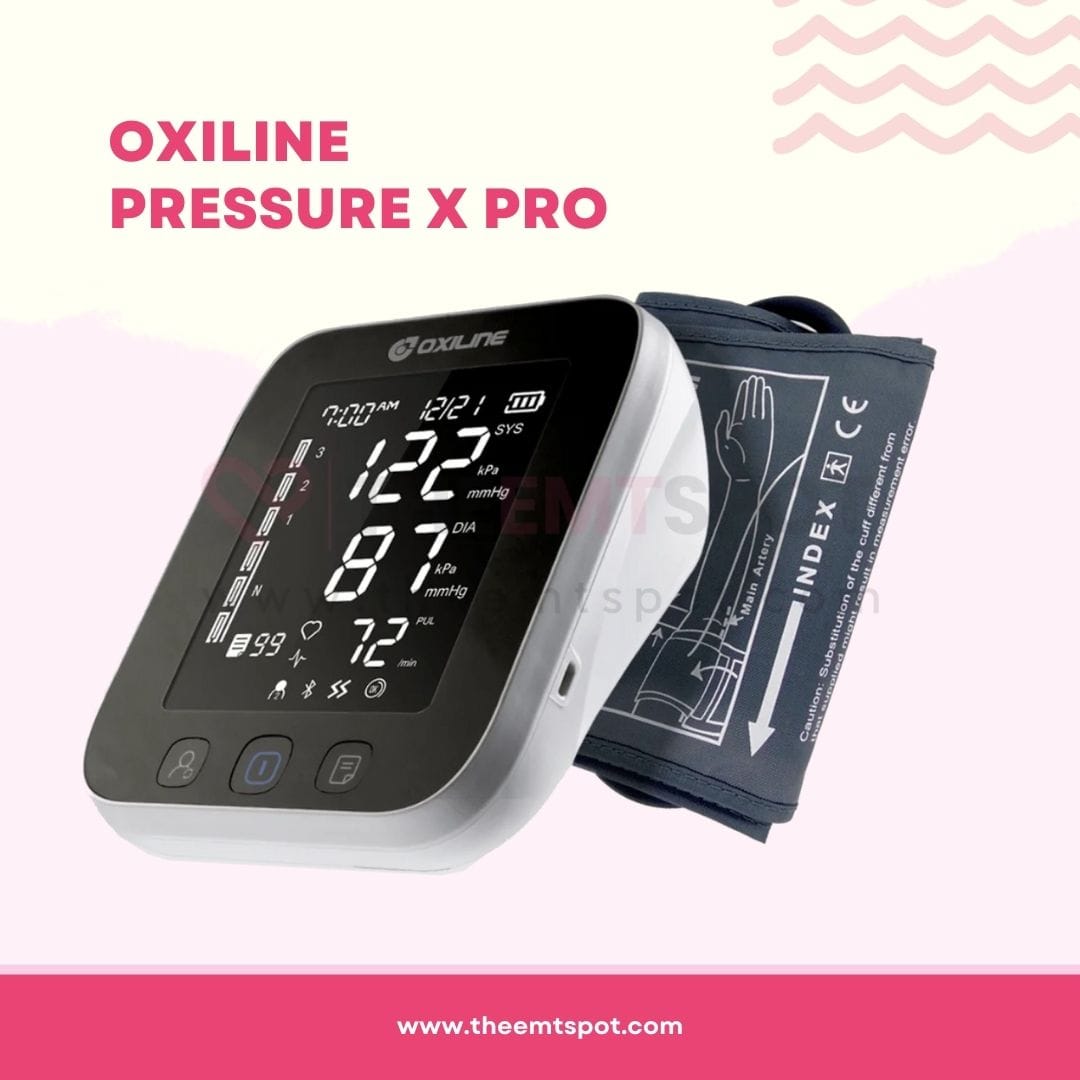
Oxiline Pressure X Pro is manufactured by Oxiline LLC, a medical device company headquartered in Florida, USA. Oxiline LLC specializes in FDA-cleared blood pressure monitors and pulse oximeters for home cardiovascular monitoring.
Oxiline Pressure X Pro uses Vibra TX nanosensor technology for blood pressure measurement. FDA clearance validates the accuracy of systolic and diastolic readings produced by the device.
Bluetooth and Wi-Fi connectivity enable the Oxiline Pressure X Pro to sync readings with smartphone apps on Android and iOS. A specialized LED screen displays color-coded results for quick interpretation.
One-button operation and medical-grade manufacturing make the Oxiline Pressure X Pro suitable for daily home blood pressure monitoring.
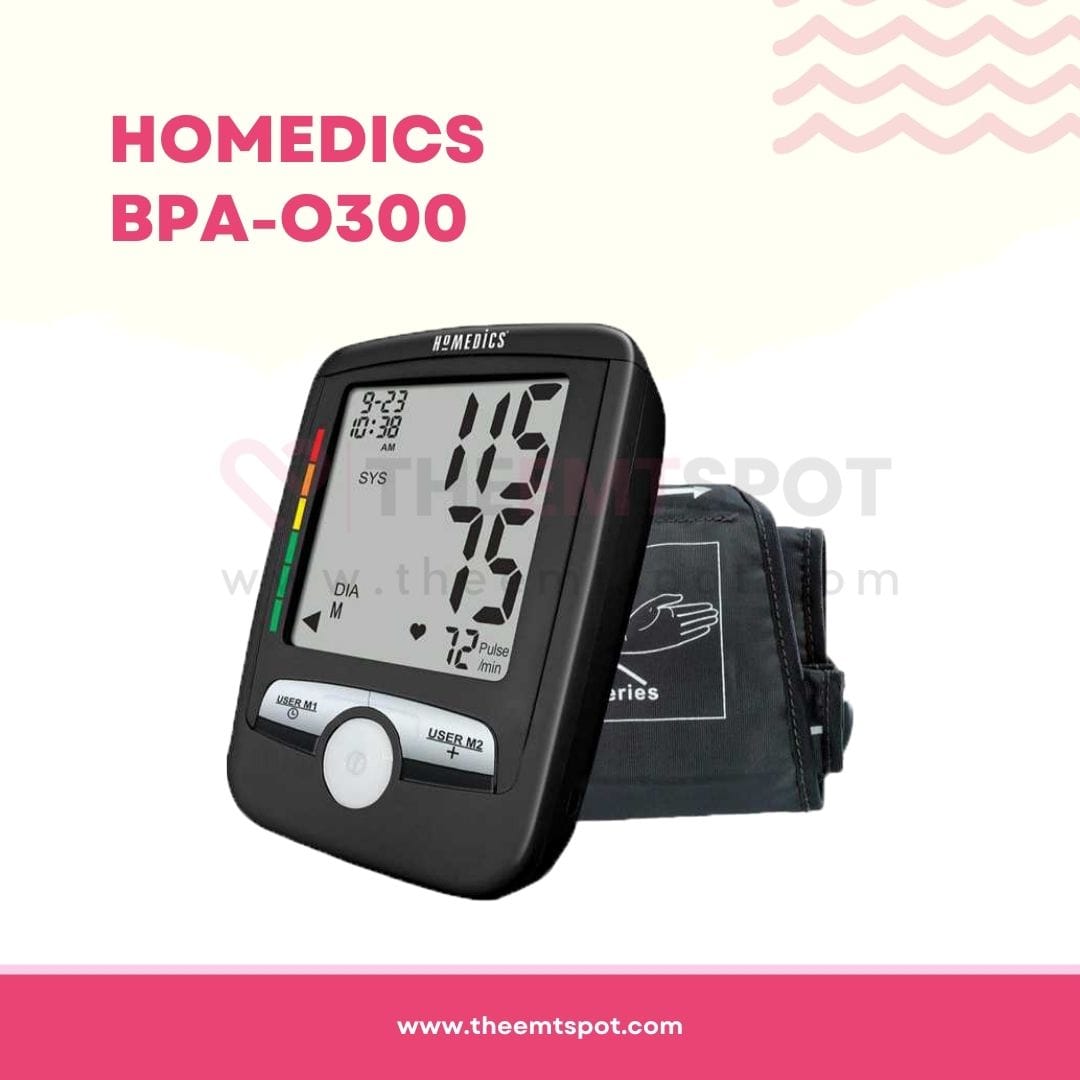
Homedics, established in 1987 in Detroit, has been a leading brand in wellness and home health innovations for over 30 years.
Homedics BPA-O300 targets budget-conscious buyers with a retail price under $40 and a compact tabletop design.
One-touch operation and Smart Measure® inflation technology provide personalized cuff pressure for each measurement cycle.
The BPA-O300 includes an irregular heartbeat detector and an excessive body motion detector. Readings are compared to levels established by the American Heart Association (AHA 2017 guidelines).
User feedback highlights consistent readings and simple one-touch operation as the primary strengths of the Homedics BPA-O300.
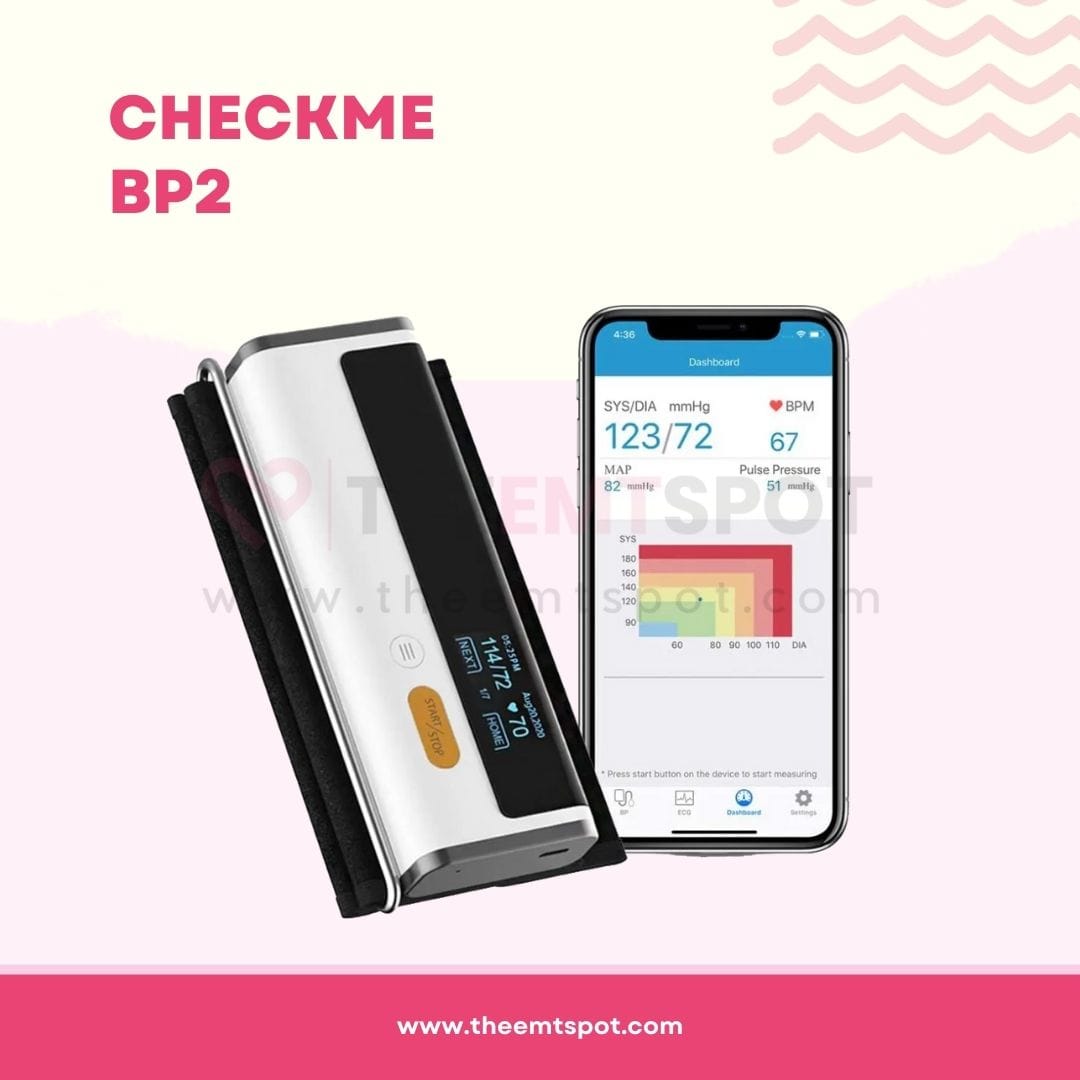
CheckMe BP2A blood pressure monitor is manufactured by Shenzhen Viatom Innovation Technology Co. Ltd, based in Shenzhen, China.
CheckMe BP2A measures blood pressure accurately in individuals with irregular heart rates using dual-channel measurement technology.
CheckMe BP2A combines readings taken at different times to calculate averaged results. FDA clearance confirms the consistency and accuracy of the device.
BP2A serves as a blood pressure monitor and offers electrocardiographical outcomes (ECG), a feature uncommon in similar products. The device stores up to 50 readings in built-in memory for tracking blood pressure fluctuations over time.
Lightweight portable design and USB rechargeability make the CheckMe BP2A suitable for travel and daily monitoring.
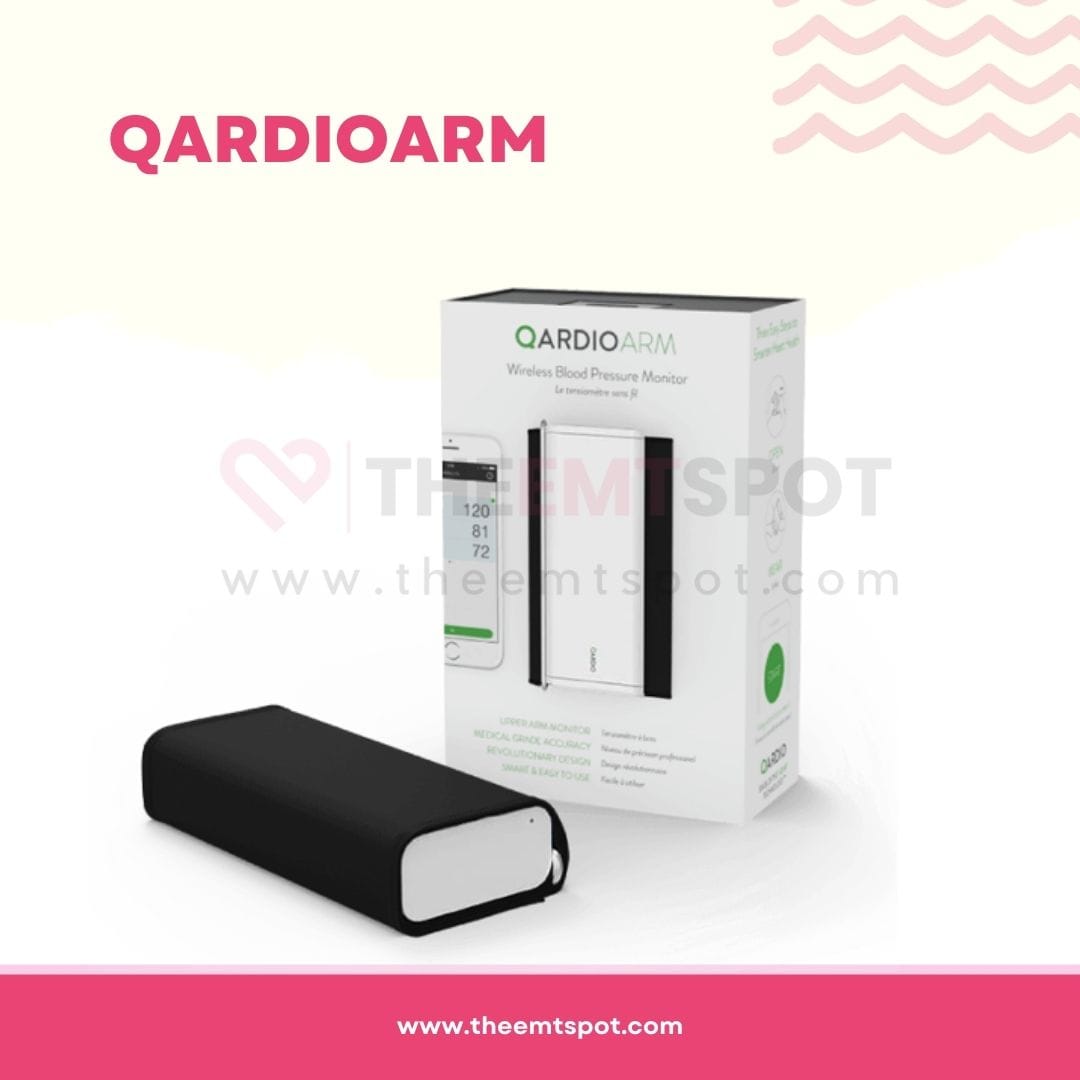
Qardio, the company behind QardioArm, manufactures wireless health monitoring devices from its San Francisco, CA headquarters. QardioArm is the company’s flagship blood pressure monitor, designed for wireless operation with smartphone app integration.
QardioArm measures systolic pressure, diastolic pressure, and heart rate wirelessly. An irregular heartbeat detection function alerts users to arrhythmia patterns during measurement.
Clinically validated and 510(k) FDA-cleared, QardioArm measures a broad range of blood pressure and heart rate values.
QardioArm syncs with Apple Health, Samsung Health, and Google Fit for automated data recording and sharing with healthcare providers.
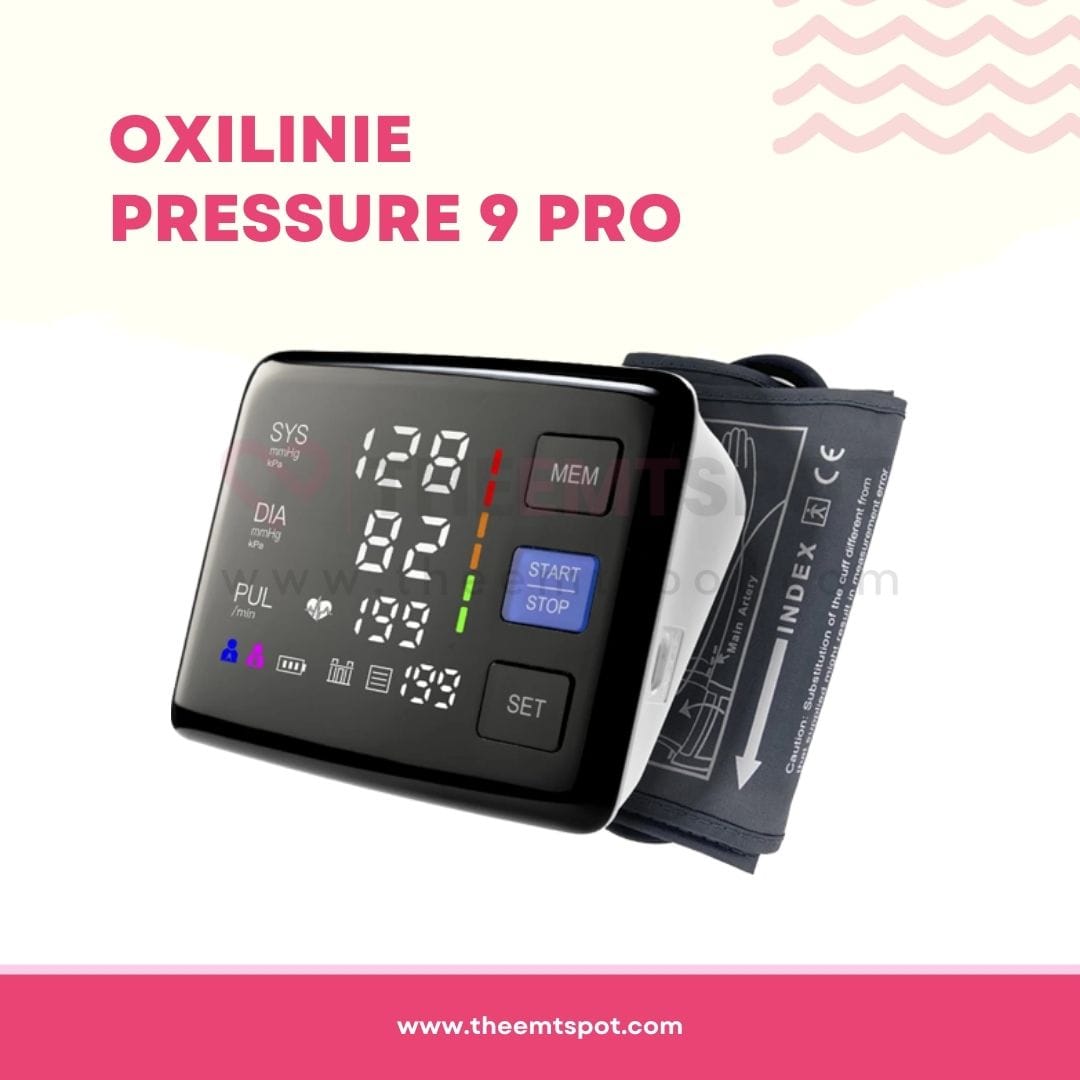
Oxiline Pressure 9 Pro, manufactured by Oxiline LLC, is an upper arm blood pressure monitor designed for pregnancy and high-risk patient monitoring.
Pressure 9 Pro is an upgraded version of the Pressure 7 Pro. Precise and reliable blood pressure readings underscore the device’s measurement effectiveness.
The double accuracy check system takes two consecutive measurements and compares them to flag potential reading inconsistencies. A smart alarm alerts users when readings fall below safe thresholds.
Oxiline offers a lifetime warranty and a 30-day trial period with the Pressure 9 Pro.
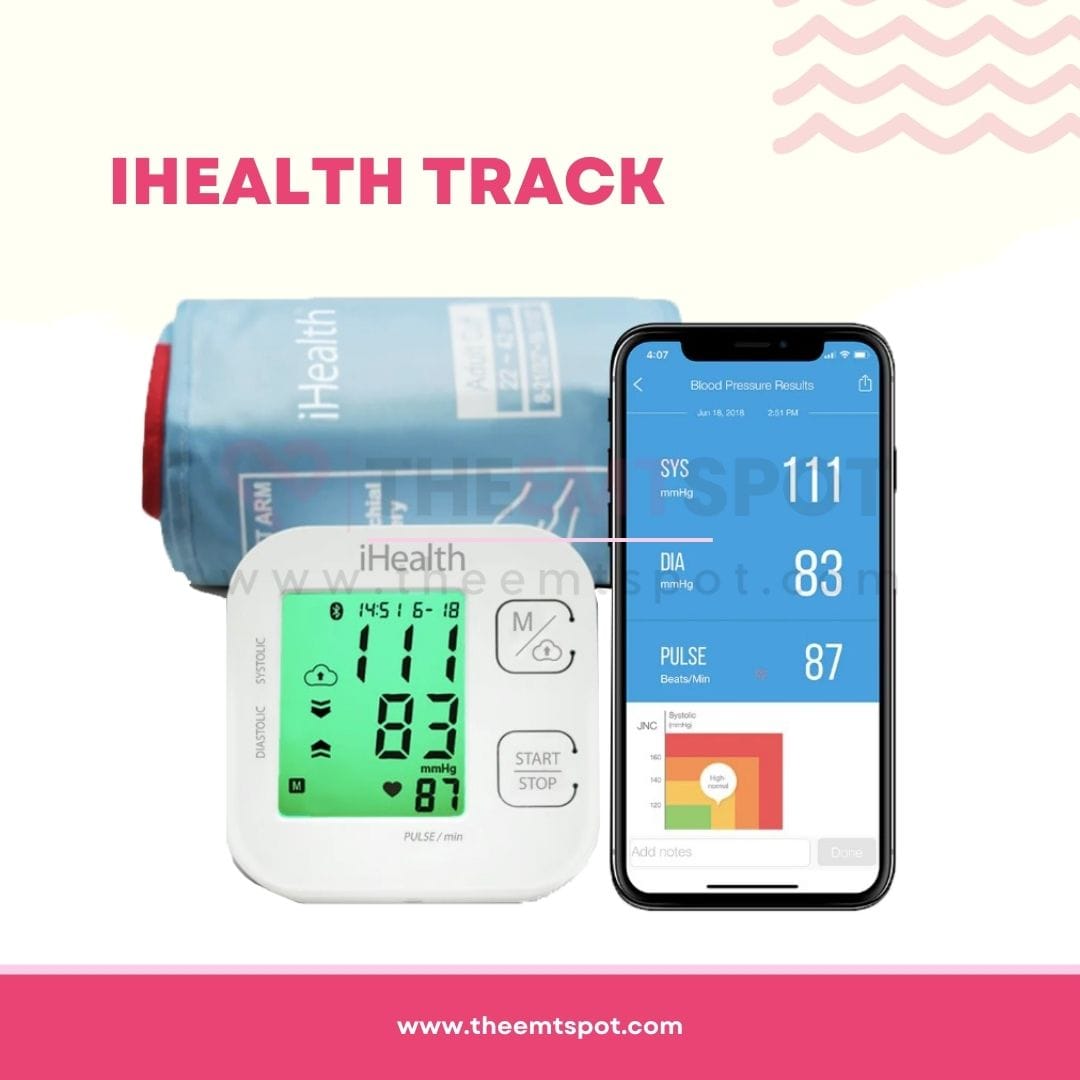
iHealth, a Silicon Valley digital health company founded in 2010, launched the world’s first Bluetooth-connected blood pressure monitor compatible with iOS devices.
iHealth Track supports chronic disease management protocols for hypertension and diabetes through automated tracking and trend analysis.
The iHealth Track Blood Pressure Monitor holds FDA 510(k) clearance and clinical validation for home blood pressure monitoring.
iHealth Track delivers readings within ±3 mmHg accuracy and integrates with the iHealth My Vitals App for long-term blood pressure trend visualization.
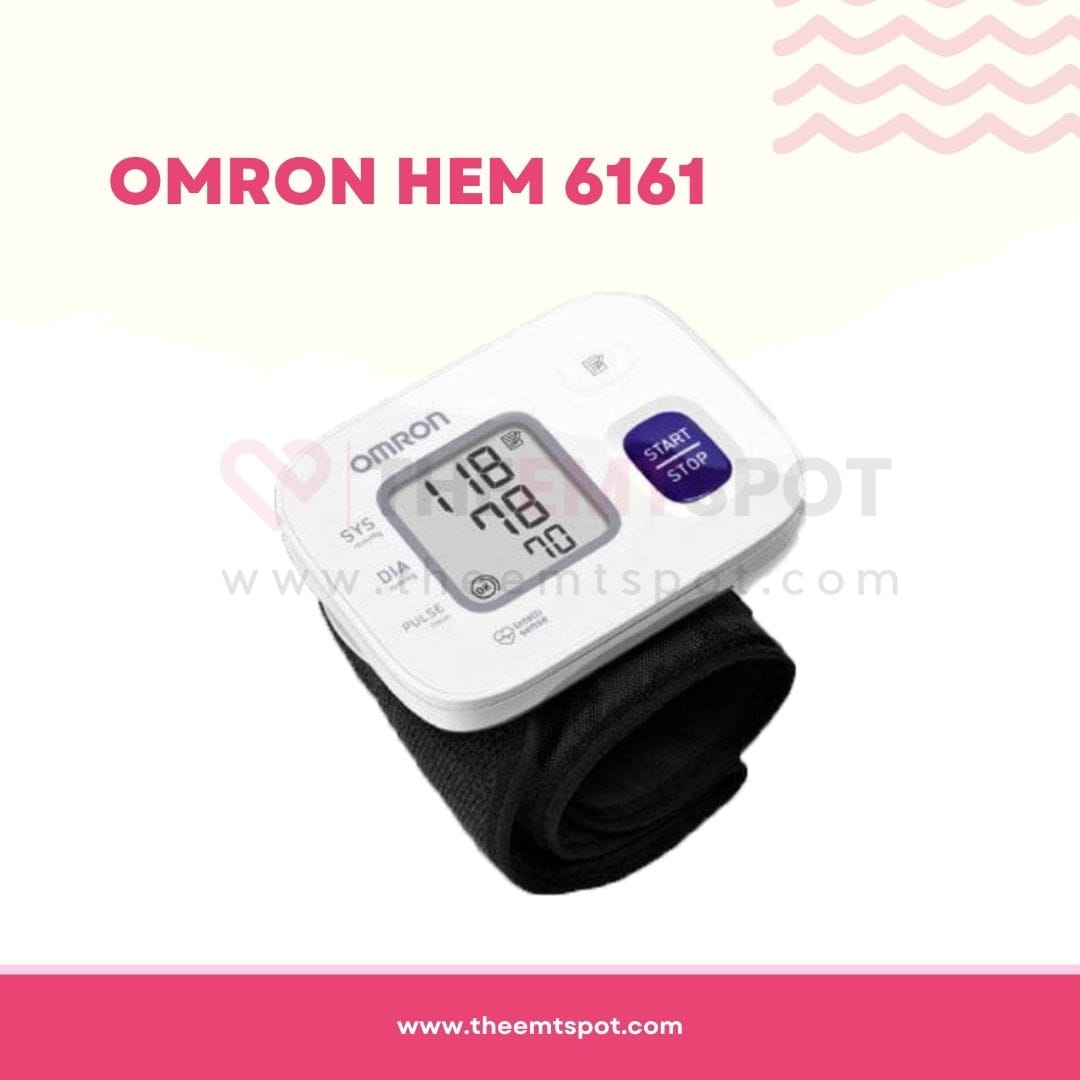
Omron, a Japanese medical device manufacturer founded in 1933, produces self-monitoring blood pressure monitors validated by the British Hypertension Society (BHS) and European Society of Hypertension (ESH).
Omron HEM 6161 is a wrist blood pressure monitor that uses the oscillometric method with a claimed accuracy of ±3 mmHg for blood pressure and ±5% for pulse rate.
The monitor features a body movement indicator, cuff wrap detection, and an irregular heartbeat detector. Compact wrist-based design makes the HEM 6161 portable for travel and workplace monitoring.
Omron HEM 6161 has gained adoption across Western markets due to one-button operation and consistent wrist-based readings.
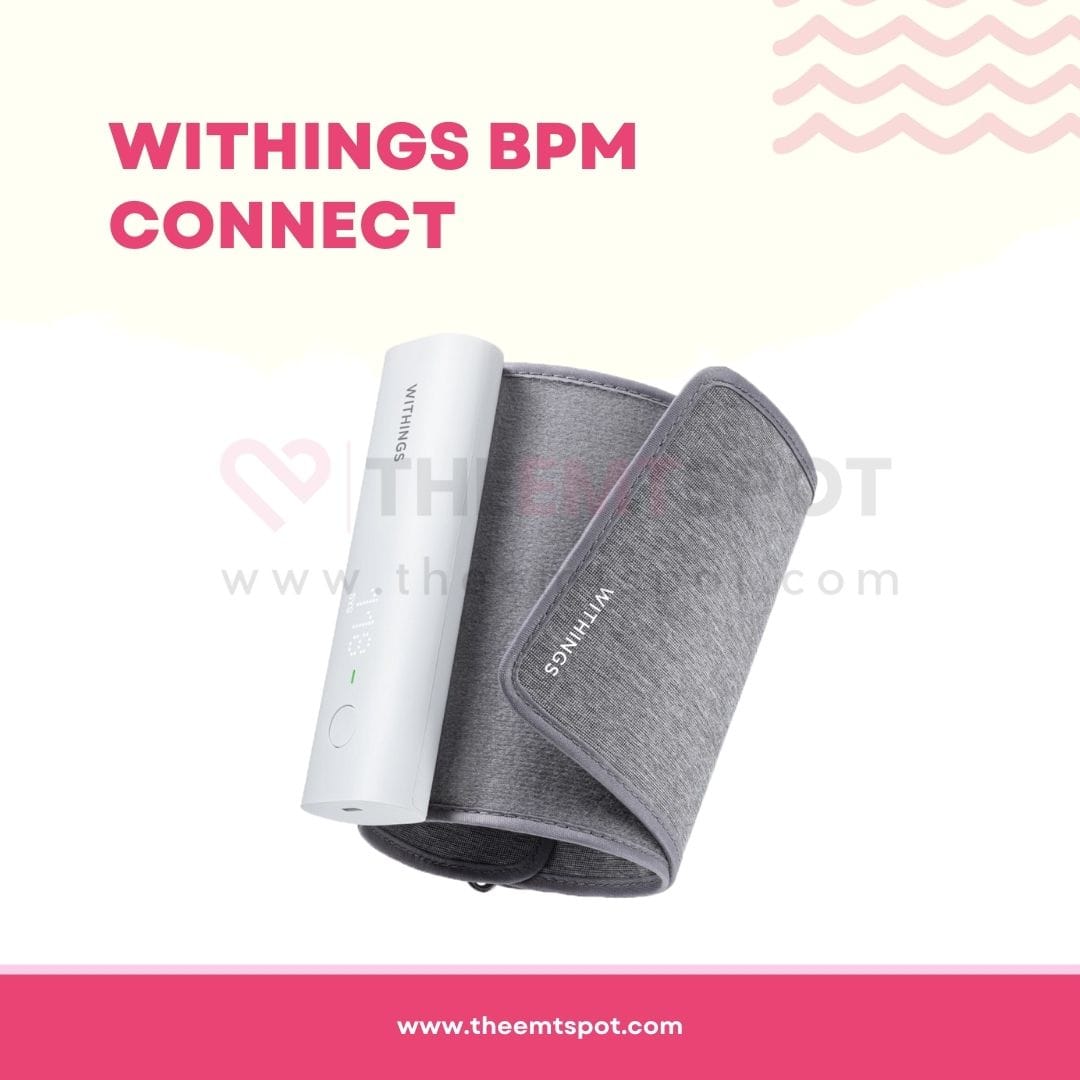
Withings BPM Connect is a portable upper arm blood pressure monitor with native Apple Health integration and automatic cloud data synchronization.
Withings, a French health technology company founded in 2008, designs medical devices that connect directly to Apple’s Health ecosystem through the Withings Health Mate app.
BPM Connect holds FDA clearance for medical-grade accuracy. Blood pressure readings transfer automatically to Apple Health through the Withings Health Mate app.
An integrated matrix LED screen and one-button operation allow users to complete a blood pressure measurement in under 30 seconds. Withings BPM Connect stores up to 8 user profiles and retains measurement history for long-term cardiovascular trend analysis.
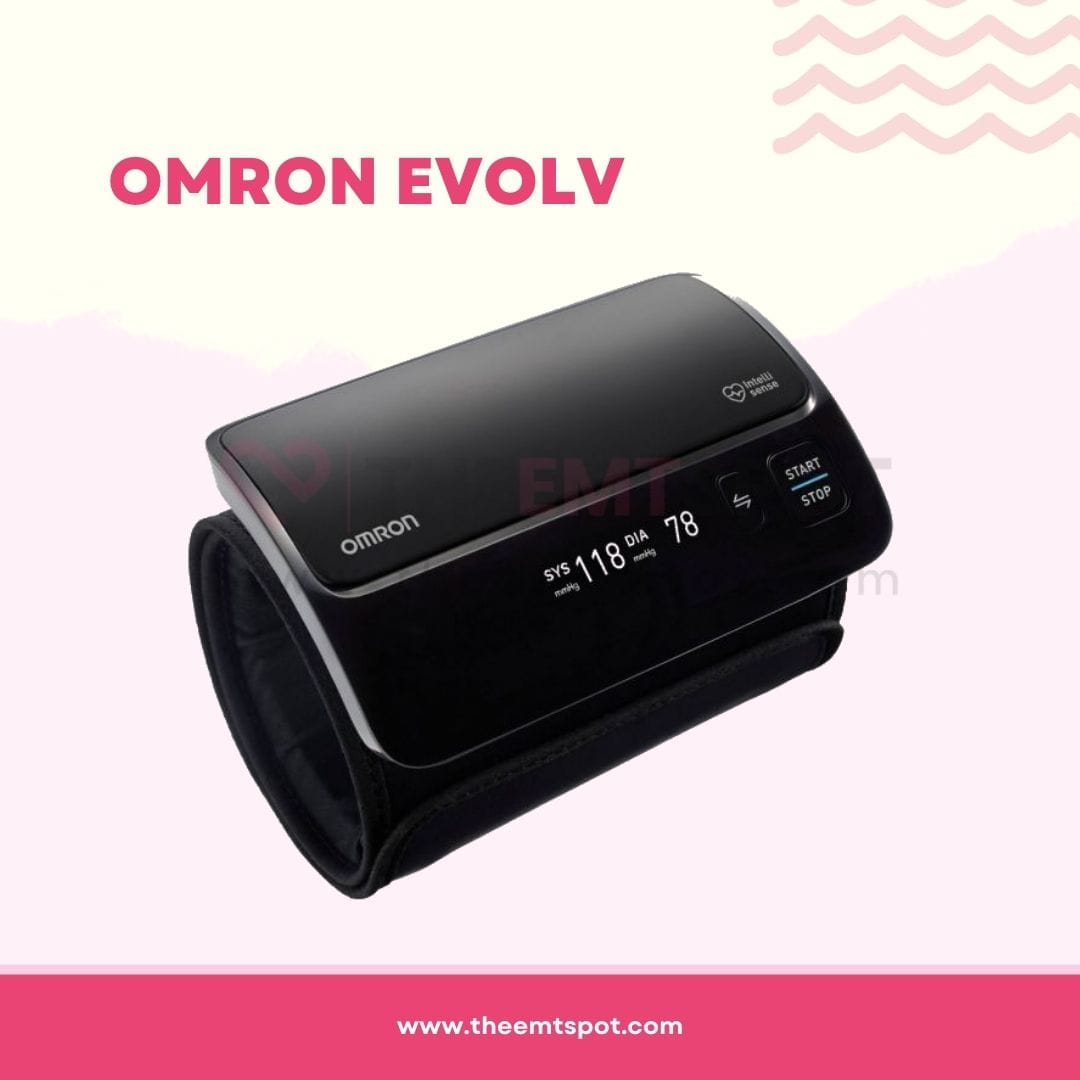
Omron Evolv is a wireless upper arm blood pressure monitor that syncs with smartphone apps through Bluetooth. The tubeless one-piece design eliminates tangled wires during measurement.
Omron Evolv integrates with both iPhone and Android devices, including native compatibility with the Samsung Health app. Bluetooth connectivity enables blood pressure fluctuation tracking and direct result sharing with healthcare providers through the Omron Connect app.
The Evolv stores 100 readings on the device and unlimited readings through the Omron Connect app for long-term trend monitoring.
How to take blood pressure at home
To take blood pressure at home, follow the measurement guidelines recommended by the American Heart Association (AHA). A step-by-step guide is available on the home blood pressure measurement page.
According to AHA, blood pressure can vary throughout the day, so it’s recommended to check it either in the morning upon waking up or in the evening before going to bed.
Morning measurement before breakfast yields the most consistent readings, acceptable both before and after taking blood pressure medication.
Professor Barry P. McGrath, an Adjunct Professor of Medicine at Monash University, suggests conducting blood pressure measurements both in the morning and evening for at least five consecutive days to accurately diagnose hypertension or any other variations in blood pressure.
Proper preparation is crucial, involving emptying the bladder and allowing at least five minutes of relaxation before measurement.
Sit with a straight, well-supported back, feet flat on the floor, and legs uncrossed. Ensure that the arm wearing the cuff is exposed, positioned at heart level and that the cuff’s lower edge aligns with the elbow bend.
During this preparation phase, it’s important to relax, avoid conversation, and eliminate distractions such as cell phones.
Using a blood pressure monitor follows several key steps as recommended by the AHA.
- Start the process by sitting in a chair with both feet flat on the ground and maintaining a straight back, resting for approximately five minutes before measuring.
- Next, place your arm on a surface at heart or chest level, follow your machine’s instructions, and remain still and silent throughout the process.
- For enhanced accuracy, consider taking a second reading 1 to 2 minutes later and calculate the average of the two readings.
The above steps are critical in ensuring accuracy, but despite that, you may get false readings from your device. The next section will help you understand how.
Can home blood pressure monitors give false readings?
Home blood pressure monitors can produce false readings due to improper cuff sizing, incorrect arm positioning, or device calibration errors. A clinician can identify measurement anomalies, while home users may not.
Dr. Swapnil Hiremath, a kidney specialist at Ottawa Hospital, highlights that the accuracy of home blood pressure monitors can vary, stating that:
“Home blood pressure monitors may be inaccurate in 5% to 15% of patients, depending on the threshold for accuracy used.”
Inaccurate readings can lead to incorrect medication dosage adjustments. Selecting a clinically validated device reduces the risk of measurement error.
Dr. Christian Ruff, a cardiologist at Harvard-affiliated Brigham and Women’s Hospital, points out that blood pressure measurements can vary even when taken using precise methods.
To enhance accuracy, he recommends taking multiple recordings and averaging them for a more reliable assessment of your blood pressure.
One significant issue is that many home blood pressure monitors on the market are not validated for accuracy.
A study reported in JAMA found that a substantial percentage of upper arm cuff and wrist cuff monitors sold on Amazon.com were not validated, which poses a risk to health. Inaccurate measurements could lead to unnecessary doctor visits or incorrect medication adjustments.
The absence of a global institution for standardizing blood pressure monitor validation complicates matters.
Organizations including the American Medical Association and STRIDE BP publish lists of clinically validated blood pressure monitors. Selecting a validated device ensures readings fall within accepted accuracy thresholds.
Additionally, the accuracy of a blood pressure monitor can depend on factors such as cuff size and device features.
Dr. Christopher Cannon, a cardiologist and editor in chief of the Harvard Heart Letter, stresses the importance of using a well-fitting cuff.
Dr. Tadwalkar recommends devices with a large, easy-to-read display and an automatically inflating arm cuff for optimal accuracy and usability.
Should your blood pressure readings be the same on both arms?
No, blood pressure readings are not always the same on both arms. It’s quite common for there to be a slight difference in blood pressure readings between the two arms.
Arm circumference differences, blood vessel conditions, and cuff positioning during measurement account for the variation between arms.
As stated by Dr. Tim from Mercy Medical Center:
“Researchers have found [that] the difference between the top numbers in your arms can predict your risk for heart and vascular disease.”
Checking blood pressure in both arms provides a more comprehensive cardiovascular risk profile. Dr. Tim reported that the average systolic difference between arms measures 3 to 5 mmHg.
The study found 10% of patients showed a systolic difference of 10 mmHg or greater between arms. Patients with differences of that magnitude faced elevated risk of developing coronary heart disease.
Bilateral blood pressure measurement provides a more comprehensive cardiovascular risk assessment than single-arm monitoring alone.
Significant blood pressure differences between arms – exceeding 10 mmHg systolic – may indicate peripheral artery disease or subclavian stenosis.
Conditions like atrial fibrillation, pacemaker implants, and forearm measurement positioning affect blood pressure monitor accuracy and require specialized guidance. Dedicated articles on blood pressure monitoring with AFib, pacemakers, and forearm cuff placement are available in the blood pressure resource section below.
Selecting the right blood pressure monitor depends on three primary factors: cuff compatibility, measurement accuracy validation, and connectivity features.
How to choose a blood pressure monitor
To choose a blood pressure monitor, evaluate three primary factors: cuff compatibility with your arm circumference, clinical validation status (FDA, BHS, or ESH certification), and connectivity features for long-term data tracking.
According to British Heart Foundation guidelines, the following suggestions might help you make the right choice.
- Ask your doctor: It’s essential to consult your healthcare provider when selecting a blood pressure monitor. They can recommend a suitable model based on your specific health needs, ensuring that it aligns with your treatment plan and medical condition.
- Buy a monitor with an upper cuff: Upper arm cuffs provide more accurate and consistent readings than wrist or finger monitors. Opting for an upper arm monitor is generally recommended for reliable results.
- Make sure the cuff is right for your arm: Choose a monitor with a cuff that fits your arm comfortably and snugly. An ill-fitting cuff can lead to inaccurate readings. Most monitors offer different cuff sizes, so ensure you select the appropriate one for your arm size.
- Consider cost: Blood pressure monitors come in a range of prices. Consider your budget while selecting a monitor, and prioritize accuracy and reliability. Sometimes, investing a bit more in a quality monitor can benefit your long-term health management.
- Choose one that’s easy to use: Opt for a monitor with a user-friendly design and clear instructions. A simple interface and intuitive operation can make monitoring your blood pressure at home much more convenient.
- Select your desired features: Different monitors offer Bluetooth connectivity, data storage, or irregular heartbeat detection. Choose a monitor with features that align with your health goals and preferences.
- Read customer reviews: Customer reviews and ratings can provide valuable insights into the performance and reliability of a blood pressure monitor. Consider the experiences of other users when making your decision.
- Check for a warranty: It’s a good practice to ensure the monitor has a warranty. A warranty can provide peace of mind in case the monitor encounters any issues or malfunctions.
- Make sure you get it serviced every 2 years: Regular maintenance and servicing of your blood pressure monitor are essential to ensure its accuracy and longevity. Following the manufacturer’s recommendations for maintenance, including calibration or servicing every two years, can help maintain its reliability.
These elaborations should give you a clearer understanding of the importance and considerations for each point when choosing a blood pressure monitor.
The type of monitor alone could be the topic of a study, and that’s why the below section is dedicated to the same.
Which type of blood pressure monitor is the most accurate?
Upper arm blood pressure monitors provide the most accurate readings among home-use devices. The AHA recommends upper arm cuff monitors as the standard for home blood pressure measurement.
Upper arm monitors deliver higher accuracy and consistency than wrist or finger devices because the brachial artery provides a more stable oscillometric signal.
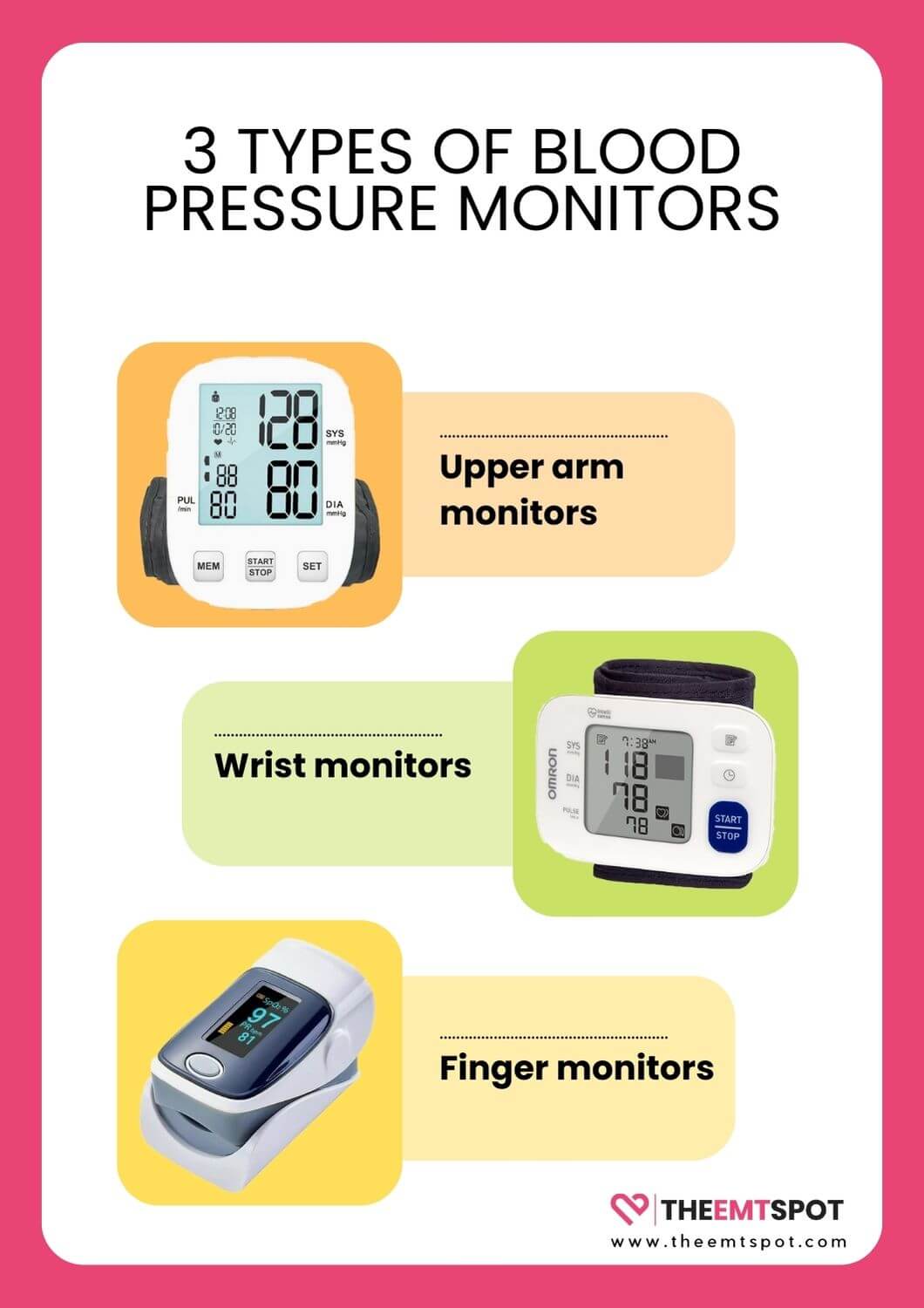
Upper arm blood pressure monitors
Upper-arm monitors are preferred because they measure blood pressure at the level of the heart, providing more accurate and consistent readings.
The brachial artery in the upper arm is closer to the heart level, which helps obtain readings more reflective of central blood pressure.
Wrist blood pressure monitors
Wrist monitors, though increasing in popularity and improving in accuracy, are generally considered less reliable than upper-arm monitors.
Narrow radial artery vessels and difficulty maintaining correct monitor positioning at heart level reduce wrist monitor accuracy.
Dr. Don Pham, a cardiologist, points out:
“In general, wrist monitors are more likely to report higher readings due to the narrow vessels in the area and difficulties in positioning correctly.”
A study from Tohoku University published in the Journal of Hypertension analyzed wrist monitors and found that, although they are becoming more accurate, proper placement and setup are crucial for obtaining accurate readings.
Wrist monitors showed a mean difference of -2.1/-2.3 mmHg for systolic blood pressure and 1.2/-5.6 mmHg for diastolic blood pressure when compared with standard auscultation in the study.
The variability in readings, especially in different wrist positions, indicates that these devices may not be suitable for self-measurement of blood pressure for general, clinical, or practical use.
Finger blood pressure monitors
Finger blood pressure monitors, often marketed to consumers as accurate devices, have been found to have no statistically significant correlation with standard cuff measurements.
A study published in the journal Family Medicine by J. M. Nesselroad et al. tested three models of automated finger blood pressure devices against standard cuff measurements and found considerable inaccuracies.
The study concluded that patients should exercise caution when relying on finger blood pressure monitors for accurate measurements.
In summary, while wrist and finger monitors offer convenience and are evolving in terms of technology and accuracy, they currently do not match the reliability of upper-arm monitors.
The AHA and other medical professionals recommend upper arm monitors for their proven accuracy and consistency in blood pressure measurements.
For individuals who cannot use upper arm monitors, such as those with very large arms or those who have had axillary lymph node resection, wrist monitors can be used with careful attention to positioning and setup.
While the type of monitor is essential, many users overlook another crucial aspect, which is the cuff size. The next section will help you understand that.
Does the cuff size of a blood pressure monitor matter?
Cuff size directly determines blood pressure measurement accuracy. A cuff too small for the arm circumference inflates systolic readings by 10-40 mmHg, while an oversized cuff produces falsely low values.
According to Anika L. Hines, Ph.D., MPH, an assistant professor of health behavior and policy at the Virginia Commonwealth University School of Medicine, “using a measuring tape in clinical practice seems less practical.”
While the practicality of using a measuring tape in clinical practice may be limited, it remains crucial to ensure accurate readings.
Junichi Ishigami, MD, PhD, an assistant scientist of epidemiology at the Johns Hopkins Bloomberg School of Public Health, stated:
“An overestimation of blood pressure could potentially result in overtreatment of hypertension, leading to unnecessary adverse effects from medical interventions and increased expenditure on medications.”
Recent research, as reported in a 2023 study published in JAMA Internal Medicine, highlights the ramifications of using the wrong cuff size during blood pressure measurement.
When the cuff is too small, it may yield artificially elevated blood pressure readings, while an excessively large cuff can produce falsely low measurements.
The pivotal message is that selecting the appropriate cuff size for a blood pressure monitor is indispensable for obtaining precise readings.
The cuff should comfortably encircle around 80% of the upper arm, stretching from the elbow to the armpit.
Cuff sizes are typically categorized as small, regular, large, or extra-large, with specific centimeter measurements provided.
Ensuring the correct cuff size is fundamental to securing accurate and reliable blood pressure measurements.
Where to buy a blood pressure monitor
To buy a blood pressure monitor, choose between three main retail channels: retail pharmacies with in-store fitting, online retailers with customer reviews, and specialty medical supply stores with expert guidance.
- Retail stores: You can find blood pressure monitors at various retail locations such as pharmacies, supermarkets, and big-box stores. Retail stores offer the advantage of seeing the product in person before making a purchase. Store staff provide guidance on cuff sizing and monitor selection.
- Online retailers: Online shopping has become increasingly popular for purchasing healthcare equipment, including blood pressure monitors. Websites like Amazon, Walmart, and medical supply stores offer a wide range of options. Reading customer reviews and comparing prices can be helpful when buying online.
- Medical supply stores: Specialty medical supply stores often carry a selection of high-quality blood pressure monitors. They can provide expert guidance and recommendations based on your specific needs.
When planning to make a purchase, keep the following points in mind to ensure a smart purchase.
- Customer support and service: Good customer service, including helpful advice on choosing and using the monitor, is important. Verify the availability of after-sale support and warranty services before purchase.
- Reputation and reliability: Opt for reputable sellers or medical supply stores known for quality products. Check customer reviews and ratings.
- Price comparison: Compare prices among different sellers to ensure you are getting a fair deal. Be cautious of prices that seem too low, as they might indicate a counterfeit or substandard product.
- Healthcare provider recommendations: Sometimes, healthcare providers can recommend places known for quality medical supplies.
- Additional services: Some stores offer additional services like blood pressure monitoring tutorials or in-store health checks.
- Privacy and security: If buying online, ensure the website is secure and respects your privacy, especially if you are providing medical information.
- Range of products: Whether it’s online or offline, select a source offering a variety of models, so you have options to compare features, brands, and prices.
Personal recommendations from friends and family who actively use blood pressure monitors provide practical insights that product specifications alone cannot convey.
Price comparison between blood pressure monitor types helps identify the right balance of features and budget.
How much do blood pressure monitors cost?
The cost of blood pressure monitors varies widely, generally ranging from $20 to over $100.
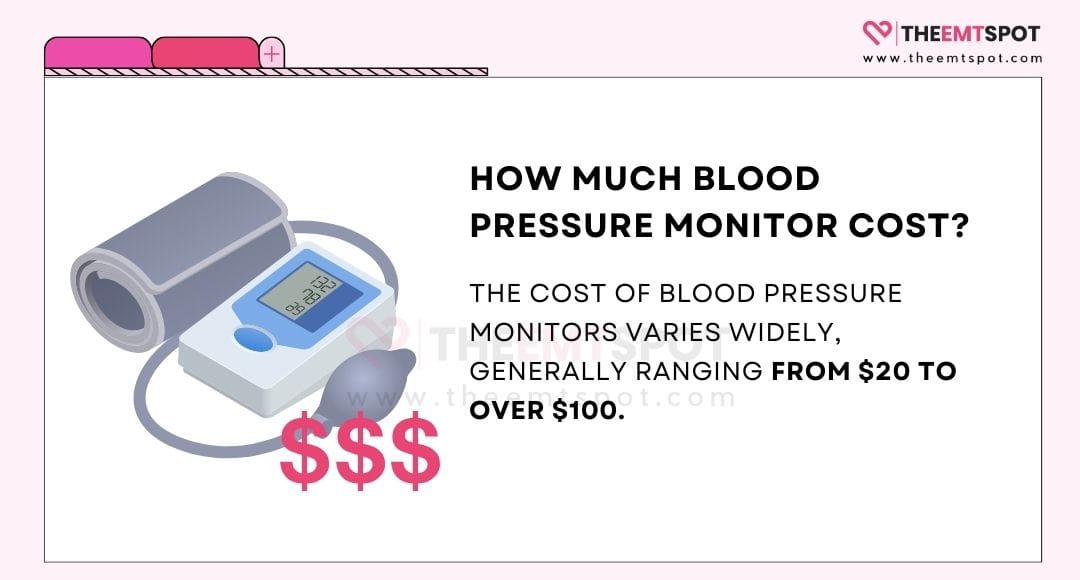
Price variation across blood pressure monitors reflects differences in features, brand, accuracy certification, and connectivity options. Some examples are given below.
- Omron Series 10 ($118.99): Known for its accuracy and reliability.
- Oxiline Pressure X Pro ($119): Offers smart connectivity at a moderate price.
- CheckMe BP2A ($79.99): A budget-friendly smart monitor.
Cheap vs expensive blood pressure monitors
Primary differences between cheaper and more expensive blood pressure monitors lie in accuracy, durability, Bluetooth connectivity, data tracking, multi-user capabilities, and comfort. Higher-priced models undergo more rigorous clinical validation testing.
Buying a budget blood pressure monitor
Purchasing a budget blood pressure monitor suits users with basic monitoring needs. Occasional monitoring for users without complex health conditions does not require advanced connectivity or multi-user features.
Investing in a clinical-grade blood pressure monitor
Clinical-grade blood pressure monitors deliver higher accuracy and durability. Patients with hypertension who require precise long-term monitoring benefit from data syncing with health apps for trend analysis and physician reporting.
Choosing the right blood pressure monitor
Opt for a cheaper model when:
- Budget is a constraint.
- You need it for occasional, basic monitoring.
- There are no serious underlying health issues.
Choose an expensive model when:
- Accuracy is critical.
- You have a medical condition that requires continuous monitoring.
- You prefer advanced features for ease of use and data tracking.
Taking into account the factors mentioned above will assist you in choosing a blood pressure monitor that suits your healthcare requirements and financial constraints.
But did you know that some insurance companies may cover the cost of a blood pressure monitor? Read on to learn more below.
Does insurance cover a blood pressure monitor?
Certainly, insurance coverage for blood pressure monitors can be available, but it varies depending on your individual insurance plan and the insurance company providing the coverage.
Some insurance plans may cover the cost of a blood pressure monitor if it’s prescribed by a physician or if it’s deemed medically necessary.
Examples of Insurance companies offering coverage for blood pressure monitors and similar devices are given below.
- United Healthcare: They cover at least some of the cost of a blood pressure monitor, especially if prescribed by a doctor.
- Blue Cross Blue Shield: This insurance provider covers blood pressure monitors when prescribed by a physician.
While this may not be included in your regular package, there is always a choice for the insurer to get it as an add-on. Some of the other things you should know are added below.
- Medicare coverage: Medicare generally does not cover blood pressure monitors for home use, except under specific circumstances, such as if you’re receiving dialysis treatments at home or if your doctor orders ambulatory blood pressure monitoring
- Cost of insurance: The cost of insurance that covers blood pressure monitors varies depending on the plan and the insurer. It is recommended that you get in touch with your insurance company for accurate details regarding expenses and insurance coverage.
- Conditions for coverage: Coverage typically requires a prescription from a healthcare provider and may depend on whether the monitor is deemed medically necessary.
Contacting your insurance provider directly clarifies the specific terms and conditions of blood pressure monitor coverage under your plan.
How do you read a blood pressure monitor?
To read a blood pressure monitor, identify two numbers on the display: systolic pressure (top number, measured during heart contraction) and diastolic pressure (bottom number, measured between heartbeats).
A reading of 120/80 mmHg indicates 120 mmHg systolic and 80 mmHg diastolic.
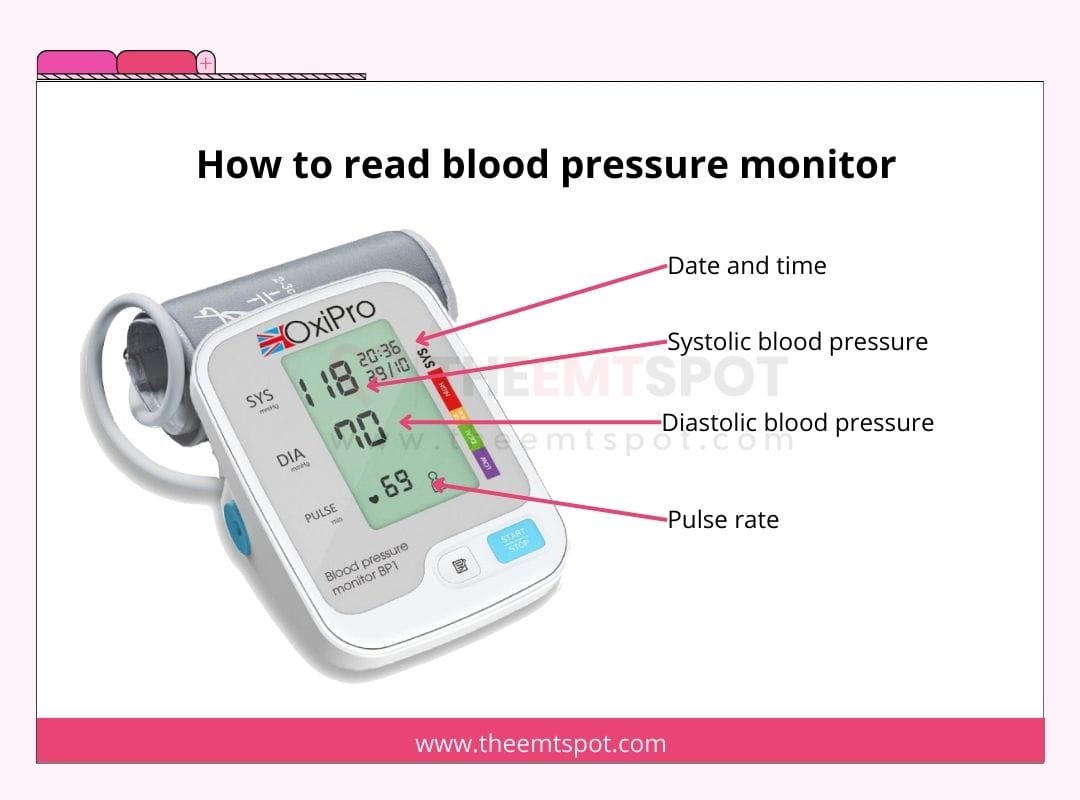
- Comprehending blood pressure readings: Blood pressure readings consist of two numbers, typically presented as systolic over diastolic:
- Systolic pressure (top number): This represents the pressure in your arteries when your heart beats. A normal systolic pressure should be below 120 mmHg.
- Diastolic pressure (bottom number): This indicates the pressure in your arteries between heartbeats. A normal diastolic pressure should be below 80 mmHg.
- Reading the display: Most digital blood pressure monitors display the systolic pressure above the diastolic pressure. For example, when the reading shows 120/80 mmHg, it means the systolic pressure is 120 mmHg, and the diastolic pressure is 80 mmHg.
- Interpreting the results: According to guidelines from the AHA, Harvard Health, and the CDC, blood pressure health is categorized into the following stages: normal, elevated, stage 1 and stage 2 hypertension, & hypertensive crisis, as elaborated in detail in the next section.
- Considering consistency: A single reading isn’t sufficient for a comprehensive assessment. It’s essential to monitor your blood pressure consistently over time and consult healthcare professionals for accurate interpretation and guidance.
Blood pressure stages according to AHA guidelines
The American Heart Association classifies blood pressure into five stages: normal (below 120/80 mmHg), elevated (120-129/below 80), stage 1 hypertension (130-139/80-89), stage 2 hypertension (140+/90+), and hypertensive crisis (above 180/120).
The complete AHA blood pressure chart with detailed thresholds and recommended actions for each stage is available on the dedicated chart page.
Blood pressure monitor resources
Blood pressure monitoring extends beyond device selection. Understanding measurement technique, reading interpretation, and cardiovascular risk factors determines how effectively a home monitor supports health management. The following resources cover each aspect of blood pressure monitoring in detail.
Oxiline Pressure X Pro uses Vibra TX nanosensor technology and holds FDA clearance for home blood pressure measurement. A detailed analysis of sensor accuracy, app functionality, and long-term durability is available in the Oxiline Pressure X Pro review.
CheckMe BP2 combines blood pressure measurement with single-lead ECG recording in a portable device weighing under 200 grams. The CheckMe BP2 review evaluates ECG accuracy and Bluetooth data transfer performance.
QardioArm connects wirelessly to Apple Health, Samsung Health, and Google Fit for automated blood pressure logging. The QardioArm review tests cross-platform sync reliability and cuff comfort across arm circumferences.
Oxiline Pressure 9 Pro targets pregnancy monitoring and high-risk cardiovascular patients requiring frequent home measurements. The Oxiline Pressure 9 Pro review covers gestational hypertension measurement protocols.
Omron produces over 20 blood pressure monitor models validated by the British Hypertension Society and European Society of Hypertension. The Omron blood pressure monitor review compares wrist and upper arm models across the product line.
Correct measurement technique determines whether a blood pressure monitor produces clinically useful readings. The blood pressure measurement guide covers arm positioning, cuff placement, and timing protocols recommended by the American Heart Association.
Blood pressure readings fall into five AHA-defined categories ranging from normal (below 120/80 mmHg) to hypertensive crisis (above 180/120 mmHg). The complete blood pressure chart lists systolic and diastolic thresholds for each stage with corresponding medical recommendations.