
The Energy Drink Stimulant Index
America's Energy Drinks Ranked: Which Popular Brands Pack the Biggest Caffeine Punch?
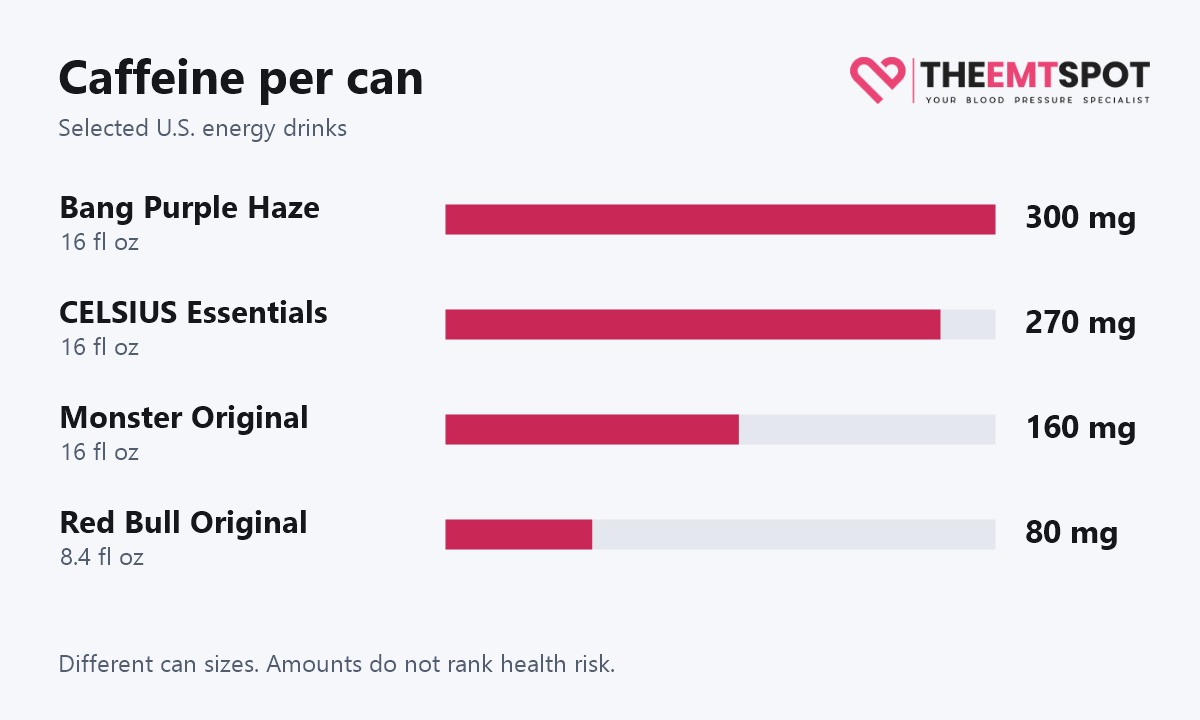
Bang Purple Haze and REIGN Orange Dreamsicle contain 300 mg of caffeine per 16 fl oz can, the highest amount in this comparison. A smaller 8.4 fl oz Red Bull contains 80 mg.
Explore 12 drink and size options from 7 brands, compare their concentration and add up caffeine from more than one source.
Compare the cans
Energy drinks ranked by caffeine
The default ranking compares whole cans. Switch to caffeine per fluid ounce to compare concentration, or search for a specific brand.
12 drink and size options
| Drink | Can size | Caffeine / can | Caffeine / fl oz | % of 400 mg | Source |
|---|---|---|---|---|---|
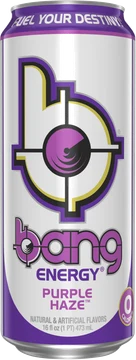 Bang Purple Haze16 fl oz can |
16 fl oz | 300 mg |
18.8 mg | 75% | Product source |
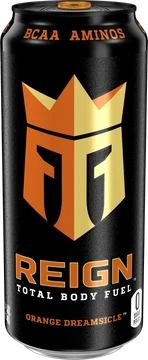 REIGN Total Body Fuel Orange Dreamsicle16 fl oz can |
16 fl oz | 300 mg |
18.8 mg | 75% | Product source |
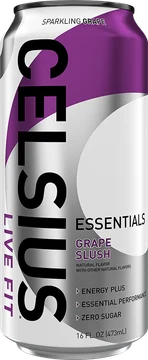 CELSIUS Essentials Grape Slush16 fl oz can |
16 fl oz | 270 mg |
16.9 mg | 67.5% | Product source Caffeine details |
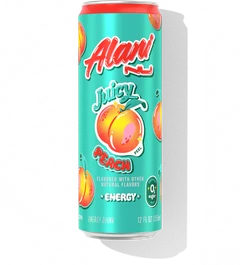 Alani Nu Juicy Peach12 fl oz can |
12 fl oz | 200 mg |
16.7 mg | 50% | Product source |
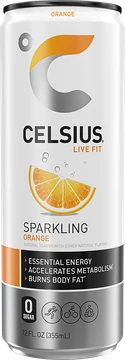 CELSIUS Original Sparkling Orange12 fl oz can |
12 fl oz | 200 mg |
16.7 mg | 50% | Product source Caffeine details |
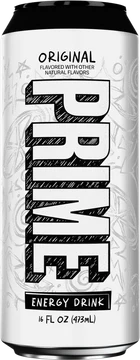 PRIME Energy Original16 fl oz can |
16 fl oz | 200 mg |
12.5 mg | 50% | Product source |
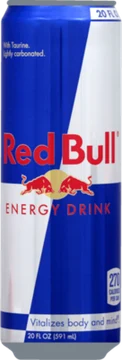 Red Bull Original20 fl oz can |
20 fl oz | 198 mg |
9.9 mg | 49.5% | Product source |
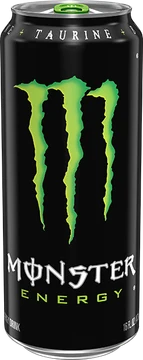 Monster Energy Original Green16 fl oz can |
16 fl oz | 160 mg |
10 mg | 40% | Product source |
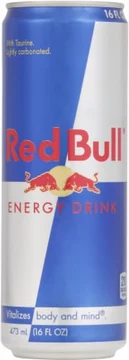 Red Bull Original16 fl oz can |
16 fl oz | 151 mg |
9.4 mg | 37.8% | Product source |
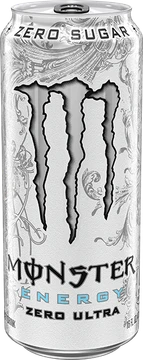 Monster Ultra Zero Ultra16 fl oz can |
16 fl oz | 150 mg |
9.4 mg | 37.5% | Product source |
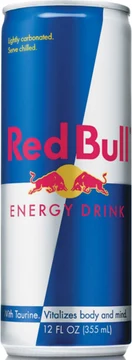 Red Bull Original12 fl oz can |
12 fl oz | 114 mg |
9.5 mg | 28.5% | Product source |
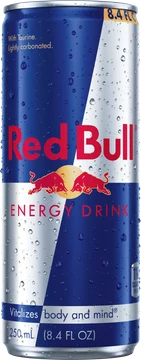 Red Bull Original8.4 fl oz can |
8.4 fl oz | 80 mg |
9.5 mg | 20% | Product source |
No matching drinks. Try another search or choose all brands.
Amounts apply to the listed U.S. product and size. Other countries, flavors and formulas may differ. Use the label on your own can.
What does the 400 mg comparison mean?
The FDA cites 400 mg of caffeine per day as an amount generally not associated with negative effects for most adults. The percentage here is a comparison reference, not a recommended intake or a personal safety limit.
Count the whole day
Energy drink caffeine calculator
Select a drink, enter how much you have and add caffeine from coffee, tea or other products. The result adds caffeine amounts; it cannot predict your blood pressure or your individual response.
Total caffeine
Below the general adult daily reference. Side effects can occur below this amount.
This adult reference is unsuitable for children and is not a pregnancy or breastfeeding guideline. A clinician can advise you about caffeine with a health condition or medication.
What changes when you compare can sizes?
A smaller can can be more concentrated
CELSIUS Original contains 200 mg in 12 fl oz, or about 16.7 mg per fl oz. Monster Original contains 160 mg in 16 fl oz, or 10 mg per fl oz.
That makes the listed CELSIUS about 67% more concentrated. The full-can total and the concentration answer different questions, so the table shows both.
The brand name does not identify the caffeine amount
Red Bull lists different totals for its different can sizes. CELSIUS Original and CELSIUS Essentials are also different product lines, with 200 mg and 270 mg per listed can.
Match the product name and volume before using a number from the table. The figures do not apply to every drink made by that company.
Two cans can change the total substantially
Two 300 mg cans contain 600 mg of caffeine before counting coffee, tea or other sources. Two 200 mg cans contain 400 mg.
Reaching the reference does not establish that an amount is appropriate for you. Follow your product's directions and any advice specific to your health.
What does caffeine mean for blood pressure?
Caffeine can raise blood pressure, and the effect varies between people. NCCIH's energy drink guidance also highlights concerns about heart rhythm, sleep and anxiety with large caffeine amounts.
If you have hypertension, take medication or experience palpitations, discuss caffeine with your healthcare professional. A lower number in this table does not establish that a drink is suitable for you.
For the broader context, read how caffeine affects blood pressure. Use consistent conditions when comparing your home readings.
How to read the stimulant index
This index ranks selected canned energy drinks by their stated caffeine content. It is a caffeine comparison, not a score for all stimulants, product quality or medical risk.
Scope and product sources
Each row identifies a U.S. drink and can size, with a link to manufacturer information. The selection covers ready-to-drink cans; it is not a complete inventory of the U.S. market.
Different sizes of the same drink count as separate options. Powdered pre-workouts and concentrated energy shots are outside this comparison.
Calculations
Concentration: stated caffeine in mg divided by U.S. fluid ounces. Reference share: stated caffeine divided by 400 mg, multiplied by 100.
Calculated display values are rounded to one decimal place. The calculator uses the unrounded per-can amounts.
Other ingredients
Guarana and some plant extracts can contribute caffeine. This index uses the stated caffeine figure for each product; it does not add guessed amounts from ingredient names.
Caffeine totals do not describe how all the ingredients in a drink may affect someone.
Using or citing the data
Download the CSV for product names, sizes, caffeine amounts and source links. If you use this comparison, cite TheEMTSpot's Energy Drink Stimulant Index and retain the product sources.
For a label change or correction, email contact@theemtspot.com with the product name, country, size and a clear label photo.
Energy drink caffeine questions
Which energy drink has the most caffeine in this index?
Bang Purple Haze and REIGN Orange Dreamsicle tie at 300 mg per listed 16 fl oz can. This is the highest figure in this selection, not a claim about every energy drink sold in America.
How much caffeine is in a can of Red Bull?
Red Bull's U.S. figures are 80 mg for 8.4 fl oz, 114 mg for 12 fl oz, 151 mg for 16 fl oz and 198 mg for 20 fl oz. Match the volume to your can.
Does a zero-sugar energy drink have less caffeine?
A zero-sugar claim does not establish the caffeine amount. For example, the listed Monster Ultra Zero Ultra contains 150 mg per 16 fl oz can, while Bang Purple Haze contains 300 mg in the same volume.
Is 400 mg of caffeine safe for everyone?
No. The FDA's reference describes most adults, and caffeine sensitivity varies. Pregnancy, breastfeeding, medication and medical conditions can call for different advice; the calculator cannot set a personal limit.
Does this index measure every stimulant in an energy drink?
The ranking measures stated caffeine content only. It does not combine taurine, plant extracts or other ingredients into a single stimulant score, and it does not predict their combined effects.