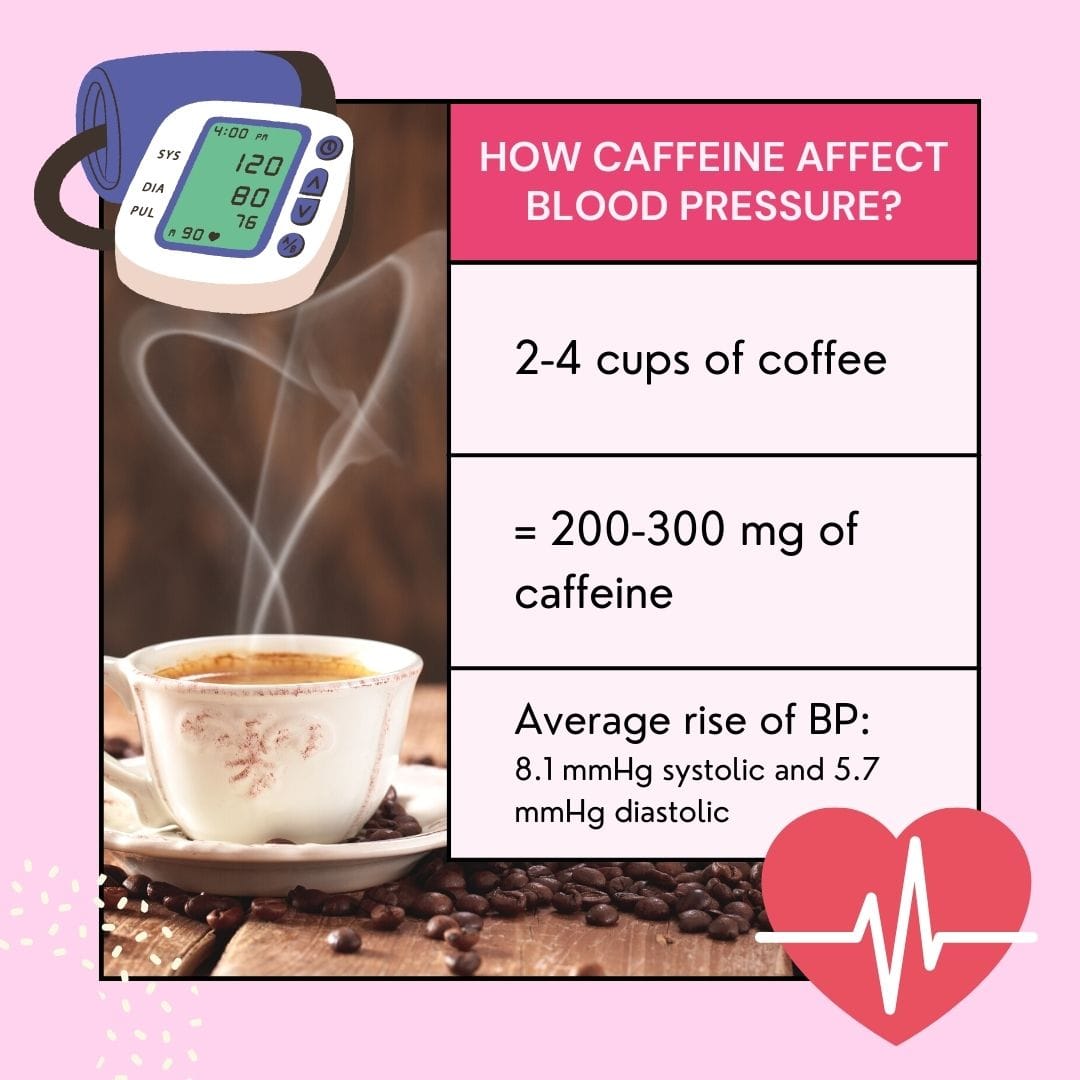
Caffeine raises blood pressure by an average of 8.1 mmHg systolic and 5.7 mmHg diastolic at a dose of 200-300 mg, equivalent to 2-3 cups of coffee, according to a meta-analysis by Arthur Eumann Mesas and colleagues published in the American Journal of Clinical Nutrition.
Blood pressure peaks approximately 45-60 minutes after caffeine consumption and remains elevated for 3-4 hours.
Caffeine produces this effect by blocking adenosine receptors, causing vasoconstriction, and stimulating adrenaline release.
People who do not regularly consume caffeine show the strongest blood pressure response, as habitual users develop partial tolerance over time.
Caffeine is present in coffee, tea, energy drinks, sodas, chocolate, guarana, and certain medications, each with a different concentration and a different net effect on blood pressure.
Several hundred studies support the finding that caffeine has a stimulatory effect and increases blood pressure in the majority of users.
Caffeine is found in a variety of common sources.
- Coffee
- Tea
- Soft drinks
- Energy drinks
- Certain medications
- Chocolate
Products like coffee and energy drinks tend to have higher caffeine content compared to others like chocolate.
Blood pressure response to caffeinated foods depends on factors like frequency and quantity of consumption, individual physiology, and gender.
Decaffeinated coffee and chocolate have relatively lower caffeine content, so their consumption may not have as strong an effect on blood pressure.
Caffeine content varies substantially across common beverages and foods, as shown in the table below.
| Source | Serving size | Caffeine (mg) |
|---|---|---|
| Brewed coffee | 240 ml (8 oz) | 80-100 |
| Espresso | 30 ml (1 shot) | 60-75 |
| Black tea | 240 ml (8 oz) | 40-70 |
| Green tea | 240 ml (8 oz) | 20-45 |
| Matcha | 240 ml (8 oz) | 60-80 |
| Energy drink | 240 ml (8 oz) | 80-150 |
| Cola soda | 355 ml (12 oz) | 30-50 |
| Dark chocolate | 30 g (1 oz) | 12-25 |
| Milk chocolate | 30 g (1 oz) | 3-10 |
| Decaffeinated coffee | 240 ml (8 oz) | 2-15 |
How much does caffeine raise blood pressure?
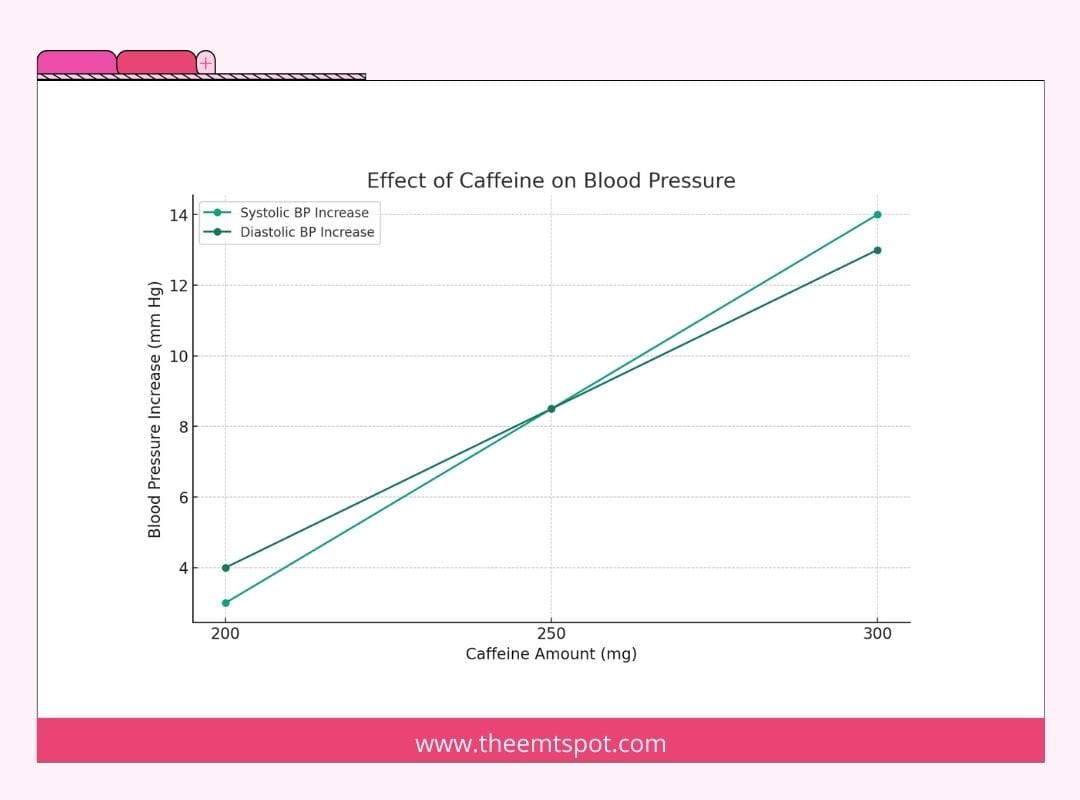
Consuming 200-300 mg of caffeine, roughly equivalent to 2-3 cups of coffee, can temporarily raise systolic blood pressure by 3-14 mmHg and diastolic blood pressure by 4-13 mmHg, according to a review published by Prof. Steven G. Chrysant in the Expert Review of Cardiovascular Therapy.
The table below shows how caffeine dose relates to blood pressure elevation and duration of effect.
| Caffeine dose | SBP increase (mmHg) | DBP increase (mmHg) | Duration |
|---|---|---|---|
| Under 100 mg (1 cup coffee) | 2-4 | 1-3 | 1-2 hours |
| 200-300 mg (2-3 cups coffee) | 3-14 | 4-13 | 3-4 hours |
| Over 400 mg (4+ cups coffee) | Up to 14+ | Up to 13+ | 4-6 hours |
Variations in response exist among different individuals.
The Mayo Clinic notes that this effect is particularly evident in people who are not regular caffeine consumers, indicating a sensitivity to caffeine’s effects.
Blood pressure elevation due to caffeine lasts about 3-4 hours, as reported by a team of researchers from South Dakota State University.
Regular consumers of caffeine may develop a tolerance, potentially diminishing these effects over time.
Individuals with hypertension or caffeine sensitivity should consult a doctor for personalized advice regarding caffeine intake and blood pressure management.
What are the potential long-term effects of caffeine on blood pressure?
Long-term caffeine effects on blood pressure are minimal in habitual users who develop tolerance, but may be more pronounced in individuals genetically predisposed to hypertension.
Habitual caffeine consumption may lead to a slight, persistent increase in blood pressure for some individuals.
Many habitual caffeine users develop a tolerance to its blood pressure-raising effects.
The relationship between long-term caffeine intake and the risk of developing hypertension is not entirely clear.
Some studies suggest a potential link, while others find no significant association.
This inconsistency may be due to genetic differences in caffeine metabolism, differences in individual responses to caffeine, and variations in study designs and methodologies.
A review by Prof. P J Green and colleagues found that acute increases in blood pressure due to caffeine are evident, but the long-term effects appear to be minimal.
Persons at risk for hypertension may be more vulnerable to the blood pressure effects of caffeine, and the full classification of blood pressure levels explains at which readings risk begins to increase.
Occasional caffeine consumption may not have a significant long-term effect, but regular intake could potentially exacerbate high blood pressure.
The extent to which caffeine influences blood pressure in hypertensive individuals over the long term is still being explored.
Individuals with or at risk for high blood pressure are often advised to monitor their caffeine intake and consult with healthcare professionals.
Monitoring is particularly important for those who experience noticeable increases in blood pressure following caffeine consumption.
More definitive guidelines on caffeine intake and its long-term effects on blood pressure may emerge as research continues to evolve.
Recommended daily caffeine limits differ by health status, as shown in the table below.
| Health group | Daily caffeine limit | Notes |
|---|---|---|
| Healthy adults | Up to 400 mg | FDA and EFSA recognized safe limit |
| Adults with hypertension | 200 mg or less | Monitor BP response individually; lower if sensitive |
| Pregnant women | Under 200 mg | WHO and NHS recommendation |
| Adults with heart arrhythmia | Consult physician | Caffeine may trigger palpitations in some individuals |
| Adults with chronic kidney disease | Under 200 mg | Impaired caffeine clearance prolongs cardiovascular effects |
Because coffee is one of the most common caffeinated beverages, it has a significant impact on blood pressure.
How does caffeine affect blood pressure in different health conditions?
Caffeine’s effect on blood pressure differs substantially depending on an individual’s health status, and the standard 400 mg daily limit recommended for healthy adults does not apply equally across all groups.
Caffeine and high blood pressure
Adults with diagnosed hypertension produce a stronger and more prolonged blood pressure response to caffeine than normotensive individuals, according to the meta-analysis by Mesas and colleagues in the American Journal of Clinical Nutrition.
A safe upper limit for most people with hypertension is 200 mg of caffeine per day, roughly equivalent to two 240 ml cups of brewed coffee.
Measuring blood pressure 30-60 minutes after caffeine consumption helps identify personal sensitivity and determine whether a lower limit is appropriate.
Caffeine and pregnancy
Pregnant women metabolize caffeine more slowly than non-pregnant adults, which prolongs its cardiovascular effects and increases fetal exposure.
The World Health Organization and the UK National Health Service recommend that pregnant women limit caffeine intake to under 200 mg per day from all sources, including coffee, tea, chocolate, and soft drinks.
Caffeine crosses the placenta and the fetal liver cannot metabolize it efficiently, making fetal blood pressure and heart rate directly affected by maternal caffeine consumption.
Caffeine and type 2 diabetes
Adults with type 2 diabetes show an amplified blood pressure response to caffeine compared to healthy controls, partly because insulin resistance affects vascular reactivity.
Regular coffee consumption at 3-4 cups per day has been associated with a reduced risk of developing type 2 diabetes in large cohort studies, suggesting that long-term habitual intake differs from the acute pressor response.
People with both hypertension and type 2 diabetes represent a high-risk group and should consult their physician to establish an individual caffeine limit.
Caffeine and chronic kidney disease
Chronic kidney disease reduces the rate at which the liver clears caffeine from the bloodstream, extending the duration of blood pressure elevation beyond the standard 3-4 hours seen in healthy adults.
Kidney disease patients with co-existing hypertension face a compounded risk, as uncontrolled blood pressure accelerates kidney function decline.
A daily limit of under 200 mg of caffeine is a reasonable starting point for adults with chronic kidney disease, subject to physician guidance based on current kidney function markers.
How does caffeine in coffee affect blood pressure?
Caffeine in coffee affects blood pressure through several mechanisms that target the nervous system to manipulate various signaling pathways, resulting in various effects experienced after consuming coffee.
A 2016 study published by a team of researchers from TM McLellan Research Inc., led by Dr. Tom M. McLellan, discusses the physical and mental impacts of caffeine and its application in occupational performance.
People who are sensitive to caffeine or have hypertension should be particularly cautious with their coffee consumption and may benefit from monitoring their blood pressure closely.
Tea is another common beverage, and its caffeine content also affects blood pressure.
How does caffeine in tea affect blood pressure?
Caffeine in tea can have varying effects on blood pressure.
Tea’s caffeine content is comparatively lower than coffee’s, resulting in a milder effect on blood pressure.
People who are not regular caffeine consumers may experience a noticeable rise in blood pressure from a few cups of tea.
Regular caffeine consumers may develop a tolerance, resulting in a less pronounced effect on blood pressure.
Tea is believed to have a positive effect on blood pressure overall.
A study titled “Effects and Mechanisms of Tea Regulating Blood Pressure: Evidence and Promises,” published in the journal Nutrients, highlights the positive impact of tea.
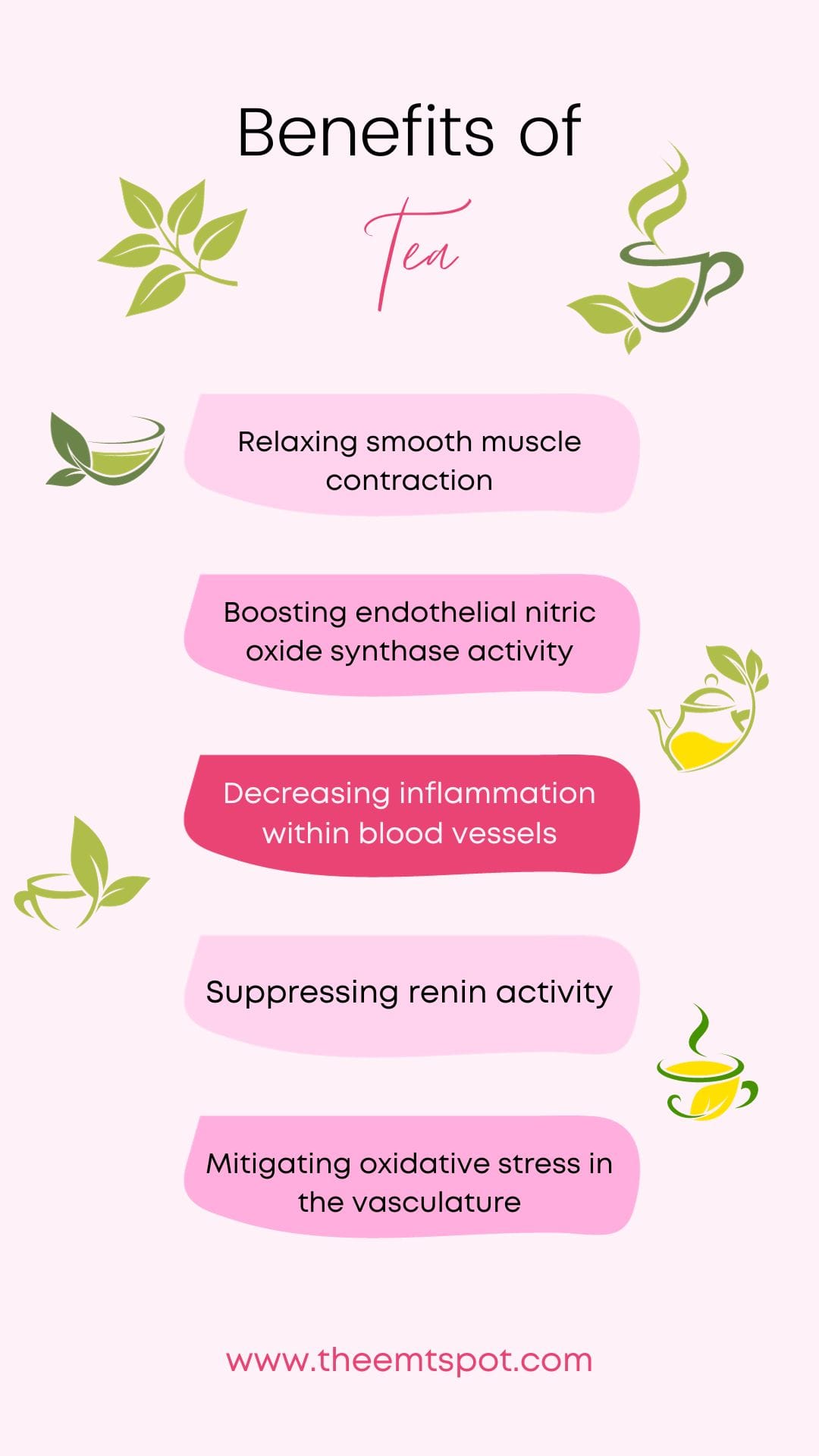
Tea and its secondary compounds have significant functions in relaxing smooth muscle contraction, boosting endothelial nitric oxide synthase activity, decreasing inflammation within blood vessels, suppressing renin activity, and mitigating oxidative stress in the vasculature.
Herbal teas, such as hibiscus or chamomile, are better options for those concerned about blood pressure, as they are naturally caffeine-free and have been linked to positive cardiovascular effects in some studies.
Teas high in caffeine, like black tea or matcha, may be less advisable for individuals with high blood pressure who are sensitive to caffeine.
Moderation and mindfulness of caffeine content are key for those on blood pressure medication who choose to drink tea.
Completely eliminating tea from one’s diet is not necessarily required for individuals with high blood pressure, unless advised by a healthcare professional.
Opting for low-caffeine or caffeine-free teas and monitoring personal responses to tea consumption can be a prudent approach to enjoying tea without adversely affecting blood pressure.
Tea’s cardiovascular profile is generally positive, but the same cannot be said for caffeinated sodas.
How does caffeine in soda affect blood pressure?
Caffeine is often added to sodas for flavor enhancement and its mild energizing effect.
Caffeine in sodas activates the nervous system, potentially leading to quicker heartbeats and constricted blood vessels.
A team of researchers from the University of Florida, in their publication in the Journal of Analytical Toxicology, compared various energy drinks and caffeinated sodas and observed that soda varieties usually contain 50 mg of caffeine.
Caffeine at this concentration is not inherently harmful, but the added sugar is considered unhealthy, and the total effect depends on the quantity consumed.
Caffeine-free options like root beer and lemon-lime sodas are better choices for blood pressure management.
Sodas high in caffeine, such as certain colas and energy drinks, may be less suitable for those monitoring blood pressure.
People taking blood pressure medications can usually consume soda in moderation, but the caffeine content warrants consideration due to potential interactions with medications.
Moderating intake, particularly of caffeine-rich soda varieties, is beneficial for those with high blood pressure.
Substituting soda with healthier drinks like water, herbal teas, or low-sodium vegetable juices is a positive step towards managing high blood pressure.
How does caffeine in chocolate affect blood pressure?
Caffeine in chocolate is a natural stimulant derived from cocoa beans, similar to the caffeine found in coffee and tea but usually present in smaller quantities.
The quantity of caffeine present in chocolate fluctuates depending on the variety and quantity of cocoa utilized during its manufacturing process.
Caffeine in chocolate stimulates the nervous system, which can lead to an increase in heart rate and a temporary rise in blood pressure.
The impact is more pronounced in individuals who have caffeine sensitivity or are not habitual caffeine consumers.
A meta-analysis conducted by Prof. Karin Ried and colleagues from the University of Adelaide, Australia, found that a higher cocoa content may actually help lower blood pressure in the short term due to its flavonoids, which have a blood pressure-lowering effect.
Flavonoids in high-cocoa chocolate can counteract caffeine’s blood pressure effect to some extent.
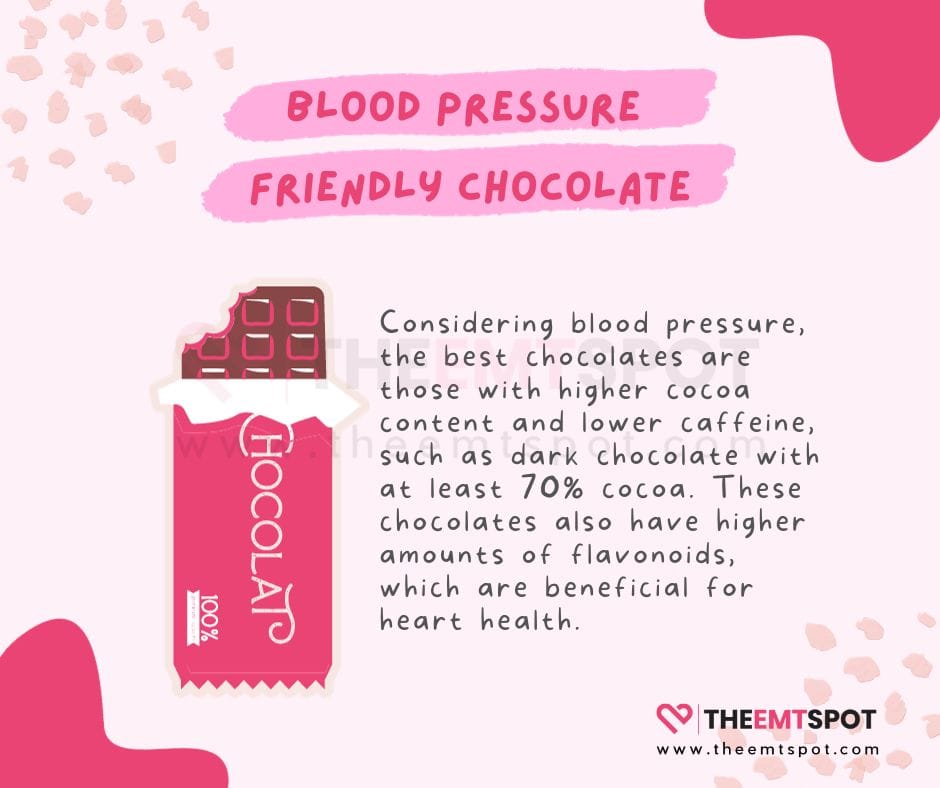
Dark chocolate with at least 70% cocoa is the best choice for those concerned about blood pressure, as it contains higher amounts of flavonoids beneficial for heart health.
Milk chocolate and chocolate products with high sugar content are the worst choices, as they have more caffeine and less of the beneficial flavonoids.
People on blood pressure medication can typically consume chocolate in moderation, but monitoring the type and quantity consumed is important, especially if the medication interacts with caffeine.
Completely eliminating chocolate from the diet is not necessarily required for individuals with high blood pressure.
Consuming moderate amounts of dark chocolate, which is lower in caffeine and higher in blood pressure-lowering flavonoids, can be part of a balanced diet.
Mindfulness of the quantity and type of chocolate consumed and maintaining an overall healthy lifestyle remain important.
Guarana is another plant-based product that has been widely used in circulatory supplements for blood pressure optimization.
How does caffeine in guarana affect blood pressure?
Caffeine in guarana is a natural stimulant found in the seeds of the Guarana plant, similar to the caffeine found in coffee, but guarana seeds contain about twice the concentration of caffeine as coffee beans.
Guarana’s caffeine causes an increase in blood pressure due to its stimulating effect on the nervous system.
This increase is generally temporary but can be more pronounced in individuals sensitive to caffeine or those not accustomed to consuming it.
A study published in Phytotherapy Research, conducted by a team of researchers from the Federal University of Santa Maria on an elderly Amazonian population that habitually consumed guarana, found a protective effect of guarana.
Regular guaraná consumption was associated with lower blood pressure and reduced prevalence of hypertension, obesity, and metabolic syndrome.
Guarana capsule supplements containing less than 400 mg of caffeine represent a regulated dosage option, staying within the generally recognized daily safe limit.
Guarana products containing added sugar or artificial sweeteners are the least advisable options for blood pressure health.
Energy drinks with 4-5 times the caffeine content of the safe daily limit should be avoided for safe blood pressure regulation.
For individuals on blood pressure medication, consuming guarana should be done cautiously due to its potential interaction with some medications.
Moderating guarana intake, particularly when it is high in caffeine, is recommended for those with high blood pressure.
Balancing overall diet and lifestyle factors is also crucial in managing hypertension.
How does caffeine in energy drinks affect blood pressure?
Caffeine is a major component of many energy drinks, and its capacity to stimulate the release of adrenaline results in increased heart rate and blood pressure.
The high dosage of caffeine in energy drinks has been a cause for concern among various researchers.
A recent study published in the Journal of the American Heart Association raised concerns about the impact of energy drinks on heart health and blood pressure.
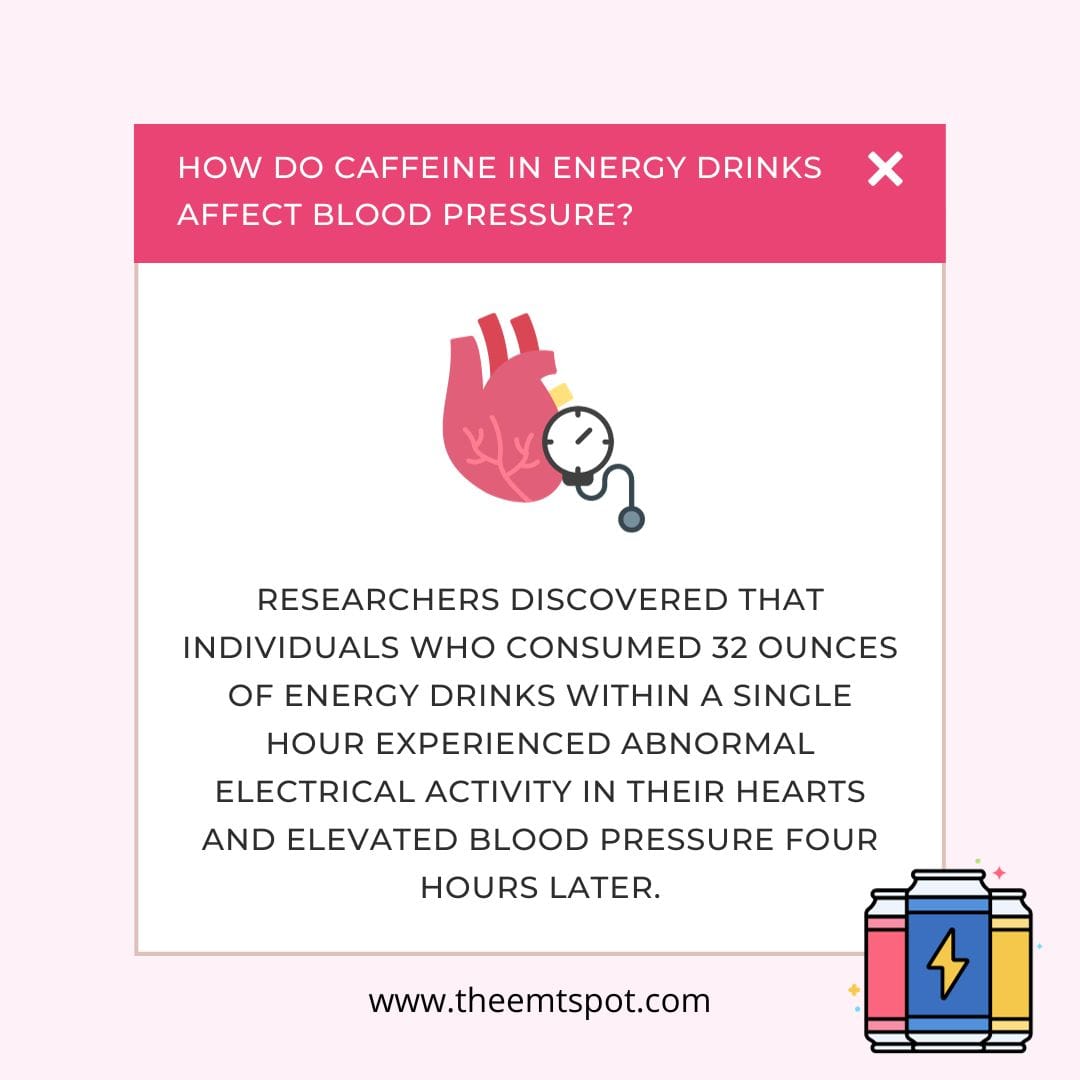
Researchers discovered that individuals who consumed 32 ounces of energy drinks within a single hour experienced abnormal electrical activity in their hearts and elevated blood pressure four hours later.
Lead author of the study, Sachin A. Shah, a professor of pharmacy practice at the University of the Pacific, underscored the significance of these findings.
He emphasized that the observed effects extended beyond what could be attributed to caffeine alone.
“We urgently need to investigate the particular ingredient or combination of ingredients in different types of energy drinks that might explain the findings seen in our clinical trial,” he stated.
Co-author Kate O’Dell, a professor of pharmacy and director of experiential programs at the University of the Pacific, emphasized that:
“Energy drinks are readily accessible and commonly consumed by a large number of teens and young adults, including college students.”
Beverages with lower caffeine content are the advisable choice for those monitoring blood pressure.
Drinks that contain certain B vitamins and electrolytes can be more favorable.
Beverages with added sweeteners and additional stimulants like guarana and taurine should be avoided if maintaining good blood pressure health is a priority.
Individuals on blood pressure medication should exercise caution when consuming energy drinks, as some medications may interact adversely with caffeine and the combined effect on heart rate and blood pressure can be unpredictable.
For those with high blood pressure, discontinuing the consumption of energy drinks is advisable, taking into consideration individual health status and findings from various studies.
Occasional moderate intake may be deemed safe for specific individuals, but avoiding energy drinks entirely reduces the potential risks associated with elevated blood pressure and heart rate.
What are the best alternatives to caffeine when you have high blood pressure?
Caffeine-free alternatives for people with high blood pressure include decaffeinated coffee processed without chemicals, herbal coffee blends such as Teeccino or Roma, and hibiscus tea.
Dr. Eric Berg DC, Director of Dr. Berg Nutritionals, notes that some people avoid caffeine because it triggers the adrenal glands and can affect sleep, weight loss, and various other aspects of health.
Decaffeinated coffee is not entirely caffeine-free, as it retains a small amount, typically 2-15 mg per cup, which can still impact blood pressure in hypertensive patients.
Dr. Berg advises consumers to opt for water-processed or Swiss water process decaffeinated coffee, preferably organic, to avoid the chemicals used in regular decaffeination processes.

Dr. Berg also recommends Teeccino, a caffeine-free blend made from chicory root, carob, barley, nuts, and cocoa, which is low in carbohydrates and sugar.
Another suggested substitute is Roma, a blend of roasted barley and chicory with rye, which is also caffeine-free and has a nutritional profile similar to Teeccino.
Dr. Berg emphasizes that these substitutes are completely suitable for those who want to avoid caffeine.
Stockton Cardiology Medical Group recommends tea as an excellent replacement for coffee and suggests hibiscus tea for those seeking blood pressure benefits.
What else can you do to keep blood pressure at a healthy level?
Managing blood pressure at a healthy level involves diet management, lifestyle changes, and managing mental health.
Once the hypertension threshold is crossed, blood pressure management typically requires blood pressure medications alongside lifestyle modifications.
The American Heart Association recommends the following practices to keep blood pressure under control.
| Change | Recommendation |
|---|---|
| Eat a balanced diet low in salt | Reduce sodium intake to improve heart health and lower high blood pressure. Limit sodium to 2,300 mg a day or less. Aim for a lower sodium intake of 1,500 mg a day or less. Focus on fresh fruits and vegetables, rich in potassium, which counteracts the effects of sodium. |
| Limit alcohol consumption | Consume alcohol in moderation: less than one drink a day for women, and two drinks a day for men. Excessive alcohol can raise blood pressure and interfere with medications. |
| Quit smoking | Smoking is proven to create cardiovascular disease. Quitting smoking can reduce both systolic and diastolic blood pressures in hypertensive patients. |
| Get adequate sleep | Aim for at least six hours of quality sleep each night. Maintain a consistent sleep schedule and create a restful sleep environment. |
| Reduce stress | Prolonged stress leads to high blood pressure. Identify stressors and practice stress reduction techniques, such as relaxation exercises and engaging in hobbies. |
| Regular physical activity | Engage in regular exercise to help lower blood pressure. Maintain a healthy weight. |
| Monitor blood pressure | Keep track of blood pressure readings at home. Periodic cardiovascular checkups are also recommended. |
| Get support | Build a support system to encourage adherence to healthy habits. Seek emotional support from friends and family. Consider joining a support group for practical tips on managing high blood pressure. |
Among these lifestyle changes, dietary approaches to lower blood pressure, particularly reducing sodium and increasing potassium intake, produce the most consistent results in clinical studies.
How to monitor blood pressure at home?
Specific devices called at-home blood pressure monitors can be used to perform cardiovascular assessments at home, especially for those with high blood pressure or risk factors for heart disease and stroke.
Home monitoring can provide valuable information about day-to-day cardiovascular health, help manage high blood pressure more effectively, and determine whether treatments are working.
Upper arm automatic blood pressure monitors are generally considered the most accurate option for home use, provided the measurement follows the correct technique, and a consistent accurate blood pressure reading requires five minutes of rest, proper cuff placement, and two measurements taken one minute apart.
Frequently Asked Questions
Caffeine raises blood pressure by an average of 8.1 mmHg systolic and 5.7 mmHg diastolic at a dose of 200-300 mg, according to a meta-analysis by Mesas and colleagues published in the American Journal of Clinical Nutrition.
Blood pressure peaks approximately 45-60 minutes after caffeine consumption and returns to baseline within 3-4 hours.
Adults with hypertension are generally advised to limit caffeine intake to 200 mg per day or less, roughly equivalent to 2 cups of brewed coffee.
Individual sensitivity varies, and some people with high blood pressure experience measurable BP increases even below this threshold.
Caffeine elevates blood pressure for approximately 3-4 hours after consumption in most individuals.
Habitual caffeine users who have developed tolerance may experience a shorter and smaller rise compared to infrequent consumers.
Decaffeinated coffee retains 2-15 mg of caffeine per cup, a dose low enough to have a negligible effect on blood pressure in most people.
People with severe hypertension or very high caffeine sensitivity may still notice a mild response to decaffeinated coffee.
Dark chocolate with at least 70% cocoa contains flavonoids that can lower blood pressure by 5 mmHg systolic in hypertensive individuals, according to a meta-analysis by Ried and colleagues from the University of Adelaide.
The blood pressure-lowering effect of flavonoids in dark chocolate can outweigh the mild pressor effect of its low caffeine content, approximately 12-25 mg per 30 g serving.
Energy drinks can raise blood pressure beyond what caffeine alone explains, as shown in a study published in the Journal of the American Heart Association, where 32 ounces consumed within one hour produced abnormal cardiac electrical activity and elevated blood pressure four hours later.
Additional stimulants in energy drinks, including taurine, guarana, and high-dose B vitamins, likely contribute to this amplified cardiovascular response.
Tea’s net effect on blood pressure is generally neutral to beneficial, despite containing 20-70 mg of caffeine per cup, because its polyphenols relax smooth muscle, boost endothelial nitric oxide synthase activity, and suppress renin activity.
Herbal teas such as hibiscus are caffeine-free and have demonstrated blood pressure-lowering effects in multiple clinical studies.