Blood pressure is the force exerted by circulating blood against the walls of the arteries, measured in millimeters of mercury (mmHg) and expressed as two numbers: systolic pressure over diastolic pressure.
Systolic pressure is the higher number and records the peak force generated when the heart contracts.
Diastolic pressure is the lower number and records the minimum force present when the heart relaxes between beats.
Blood pressure is one of the four vital signs used in clinical assessment, alongside heart rate, respiratory rate, and body temperature.
Sustained deviation from the normal range in either direction carries independent cardiovascular risk.
What Is Blood Pressure?
Blood pressure is the hemodynamic force produced by the heart’s contraction against the resistance of the arterial system.
The left ventricle generates this force by ejecting approximately 60 to 100 milliliters of blood per beat into the aorta.
The arterial walls absorb part of this force through their elastic properties.
Healthy, compliant arteries buffer the pressure wave, keeping the gap between systolic and diastolic values within the normal pulse pressure range of 40 to 60 mmHg.
Blood pressure fluctuates continuously throughout the day in response to physical activity, emotional stress, posture, hydration, sleep, and medication.
A single measurement does not establish a diagnosis.
The American Heart Association recommends averaging readings taken on at least two separate occasions before classifying blood pressure status.
For a full breakdown of every blood pressure category with clinical thresholds and example readings, see the blood pressure chart.
What Are The Blood Pressure Ranges?
The American Heart Association classifies blood pressure into seven categories based on the combination of systolic and diastolic values.
Each category carries a different cardiovascular risk level and requires a different clinical response.
- Severe hypotension is defined as readings below 80/50 mmHg.
- Hypotension covers readings from 80/50 to 90/60 mmHg.
- Normal blood pressure falls between 91/61 and 119/79 mmHg.
- Elevated blood pressure ranges from 120/80 to 129/79 mmHg.
- Stage 1 hypertension covers 130/80 to 139/89 mmHg.
- Stage 2 hypertension ranges from 140/90 to 180/120 mmHg.
- Hypertensive crisis occurs above 180/120 mmHg.
Some readings display abnormal values in only one number while the other remains within the normal range.
Isolated systolic hypertension (ISH), isolated diastolic hypertension (IDH), and isolated diastolic hypotension (IDA) are classified separately from the seven standard categories and carry distinct clinical implications.
For a searchable index of specific readings with individual clinical explanations, see the blood pressure readings guide.
What Causes High Blood Pressure (Hypertension)?
Hypertension is defined as blood pressure consistently at or above 130/80 mmHg under current AHA/ACC guidelines.
The World Health Organization estimated in 2023 that approximately 1.28 billion adults worldwide live with hypertension, making it the most prevalent modifiable cardiovascular risk factor globally.
Primary hypertension accounts for 90 to 95% of all cases and develops without a single identifiable cause.
Secondary hypertension accounts for the remaining 5 to 10% and arises from a specific underlying condition, most commonly chronic kidney disease, primary aldosteronism, or obstructive sleep apnea.
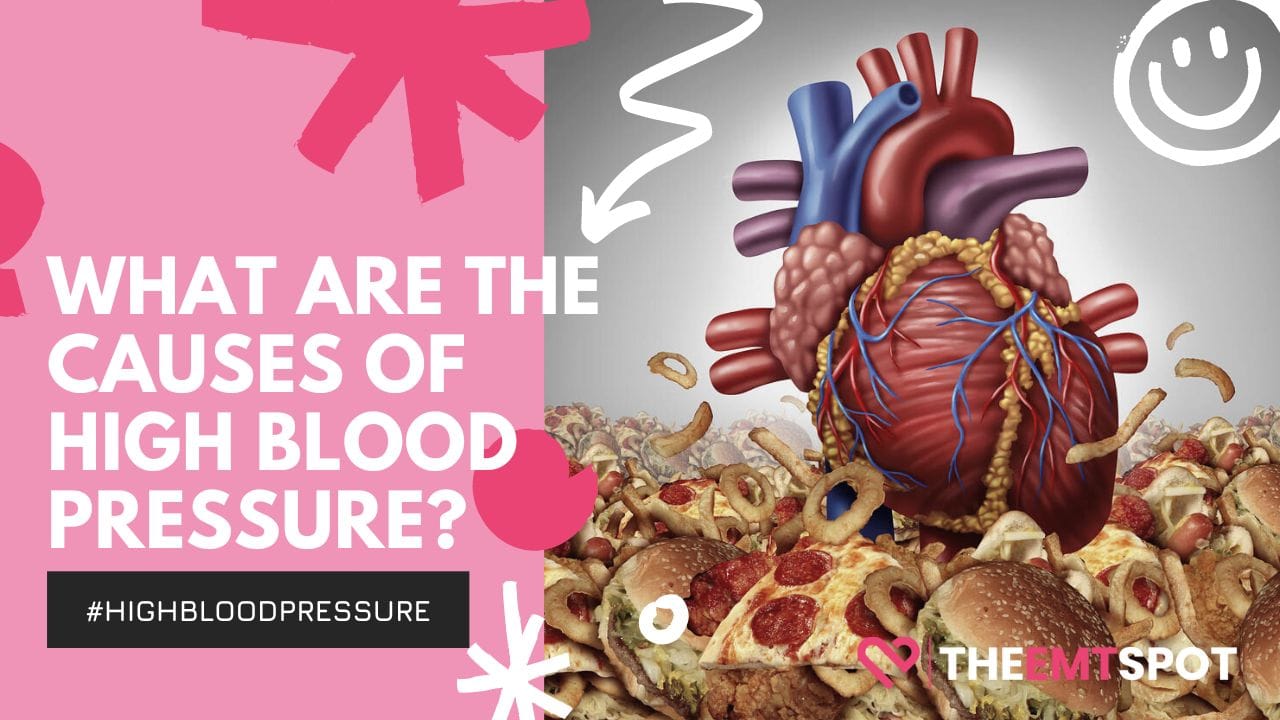
The principal modifiable risk factors for primary hypertension are high dietary sodium intake, physical inactivity, excess body weight, excessive alcohol consumption, and chronic psychological stress.
Non-modifiable risk factors include advancing age, family history, and male sex before age 55.
Hypertension produces no symptoms in the majority of affected individuals, which is why consistent monitoring remains the only reliable method of early detection.
Untreated hypertension progressively damages the arterial walls, heart, kidneys, and cerebral vasculature over years before producing clinical events.
For a complete guide to hypertension mechanisms, risk factors, stages, and treatment options, see the hypertension guide.



What Causes Low Blood Pressure (Hypotension)?
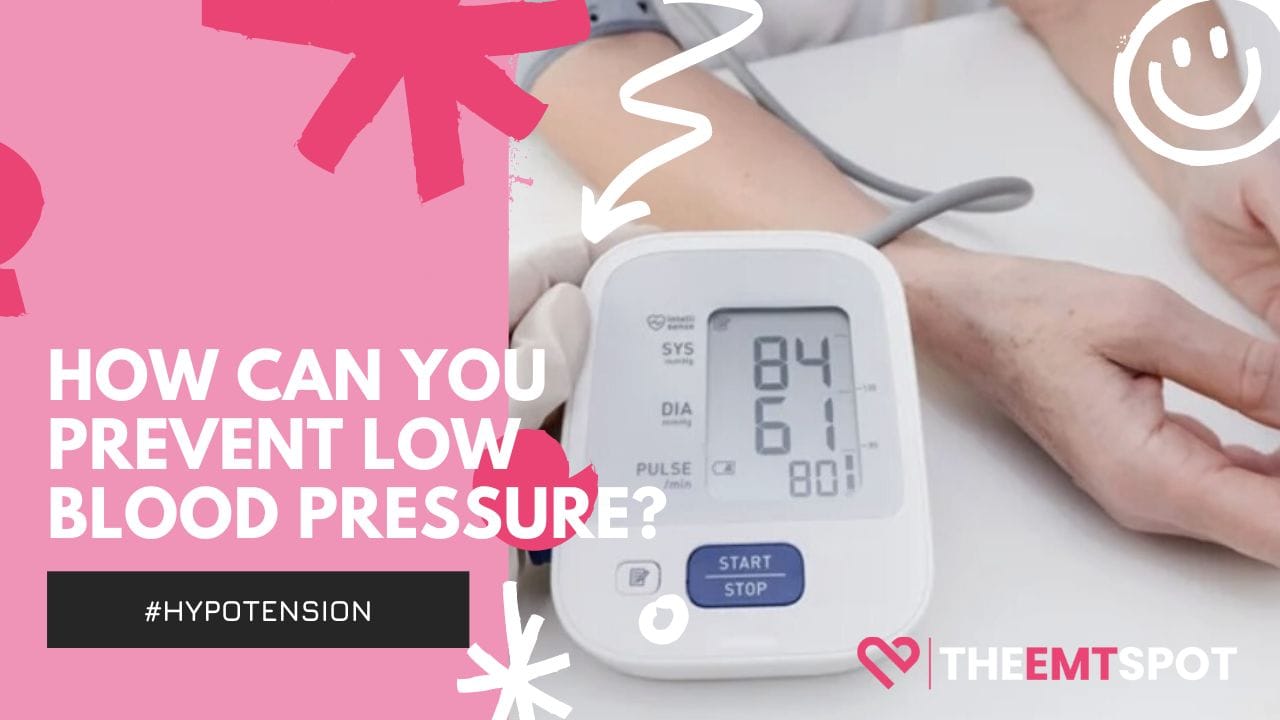
Hypotension is defined as blood pressure below 90/60 mmHg.
Hypotension is not classified as a disease state in the absence of symptoms, because many individuals with low readings maintain adequate organ perfusion and experience no adverse effects.
Orthostatic hypotension describes a drop in systolic pressure of at least 20 mmHg, or diastolic pressure of at least 10 mmHg, within three minutes of standing from a lying or seated position.
Neurally mediated hypotension occurs when the autonomic nervous system fails to maintain vascular tone during prolonged standing.
Severe hypotension below 80/50 mmHg represents a medical emergency regardless of symptom status.
Dehydration, blood loss, prolonged bed rest, certain medications (diuretics, beta-blockers, antidepressants), endocrine disorders, and autonomic neuropathy are the most frequent causes of clinically significant hypotension.
For a full clinical breakdown of hypotension types, diagnostic criteria, causes, and management, see the hypotension guide.



How Is Blood Pressure Measured?
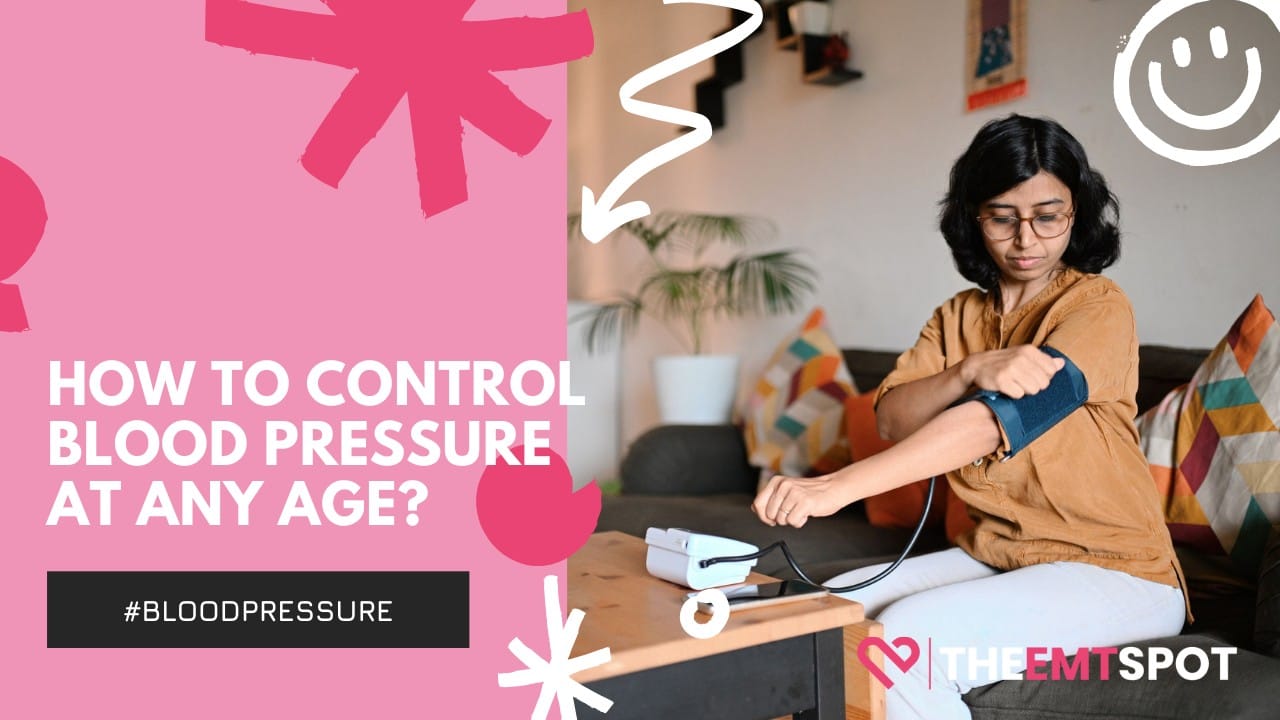
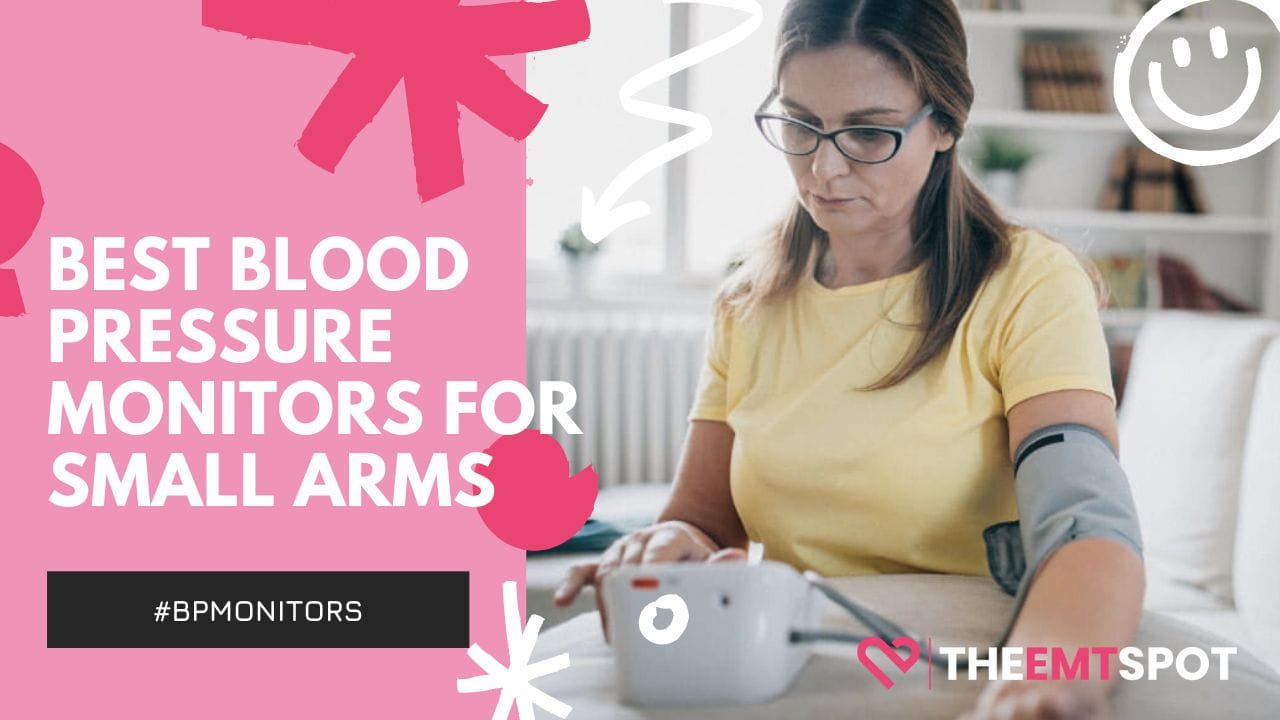
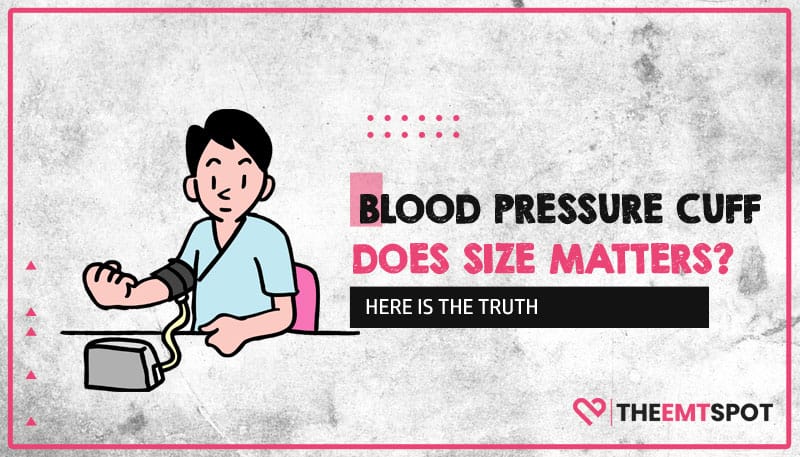
Blood pressure is measured using a sphygmomanometer, which consists of an inflatable cuff connected to a pressure gauge.
The cuff is positioned on the upper arm at heart level and inflated to occlude the brachial artery.
As the cuff deflates, the device records the pressure at which arterial blood flow resumes (systolic) and the pressure at which it flows freely again (diastolic).
The AHA measurement protocol specifies five minutes of seated rest before the first reading, two readings taken one minute apart, and averaging the results.
Morning and evening measurements taken over seven consecutive days provide the most clinically reliable home blood pressure profile.
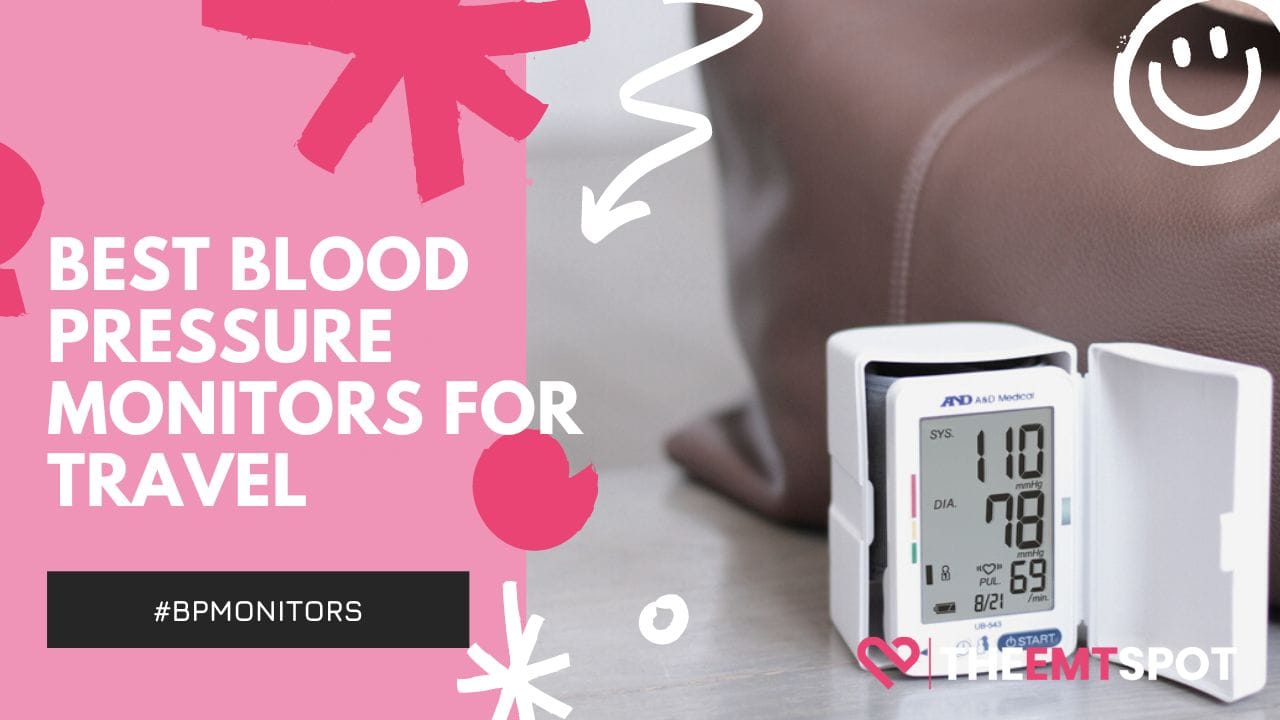
Wrist monitors and cuffless wearable devices produce less accurate results than validated upper-arm cuffs and are not recommended for clinical decision-making by current guidelines.
For a step-by-step measurement protocol and a guide to avoiding the most common measurement errors, see the how to take blood pressure guide.
How To Lower Blood Pressure
Blood pressure reduction at the elevated and Stage 1 range relies primarily on lifestyle modification.
Pharmacological treatment is added at Stage 1 when cardiovascular risk is high, and is standard at Stage 2.
Sodium restriction to below 1,500 mg per day reduces systolic blood pressure by 5 to 6 mmHg on average.
The DASH dietary pattern reduces systolic blood pressure by 8 to 14 mmHg in hypertensive individuals.
Regular aerobic exercise of 150 minutes per week reduces systolic blood pressure by 4 to 9 mmHg.
Each kilogram of body weight lost produces approximately 1 mmHg of systolic blood pressure reduction.
Reducing alcohol to moderate intake reduces systolic blood pressure by 2 to 4 mmHg.
Combining multiple interventions produces additive effects, and adults with Stage 1 hypertension who implement all five changes simultaneously can achieve reductions equivalent to a single antihypertensive medication.
For a full implementation guide with specific targets and timelines for each intervention, see the how to lower blood pressure guide.










Blood Pressure Medications
Antihypertensive medications are classified into nine drug classes, each acting on a different component of the blood pressure regulation system.
Clinicians select drug class based on the patient’s comorbidities, the mechanism driving the hypertension, and the target organ protection profile required.
- Diuretics reduce blood pressure by decreasing circulating blood volume through increased renal sodium and water excretion.
- ACE inhibitors block the conversion of angiotensin I to angiotensin II, reducing vasoconstriction and aldosterone secretion.
- Angiotensin II receptor blockers (ARBs) block the angiotensin II receptor directly, producing similar effects to ACE inhibitors with a lower incidence of dry cough.
- Calcium channel blockers prevent calcium entry into vascular smooth muscle cells, reducing peripheral vascular resistance and arterial stiffness.
- Beta-blockers reduce heart rate and cardiac output by blocking adrenergic receptors on the heart.
- Alpha-blockers reduce peripheral vascular resistance by blocking alpha-1 receptors on vascular smooth muscle.
- Alpha-beta-blockers combine both mechanisms in a single agent.
- Central agonists reduce sympathetic outflow from the brain stem, lowering heart rate and peripheral resistance.
- Vasodilators act directly on arterial smooth muscle to widen vessel diameter and reduce resistance.
Most patients with Stage 2 hypertension require two or more agents from different classes to achieve the target blood pressure below 130/80 mmHg.
For a complete guide to each drug class with mechanisms, indications, contraindications, and common side effects, see the blood pressure medications guide.

Blood Pressure Monitors
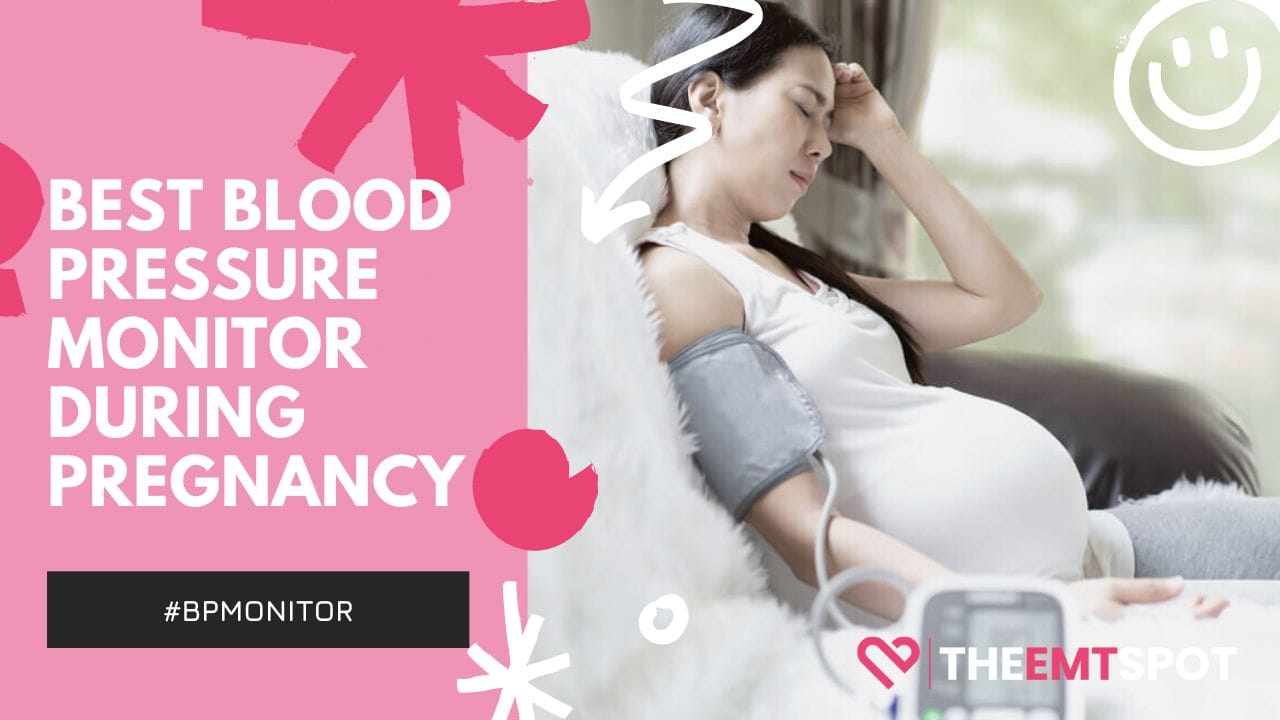
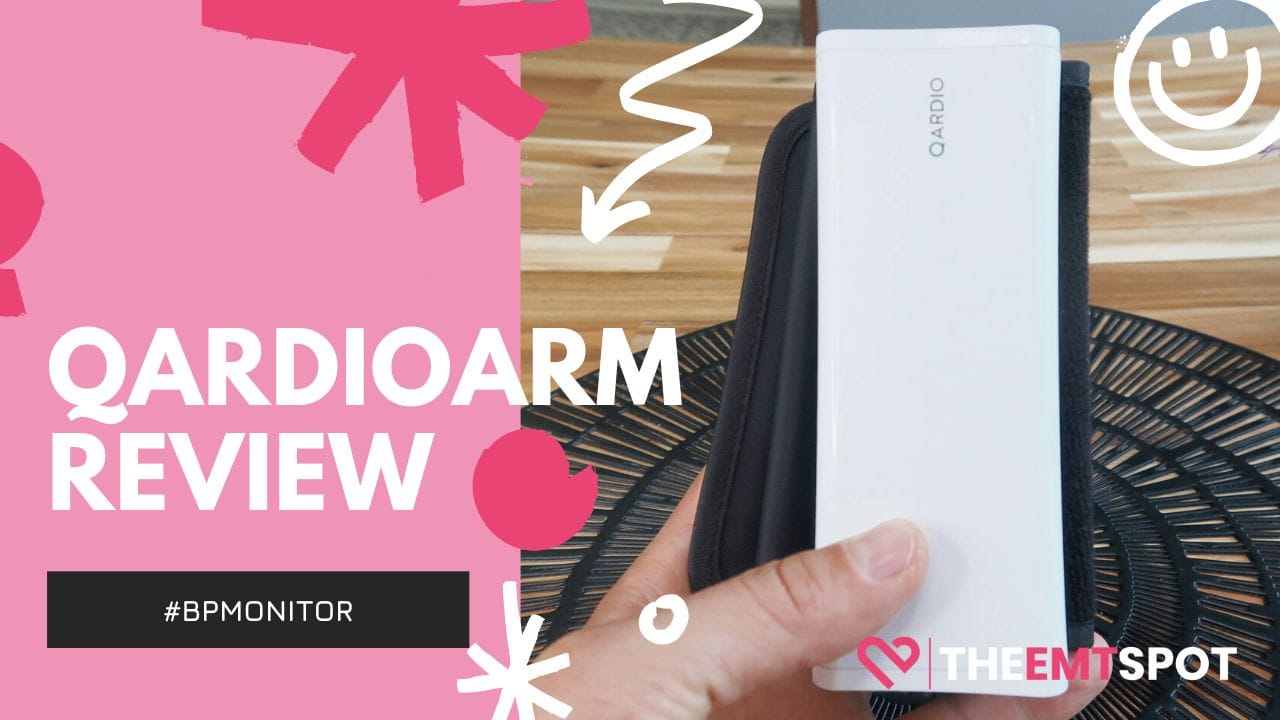
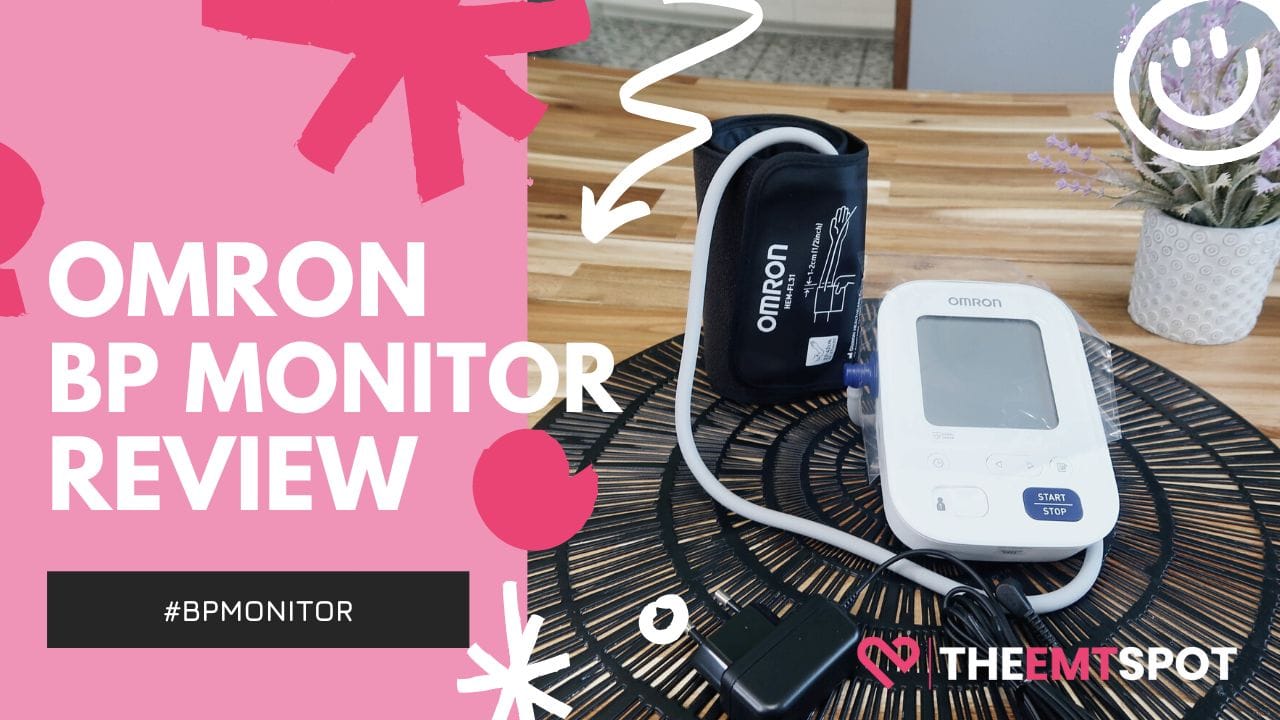
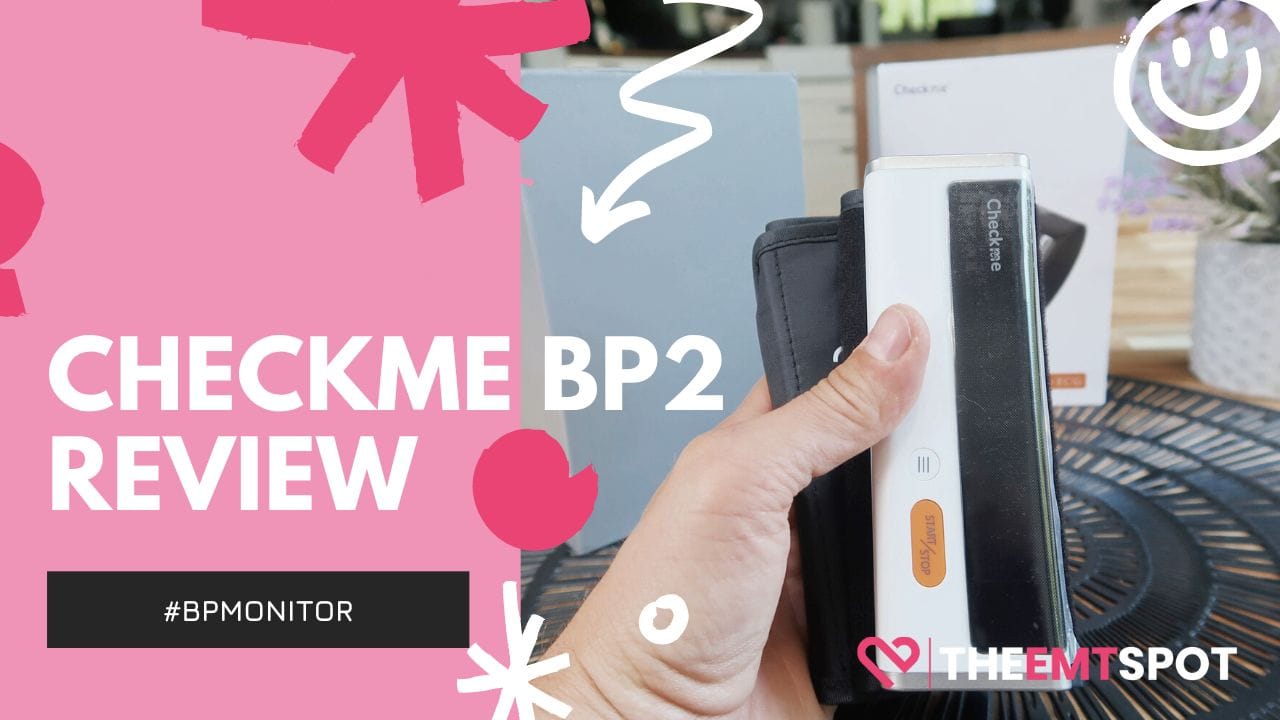
Home blood pressure monitors use the oscillometric method, which detects pressure oscillations in the arterial wall as the cuff deflates and converts them into systolic and diastolic readings electronically.
Clinical validation by independent bodies such as ESH, AHA, or Stride BP confirms that a device’s readings fall within 5 mmHg of mercury sphygmomanometer readings across a range of arm sizes and blood pressure levels.
Only validated devices should be used for clinical decision-making.
- Upper arm monitors provide more accurate results than wrist monitors because the brachial artery is a larger vessel closer to heart level.
- Wrist monitors are more sensitive to positioning errors.
- Cuffless devices, including smartwatches and optical sensors, have not yet met validation standards for clinical blood pressure measurement under current guidelines.
For a comparison of validated upper-arm monitors by accuracy, features, connectivity, and price, see the blood pressure monitors guide.








Blood Pressure And Diet
Diet modifies blood pressure through its effects on vascular tone, arterial compliance, circulating blood volume, and the renin-angiotensin-aldosterone system.
The DASH (Dietary Approaches to Stop Hypertension) dietary pattern is the most extensively studied dietary intervention for blood pressure reduction.
A diet emphasizing vegetables, fruits, whole grains, low-fat dairy, and lean protein while limiting saturated fat, sodium, and added sugars reduces systolic blood pressure by 8 to 14 mmHg in hypertensive individuals.
Sodium intake above 2,300 mg per day is the strongest single dietary driver of elevated blood pressure in sodium-sensitive individuals, who represent approximately 50% of people with hypertension.
Potassium counteracts sodium’s pressor effect by promoting renal sodium excretion.
Adults consuming 3,500 to 5,000 mg of potassium per day through food sources consistently show lower blood pressure than those consuming less.
Alcohol raises blood pressure through sympathetic nervous system activation and cortisol release.
More than two standard drinks per day produces a dose-dependent increase in systolic pressure averaging 1 mmHg per drink beyond the moderate threshold.
Caffeine produces an acute blood pressure rise of 3 to 10 mmHg lasting 30 to 60 minutes, but chronic consumption is not associated with sustained hypertension in most individuals due to tolerance development.
For an evidence-based guide to the DASH diet with meal examples and sodium targets, see the blood pressure diet guide.
For the specific effects of alcohol on blood pressure, see the alcohol and blood pressure guide.
For the specific effects of caffeine on blood pressure, see the caffeine and blood pressure guide.







Blood Pressure Dietary Supplements
Dietary supplements marketed for blood pressure support contain ingredients such as magnesium, potassium, coenzyme Q10, berberine, and aged garlic extract.
Clinical evidence for these ingredients varies in quality and effect size.
None replace antihypertensive medications prescribed for diagnosed hypertension.
For an overview of the most studied ingredients with dosage and evidence summary, see the best supplements for blood pressure guide.
Individual supplement reviews:
- Blood Pressure 911 Review
- Circula BP Review
- Revive Blood Pressure RX Review
- Arterin Review
- Blood Pressure Support Review
- Blood Pressure Optimizer Review
Blood Pressure: Special Topics
Mean arterial pressure (MAP) is the average pressure throughout the cardiac cycle, calculated as diastolic pressure plus one-third of pulse pressure.
MAP below 65 mmHg indicates inadequate organ perfusion pressure regardless of individual systolic or diastolic values.
For a full explanation of MAP calculation and clinical thresholds, see the mean arterial pressure guide.
Pulse pressure is the numerical difference between systolic and diastolic blood pressure, with a normal range of 40 to 60 mmHg.
Wide pulse pressure above 60 mmHg independently predicts coronary artery disease risk.
For a complete guide to pulse pressure interpretation and cardiovascular risk, see the pulse pressure guide.
Preeclampsia is a hypertensive disorder of pregnancy defined as new-onset blood pressure at or above 140/90 mmHg after 20 weeks of gestation, accompanied by proteinuria or end-organ dysfunction.
Preeclampsia affects 2 to 8% of pregnancies worldwide and represents a leading cause of maternal and perinatal morbidity.
For a full clinical overview of types, symptoms, causes, and treatment, see the preeclampsia guide.
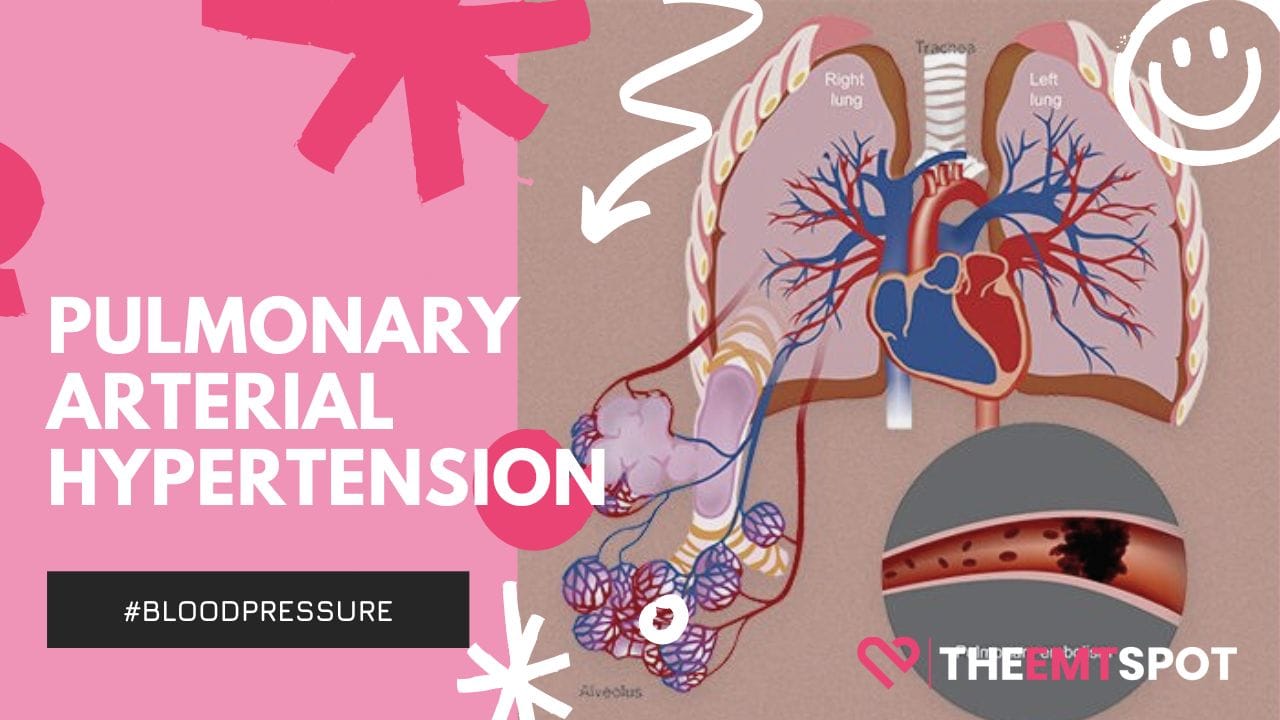
Pulmonary hypertension is defined as mean pulmonary arterial pressure above 20 mmHg at rest, measured by right heart catheterization.
Pulmonary hypertension affects the pulmonary circulation rather than the systemic arterial system and is classified separately from all forms of systemic hypertension.
For a full overview of pulmonary hypertension types, causes, and treatment options, see the pulmonary hypertension guide.