
Blood Pressure Checker

Enter your reading and get an instant explanation

Systolic (top) Diastolic (bottom)
/

mmHg – per AHA 2023 guidelines

BP categories (AHA)

Severe
<70/40
Hypo­tension
70–89
Normal
90–119
Elevated
120–129
Stage 1
130–139
Stage 2
140–179
Crisis
≥180/120

This tool is for informational purposes only and does not replace professional medical advice. Always consult a qualified healthcare provider for diagnosis and treatment.

Blood Pressure: Understand, Measure, and Manage Your Readings

Blood pressure values between 90/60 and 120/80 mmHg indicate a normal cardiovascular state. TheEMTSpot provides clinical reference charts, category-by-category reading guides, and interactive tools to help you interpret systolic and diastolic values accurately.

Written and reviewed by cardiovascular specialists

Every article on TheEMTSpot is authored or reviewed by a licensed clinician with direct experience in emergency and cardiovascular medicine.

samuel harrison

Samuel Harrison, MD

Dr. Harrison leads TheEMTSpot and brings clinical expertise in cardiovascular medicine with a focus on preventive heart care and patient education.

years practice
articles
Michael Rotman

Michael Rotman, MD

Interventional Cardiologist at St. Michael’s Hospital, Toronto. Over a decade treating structural heart disease. Supervises clinical accuracy of all content on the site.

years in cardiology
studies reviewed
olivia harper

Olivia Harper, RD

Registered Dietitian specializing in cardiovascular nutrition. Provides evidence-based dietary guidance for blood pressure management and heart-healthy lifestyle content.
years practice
articles
bp chart main photo

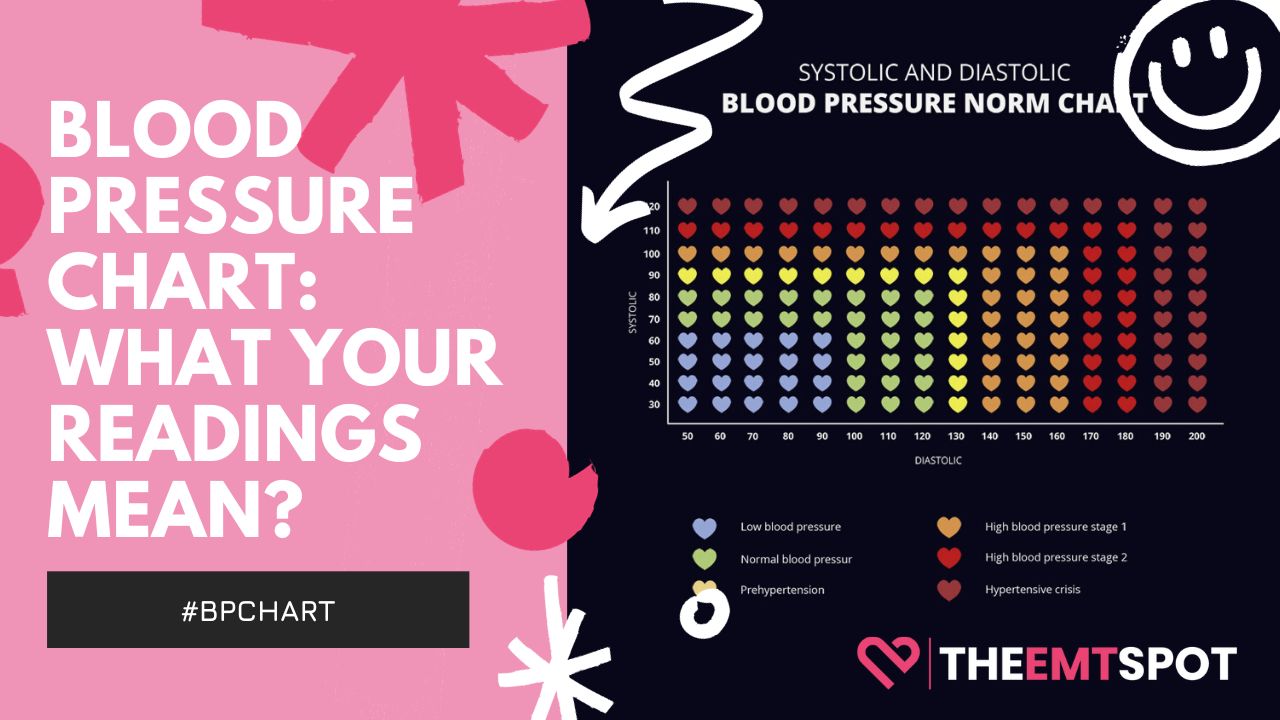
Blood Pressure Chart: What Your Reading Mean? Low, Normal, Elevated, and High

Blood pressure may change due to many factors, such as age and activity level. Learn how to monitor blood pressure with this complete blood pressure chart guide.

Why You Should Understand Your Blood Pressure Reading?

Unlike other diseases, anything involving your heart needs an instant resolution because it may sometimes be between life and death. Here are four reasons you should be able to assess your own blood pressure score.

Blood pressure predicts cardiovascular mortality risk

Blood pressure is a direct indicator of your heart health, and even in some cases, it could even predict your life expectancy.


Hypertension and hypotension both indicate circulatory dysfunction

Too low blood pressure and too high blood pressure mean your life is in danger and needs immediate medical assistance.


Blood pressure values fluctuate by 20-30 mmHg throughout a single day

There is nothing like a perfect score because it may vary between low and high in a single day. Therefore you need to know what these values are translated into.

Blood Pressure Categories

AHA 2023 guidelines. Click any row to expand.

Category Systolic Diastolic Recommended action
Severe hypotensionDangerously low
< 70
mmHg
< 40
mmHg
Seek emergency care immediately
Severe hypotension. Emergency.At this level blood flow to vital organs is critically reduced. Causes include severe hemorrhage, septic shock, anaphylaxis, or cardiac failure. Call emergency services immediately.
HypotensionLow blood pressure
70 – 89
mmHg
40 – 59
mmHg
Consult a doctor if symptomatic
Hypotension. Low blood pressure.Systolic below 90 mmHg or diastolic below 60 mmHg. Common symptoms include dizziness, fainting, blurred vision, and fatigue. Consult your doctor if symptoms occur regularly.
NormalHealthy range
< 120
mmHg
< 80
mmHg
Maintain healthy lifestyle
Normal blood pressure.The heart pumps efficiently. Follow a low-sodium diet (under 2,300 mg/day), exercise 150 minutes per week at moderate intensity, avoid smoking, and limit alcohol. Recheck annually.
ElevatedPre-hypertension risk
120 – 129
mmHg
< 80
mmHg
Lifestyle changes recommended
Elevated blood pressure.Systolic 120 to 129 with diastolic below 80. Without lifestyle changes this level progresses to Stage 1 hypertension in most patients within a few years. Reduce sodium, increase activity, manage weight, and limit alcohol.
Stage 1 hypertensionHigh blood pressure
130 – 139
mmHg
80 – 89
mmHg
Doctor consultation advised
Stage 1 hypertension.Systolic 130 to 139 or diastolic 80 to 89 mmHg. Lifestyle changes are the first-line intervention. Medication may be prescribed if 10-year ASCVD risk exceeds 10%.
Stage 2 hypertensionHigh blood pressure
≥ 140
mmHg
≥ 90
mmHg
Medical treatment required
Stage 2 hypertension.Systolic at or above 140 or diastolic at or above 90 mmHg. A combination of lifestyle changes and medication is typically required. Do not delay consulting your physician.
Hypertensive crisisEmergency
≥ 180
mmHg
≥ 120
mmHg
Call emergency services now
Hypertensive crisis. Seek emergency care immediately.At or above 180/120 mmHg the risk of stroke, heart attack, and organ damage is severe and immediate. Call emergency services. Do not attempt to lower blood pressure yourself without physician guidance.
Severe hypotensionDangerously low
Systolic< 70 mmHg
Diastolic< 40 mmHg
Seek emergency care immediately
Severe hypotension. Emergency.Blood flow to vital organs is critically reduced. Causes include hemorrhage, septic shock, anaphylaxis, or cardiac failure. Call emergency services immediately.
HypotensionLow blood pressure
Systolic70 – 89 mmHg
Diastolic40 – 59 mmHg
Consult a doctor if symptomatic
Hypotension. Low blood pressure.Systolic below 90 mmHg or diastolic below 60 mmHg. Common symptoms: dizziness, fainting, blurred vision, fatigue. Consult your doctor if symptoms occur regularly.
NormalHealthy range
Systolic< 120 mmHg
Diastolic< 80 mmHg
Maintain healthy lifestyle
Normal blood pressure.The heart pumps efficiently. Maintain a low-sodium diet (under 2,300 mg/day), exercise 150 minutes per week, avoid smoking, and limit alcohol. Recheck annually.
ElevatedPre-hypertension risk
Systolic120 – 129 mmHg
Diastolic< 80 mmHg
Lifestyle changes recommended
Elevated blood pressure.Systolic 120 to 129 with diastolic below 80. Without intervention this level progresses to Stage 1 hypertension within a few years. Reduce sodium, increase activity, manage weight.
Stage 1 hypertensionHigh blood pressure
Systolic130 – 139 mmHg
Diastolic80 – 89 mmHg
Doctor consultation advised
Stage 1 hypertension.Systolic 130 to 139 or diastolic 80 to 89 mmHg. Lifestyle changes are the first-line intervention. Medication may be prescribed depending on overall cardiovascular risk.
Stage 2 hypertensionHigh blood pressure
Systolic≥ 140 mmHg
Diastolic≥ 90 mmHg
Medical treatment required
Stage 2 hypertension.Systolic at or above 140 or diastolic at or above 90 mmHg. A combination of lifestyle changes and medication is typically required. Do not delay consulting your physician.
Hypertensive crisisEmergency
Systolic≥ 180 mmHg
Diastolic≥ 120 mmHg
Call emergency services now
Hypertensive crisis. Seek emergency care immediately.At or above 180/120 mmHg the risk of stroke, heart attack, and organ damage is severe and immediate. Call emergency services. Do not attempt to lower blood pressure yourself without physician guidance.

Most Common Blood Pressure Readings

The readings below represent the most frequently searched blood pressure values, each explained with its AHA category, symptoms, and recommended action.

Blood Pressure Basics

The articles below cover the core topics of blood pressure – from understanding your reading to managing hypertension and hypotension at home.
diastolic and systolic bp photo

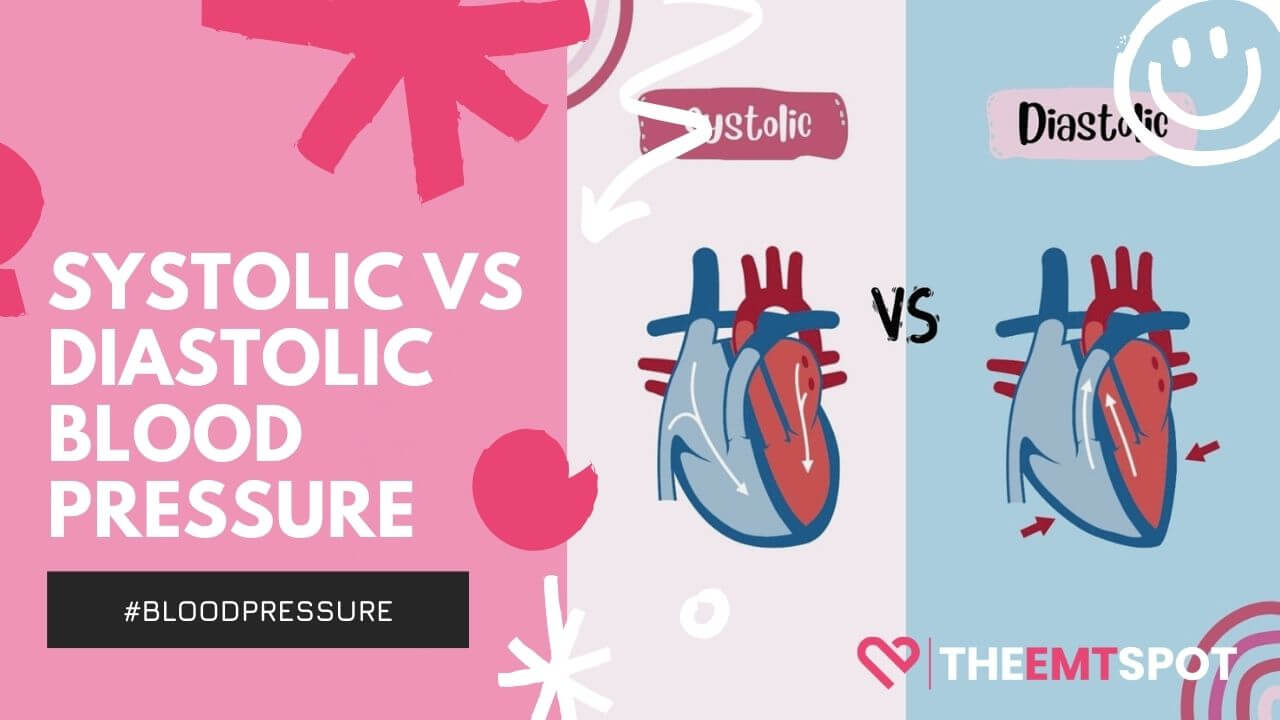
Systolic vs Diastolic Blood Pressure

Explore the critical roles of systolic and diastolic blood pressure, their impacts on health, and which one demands more attention for your wellbeing.

hypertension

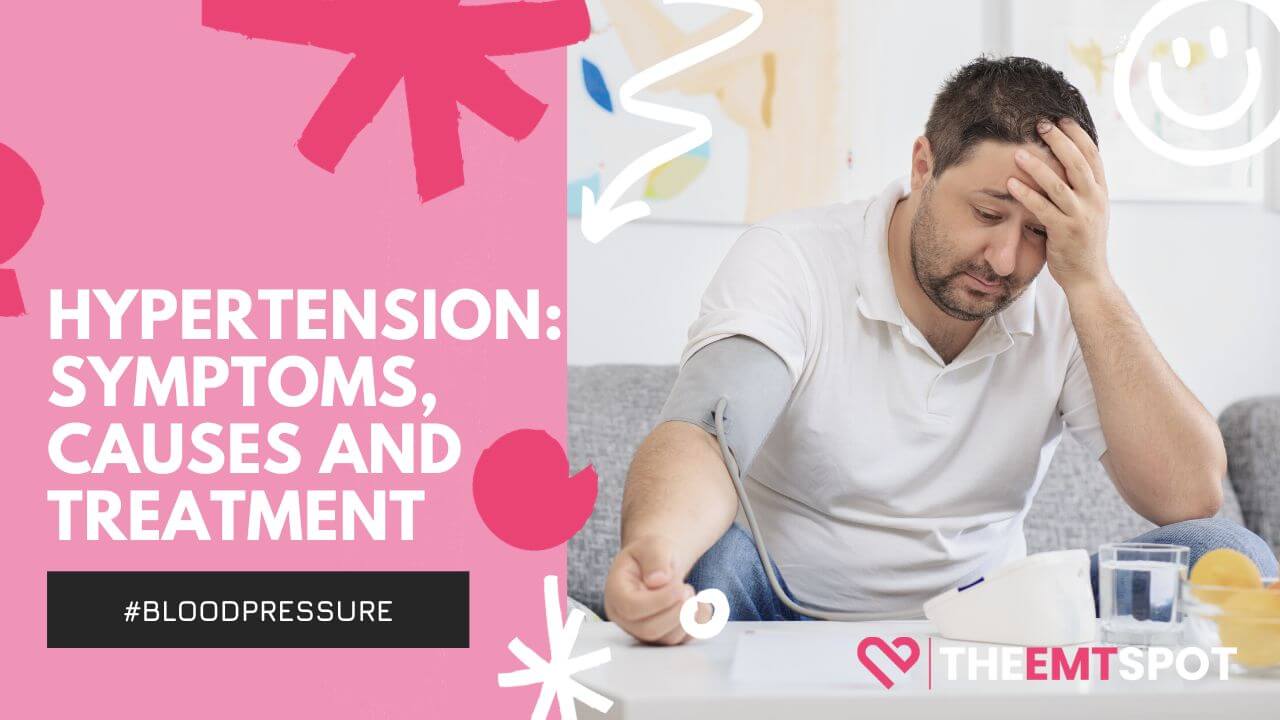
High Blood Pressure (Hypertension)

Learn how high blood pressure can affect your health and some of the things that may trigger it. You will also find ways to manage and control it effectively.

hypotension low blood pressure

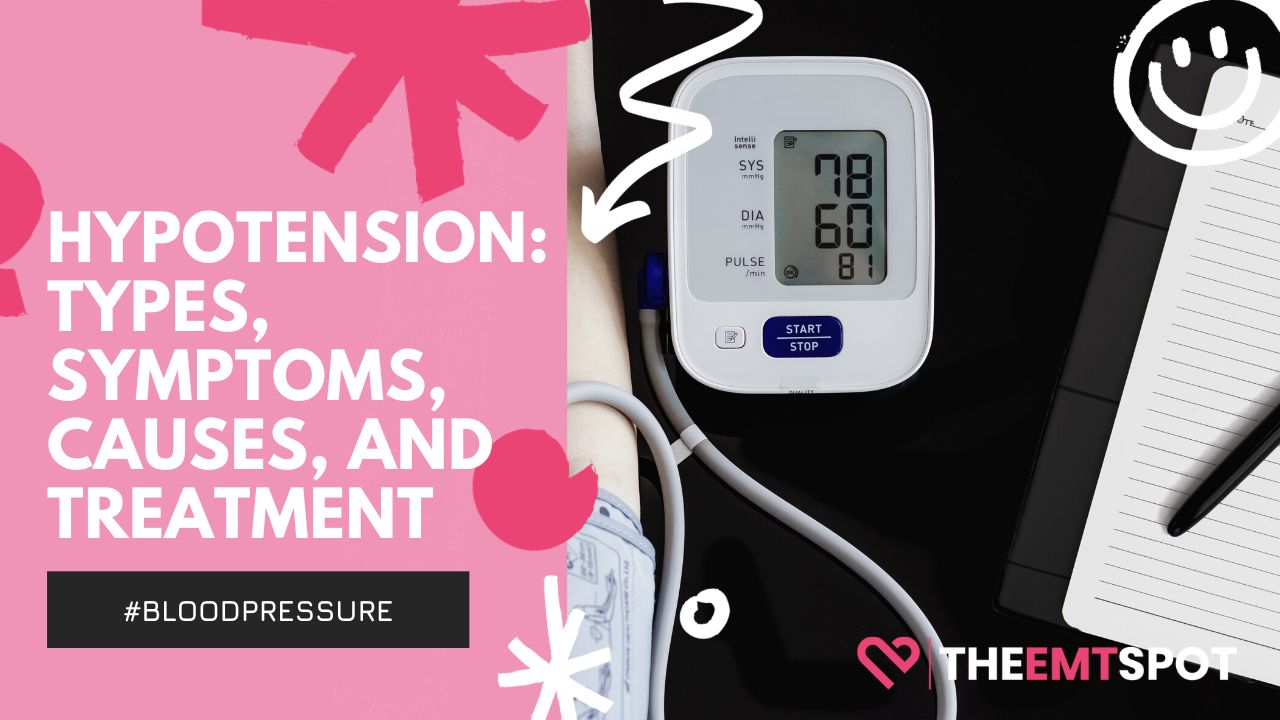
Low Blood Pressure (Hypotension)

Find out what causes low blood pressure, resulting in hypotension. Learn how to treat and prevent it with some healthy lifestyle choices and habits.

lowering blood pressure

How To Lower Blood Pressure?

High blood pressure may affect your life if you’re not eating well and monitoring your health. Here are some practical ways to lower your blood pressure.

blood pressure medications

Blood Pressure Medications Types

Each blood pressure medicine has a different mechanism. Here is a comprehensive list of blood pressure medications available to manage the condition.

taking blood pressure

How To Take Blood Pressure At Home?

Learn to accurately monitor blood pressure at home: Understand readings, choose the right device, and manage heart health effectively.

Frequently Asked Questions

Answers to the most common blood pressure questions, based on AHA 2023 guidelines and reviewed by our clinical team.

A normal blood pressure reading for adults is below 120/80 mmHg, per AHA 2023 guidelines. The top number (systolic) measures arterial pressure during a heartbeat. The bottom number (diastolic) measures arterial pressure between beats. Readings between 120/80 and 129/80 are classified as elevated. Readings at or above 130/80 meet the clinical definition of hypertension.

Blood pressure tends to rise with age because arteries gradually lose elasticity, increasing their resistance to blood flow. Average systolic pressure is approximately 115/75 mmHg in adults aged 18 to 39, 120/80 mmHg in adults aged 40 to 59, and 125/80 mmHg in adults aged 60 and older. The AHA classification thresholds apply to all adults regardless of age.

Accurate home measurement requires a validated upper-arm cuff monitor. Sit quietly for 5 minutes before measuring, with your back supported and feet flat on the floor. Place the cuff on your non-dominant arm at heart level. Take two readings one minute apart and record the average. Avoid caffeine, exercise, and smoking for at least 30 minutes before measuring.

Lifestyle changes can lower systolic pressure by 4 to 11 mmHg. The most effective interventions are reducing sodium intake below 2,300 mg per day, performing aerobic exercise for at least 150 minutes per week, losing excess body weight, limiting alcohol, and stopping smoking. For Stage 1 hypertension, lifestyle changes are the first-line intervention. Medication is typically added for Stage 2 or when cardiovascular risk is elevated.

Adults with normal blood pressure should check every two years. Adults with elevated readings (120 to 129/80) should check annually. Adults diagnosed with hypertension should check at home daily, or as directed by their physician, using a validated upper-arm monitor.

Acute stress temporarily raises blood pressure by triggering the release of adrenaline, which accelerates heart rate and constricts blood vessels. Chronic stress does not directly cause permanent hypertension, but stress-related behaviors, including poor diet, alcohol use, physical inactivity, and poor sleep, are established risk factors for sustained elevated blood pressure.

White coat hypertension is elevated blood pressure recorded in a clinical setting that returns to normal levels outside of it. It occurs in an estimated 15 to 30% of patients diagnosed with hypertension and is caused by anxiety in the medical environment. Home monitoring over several days provides a more accurate baseline than a single office reading.

What Is Your Hypertension Risk Level?

Hypertension affects 1 in 3 adults and produces no symptoms in the majority of cases. The quiz below assesses your personal risk based on age, weight, lifestyle, and family history.