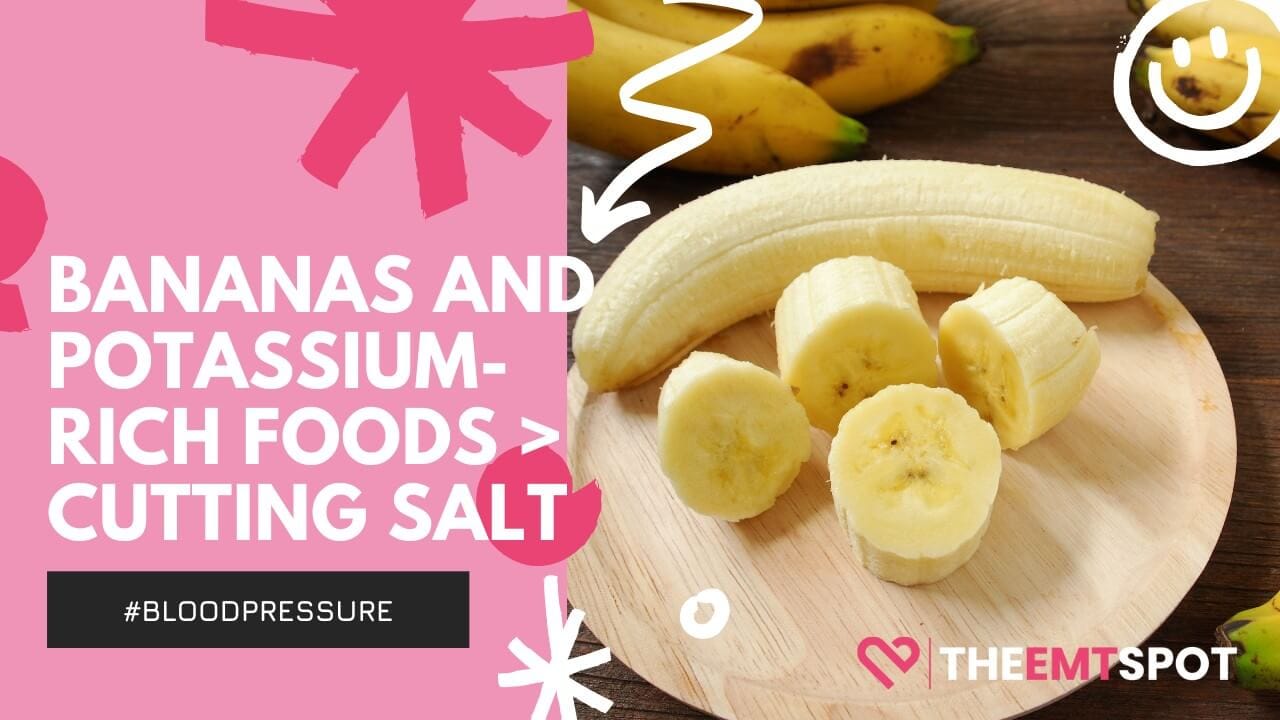
Bananas and Potassium-Rich Foods May Lower Blood Pressure More Effectively Than Cutting Salt, Study Finds
New research indicates that balancing potassium and sodium intake—rather than simply reducing salt—may play a more crucial role in managing hypertension.
While sodium restriction has long been the cornerstone of blood pressure advice, the latest findings suggest that increasing potassium-rich foods like bananas, spinach, and avocados could produce a more significant effect on cardiovascular health.
🔍 Key Insights:
- High potassium intake may neutralize sodium’s impact on blood pressure.
- Bananas, potatoes, spinach, and avocados are key dietary sources of potassium.
- Western diets typically exceed sodium guidelines and fall short on potassium.
- A proper sodium-to-potassium ratio may better predict blood pressure and cardiovascular risk than focusing on either nutrient alone.
Why Potassium May Be More Important Than Sodium for Blood Pressure Control
Traditionally, managing high blood pressure has centered on minimizing sodium intake—often by avoiding processed foods.
However, Professor Anita Layton of the University of Waterloo presents a compelling shift in perspective:
“Our research suggests that adding more potassium-rich foods to your diet, such as bananas or broccoli, might have a greater positive impact on your blood pressure than just cutting sodium.”
This perspective, published in the American Journal of Physiology – Renal Physiology, proposes a paradigm shift in dietary strategies for hypertension.
Instead of viewing sodium as the singular villain, researchers advocate for a dual nutrient strategy that includes sufficient potassium intake to counterbalance sodium’s effects.
How the Sodium-Potassium Balance Affects Blood Pressure
Potassium’s Role in Blood Pressure Regulation
Potassium helps:
- Relax blood vessel walls
- Flush out excess sodium through urine
- Reduce strain on the cardiovascular system
In practical terms, while sodium raises blood pressure, potassium helps lower it by enhancing kidney function and restoring electrolyte balance.
These two minerals work in tandem, and their imbalance can tip the scales toward hypertension and increased cardiovascular risk.
Common Food Sources of Potassium
Food item | Potassium (mg per 100g) |
Bananas | 358 mg |
Potatoes | 421 mg |
Avocados | 485 mg |
Spinach (raw) | 558 mg |
Sweet Potatoes | 337 mg |
By increasing the consumption of these foods, individuals may naturally correct the potassium deficit typical of modern Western diets, which are often high in processed and sodium-rich items like:
- Packaged bread
- Fast food
- Frozen meals
- Salty snacks
Western Diets: High Sodium, Low Potassium—A Dangerous Combination
Modern eating patterns, particularly in Western countries, heavily favor sodium-laden convenience foods over fresh produce.
This imbalance contributes to a disrupted sodium-to-potassium ratio, which has now been identified as a stronger predictor of hypertension and cardiovascular events than sodium intake alone.
The study also notes that men may be at higher risk of developing hypertension but could also benefit more substantially from diet adjustments aimed at restoring this mineral equilibrium.
Can Potassium Reverse the Effects of High Sodium Intake?
Yes—partially.
The researchers point out that while potassium alone cannot reverse all the health consequences of high sodium intake, it supports the body’s natural mechanisms to excrete excess sodium and reduce vascular tension.
This process may significantly lower blood pressure over time, especially in individuals already showing early signs of hypertension.
For those concerned about their current levels, it’s helpful to first understand the normal and high blood pressure chart ranges defined by the American Heart Association.
Implications for Hypertension Management and Future Research
This discovery invites further exploration into how dietary potassium interacts with antihypertensive medications and long-term heart health.
Medical professionals may need to adjust dietary recommendations, emphasizing increased intake of potassium-dense vegetables and fruits alongside moderate sodium control rather than extreme restriction.
Individuals seeking better habits may benefit from reviewing practical tips on how to lower blood pressure naturally and adopting a heart-healthy blood pressure diet plan tailored to their nutritional needs.